Fine Motor Skills Normal Building Vocabulary Worksheets for Ages 5-6
6 filtered results
-
From - To
Boost your child's fine motor skills and vocabulary with our engaging "Fine Motor Skills Normal Building Vocabulary Worksheets" designed for ages 5-6. These expert-crafted worksheets support the development of hand-eye coordination and finger dexterity while enhancing language abilities. Through fun and interactive activities, children will practice writing, tracing, and matching words, all crucial for early reading and writing success. Perfect for home or classroom use, these worksheets provide a balanced approach to learning, making foundational education both enjoyable and beneficial. Nurture your child's fine motor precision and vocabulary growth with our proven resources.
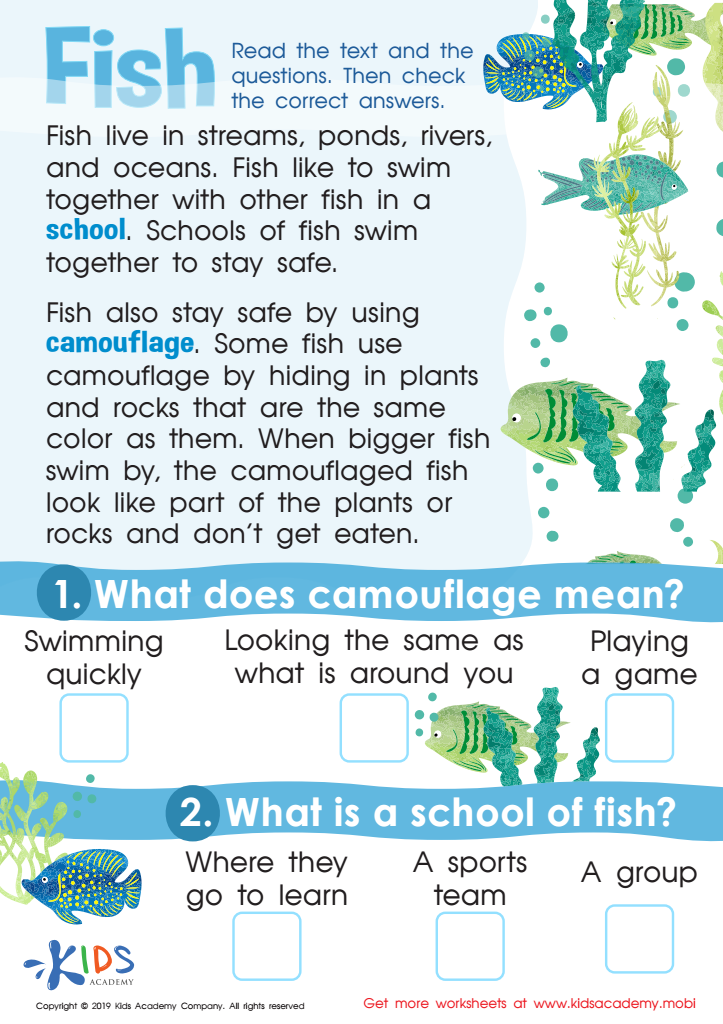
Fish Worksheet
 Assign to My Students











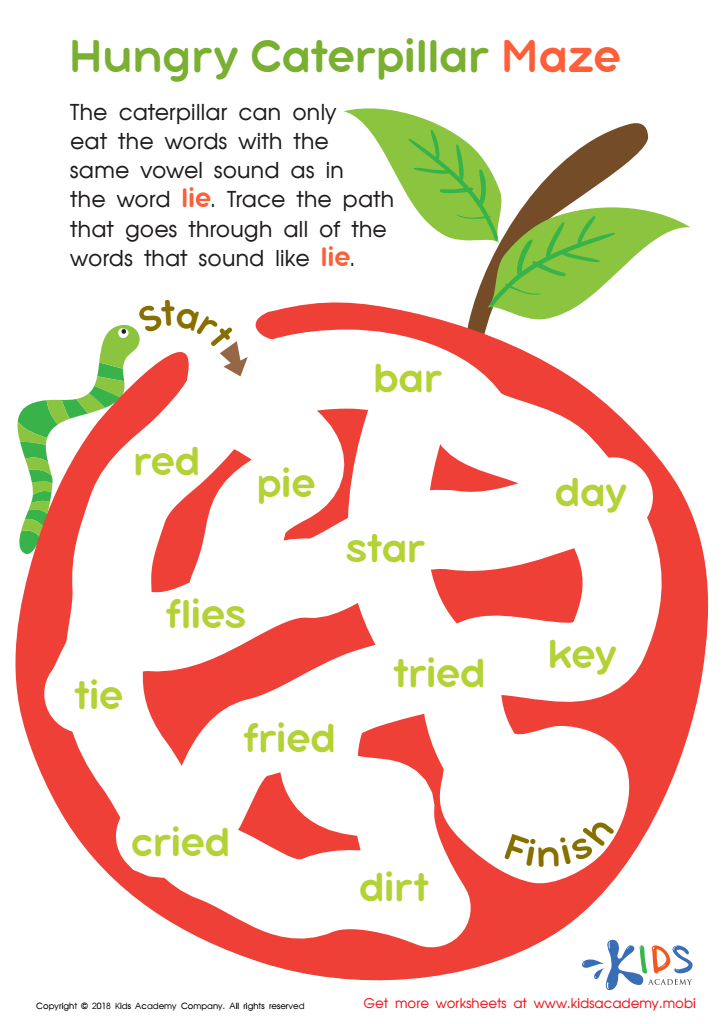
Hungry Caterpillar Maze Worksheet
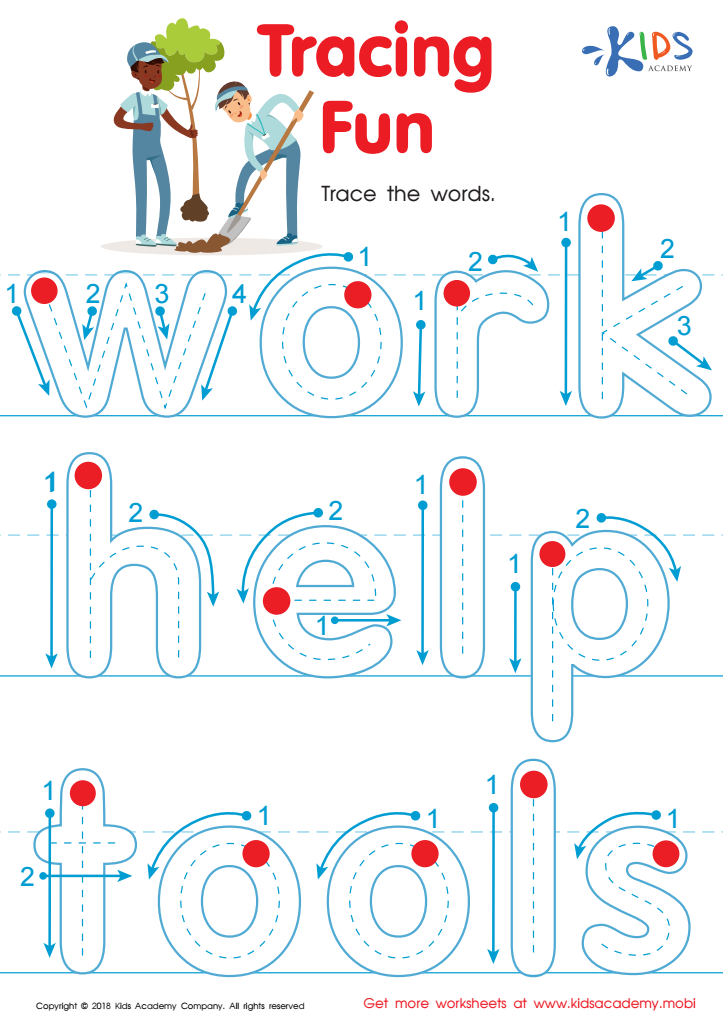
Tracing Fun Worksheet
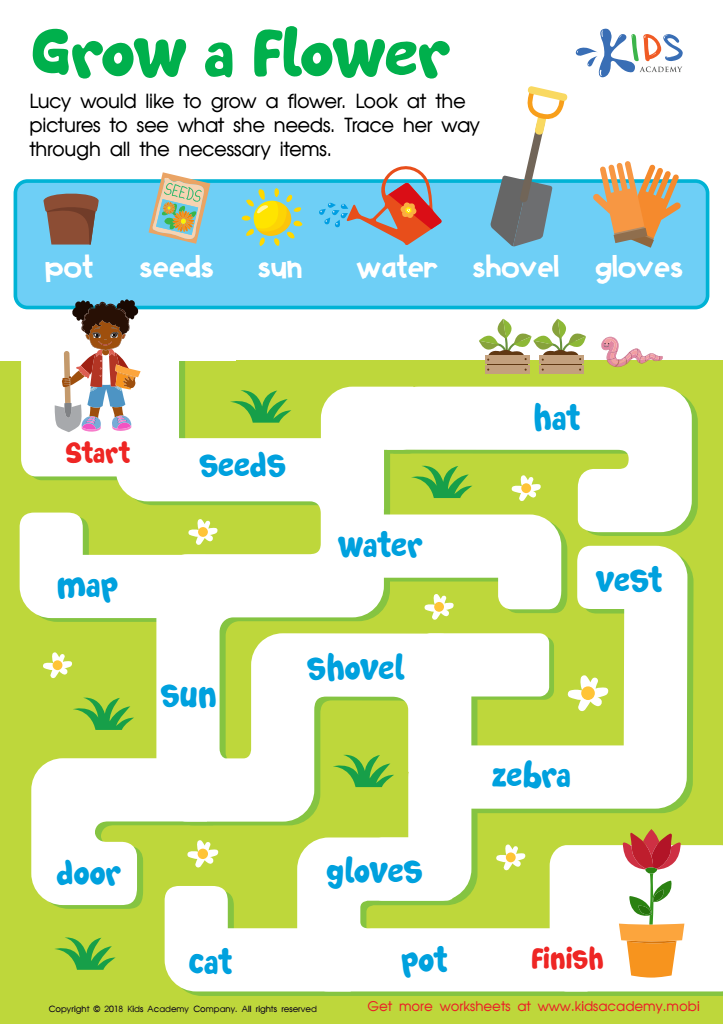
Grow a Flower Worksheet
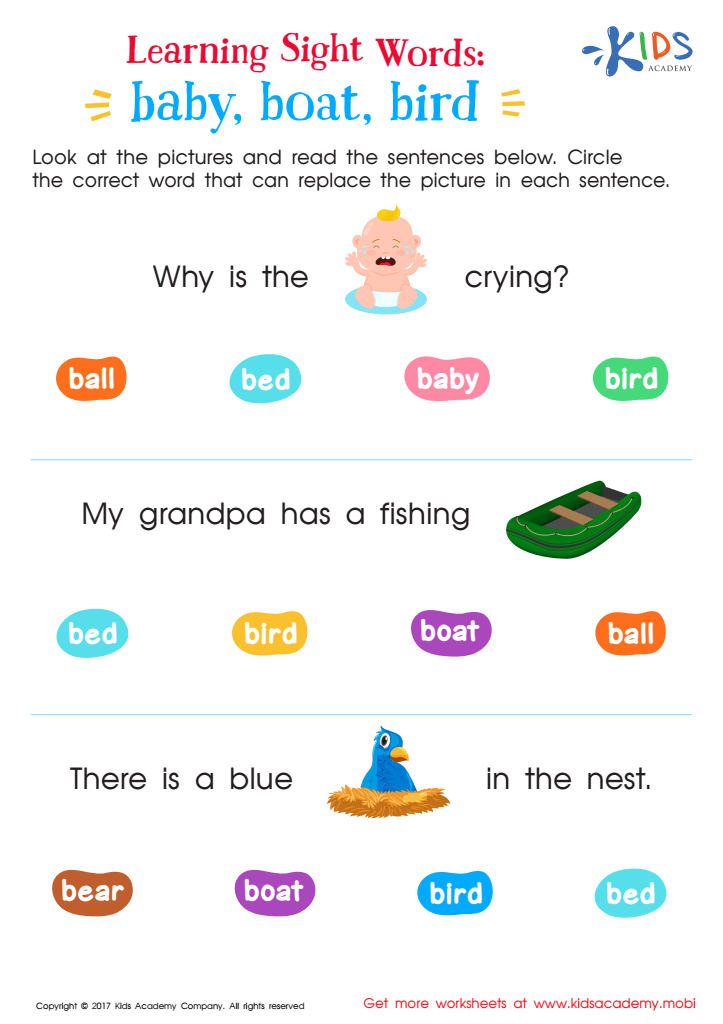
Baby, Boat, Bird Worksheet Sight Words Worksheet
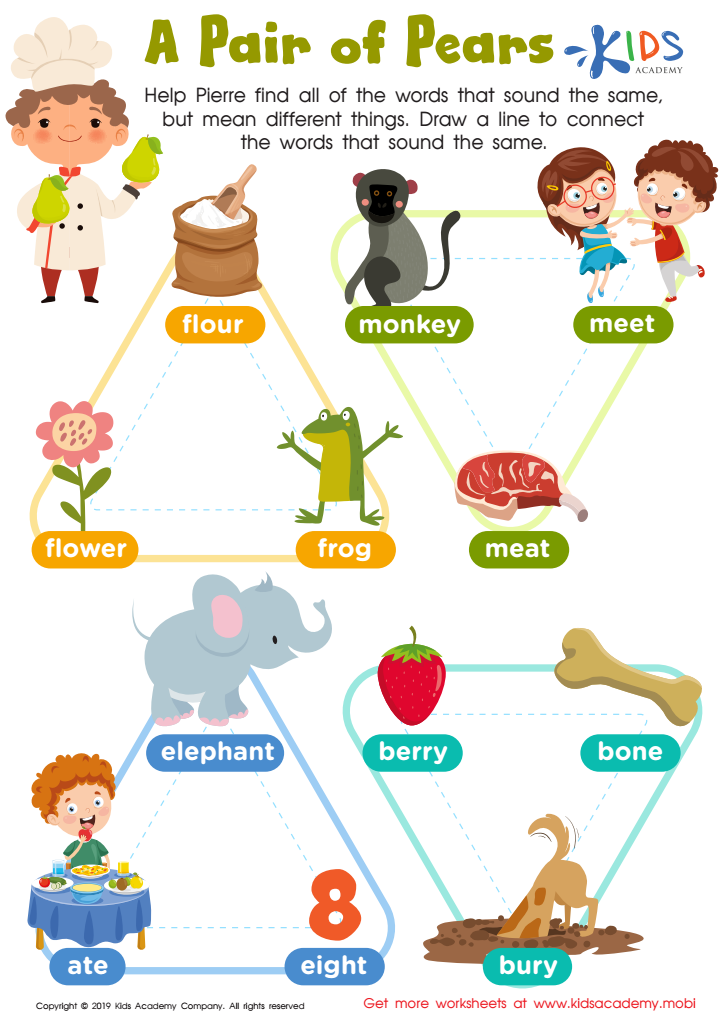
Pair Pears Worksheet


.jpg)





Fine motor skills and vocabulary development are crucial milestones for children aged 5-6, impacting their overall growth and learning. Fine motor skills involve small muscle movements, primarily in the hands and fingers, essential for tasks like writing, buttoning, and using scissors. Engaging in activities that boost these skills, such as coloring, playing with clay, or cutting paper, directly enhances children’s ability to perform daily tasks independently and effectively. Additionally, strengthened fine motor skills set the groundwork for later academic activities, such as writing legibly and manipulating objects needed in various school projects.
Simultaneously, building a robust vocabulary at this critical age fosters effective communication, foundational literacy, and reading comprehension. A well-developed vocabulary not only enhances children's storytelling and expressive abilities but also equips them for understanding and following instructions, both in and out of the classroom. Interaction through reading, conversations, and educational games plays an essential role in expanding their word bank, encouraging curiosity, and deepening their understanding of the world.
Focusing on these aspects prepares children for future academic challenges and life skills, instilling confidence and the ability to actively participate in their learning environments. Parents and teachers play a pivotal role in nurturing these essential developments by providing supportive, stimulating, and interactive environments.








