Fine Motor Skills Normal Reading Worksheets for Ages 5-6
12 filtered results
-
From - To
Enhance your child's fine motor skills with our engaging Normal Reading Worksheets for ages 5-6! Designed specifically for young learners, these worksheets combine reading exercises with activities that promote hand-eye coordination, dexterity, and control. Your child will enjoy tracing letters, coloring pictures, and connecting dots, all while developing essential pre-reading abilities. Our worksheets cater to a variety of learning styles, making them perfect for at-home practice or classroom use. Download and print these fun and educational resources to help your child build confidence and prepare for reading success! Dive into a world of learning that supports physical and cognitive growth today!
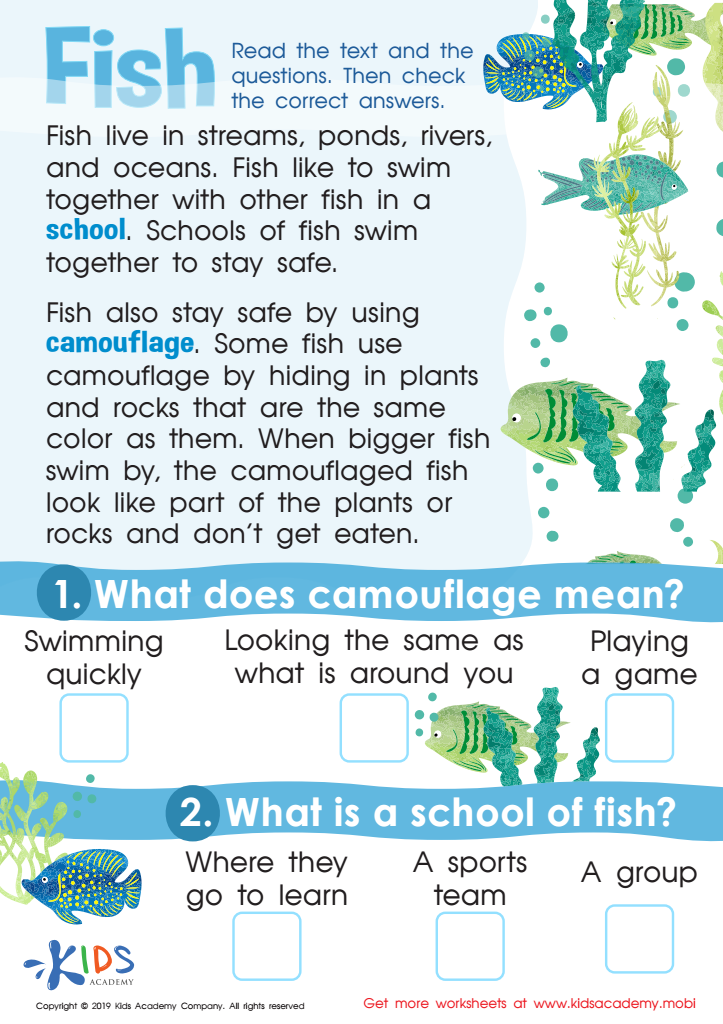
Fish Worksheet

Twinkle Twinkle Little Star Coloring Page
 Assign to My Students
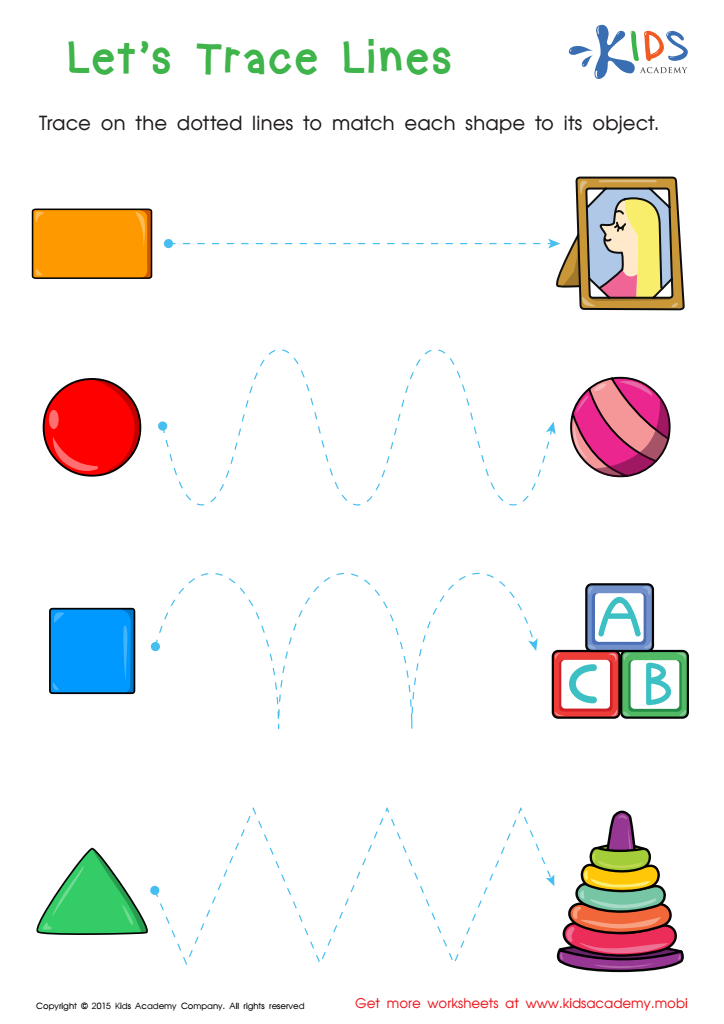
First Words: Let's Trace Lines Worksheet
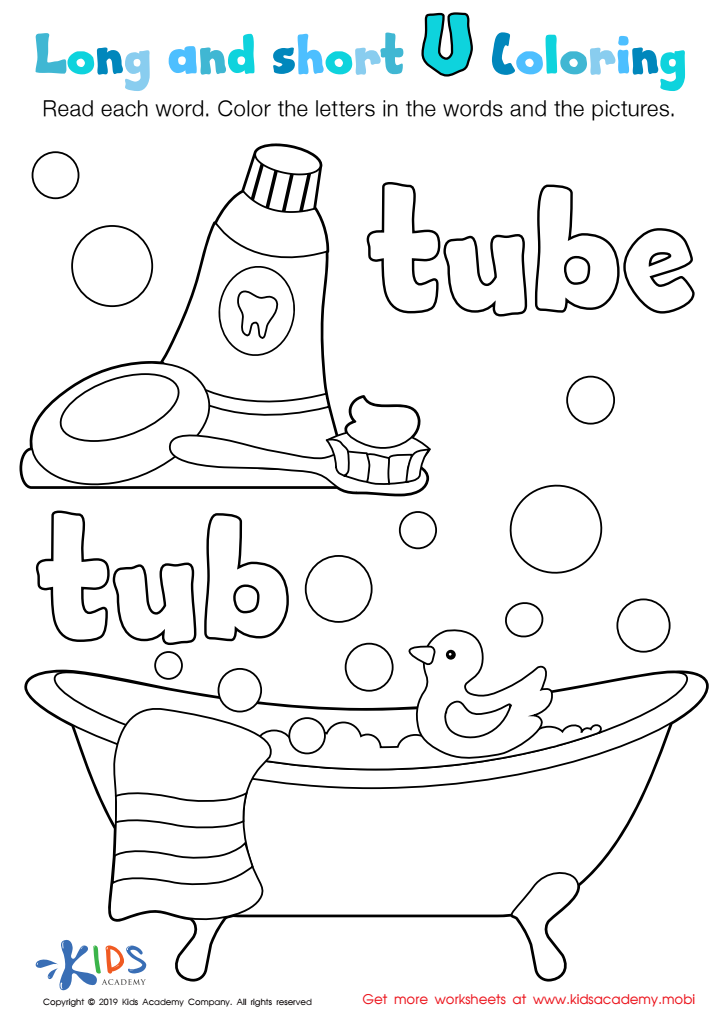
Long and Short U Worksheet
Assign to My Students
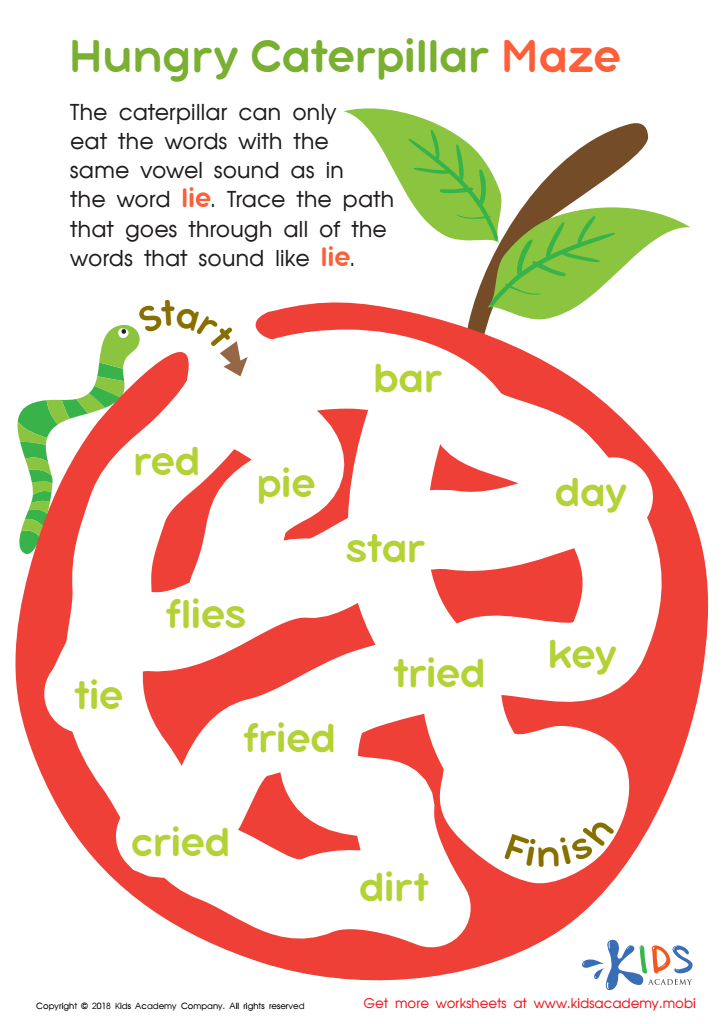
Hungry Caterpillar Maze Worksheet
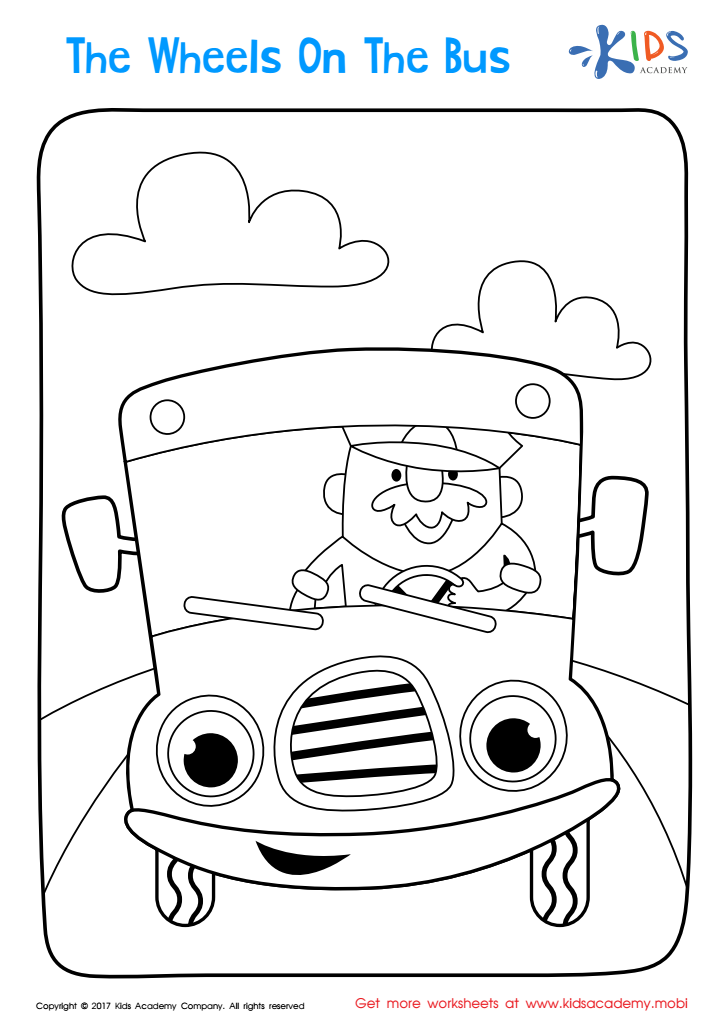
The Wheels on the Bus Coloring Page
Assign to My Students
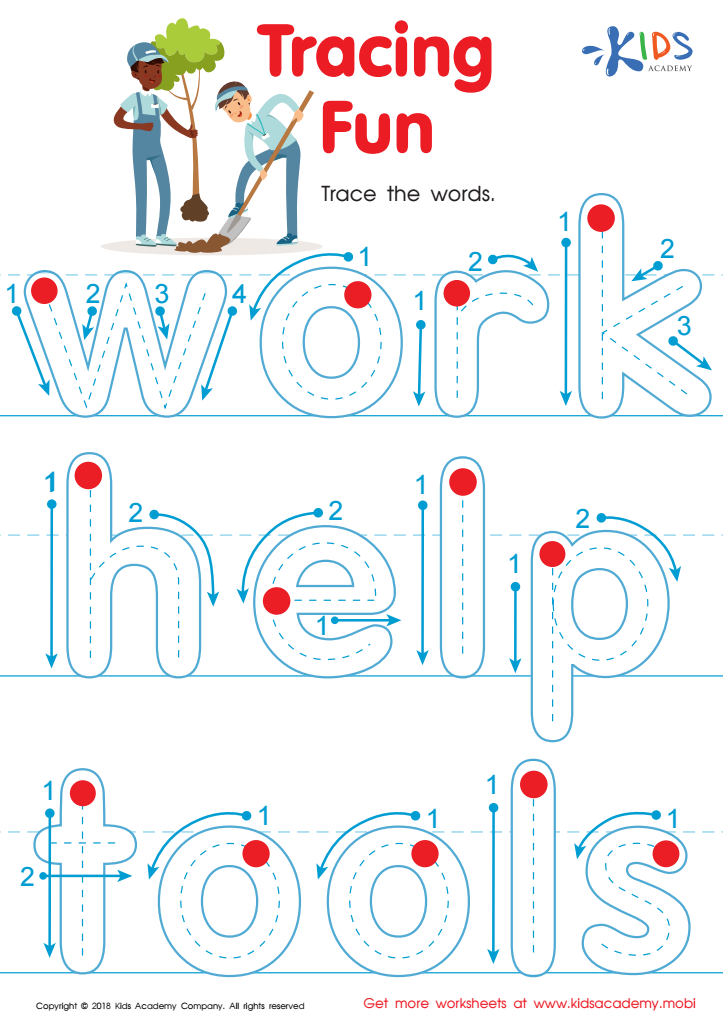
Tracing Fun Worksheet

Red Riding Hood Coloring Page
Assign to My Students
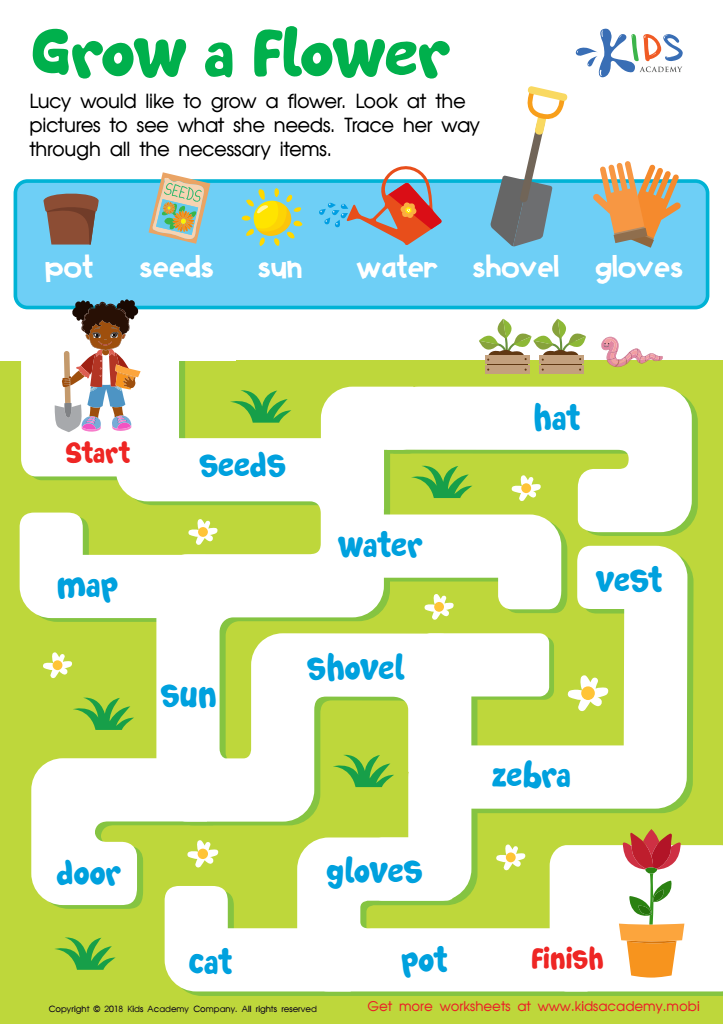
Grow a Flower Worksheet
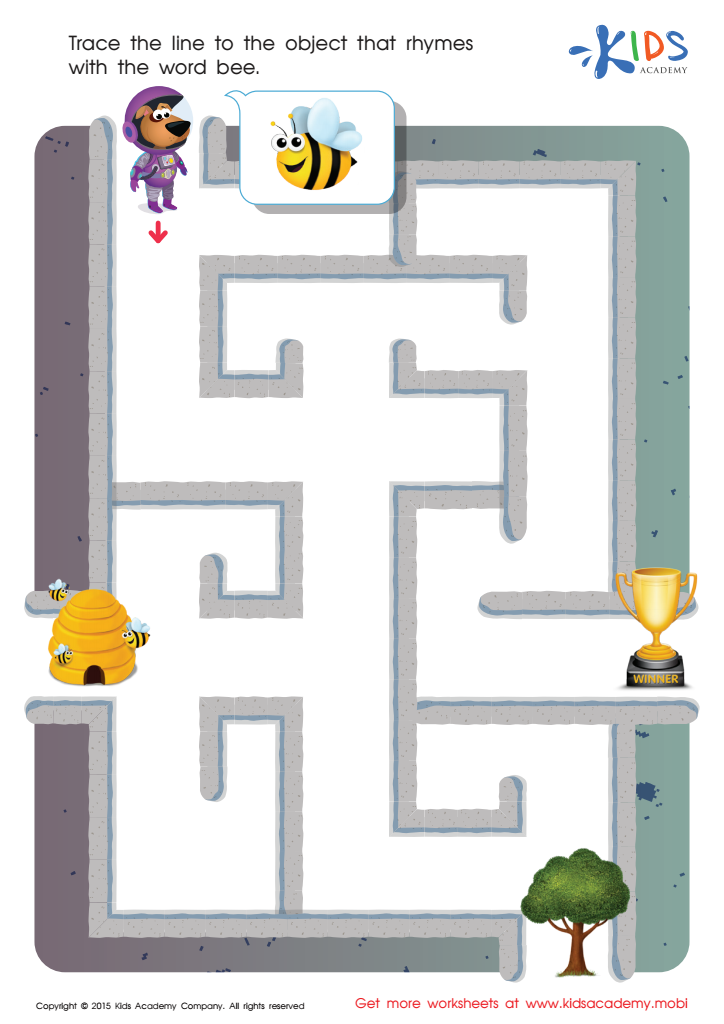
Bee Rhyming Words Worksheet
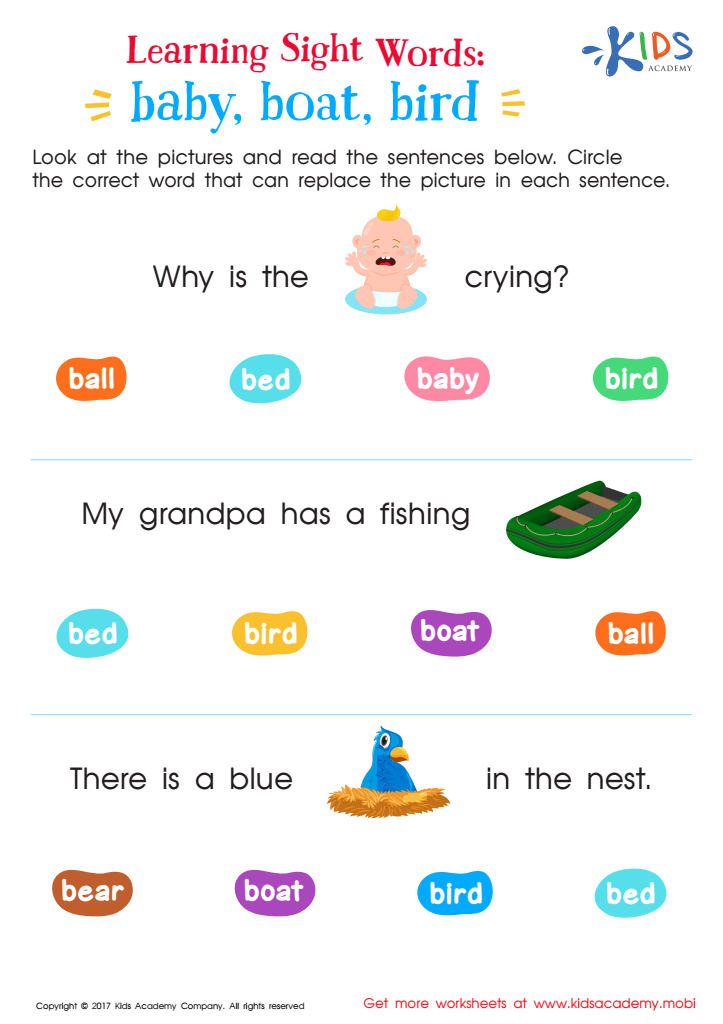
Baby, Boat, Bird Worksheet Sight Words Worksheet
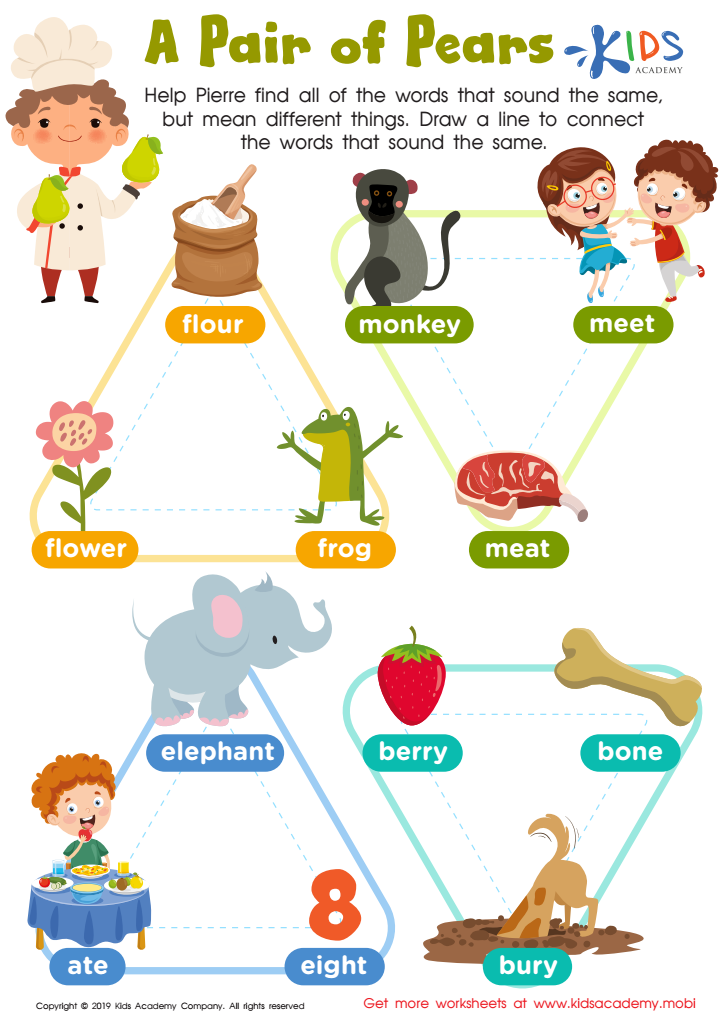
Pair Pears Worksheet



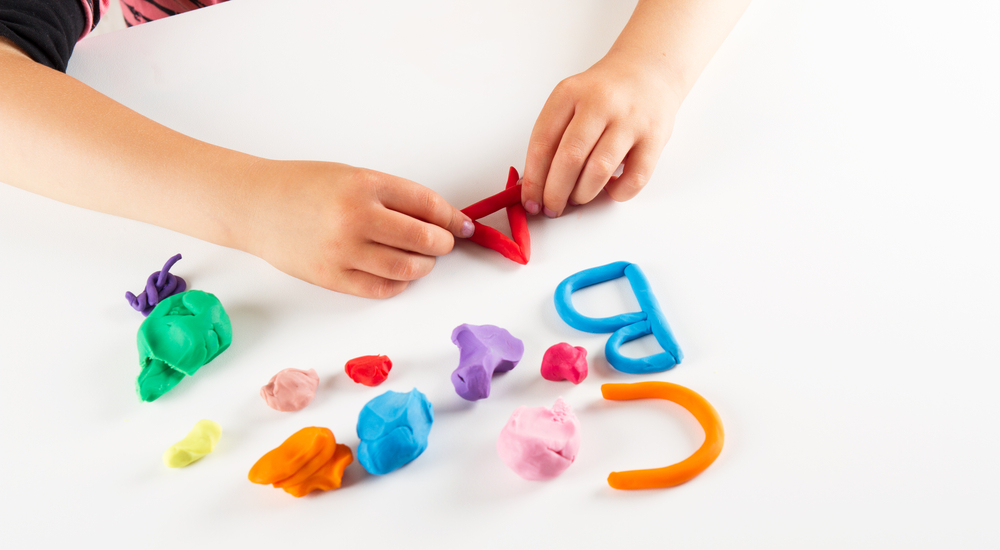




Fine motor skills are essential for young children's overall development, particularly for children aged 5-6 years. These skills involve the coordinated use of small muscles in the hands and fingers, enabling children to perform tasks such as writing, drawing, and manipulating small objects. For parents and teachers, fostering fine motor skills is crucial because they directly impact a child's ability to engage in academic tasks, especially reading and writing.
At this developmental stage, children are beginning to explore literacy more deeply. Normal reading development relies not only on cognitive skills but also on the hand-eye coordination and dexterity associated with fine motor skills. When children can effectively hold a pencil and form letters, they are better equipped to write, take notes, and express their thoughts clearly.
Moreover, fine motor activities provide opportunities for brain development. Activities such as cutting, coloring, and folding paper enhance neural connections, which support overall cognitive growth. Parents and teachers who prioritize fine motor skill development create a solid foundation for academic success and boost children's confidence in their abilities, fostering a positive attitude towards learning. In essence, nurturing fine motor skills directly correlates with improved literacy outcomes, a critical concern for parents and educators alike.








