Vocabulary development Normal Reading Comprehension Worksheets for Ages 5-6
5 filtered results
-
From - To
Enhance your child’s vocabulary and reading comprehension with our engaging worksheets designed specifically for ages 5-6. These expertly crafted activities focus on normal reading comprehension skills, providing young learners with opportunities to explore language and meaning. Each worksheet includes fun scenarios and colorful illustrations that spark curiosity and promote understanding. From matching words to images to solving simple vocabulary puzzles, children will improve their language skills while building confidence in reading. Perfect for classroom use or at-home practice, these resources support early literacy development and prepare your child for future academic success. Discover the joy of learning with our interactive worksheets today!
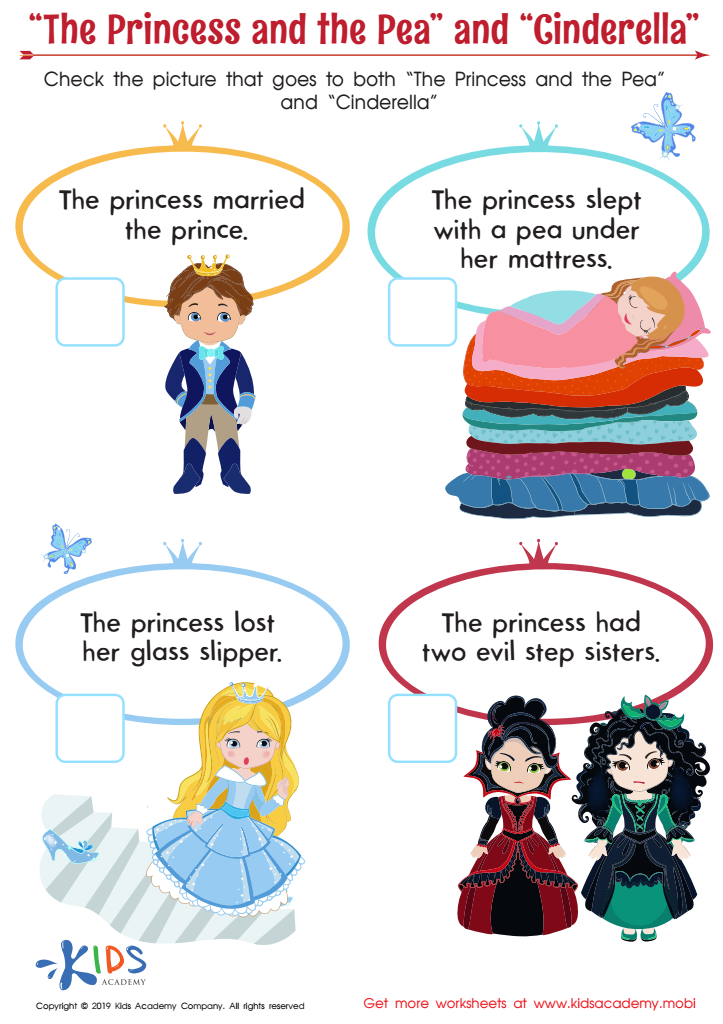
“The Princess and the Pea” and “Cinderella” Worksheet
 Assign to My Students
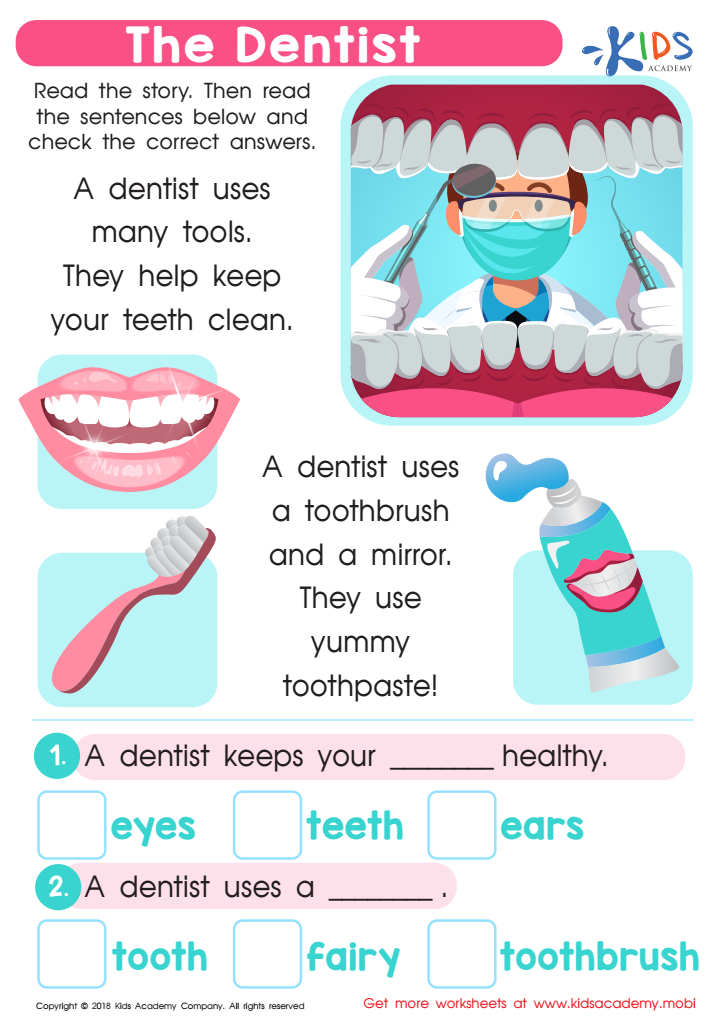
The Dentist Worksheet
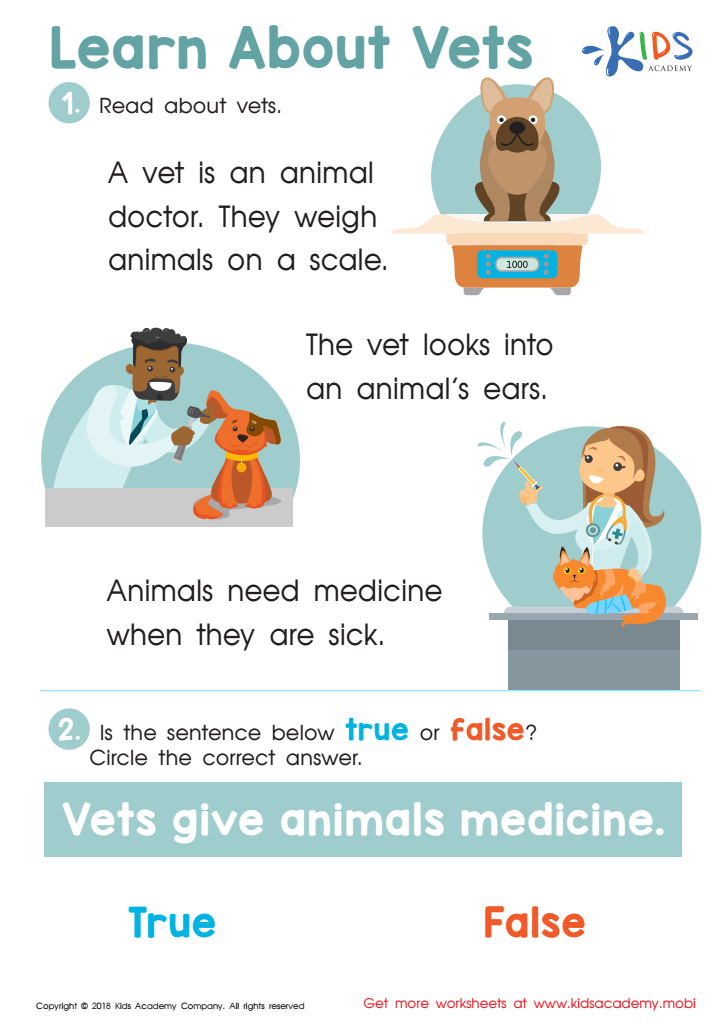
Learn About Vets Worksheet
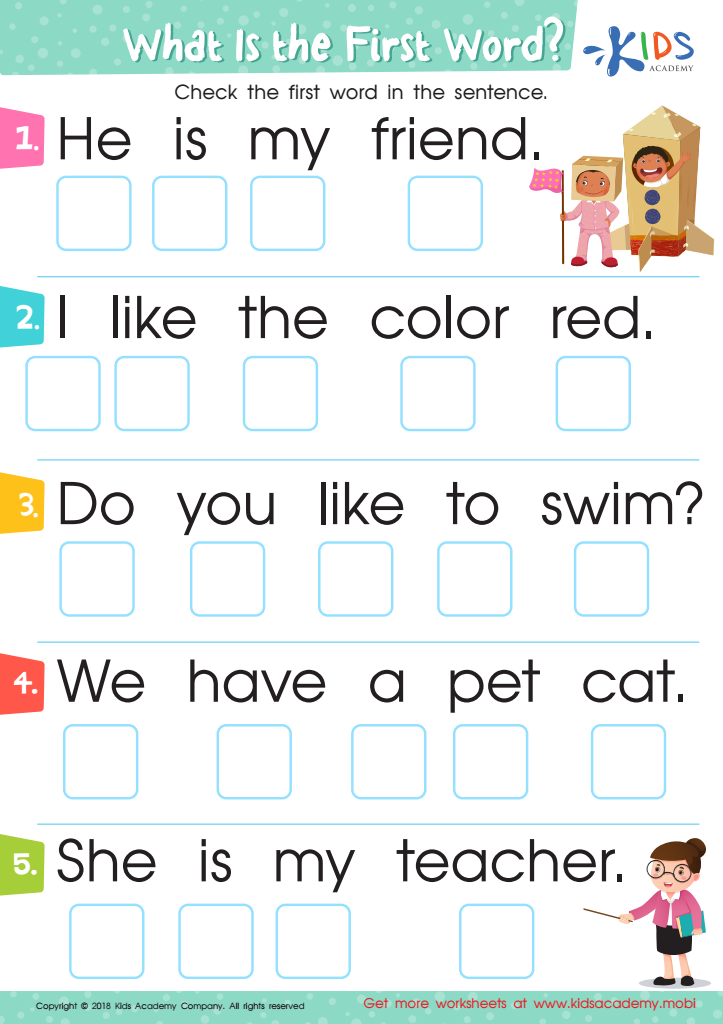
What is the First Word? Worksheet
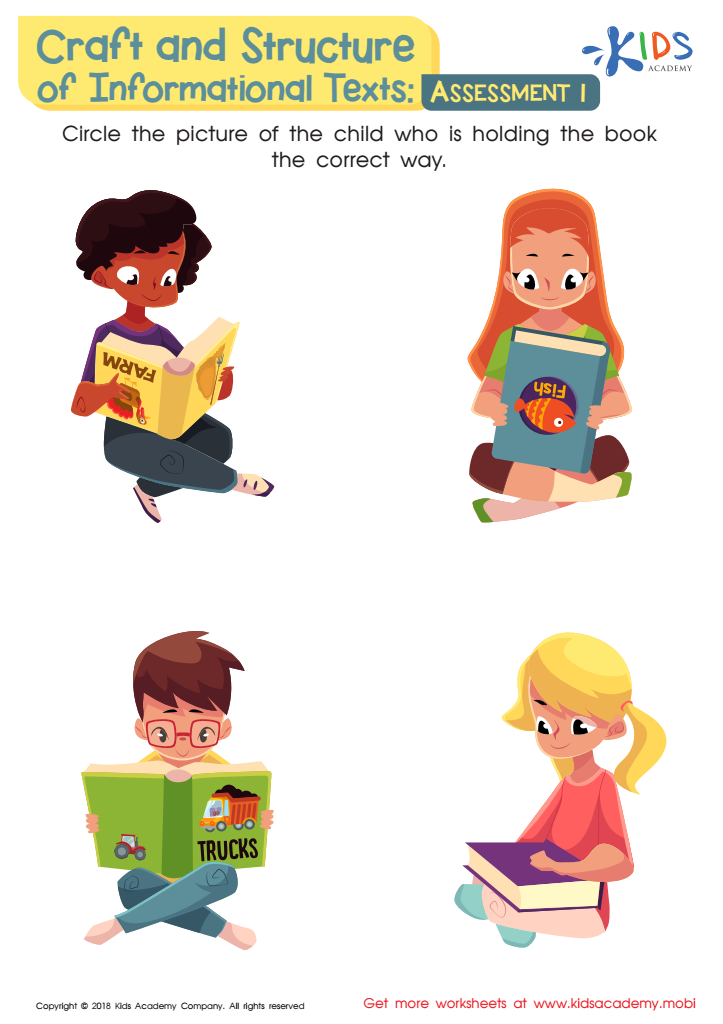
Craft and Structure of Informational Texts: Assessment 1 Worksheet







Vocabulary development and reading comprehension are crucial components of early literacy for children aged 5-6. Parents and teachers should prioritize these skills because they lay the foundation for future learning. A robust vocabulary enables young learners to express themselves clearly and understand the world around them. As children encounter new words in books and conversations, they expand their language abilities, which enhances their ability to think critically and retain information.
In this age group, children are developing the fundamental skills needed for reading. Effective vocabulary development helps them make sense of stories and texts, allowing for better comprehension and engagement. When children understand the words they are reading, they can connect with the text emotionally and intellectually, leading to a love of reading.
Furthermore, strong reading comprehension skills established at an early age correlate with academic success later on. Students with a strong vocabulary are better prepared for more complex texts in school, paving the way for enhanced literacy skills in the future. Therefore, caregivers and educators should actively engage children in vocabulary-rich activities, such as reading together, discussing new words, and being curious about language, to foster a lifelong love for learning and reading.








