Vocabulary expansion Normal Reading Non-Fiction Worksheets for Ages 5-6
5 filtered results
-
From - To
Discover our engaging Vocabulary Expansion Normal Reading Non-Fiction Worksheets designed specifically for ages 5-6! These creative resources help young learners enhance their language skills while exploring fascinating non-fiction topics. Each worksheet is crafted to motivate children through fun activities that promote vocabulary growth and comprehension. Your child will enjoy connecting words with meaningful contexts as they delve into intriguing facts about the world. Ideal for home or classroom use, these worksheets foster a love for reading and lifelong learning. Prepare your little ones for success by supporting their vocabulary development with our easy-to-use, interactive worksheets! Explore, learn, and grow today!
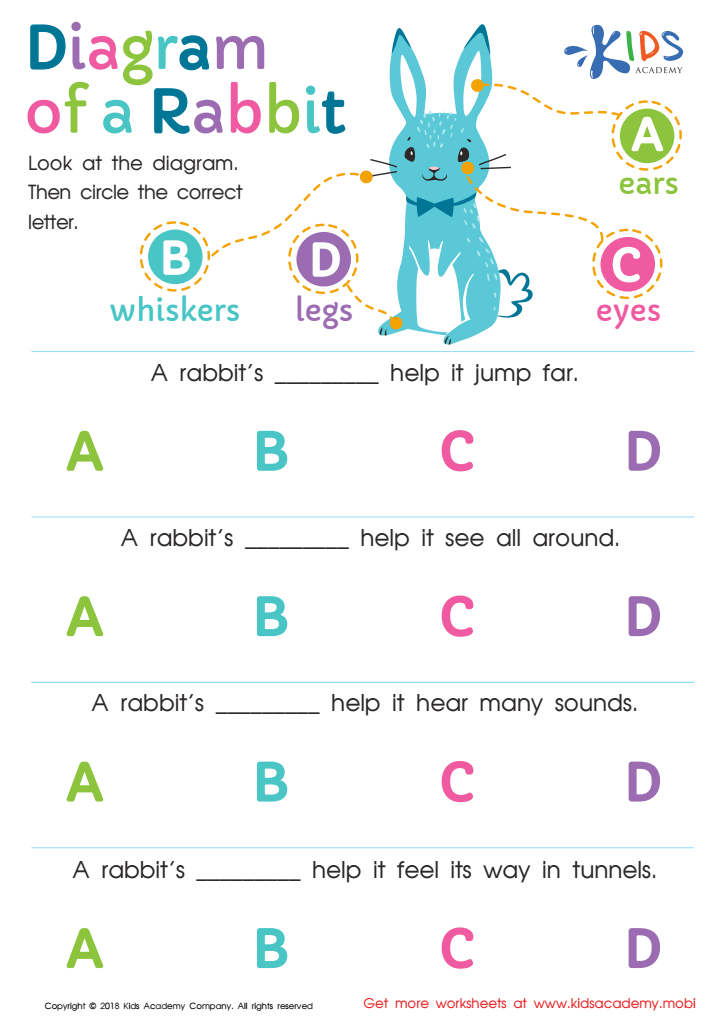
Diagram of a Rabbit Worksheet
 Assign to My Students
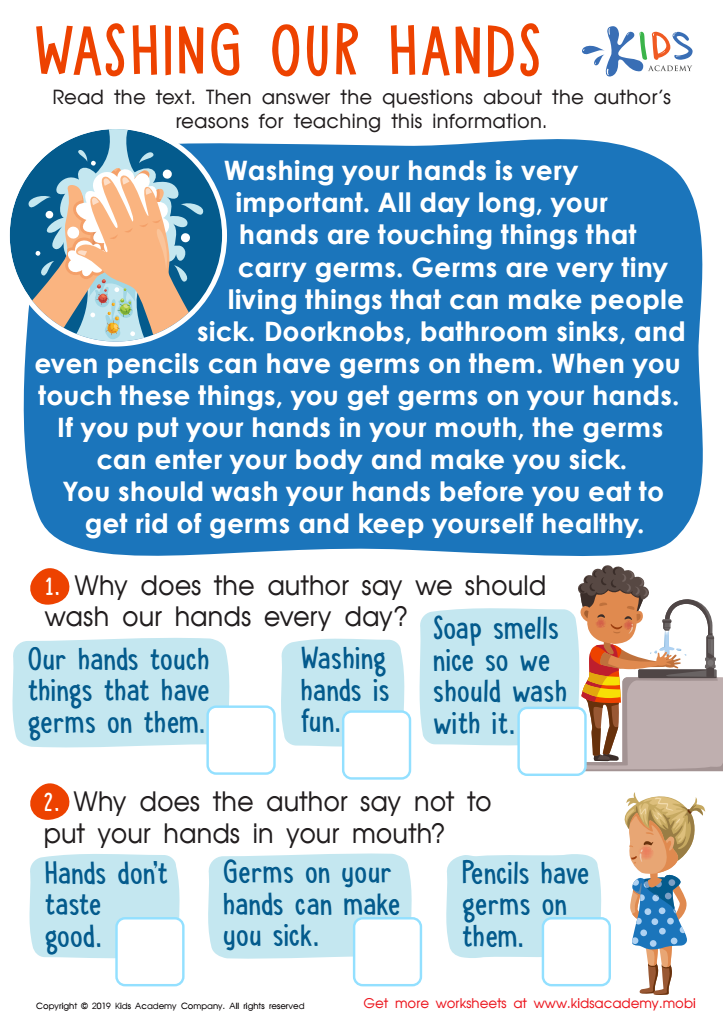
Washing Our Hands Worksheet
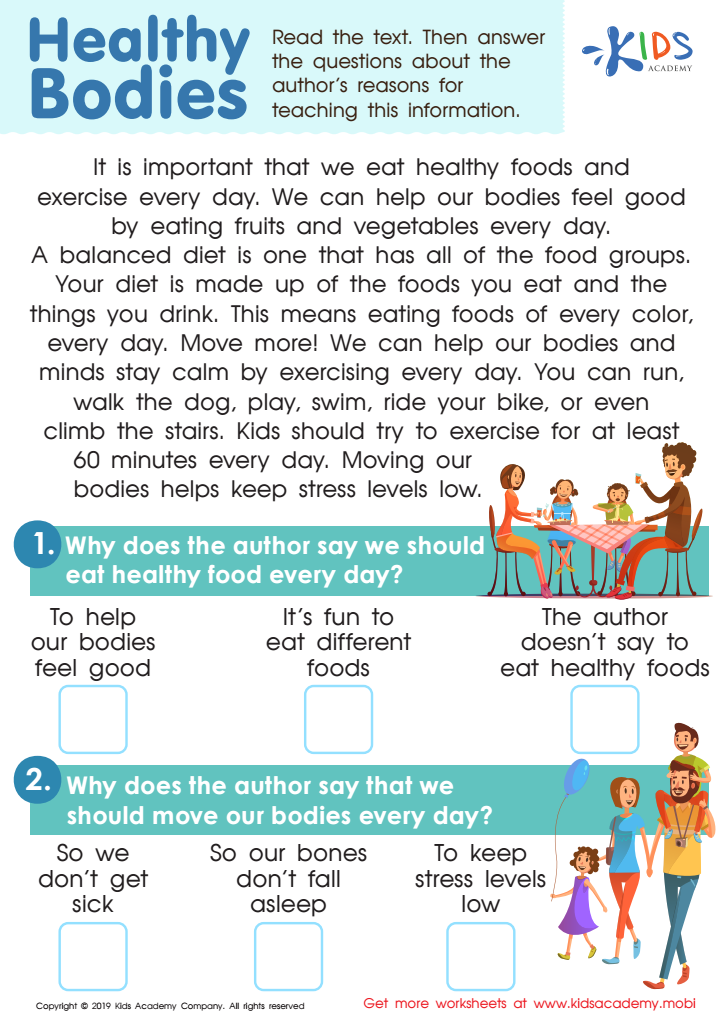
Healthy Bodies Worksheet
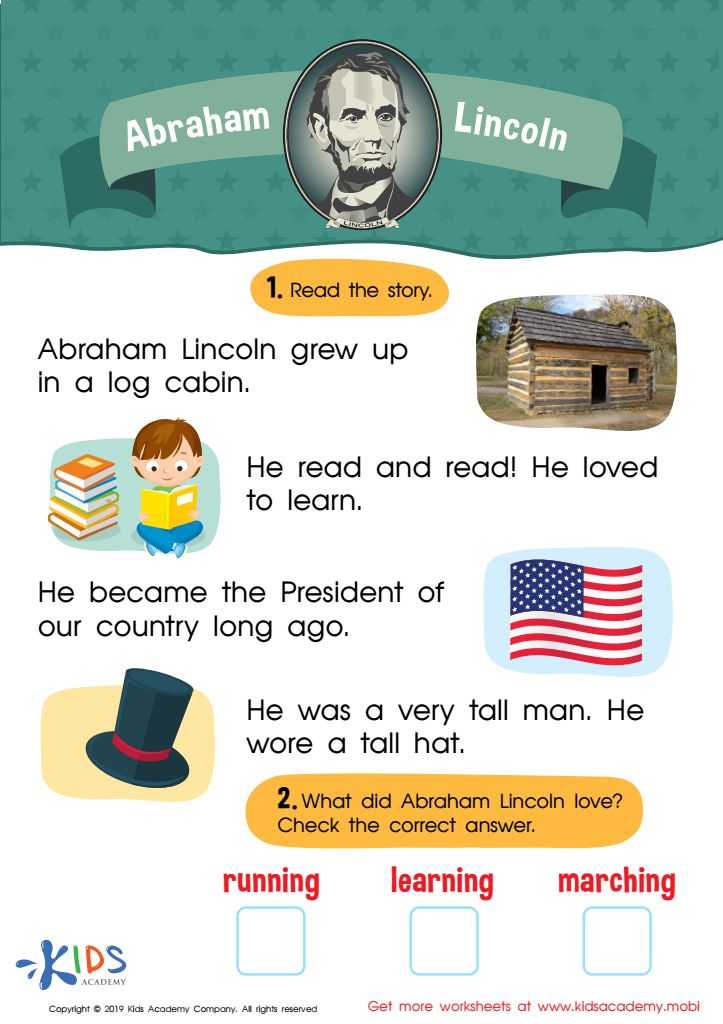
Abraham Lincoln Worksheet
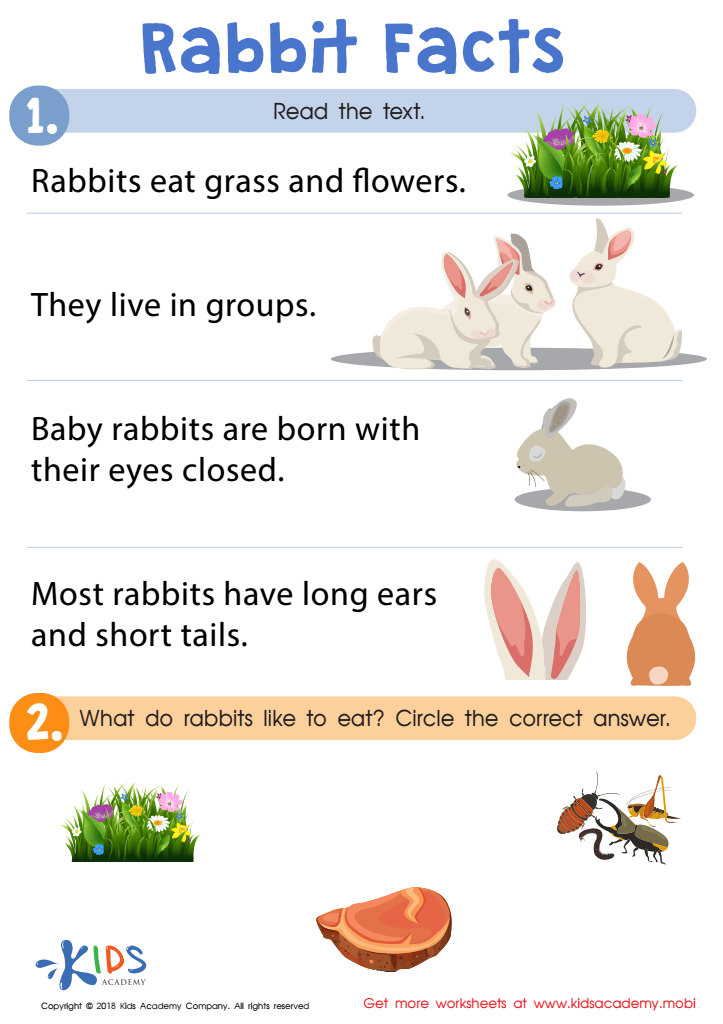
Rabbit Facts Worksheet








Vocabulary expansion through reading non-fiction is crucial for children aged 5-6 as it lays the foundation for their future academic success and overall communication skills. At this age, children's language abilities are rapidly developing; the more words they know, the better they can express themselves, comprehend complex concepts, and engage in meaningful conversations. Non-fiction texts expose children to varied terminology related to real-world subjects, helping them connect their experiences to broader knowledge.
Furthermore, introducing children to non-fiction nurtures their curiosity about the world and enhances critical thinking skills. These texts often cover topics like animals, space, and nature, inciting wonder and encouraging questions. This exploration not only expands vocabulary but also cultivates a love for reading, encouraging lifelong learning.
Parents and teachers play a vital role in facilitating this growth; by reading non-fiction with children, they can discuss new words and concepts, reinforcing understanding and retention. Additionally, it promotes bonding as families and educators participate in shared learning experiences. Investing time in vocabulary expansion through non-fiction not only enriches children's language skills but also equips them with the tools needed to thrive in both academic and social settings.