Critical thinking development Normal Science Worksheets for Ages 5-6
3 filtered results
-
From - To
Enhance your child's critical thinking skills with our engaging Normal Science Worksheets designed specifically for ages 5-6! These worksheets encourage young learners to explore and question the world around them, fostering curiosity and analytical skills. Each activity promotes problem-solving, observation, and reasoning through fun, age-appropriate exercises that make learning enjoyable. By integrating science concepts with critical thinking, children develop a solid foundation for future academic success. Perfect for home or classroom use, our worksheets ensure that your little ones can think creatively and independently. Join us in nurturing inquisitive minds with our thoughtfully crafted critical thinking resources!
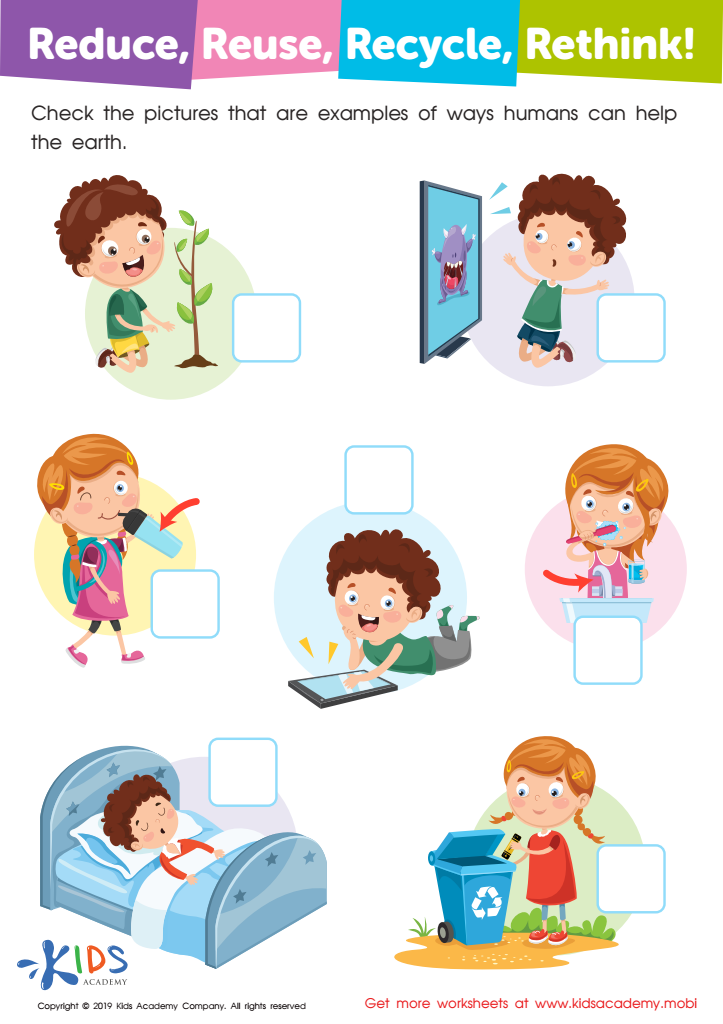
Reduce, Reuse, Recycle, Rethink Worksheet
 Assign to My Students
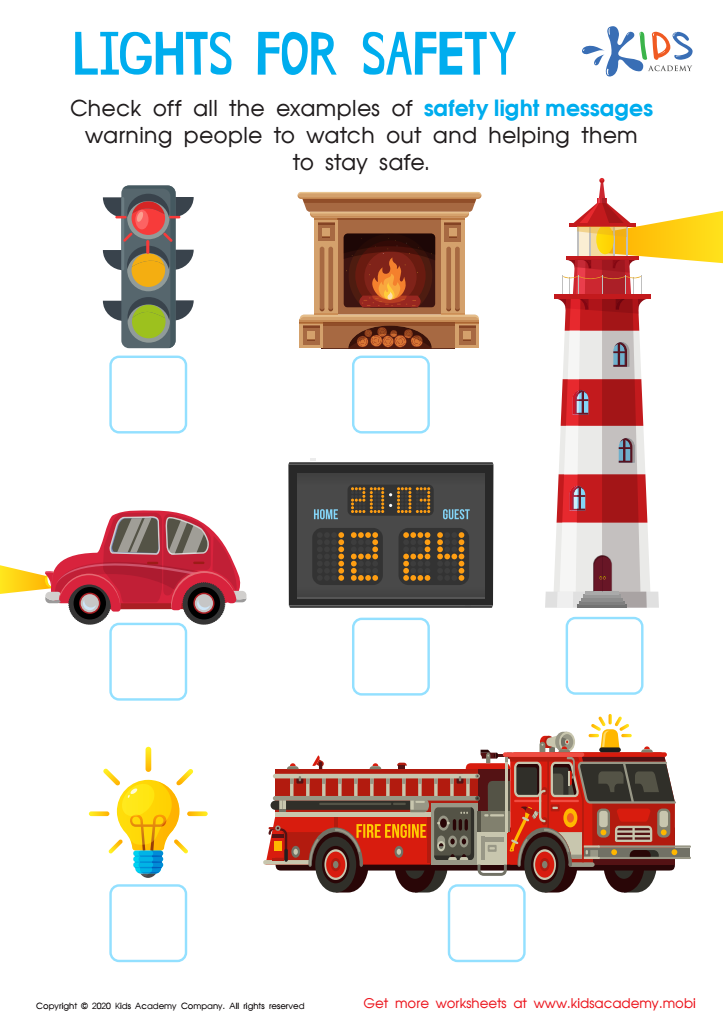
Lights for Safety Worksheet
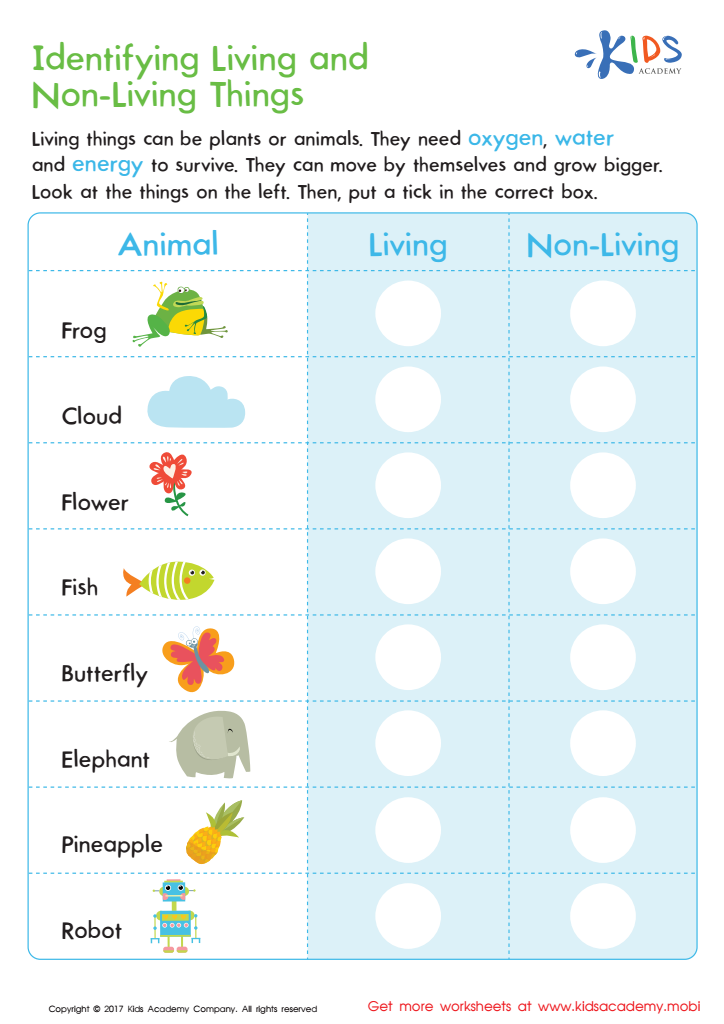
Identifying Living or Non–living Worksheet





.jpg)
.jpg)
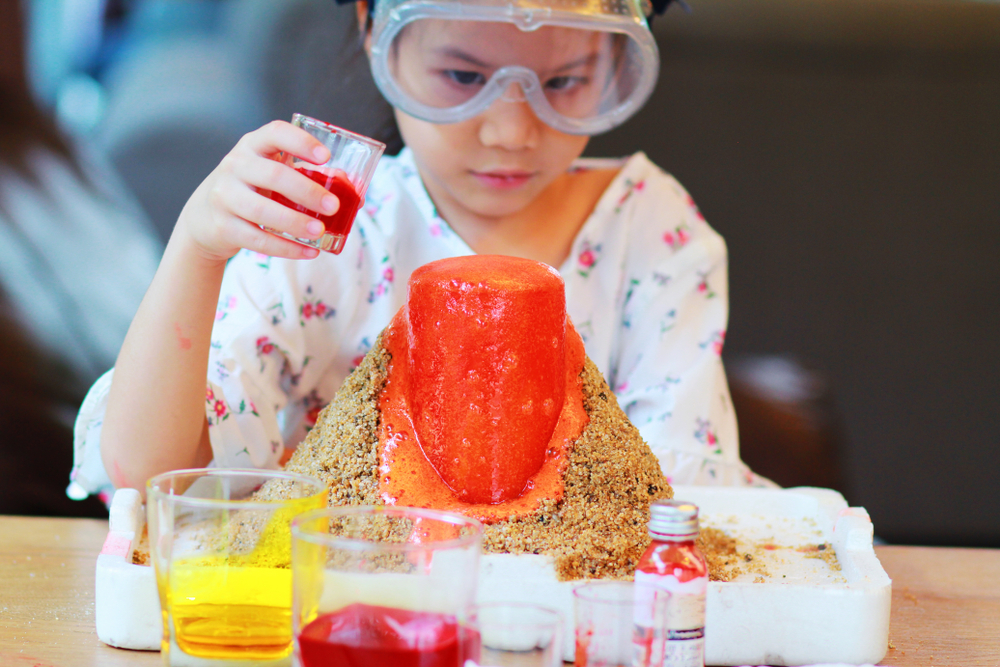
Critical thinking development in early childhood, particularly through the lens of “Normal Science,” is essential for parents and teachers to prioritize for children aged 5-6. At this formative stage, cognitive skills are rapidly developing, and nurturing critical thinking lays a foundation for lifelong learning. Normal Science emphasizes hands-on exploration and inquiry, allowing children to observe, hypothesize, test, and draw conclusions about the world around them.
Encouraging children's natural curiosity helps them engage in problem-solving and creative thinking. When parents and teachers foster environments that promote questioning and experimentation, they empower young learners to become independent thinkers. This critical approach enhances not only academic skills but also social and emotional development, as children learn to articulate thoughts and collaborate with peers.
Moreover, critical thinking equips children with essential life skills. It prepares them to navigate everyday challenges and make informed decisions. In a world increasingly reliant on technology and complex information, developing these skills early ensures that children become adaptable, resilient, and capable individuals. Overall, investing in critical thinking through Normal Science activities enriches students’ educational experiences, instills confidence, and lays the groundwork for future academic success and informed citizenship.







