Enhancing categorization skills Normal Science Worksheets for Ages 5-6
3 filtered results
-
From - To
Discover our "Enhancing Categorization Skills" Normal Science Worksheets designed specifically for children aged 5-6. These engaging worksheets offer a fun and interactive way for young learners to explore the world around them through categorization activities. By sorting objects based on various attributes, such as color, shape, and size, children will develop essential cognitive skills while fostering creativity and confidence. Our easy-to-use, printable worksheets align with early childhood education standards, making them perfect for teachers and parents alike. Dive into the joy of learning with unique science themes that nurture curiosity and promote critical thinking in your little ones today!
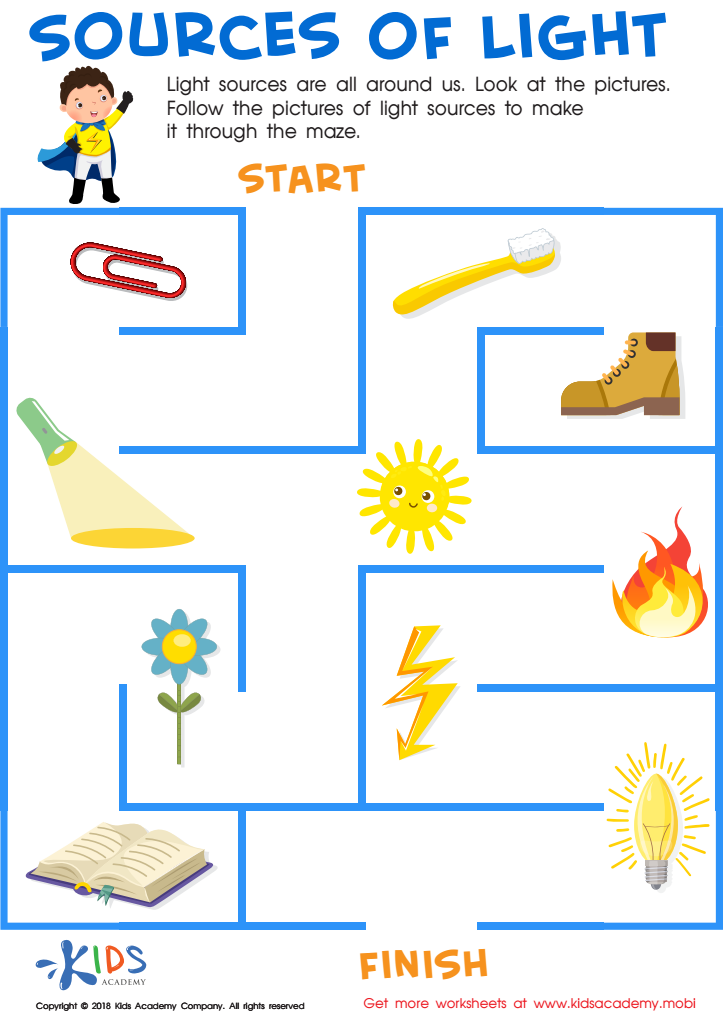
Sources of Light Worksheet
 Assign to My Students
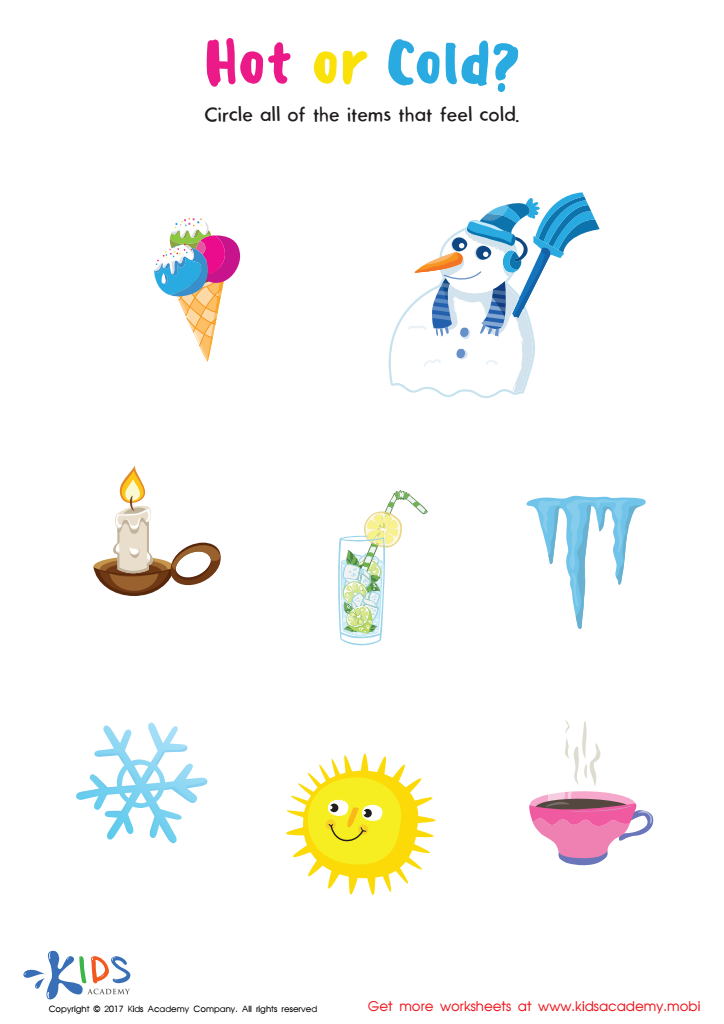
Hot or Cold Printable
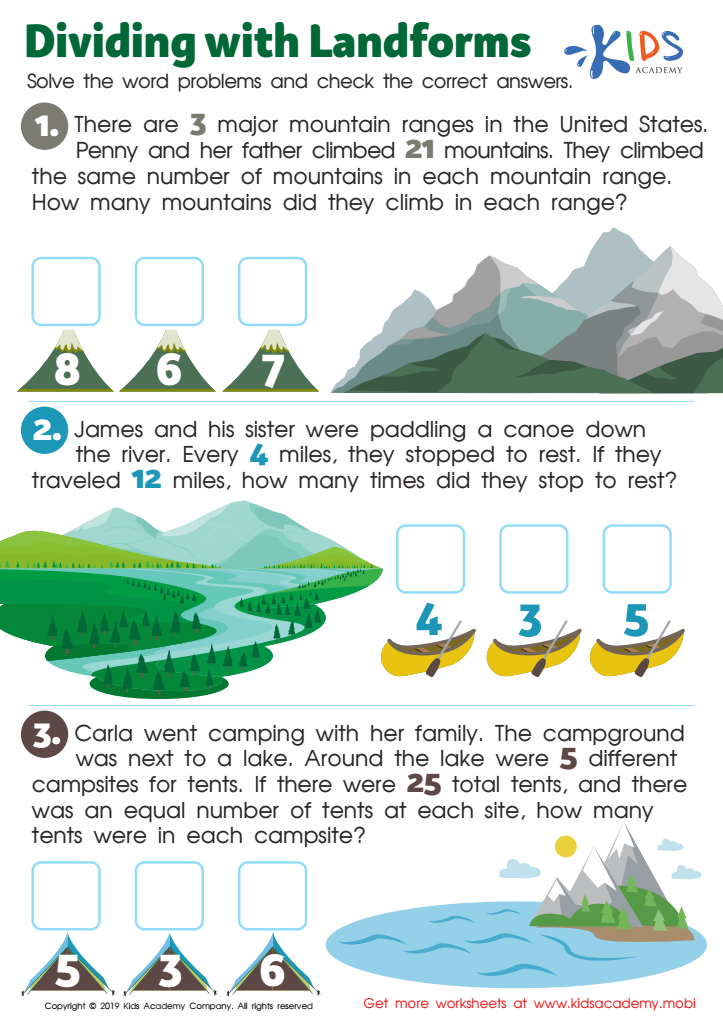
Dividing with Landforms



.jpg)
.jpg)



Enhancing categorization skills in young children, particularly in the context of normal science, is crucial for their cognitive development. At ages 5-6, children are at a pivotal stage where they begin to make sense of the world around them. Categorization helps them organize their experiences, facilitating learning and enhancing memory retention. By grouping items or ideas, children can identify similarities and differences, fostering critical thinking and problem-solving abilities.
Parents and teachers should care about this because strong categorization skills lay the groundwork for scientific reasoning. When children learn to categorize, they develop the ability to classify living things, objects, and phenomena, which is fundamental in scientific inquiry. For example, categorizing animals (mammals, reptiles, etc.) helps children understand ecosystems and biodiversity.
Moreover, these skills often translate to improved communication as children learn to articulate their reasoning and observations. By engaging in activities that promote categorization—such as sorting, grouping, and classifying—adults can nurture a child’s curiosity and enthusiasm for learning. Ultimately, boosting categorization skills not only aids in their academic journey but also equips them with essential life skills that foster independence and confidence in understanding their surroundings.







