Enhancing observation skills Normal Plants and Animals Worksheets for Ages 5-6
4 filtered results
-
From - To
Discover our "Enhancing Observation Skills: Normal Plants and Animals Worksheets" designed specifically for children aged 5-6! These engaging worksheets are perfect for nurturing young learners’ observational skills, encouraging them to explore the natural world around them. Through fun and interactive activities, kids will investigate various plants and animals, enhancing their ability to notice details and make connections. Each worksheet is carefully crafted to spark curiosity and foster a love for science. Ideal for classroom use or home learning, these resources provide a foundational understanding of biology while promoting critical thinking development. Inspire young minds and watch them flourish through exploration!
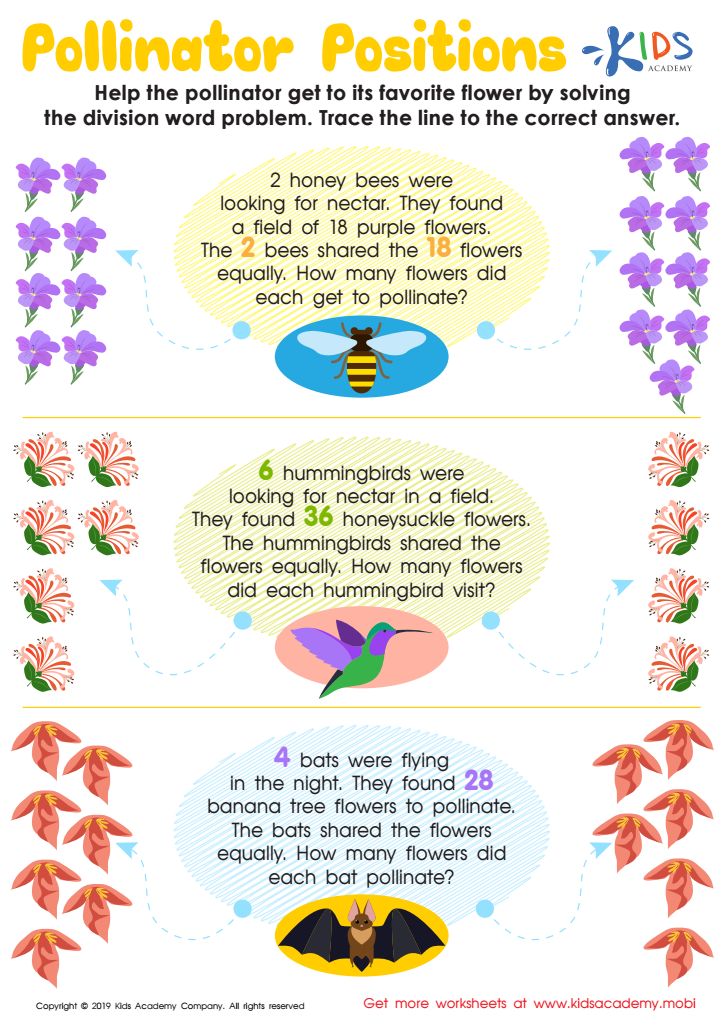
Pollinator Positions Worksheet
 Assign to My Students











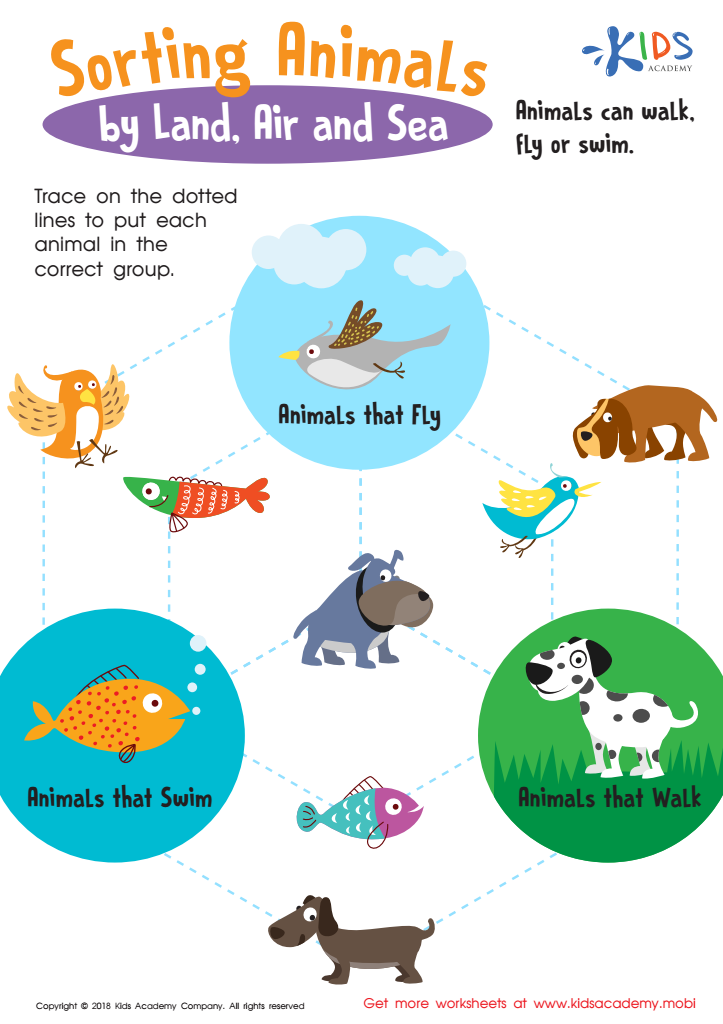
Sorting Animals by Land, Air and Sea Worksheet
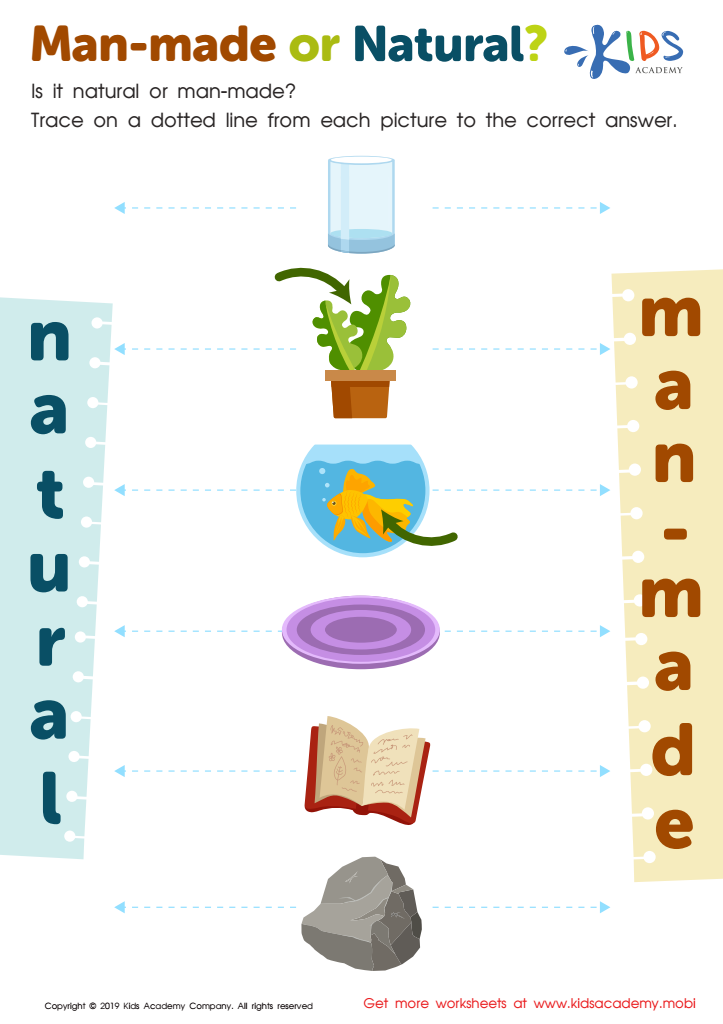
Man-Made or Natural? Worksheet
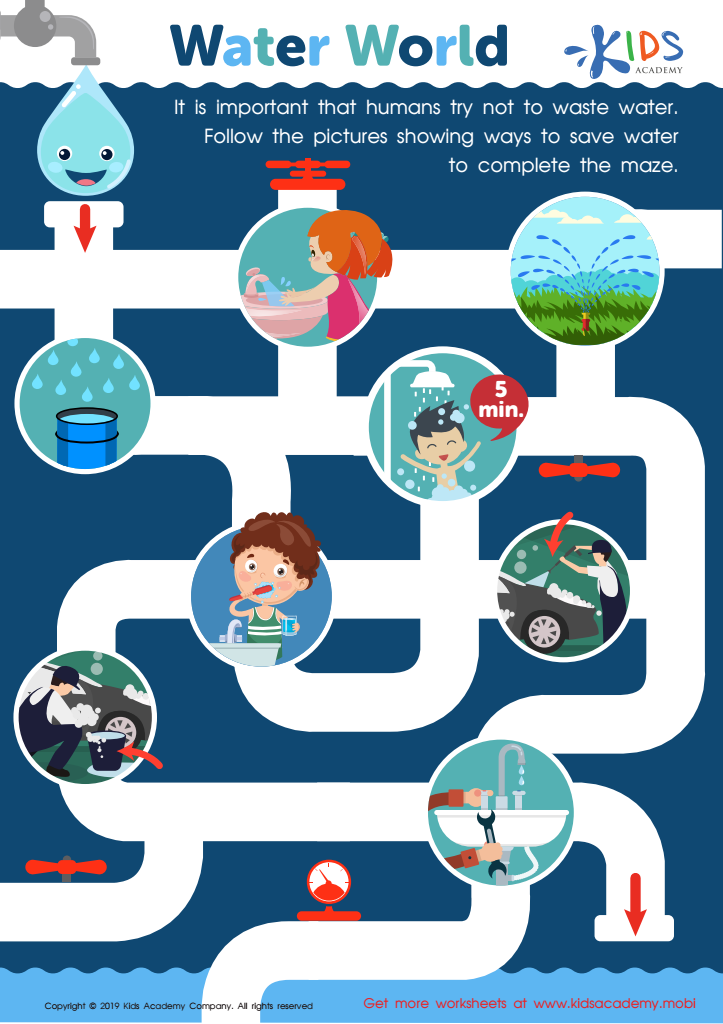
Water World Worksheet








Enhancing observation skills in young children, particularly concerning normal plants and animals, is crucial for their development and future learning. At ages 5-6, children are naturally curious, and this openness provides a prime opportunity to cultivate their observational abilities. Encouraging students to notice details about plants and animals fosters critical thinking and cognitive skills as they learn to categorize, compare, and describe their findings.
Furthermore, engaging with nature helps children build a strong connection to the environment, developing a sense of responsibility towards it. By learning about plants and animals, children also enhance their vocabulary and communication skills as they discuss their observations, which is foundational for later literacy development.
Observation skills not only reinforce scientific concepts but also nurture patience and attentiveness, qualities vital for lifelong learning. Moreover, as children engage in hands-on activities, they develop fine motor skills and learn to focus, which benefits their overall academic performance.
Ultimately, encouraging observation in natural settings creates meaningful educational experiences that spark a curiosity about the world. For parents and teachers, investing in enhancing these skills lays the groundwork for instilling a love for learning and an appreciation for the wonders present in everyday life.







