Building vocabulary Normal Community Worksheets for Ages 5-6
3 filtered results
-
From - To
Discover our engaging vocabulary-building worksheets tailored for kids aged 5-6 in the Normal Community series. Designed to enhance word skills and language development, these fun activities cover various social studies topics, making learning enjoyable and effective. Ideal for young learners, parents, and educators, each worksheet features vibrant illustrations and interactive exercises that promote understanding of community roles and concepts. Elevate your child's educational journey with our expertly crafted materials, perfect for fostering a strong vocabulary foundation and preparing them for future academic success. Visit our page today to jumpstart your child’s vocabulary growth!
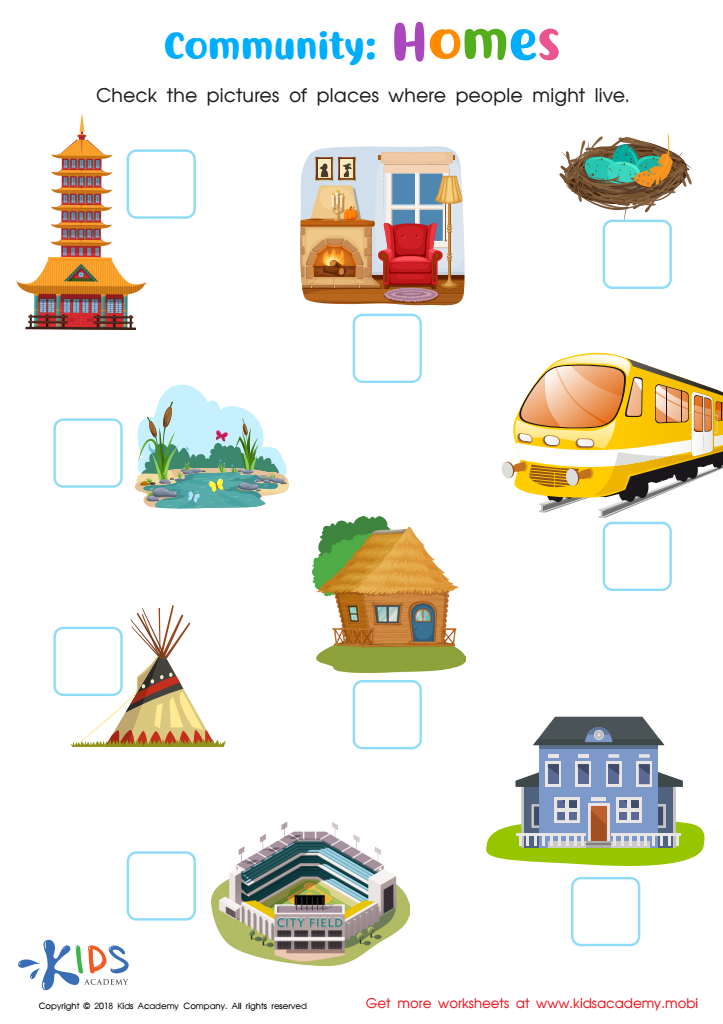
Community: Homes Worksheet
 Assign to My Students
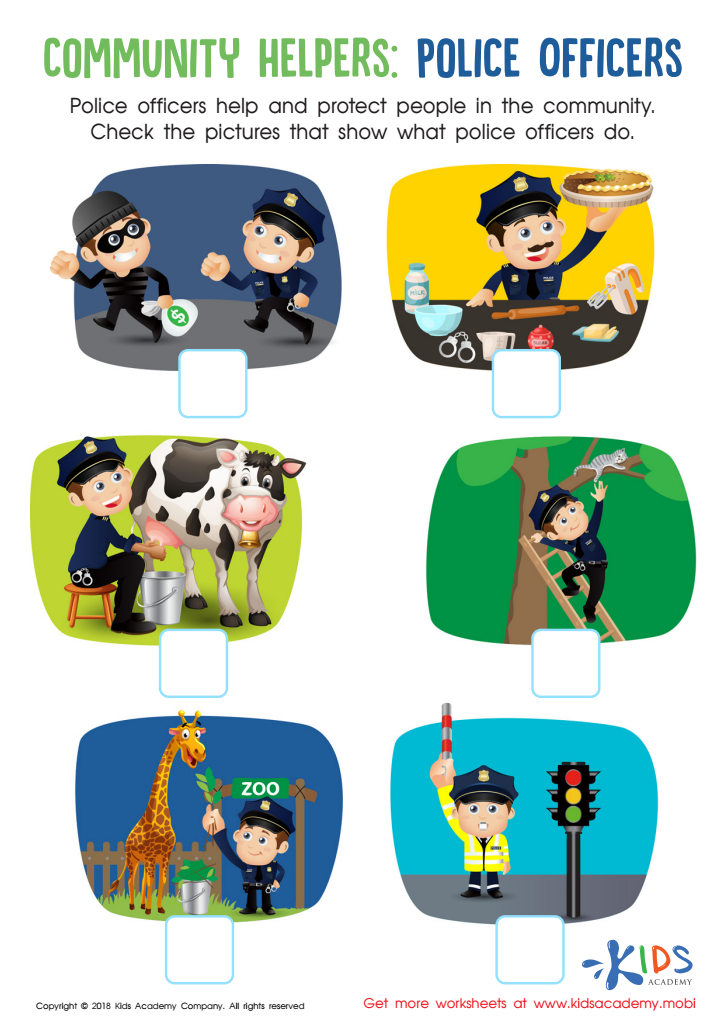
Police Officers Community Helpers Worksheet
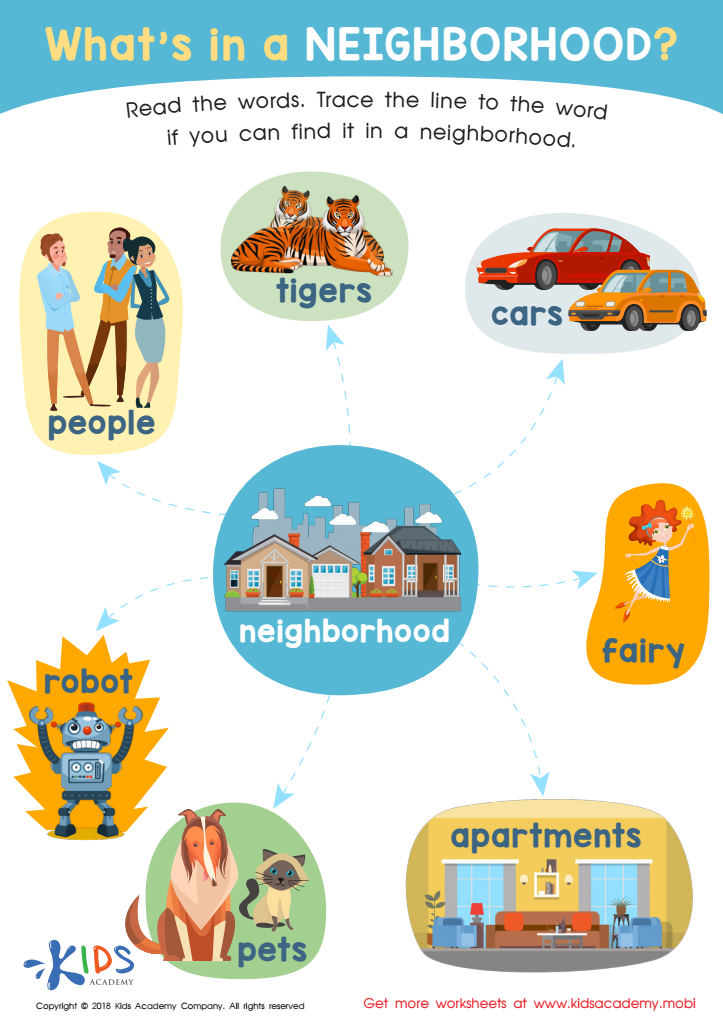
What's in a Neighborhood? Worksheet








Building a strong vocabulary in children aged 5-6 is crucial for several reasons. At this early stage, children are like sponges, absorbing new information rapidly. This period, known as the "critical years," significantly influences their cognitive and academic development. A robust vocabulary helps children express their thoughts and emotions more clearly, enhancing their communication skills.
Early vocabulary building is essential for reading comprehension. The more words children know, the easier it is for them to make sense of what they read. Strong vocabulary skills are directly linked to better academic performance. Studies show that children with an extensive vocabulary tend to perform better in school and enjoy learning more.
Additionally, vocabulary development fosters social skills. With a rich vocabulary, children can engage more effectively in conversations, improving their ability to make friends and work collaboratively in group settings. Teachers and parents play a pivotal role in creating a supportive environment where new words are regularly introduced through reading, storytelling, and everyday conversations.
In summary, concentrating on vocabulary development at ages 5-6 sets a strong foundation for a child's future academic success, enhances their communication abilities, and supports their social interactions, making it a critical focus for both parents and teachers.








