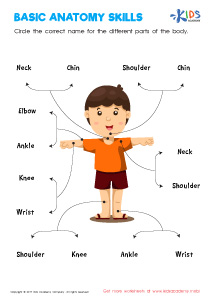
Weather identification Normal World Around Us Worksheets for Ages 5-6
3 filtered results
-
From - To
Explore our engaging "Weather Identification Normal World Around Us Worksheets" designed specifically for ages 5-6. These activities help young learners recognize weather patterns and understand how weather affects our world. Through colorful worksheets, children will identify sunny, rainy, snowy, and windy conditions, develop basic meteorology skills, and connect real-life weather observations to their daily experiences. Perfect for classrooms or home learning, our printable resources promote critical thinking, observation, and verbal description capabilities. Foster a love for science and nature while making learning fun and interactive for your little ones! Download now and start your weather adventure!
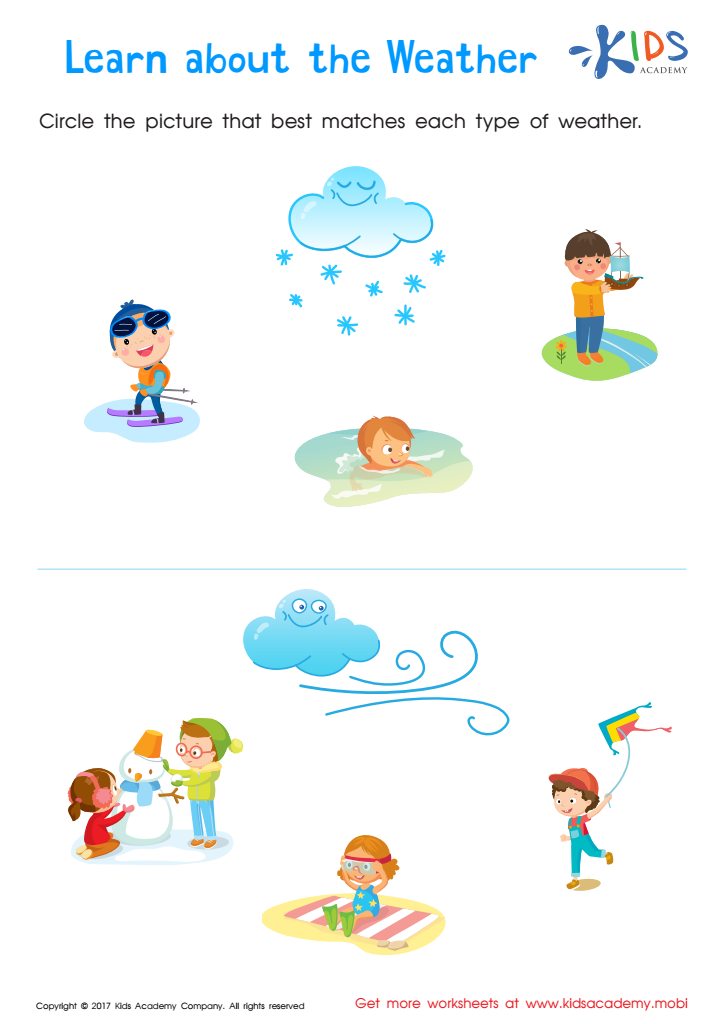
About the Weather Printable
 Assign to My Students
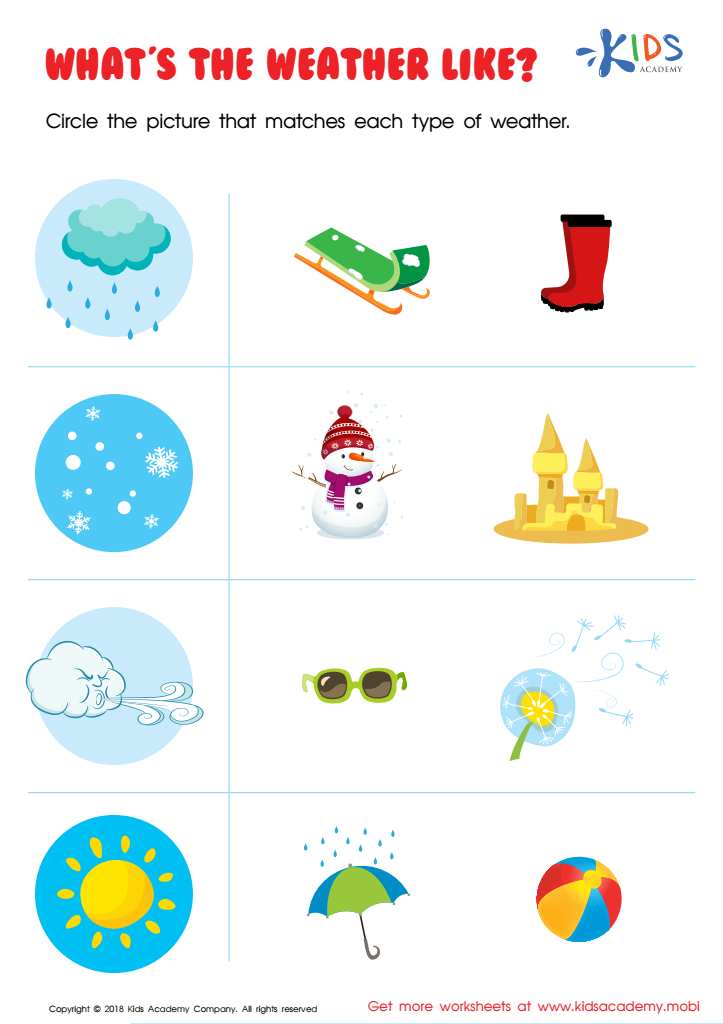
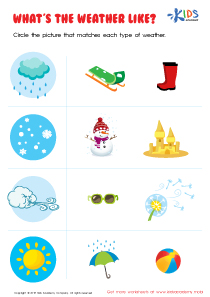
What's the Weather Like? Worksheet
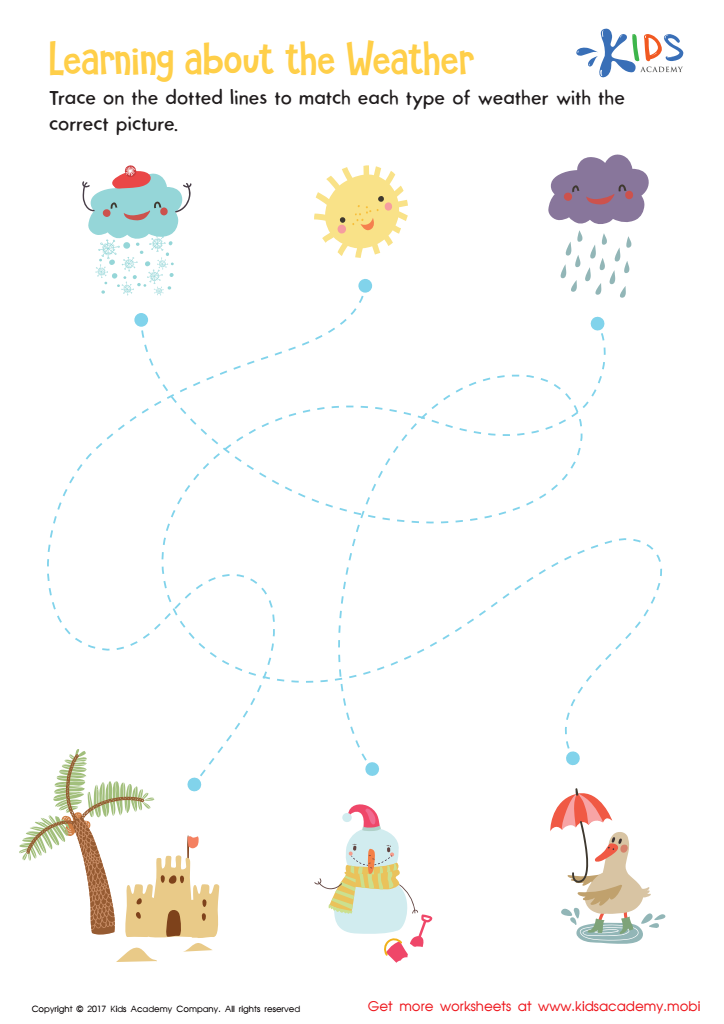








Understanding weather and its patterns is crucial for children aged 5-6 as it lays the foundation for broader scientific knowledge and environmental awareness. At this impressionable age, students are curious and eager to learn about the world around them. Parents and teachers introducing weather identification contribute to a child's cognitive and sensory development by integrating observational skills and critical thinking.
Weather impacts daily life, from the clothes we choose to wear to transportation and safety decisions. Teaching children about various weather conditions enables them to introspect and understand how and why things change in their environment. This knowledge encourages practical life skills and fosters a sense of responsibility toward planning and preparedness. Moreover, weather education can spark a child's interest in science, leading to a lifelong enthusiasm for learning and exploration.
By recognizing patterns such as sunny, rainy, windy, and snowy days, children develop early mathematical and analytical skills. Engaging activities like tracking daily weather or observing clouds not only enhance learning but are also fun and interactive. Overall, early weather identification encourages curiosity, equips children with essential life skills, and promotes a greater appreciation of the natural world, which is fundamental during these formative years.