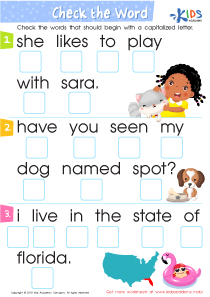
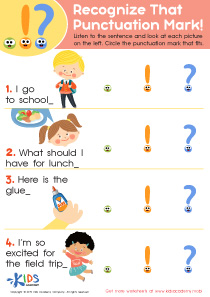
Fine Motor Skills Normal Writing Worksheets for Ages 5-6
7 filtered results
-
From - To
Discover engaging Fine Motor Skills Writing Worksheets designed for children ages 5-6! These printable activities focus on developing coordination and dexterity through fun, interactive exercises. Each worksheet encourages little hands to practice writing letters, tracing patterns, and forming shapes, fostering essential fine motor skills crucial for early writing proficiency. With colorful illustrations and age-appropriate challenges, young learners will delight in improving their grip and control while enhancing their creativity. Perfect for at-home learning or classroom activities, these worksheets provide a solid foundation for early literacy. Download now and support your child's journey toward confident and skillful writing!
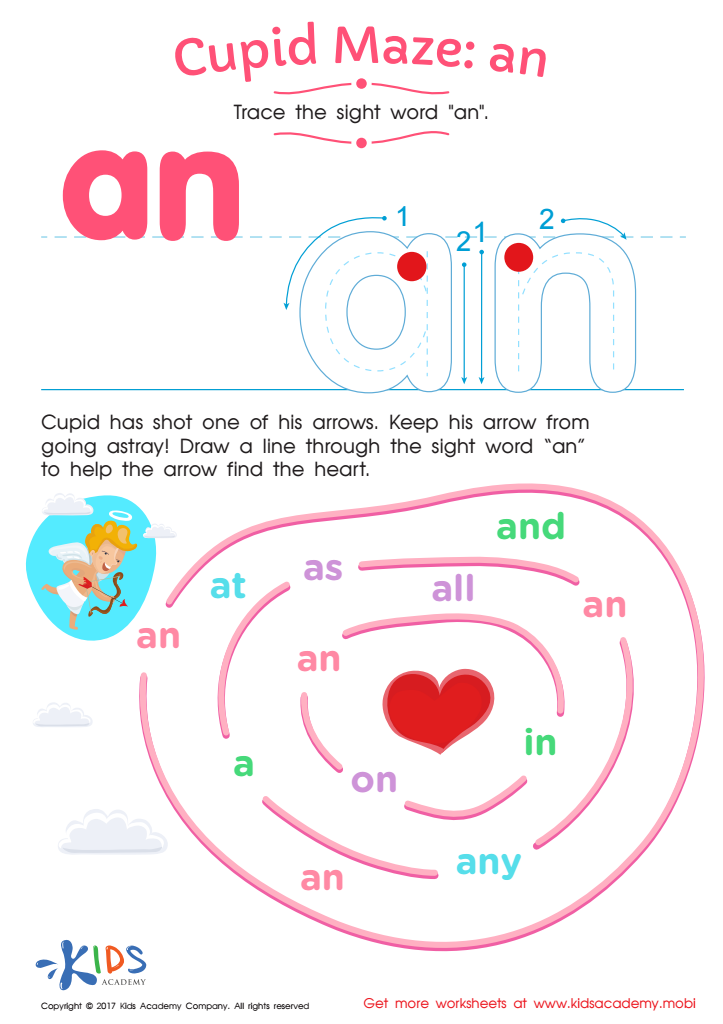
Cupid Maze: An Printable
 Assign to My Students

Snowman Tracing Winter Words Worksheet
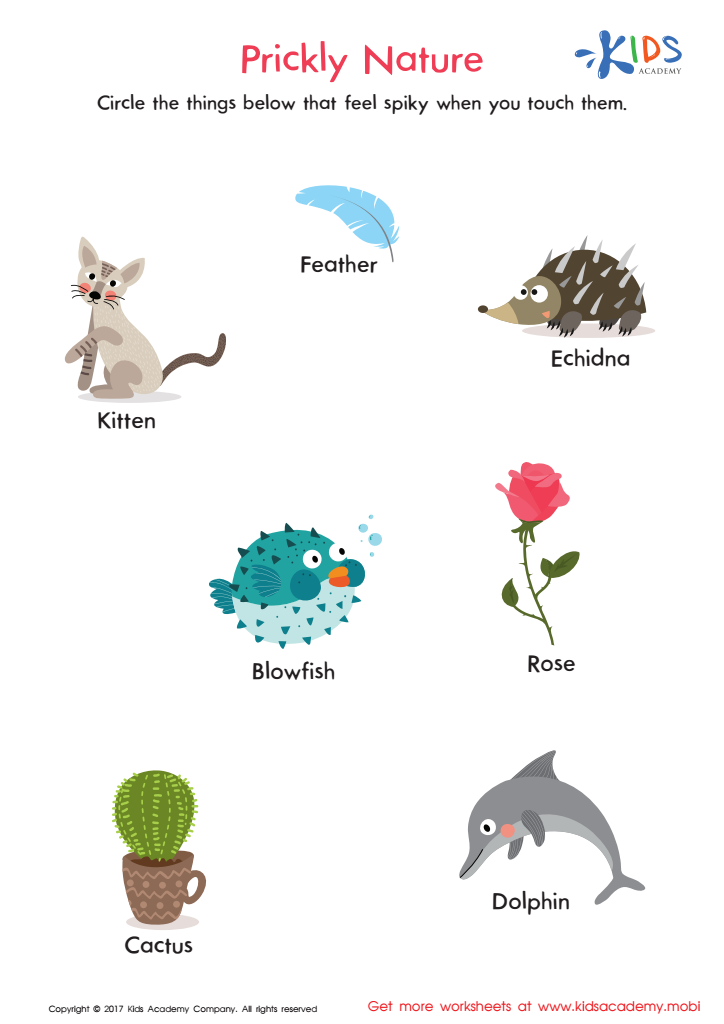
Prickly Nature Worksheet
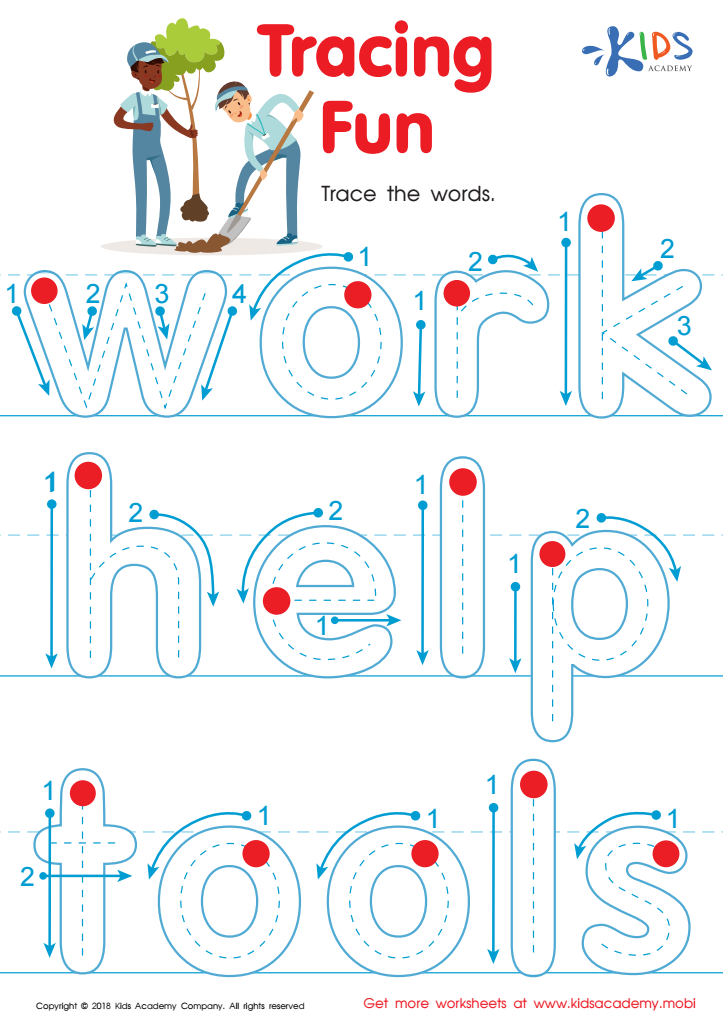
Tracing Fun Worksheet
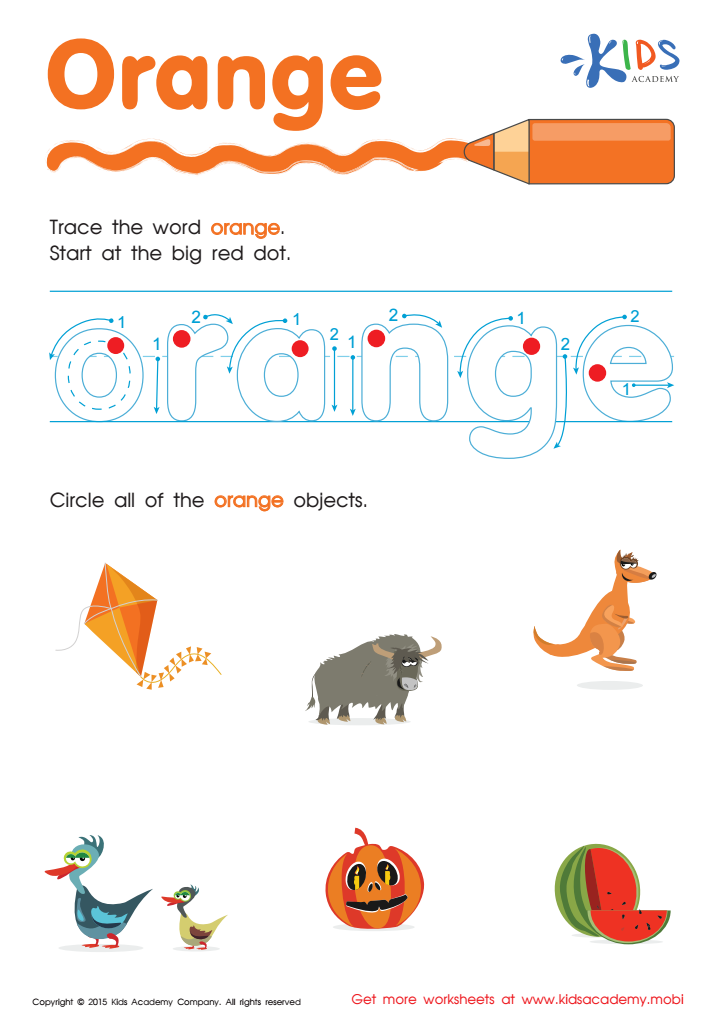
Orange Tracing Color Words Worksheet
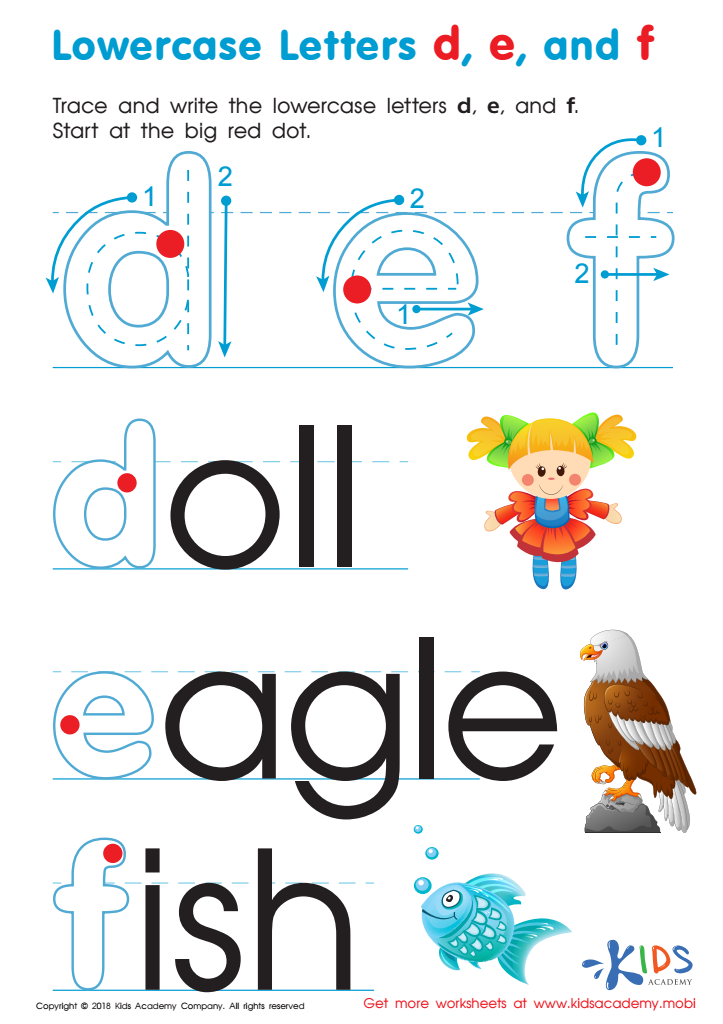
Lowercase Letters d e f Worksheet

White Tracing Color Words Worksheet








Fine motor skills are essential for children aged 5-6, as they lay the foundation for effective writing and overall academic success. At this developmental stage, children are transitioning from pre-writing skills to more organized forms of letter formation and written communication. Fine motor skills involve the coordination of small muscles in the hands and fingers, enabling tasks such as writing, drawing, cutting, and manipulating small objects.
Parents and teachers should care about normal writing development during these formative years because strong fine motor skills contribute to confidence in academic performance. Improved dexterity allows children to write legibly, which increases their ability to express thoughts and ideas on paper. Moreover, as children develop these skills, they are more likely to stay engaged during writing activities, positively impacting their learning experiences.
Additionally, fine motor development is linked to cognitive and social skills. Children who struggle with these skills may experience frustration, leading to a negative attitude toward school or learning in general. By nurturing fine motor skills, adults can promote not only writing proficiency but also a love for learning, collaboration, and creative expression. Monitoring and supporting normal writing development in this age group is key to fostering a supportive and proactive educational environment.