Filters

8 filtered results

Clear all filters
Favorites
With answer key
Interactive

8 filtered results

Difficulty Level

Grade


Boost your child's early reading skills with our Alphabet Recognition Normal ABC Order Worksheets, designed specifically for ages 5-7. These engaging, downloadable worksheets help young learners recognize, sequence, and write the alphabet in the correct order, laying a strong foundation for literacy. Kids will enjoy fun, interactive activities that are essential for mastering the basics of the alphabet, while parents and teachers can track progress effortlessly. Perfect for both classroom and at-home learning, these worksheets are an excellent resource to support your child's alphabet learning journey. Help your child gain confidence and excel in their early education.

Check out this FREE Trial Lesson on ABC Order for age 5-7!

M

Favorites
With answer key
Interactive
  • 5-7
  • Alphabet Recognition
  • ABC Order
  • Normal
Letter O worksheets
Letter O worksheets

Letter O Tracing Page

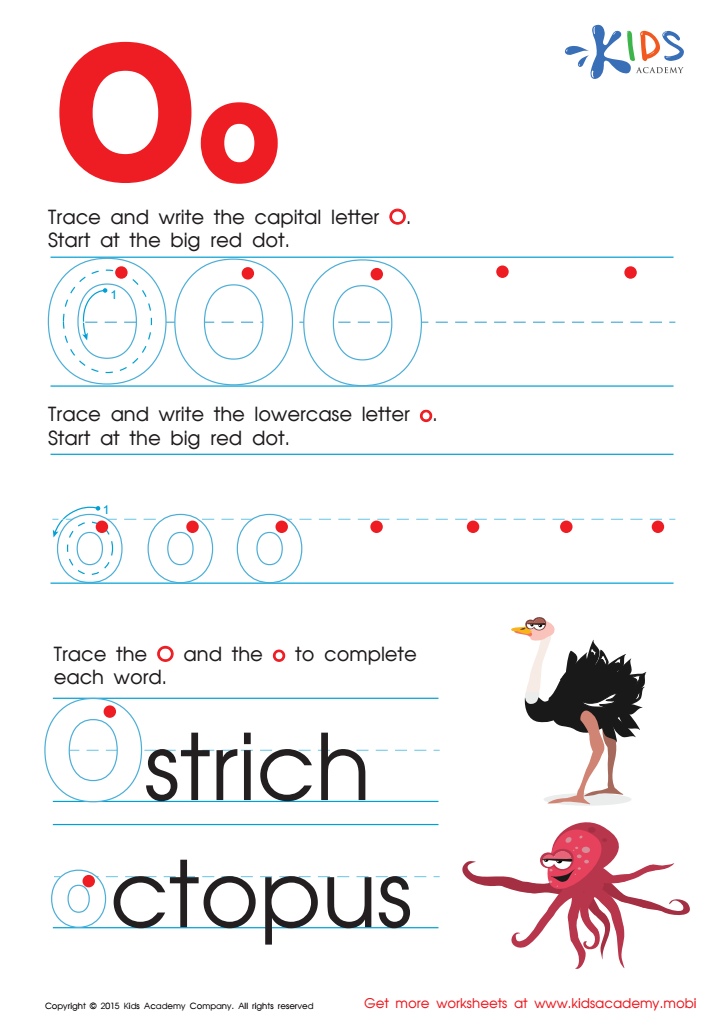
Practice writing the letter "O" with our new worksheet. Trace and write the letter several times, starting at the red dot. First do the uppercase letter, then the lowercase. Use the pictures to complete the words "Ostrich" and "octopus". Kids Academy offers more fun alphabet worksheets.
Letter O Tracing Page
Worksheet
Letter I worksheets
Letter I worksheets

Letter I Tracing Page

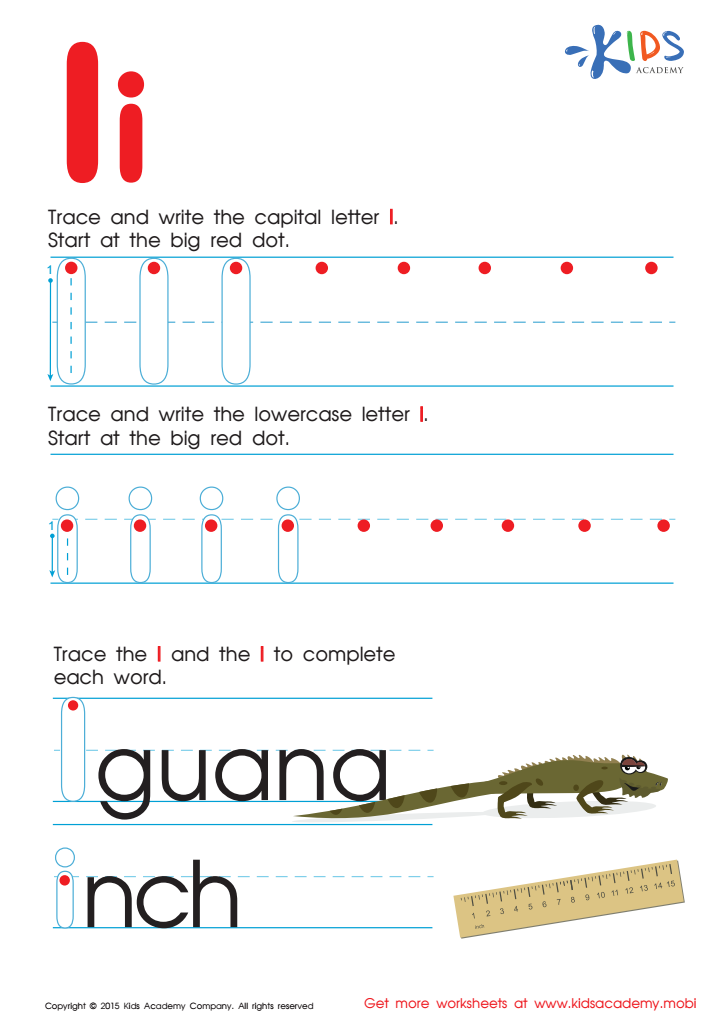
Trace and write "I" uppercase and lowercase. An iguana's tail looks like the uppercase "I" and the lowercase "i" is as small as an inch. Make learning fun with Kids Academy worksheets.
Letter I Tracing Page
Worksheet
letter C worksheets
letter C worksheets

Letter C Tracing Page

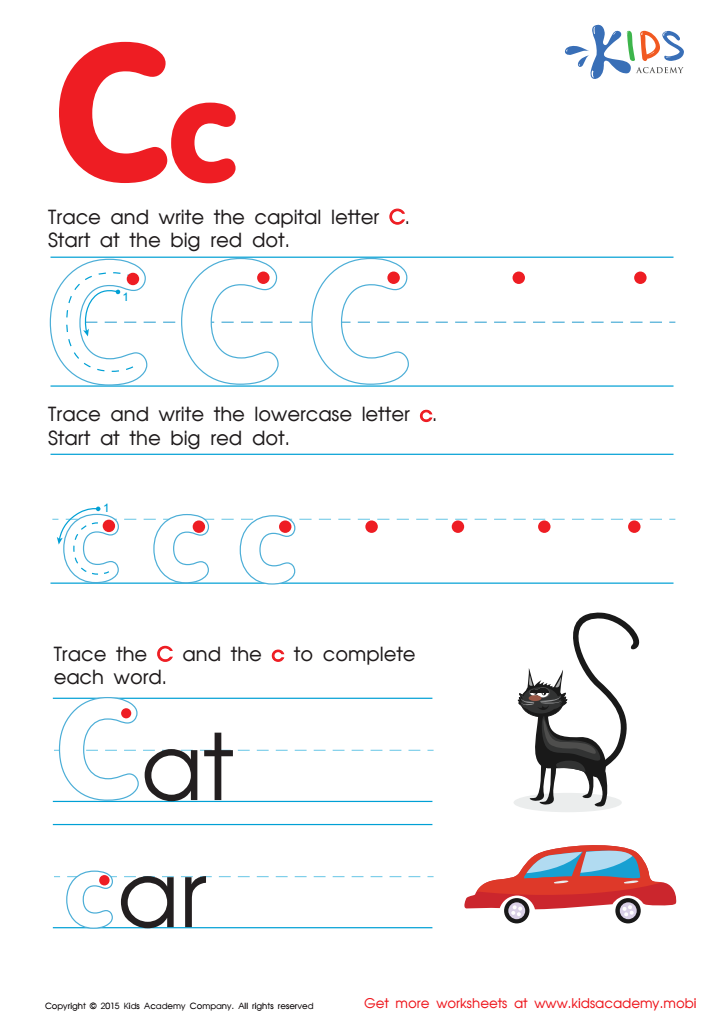
Trace and write the letter 'C'! Put the pencil at the red dot then follow the lines – the capital letter first then the lowercase one. Cats love it and so will you! Get more free printables to practice tracing and writing.
Letter C Tracing Page
Worksheet
Letter М worksheets
Letter М worksheets

Letter M Tracing Page

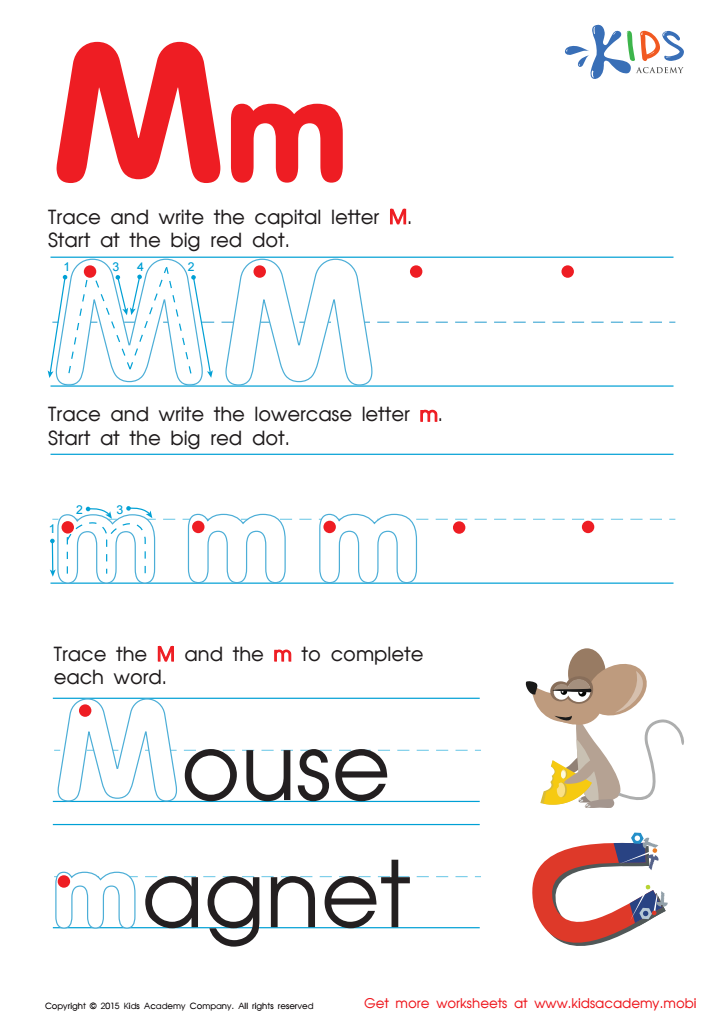
Trace and write the letter "M" to help kids learn the alphabet. Start at the red dot and practice several times. Trace the capital letter first, then move on to the lowercase. Complete words like "mouse" and "magnet" in the further exercise. Get more free printables here.
Letter M Tracing Page
Worksheet
Letter J worksheets
Letter J worksheets

Letter J Tracing Page

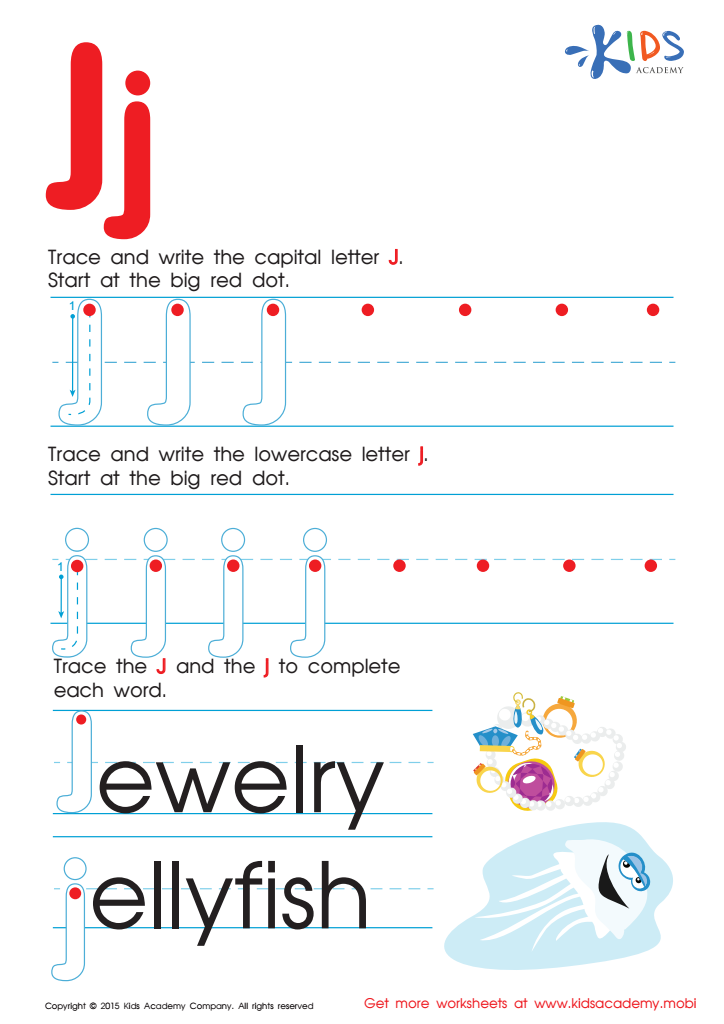
Trace and write the letter "J" with our ABC worksheet - start at the big red dot! Have fun completing words like jewelry, jellyfish and more. Check out our kindergarten activities for more alphabet practice.
Letter J Tracing Page
Worksheet
Letter N worksheets
Letter N worksheets

Letter N Tracing Page

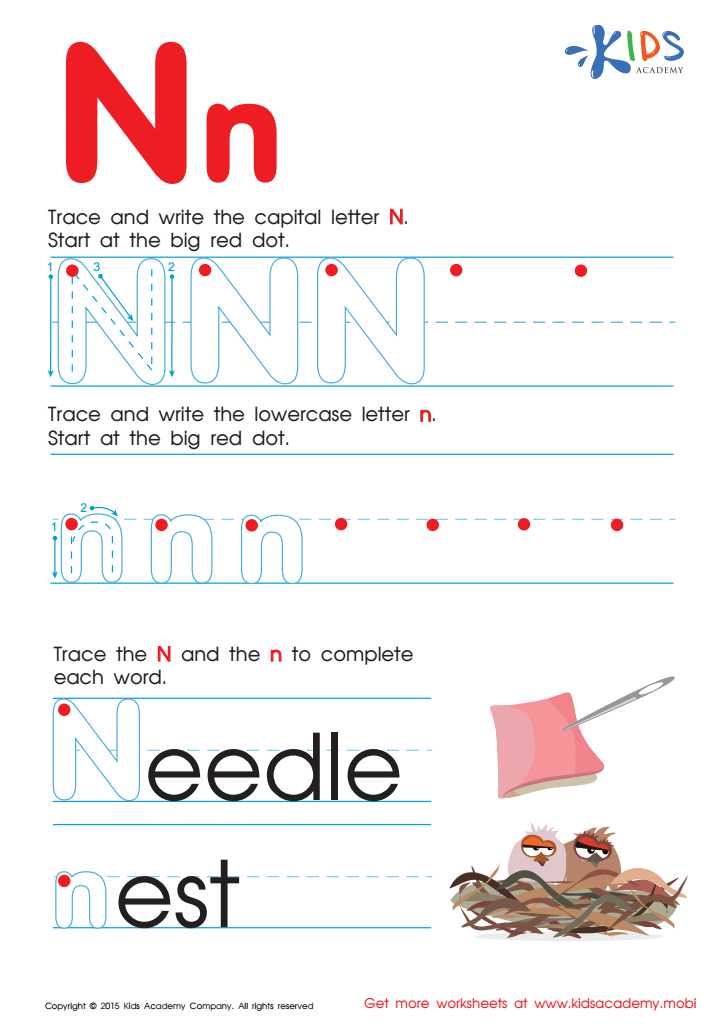
Trace and write capital "N" and lowercase "n" several times. Then try forming words like "needle" and "nest". Master letter writing with Kids Academy's collection of ABC worksheets for kindergarten.
Letter N Tracing Page
Worksheet
letter b worksheets
letter b worksheets

Letter B Tracing Page

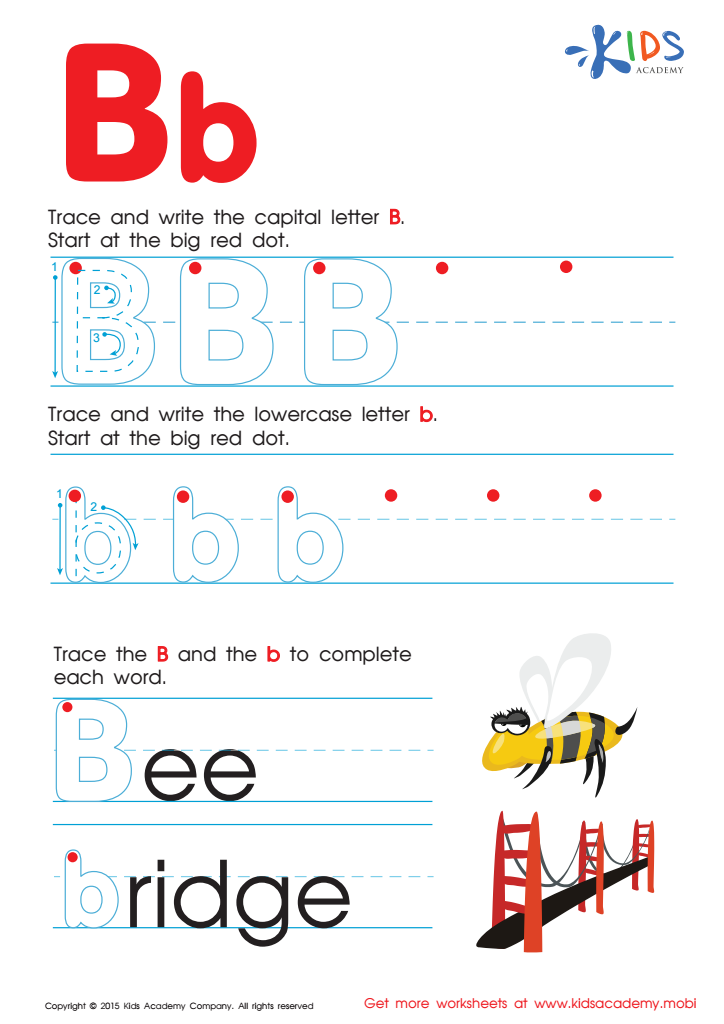
Ready to learn the Alphabet? Put your pencil on the red dot and trace & write both capital & lowercase "B". Then have a look at the pictures. Catch the bee, cross the bridge & write the letters to complete the words. More ABC worksheets for kindergarten available!
Letter B Tracing Page
Worksheet
letter e worksheets
letter e worksheets

Letter E Tracing Page

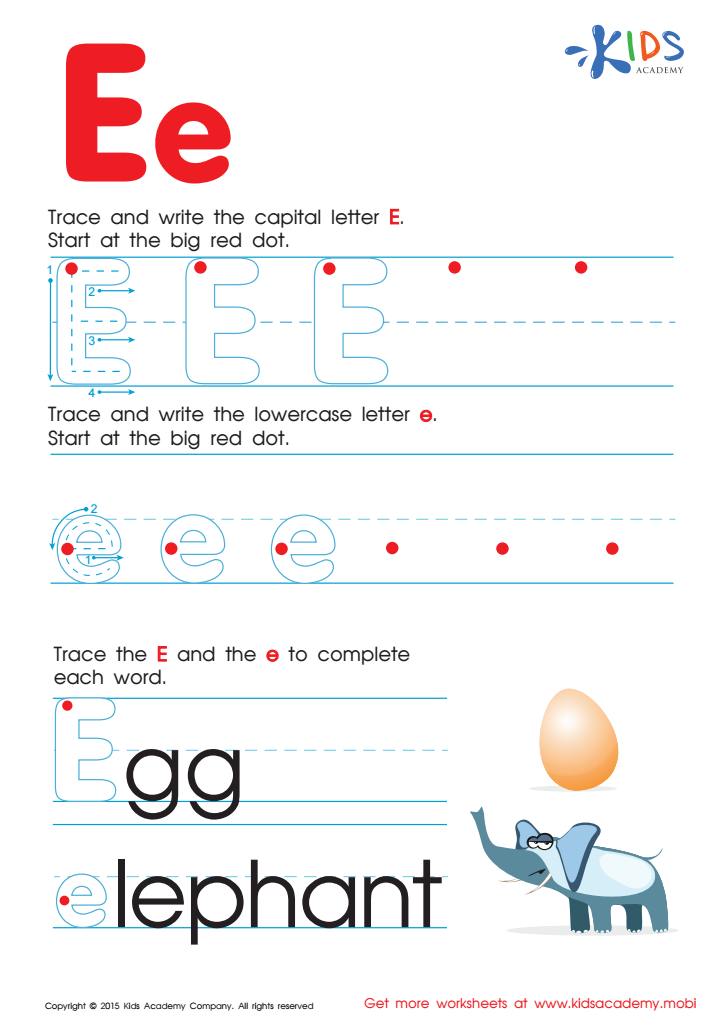
Trace and write the uppercase and lowercase "E" starting at the big red dot. Complete words to perfect letter writing. Egg and Elephant must be written carefully. More alphabet worksheets for kindergarten are available for download to spend more time with your children learning.
Letter E Tracing Page
Worksheet


Alphabet recognition in the normal ABC order for ages 5-7 is foundational for literacy and cognitive development. Parents and teachers should prioritize this skill because it underpins early reading and writing abilities. At this age, children are at a critical developmental stage where they can easily absorb and retain new information. Recognizing the alphabet helps them understand the relationship between letters and sounds, which is crucial for phonemic awareness—a key predictor of future reading success.

Moreover, knowing the ABC order aids in organizing and categorizing information, skills essential for academic achievement across all subjects. It also fosters confidence; children who master the alphabet feel more comfortable and independent when engaging with books and educational materials. This confidence, in turn, cultivates a positive attitude toward learning.

From a practical perspective, nearly all educational activities, from reading to playing games, often rely on alphabet knowledge. Alphabet recognition assists children in searching for information, digesting educational content, and even in digital literacy, as most technologies use alphabetical input systems.

In sum, focusing on alphabet recognition for young learners sets the stage for effective communication skills, academic growth, and a lifelong love of learning, making it a critical area of focus for both parents and educators.