Phonics practice Normal Beginning Sounds Worksheets for Ages 5-7
5 filtered results
-
From - To
Our engaging Phonics Practice: Normal Beginning Sounds Worksheets are perfect for young learners ages 5-7. These expertly crafted worksheets help kids master the foundational skill of identifying beginning sounds, a critical step in early reading development. Each activity features vibrant illustrations and fun exercises designed to make learning enjoyable and effective. Ideal for the classroom and home, our worksheets support children in recognizing letter sounds and building their reading confidence. Help your child or students develop strong phonics skills and set them on the path to reading success with our comprehensive practice worksheets!
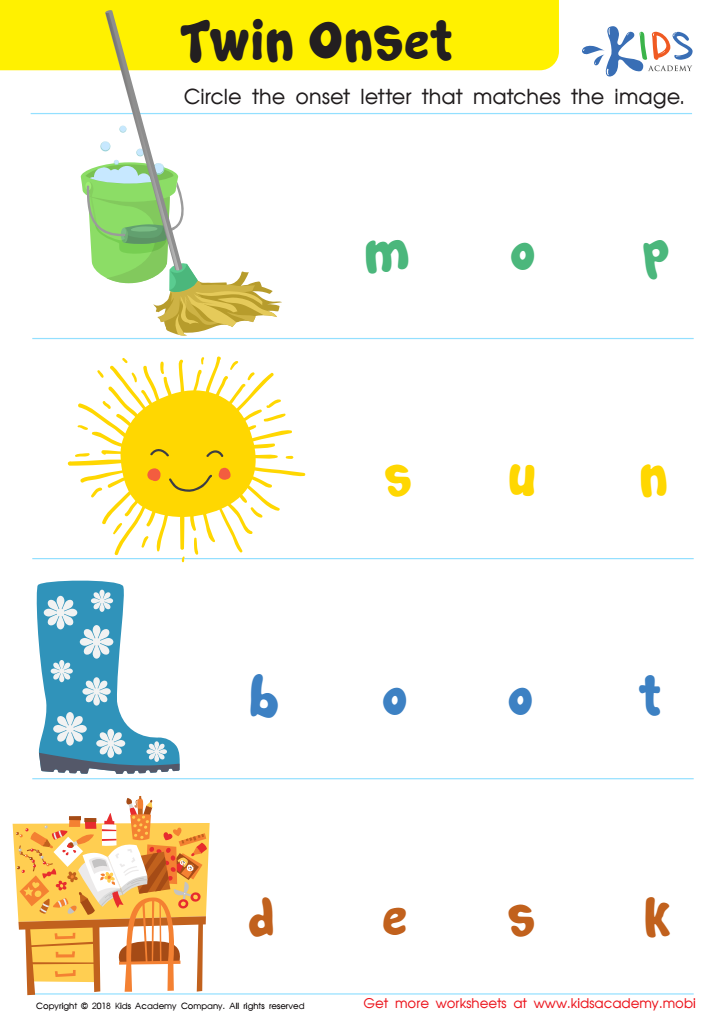
Twin Onset Worksheet
 Assign to My Students
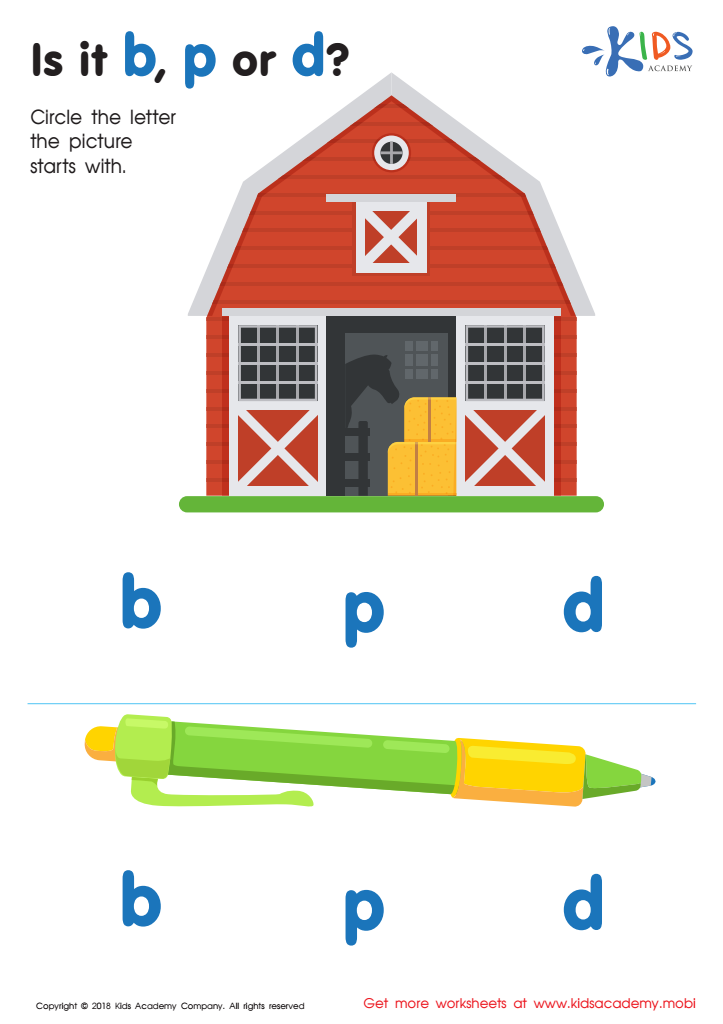
Is it b, p or d? Worksheet
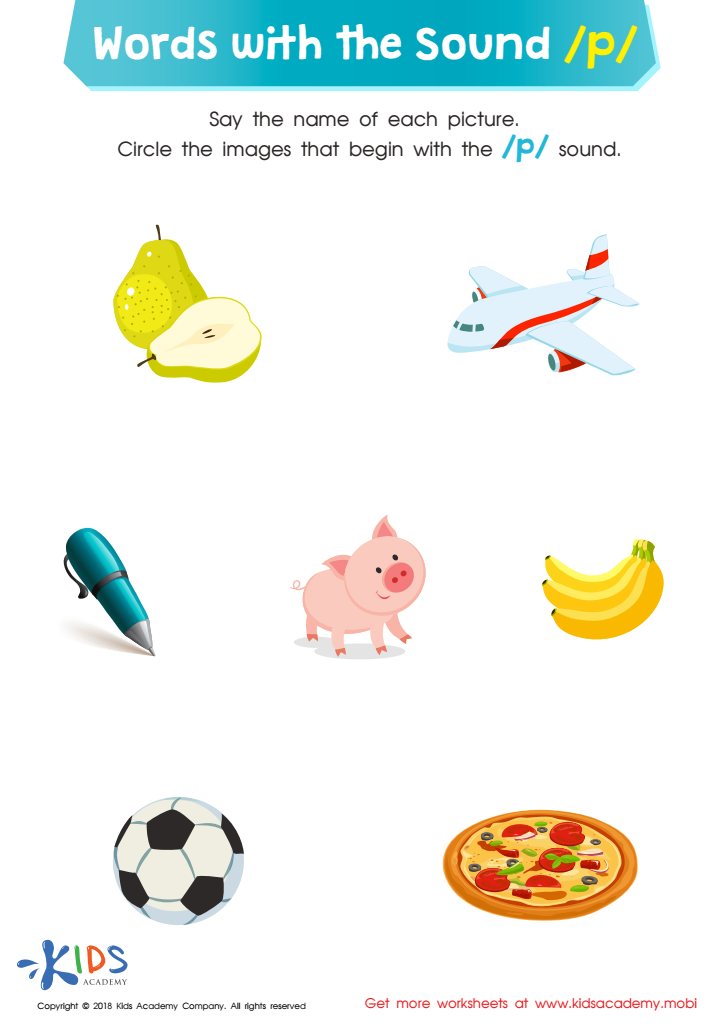
Words with sound p Reading Worksheet
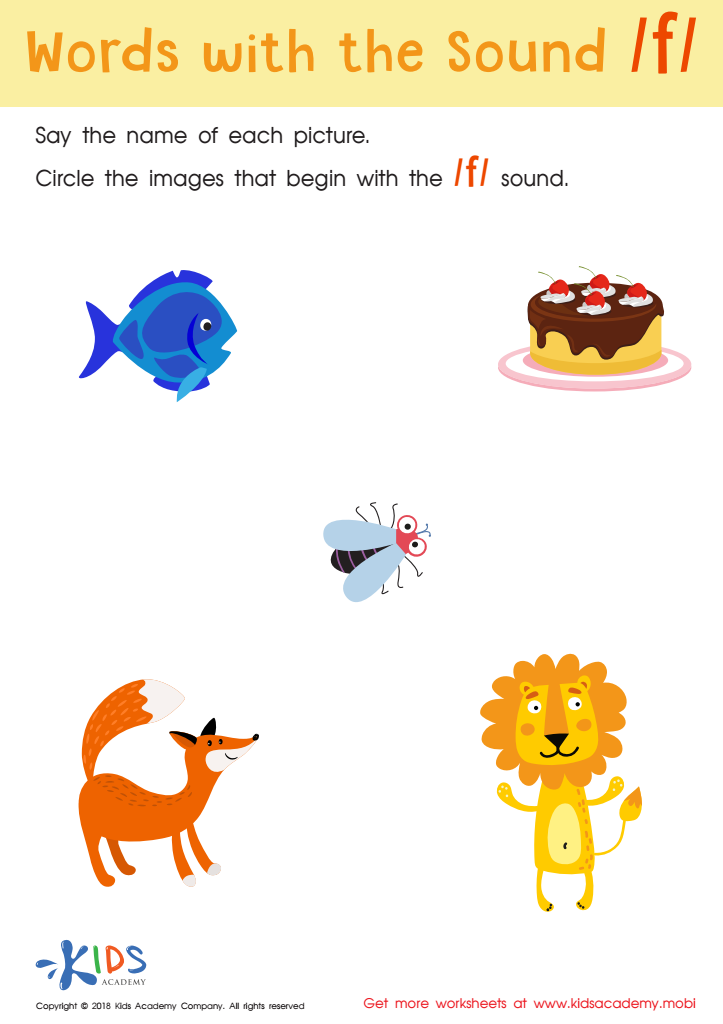
Words with sound f Reading Worksheet
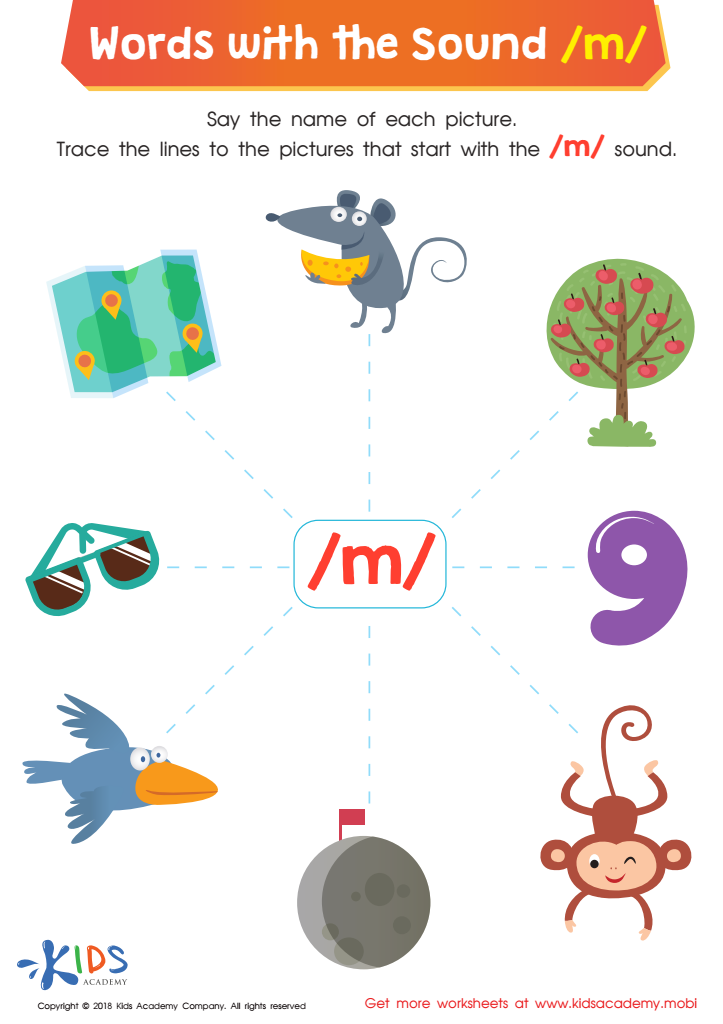
Words with Sound M Reading Worksheet








Phonics practice, specifically focusing on beginning sounds, is crucial for children aged 5-7 because it lays the foundation for effective reading and writing skills. At this developmental stage, children start recognizing that letters represent sounds, a cornerstone of the alphabetic principle. By practicing beginning sounds—identifying the initial consonant and vowel sounds in spoken words—children build phonemic awareness. This foundational skill enables them to decode words more accurately, an essential step towards fluent reading.
Parents and teachers who engage children in phonics activities help them form connections between spoken and written language. This not only improves reading proficiency but also boosts spelling capabilities as children learn to segment and blend sounds. Focusing on beginning sounds specifically promotes the ability to differentiate between similar-sounding words, thereby enhancing listening skills and vocabulary.
Moreover, mastering phonics at an early age can increase a child's confidence and motivation towards learning. Activities such as matching games, rhyming exercises, and storytime with sound emphasis can make learning engaging and fun, thus fostering a positive association with reading. Therefore, consistent phonics practice for young children provides the necessary tools for long-term academic success and a lifelong love of reading.







