Vocabulary expansion Normal Consonants Worksheets for Ages 5-7
4 filtered results
-
From - To
Enhance your child's language skills with our Vocabulary Expansion Normal Consonants Worksheets designed specifically for ages 5-7. These engaging worksheets focus on introducing and reinforcing consonant sounds through fun activities that promote vocabulary development. Children will enjoy colorful illustrations and interactive exercises, making learning enjoyable and effective. Our resources encourage phonemic awareness, comprehension, and retention, fostering a solid foundation in reading and communication. Ideal for homeschooling parents, educators, or supplementary practice at home, these worksheets will help your young learners gain confidence in their vocabulary while mastering normal consonants. Start their language journey today!
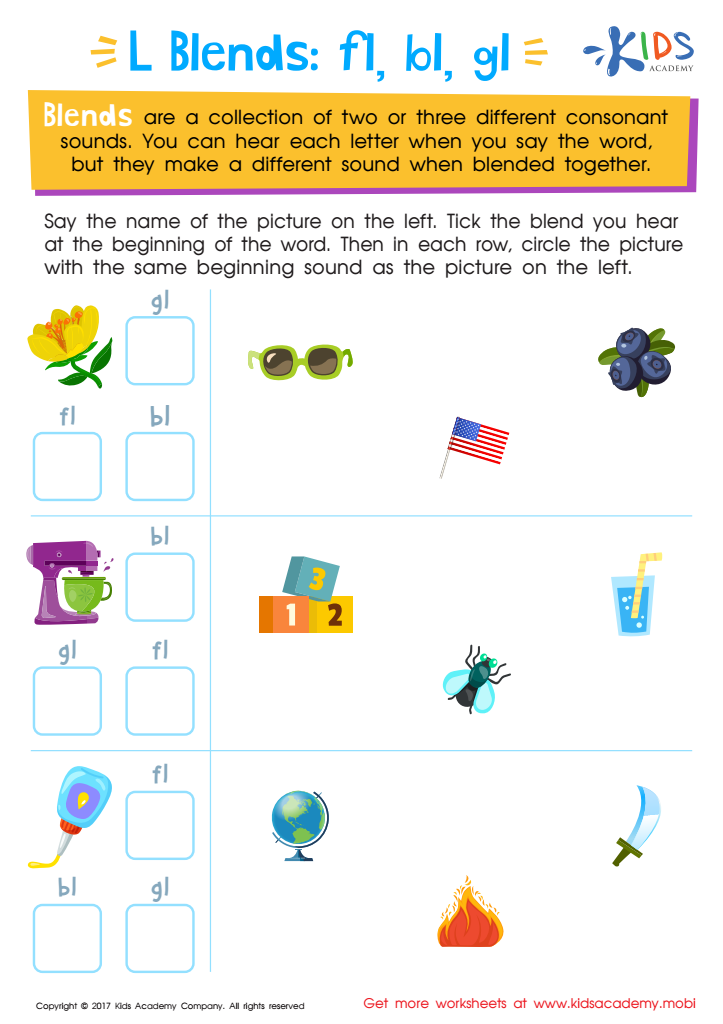
Blending Consonants: "Fl", "Bl" and "Gl" Printable
 Assign to My Students
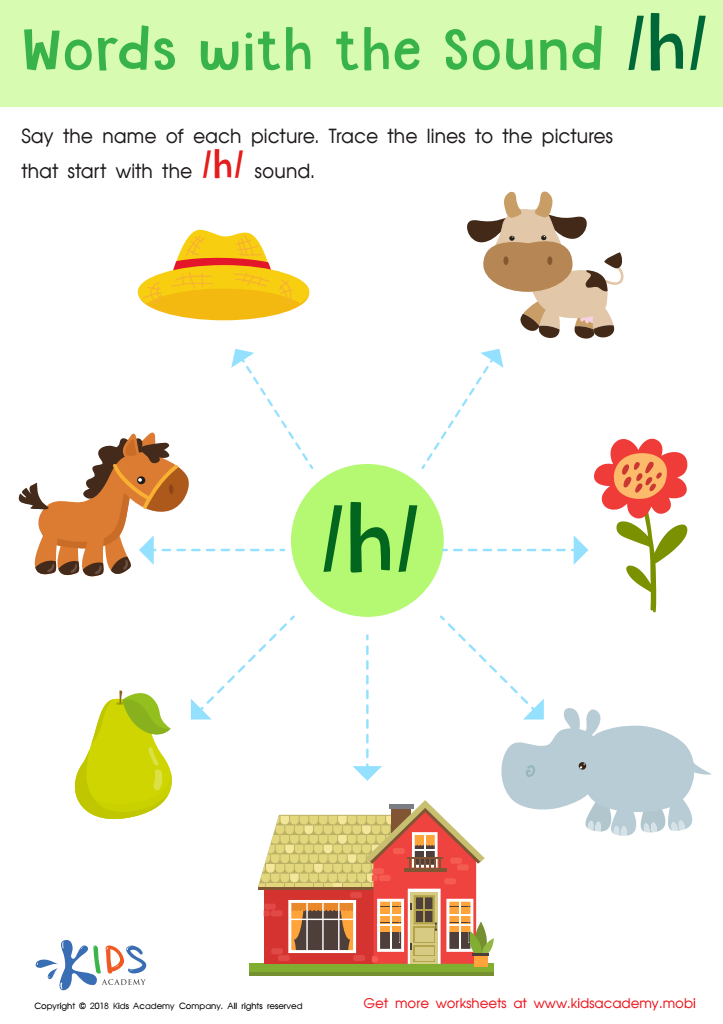
Words with sound h Reading Worksheet
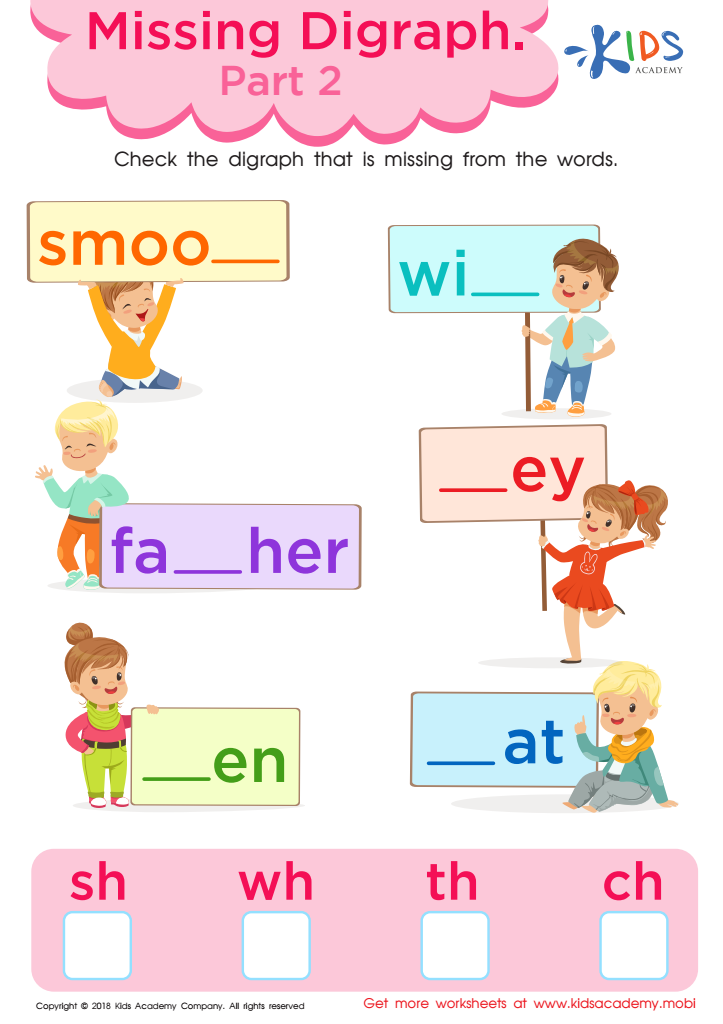
Missing Digraph: Part 2 Worksheet
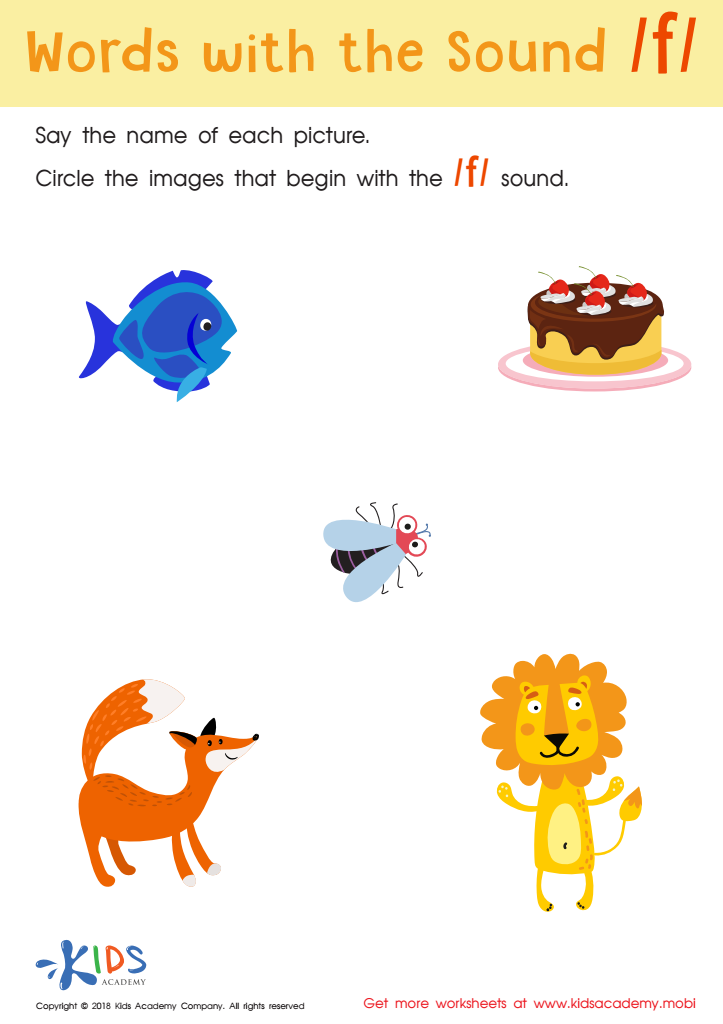
Words with sound f Reading Worksheet



Vocabulary expansion is crucial for children aged 5-7, as it forms the foundation for effective communication and academic success. Understanding and using normal consonants is integral to this process. At this age, children are developing phonemic awareness—the ability to recognize and manipulate sounds in language—which is essential for reading and spelling.
Parents and teachers should care about vocabulary expansion involving normal consonants because a rich vocabulary enhances reading comprehension and fluency. Children who know more words can better express their thoughts and understand others, fostering effective social interactions and building their confidence. As these young learners encounter new words, they are also developing critical thinking skills and broadening their worldviews.
Additionally, strong early vocabulary skills are linked to lifelong educational outcomes. A robust vocabulary can influence future academic performance, as it aids in understanding complex texts across various subjects. By focusing on vocabulary expansion that includes normal consonants, parents and teachers can equip children with the tools they need for success, both inside and outside the classroom. Engaging children with language-rich activities, such as storytelling, discussions, and interactive games fosters curiosity and lays the groundwork for their continued growth in language and literacy.






