Handwriting practice Normal Alphabet Worksheets for Ages 5-7 - Page 2
37 filtered results
-
From - To
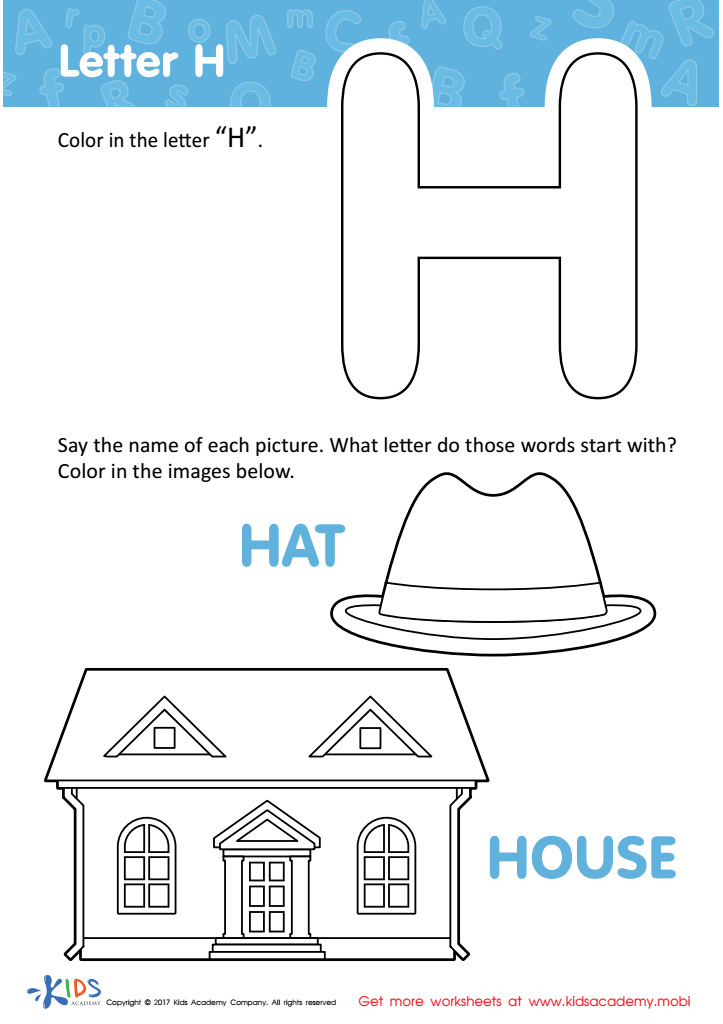
Letter H Coloring Sheet
 Assign to My Students
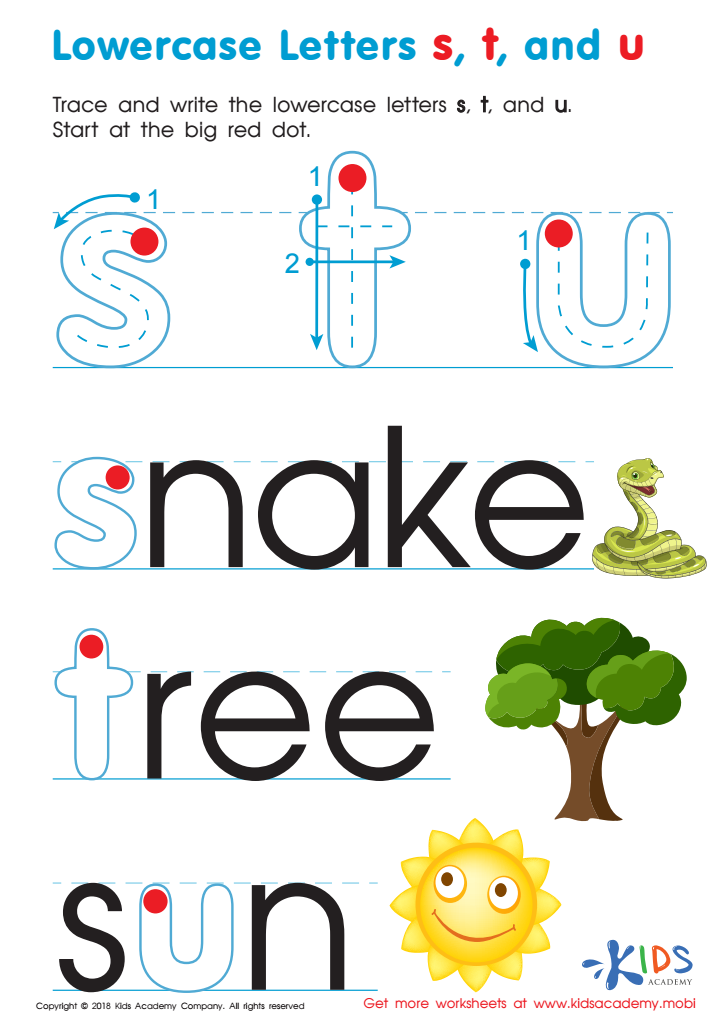
Lowercase Letters s t u Worksheet
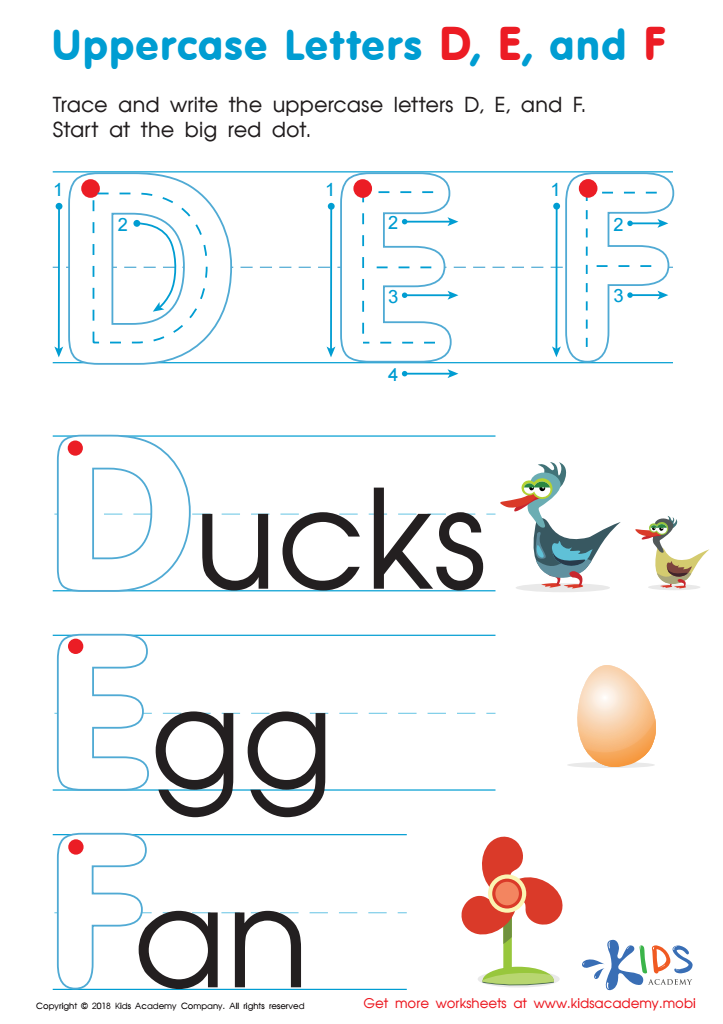
Uppercase Letters D, E, and F Worksheet
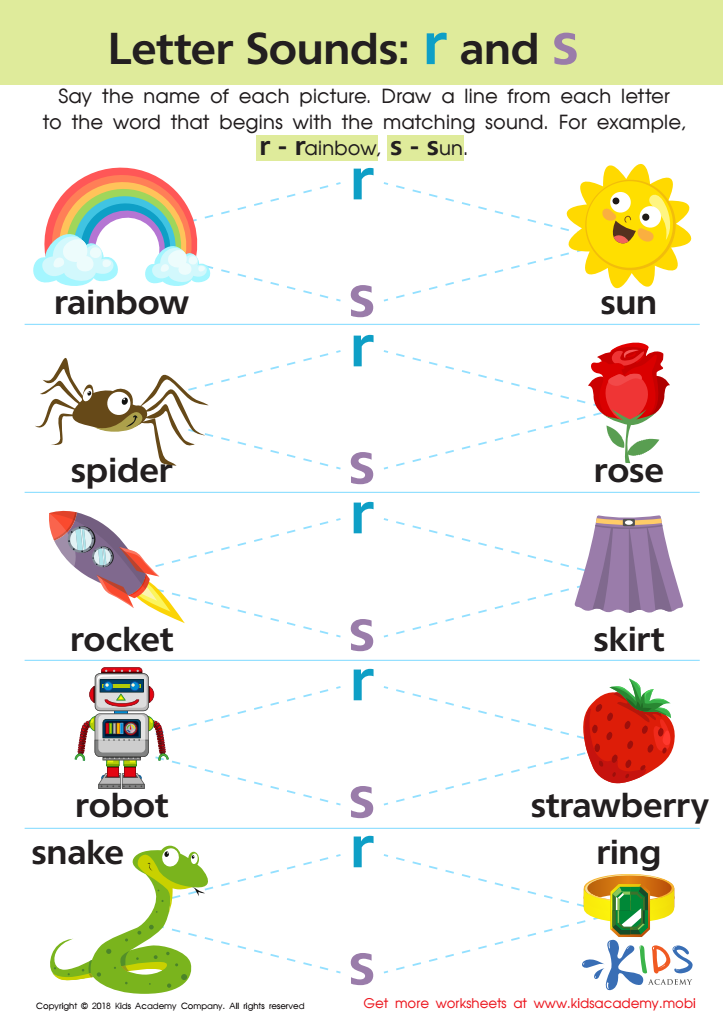
Letter R and S Sounds Worksheet
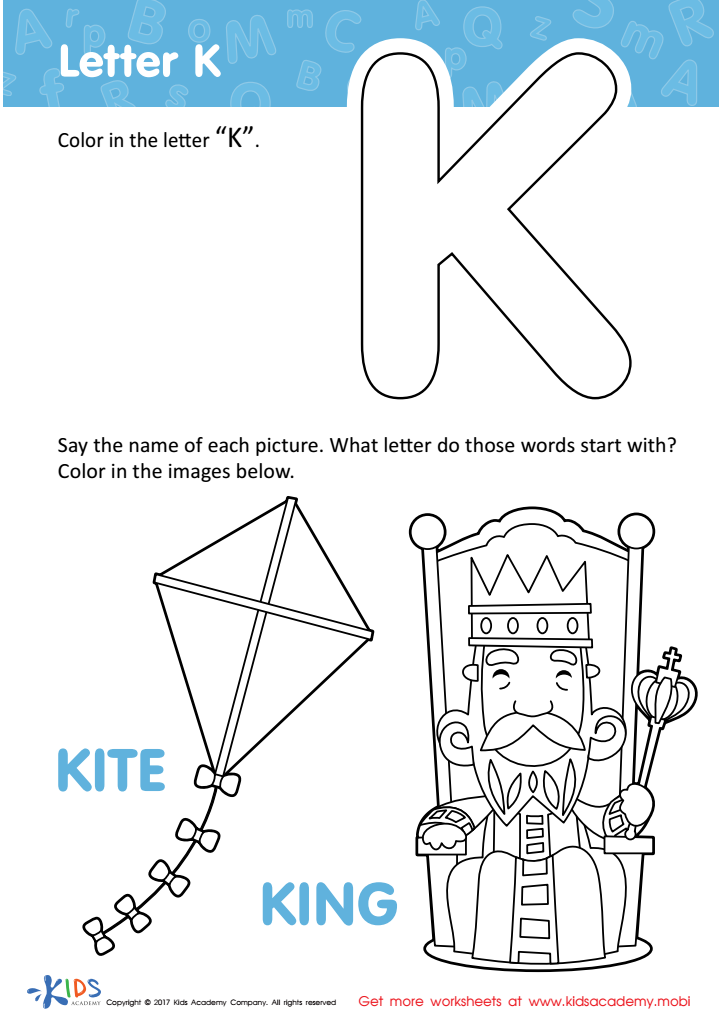
Letter K Coloring Sheet
Assign to My Students
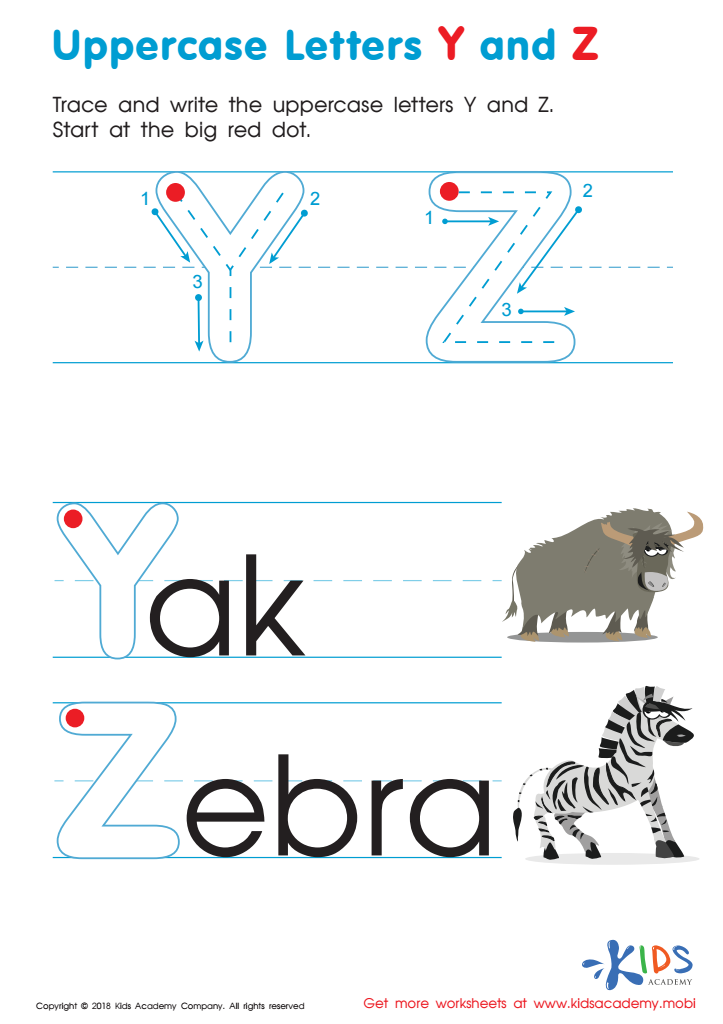
Uppercase Letters Y Z Worksheet
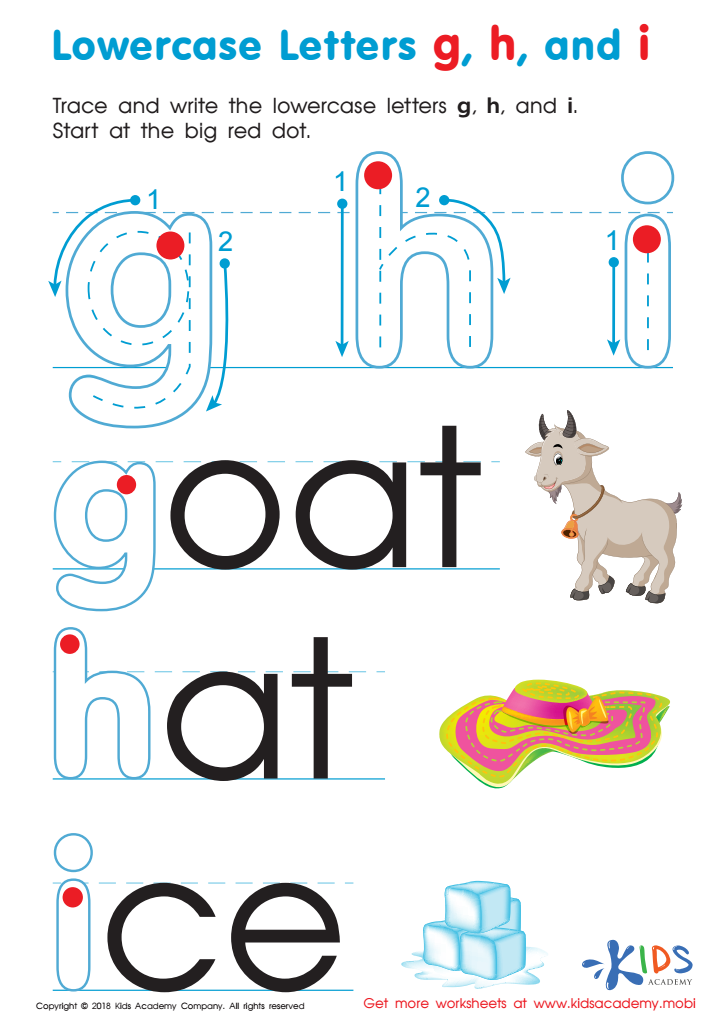
Lowercase Letters g h i Worksheet
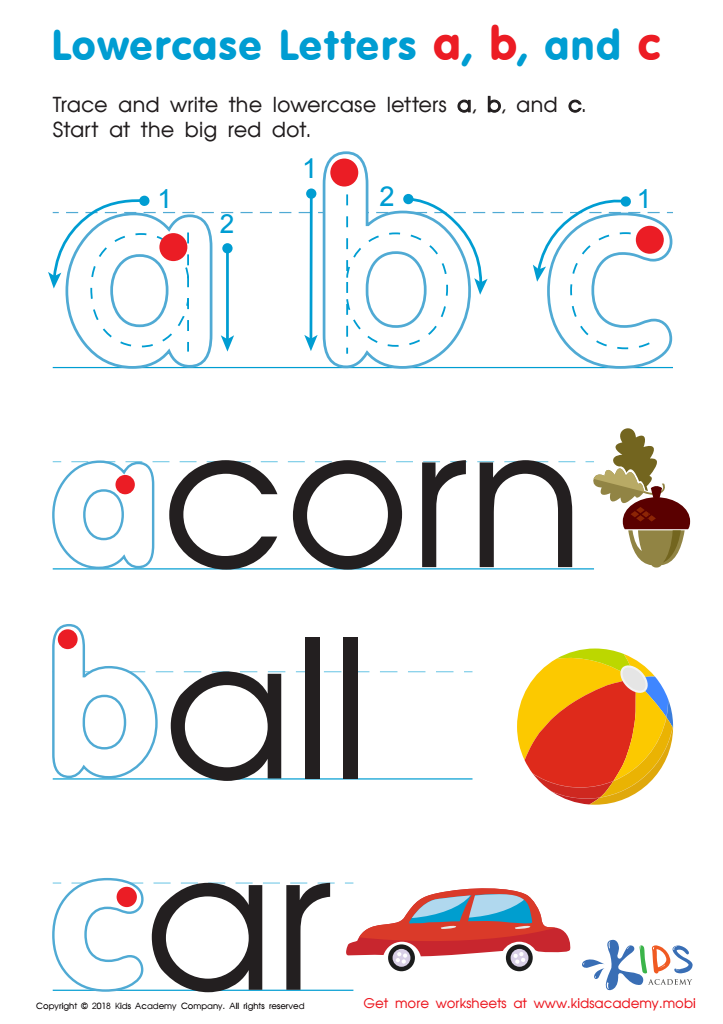
Lowercase Letters a b c Worksheet
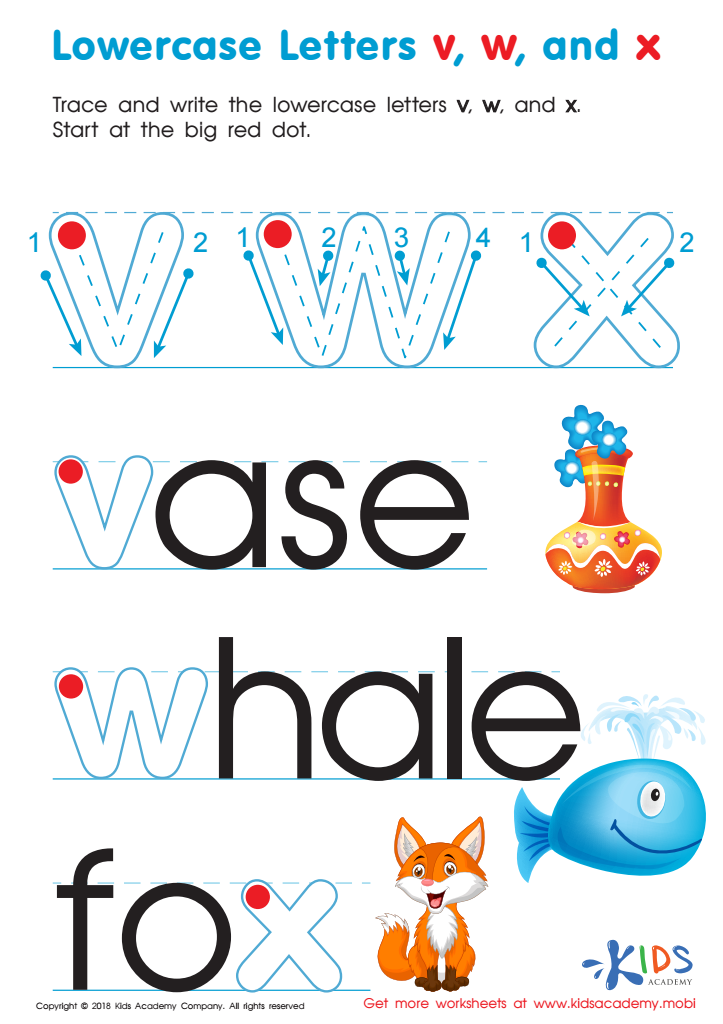
Lowercase Letters v w x Worksheet
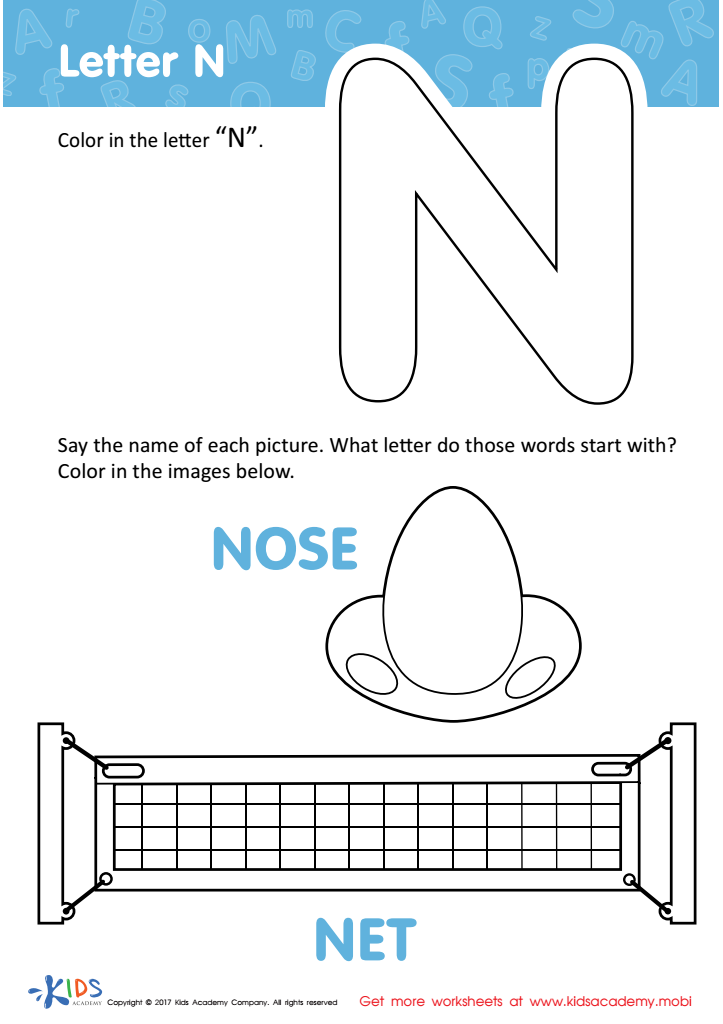
Letter N Coloring Sheet
Assign to My Students
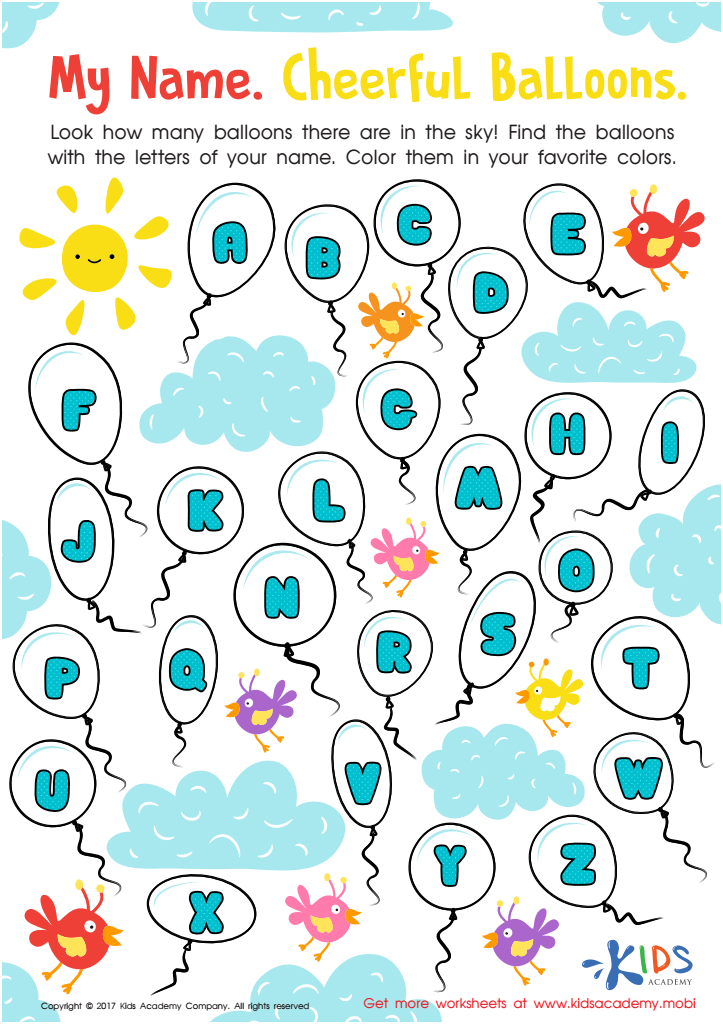
My Name: Cheerful Balloons Worksheet
Assign to My Students
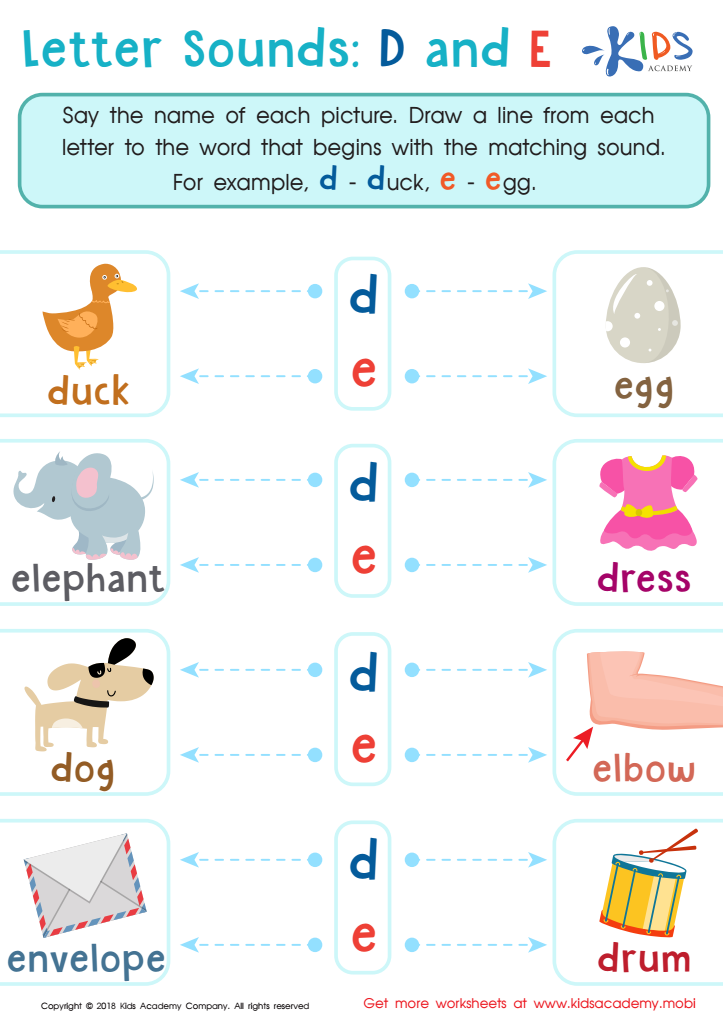
Letter D and E Sounds Worksheet
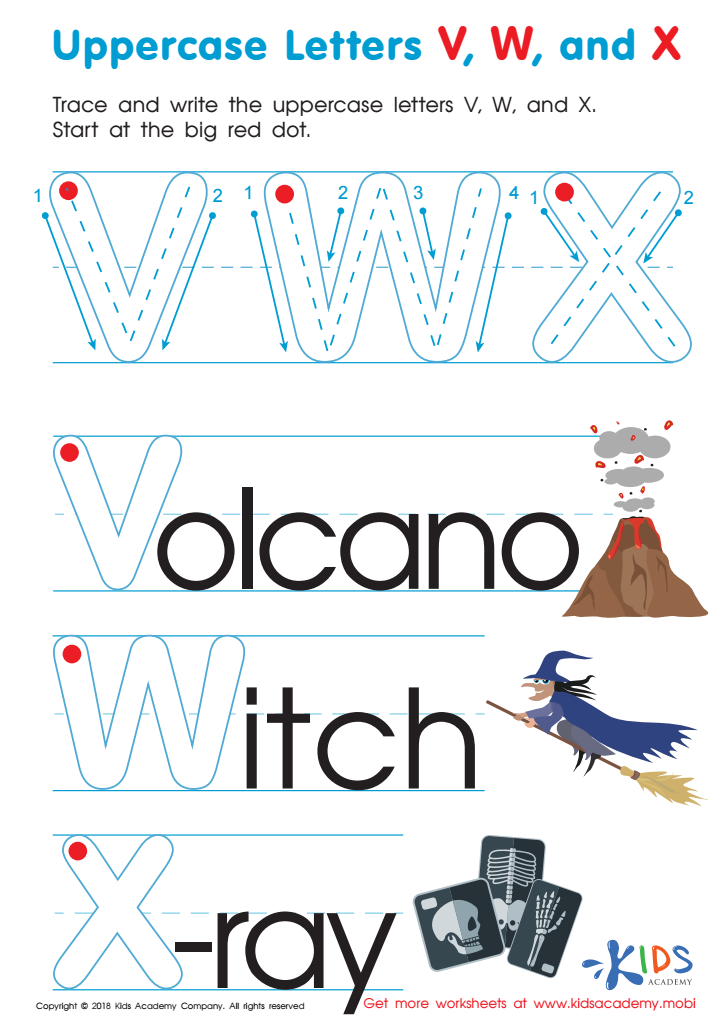
Uppercase Letters V, W, and X Worksheet








Handwriting practice for the normal alphabet is crucial for children aged 5-7 as it lays the groundwork for essential literacy skills. At this developmental stage, children are tapping into their cognitive and motor skills, and learning to form letters is a significant milestone in their academic journey. Improving handwriting helps enhance fine motor coordination, which is vital for other tasks such as drawing, cutting, and even playing sports.
Moreover, as children develop their ability to write, they also cultivate their reading skills. Proper letter formation facilitates better engagement with written language and enhances their ability to understand and communicate ideas effectively. Furthermore, good handwriting fosters self-confidence; children who take pride in their writing are more likely to express themselves freely, participate actively in class, and share their thoughts with peers, resulting in better social interaction.
In addition, clear and legible handwriting is essential in a world dominated by standardized testing and assessments, where a child’s ability to convey their knowledge may heavily rely on written communication. By prioritizing handwriting practice, parents and teachers can ensure that children are prepared for future academic challenges and encourage a lifelong appreciation for reading and writing.







