Reading practice Normal Alphabet Worksheets for Ages 5-7
4 filtered results
-
From - To
Enhance your child's reading skills with our engaging Normal Alphabet Worksheets tailored for ages 5-7! Designed to facilitate foundational literacy, these worksheets offer a fun and interactive approach to recognizing letters and improving phonetic awareness. Children will explore essential reading concepts through colorful illustrations and easy-to-follow exercises. From letter tracing to matching games, each worksheet is crafted to build confidence and comprehension in young learners. Our resources encourage independent practice while making learning enjoyable, perfect for home or classroom settings. Unlock your child's potential in reading and set them on the path to lifelong literacy with our carefully designed materials!
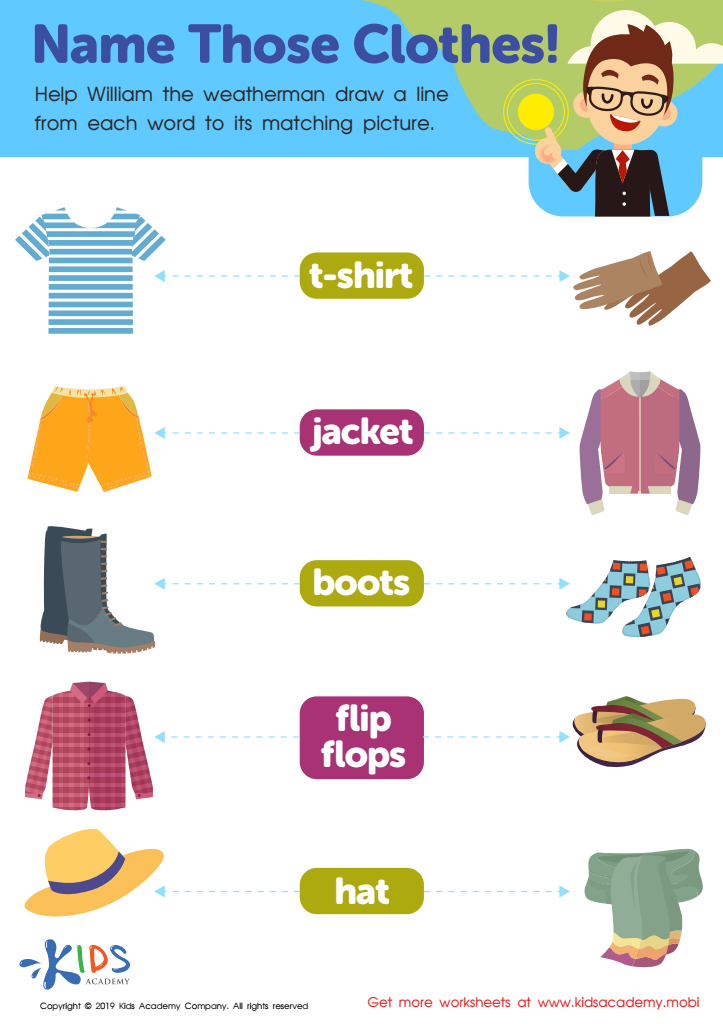
Name Those Clothes Worksheet
 Assign to My Students
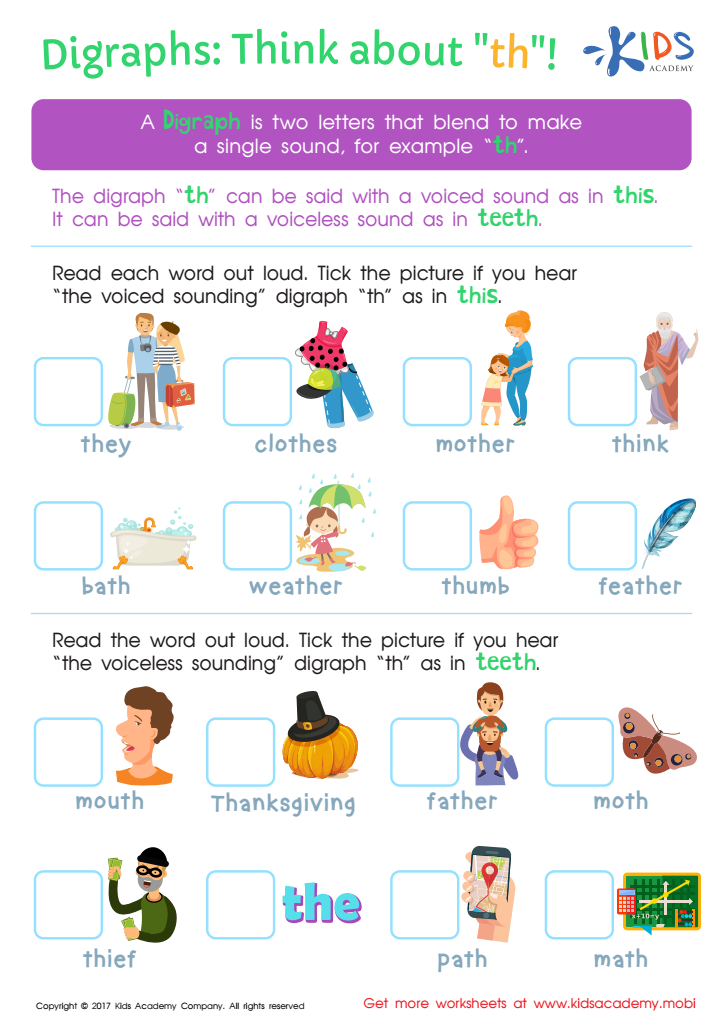
Digraphs: Think About "th" Worksheet
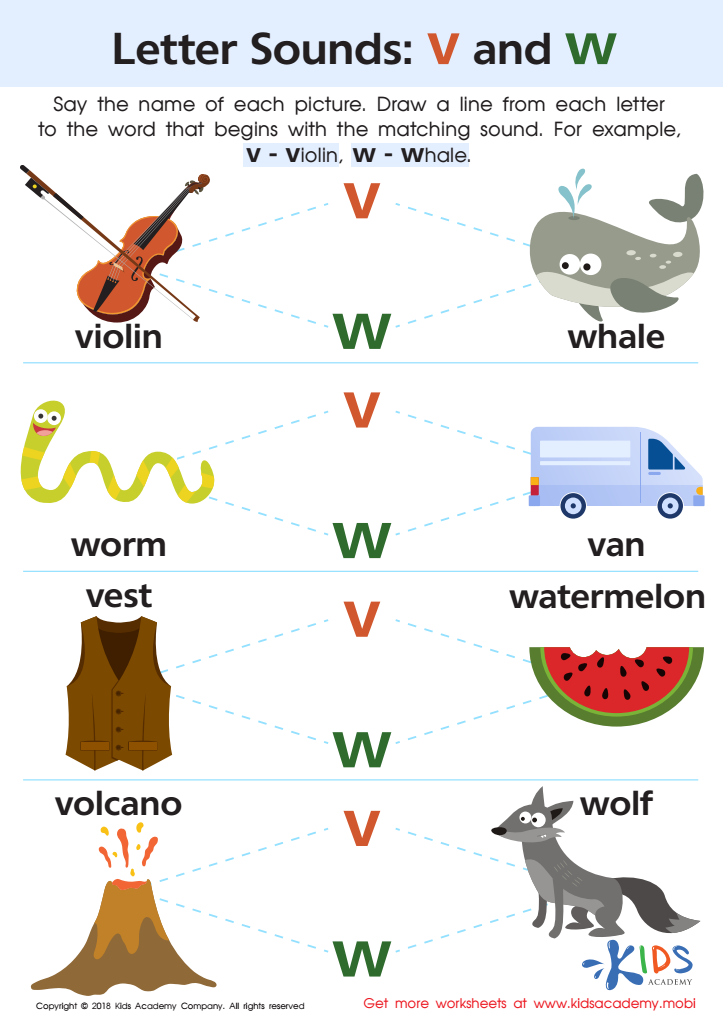
Letter V and W Sounds Worksheet
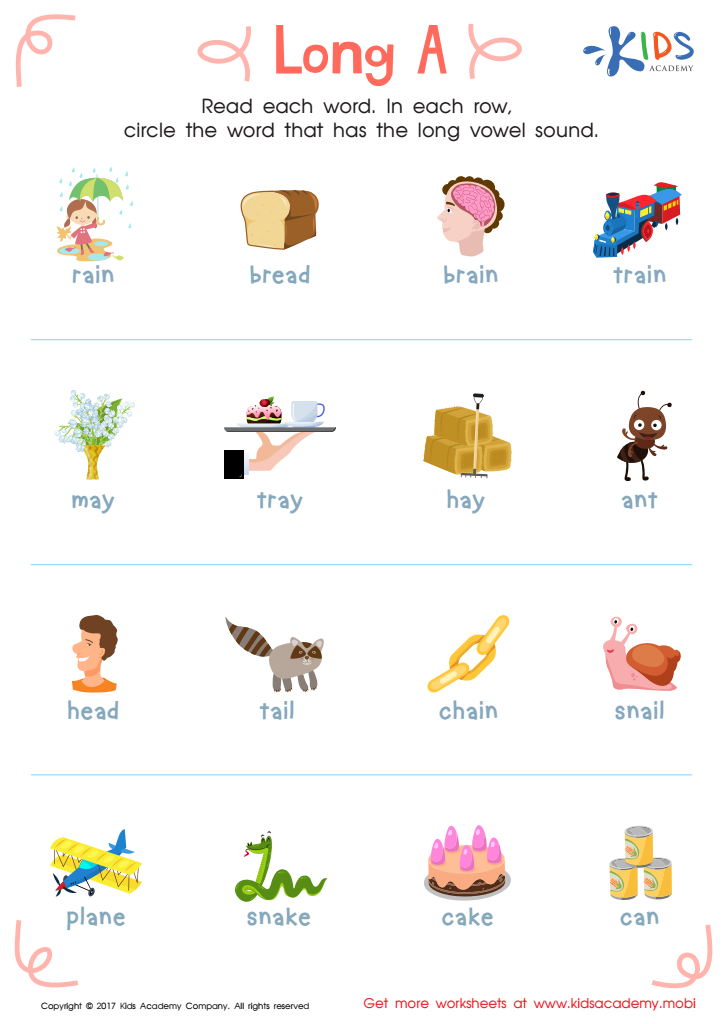








Reading practice using the Normal Alphabet is crucial for children aged 5-7 as it lays the foundation for literacy skills that are essential for future academic success. At this developmental stage, children are eager to explore language, and regular reading practice helps them develop phonemic awareness, vocabulary, and comprehension skills. Engaging with various texts nurtures their ability to recognize letters and sounds, which contributes to fluent reading.
Moreover, reading enhances critical thinking and creativity, allowing young learners to explore ideas and emotions through stories. Parents and teachers should prioritize reading because it not only fosters language development but also strengthens cognitive abilities such as memory, attention, and processing skills. Importantly, consistent reading practice encourages a love for literature, promoting a lifelong habit of reading that can enrich a child's educational journey.
Additionally, engaging in reading together strengthens the bond between parents, teachers, and children, creating a supportive learning environment. By nurturing a child's reading skills through focused practice, parents and teachers provide essential tools that contribute to their overall development and academic achievement, preparing them for the challenges of higher education and beyond. Ultimately, prioritizing reading practice at this age is an investment in a child's future.







