Alphabet Recognition Normal Letter Recognition Worksheets for Ages 5-7 - Page 2
30 filtered results
-
From - To
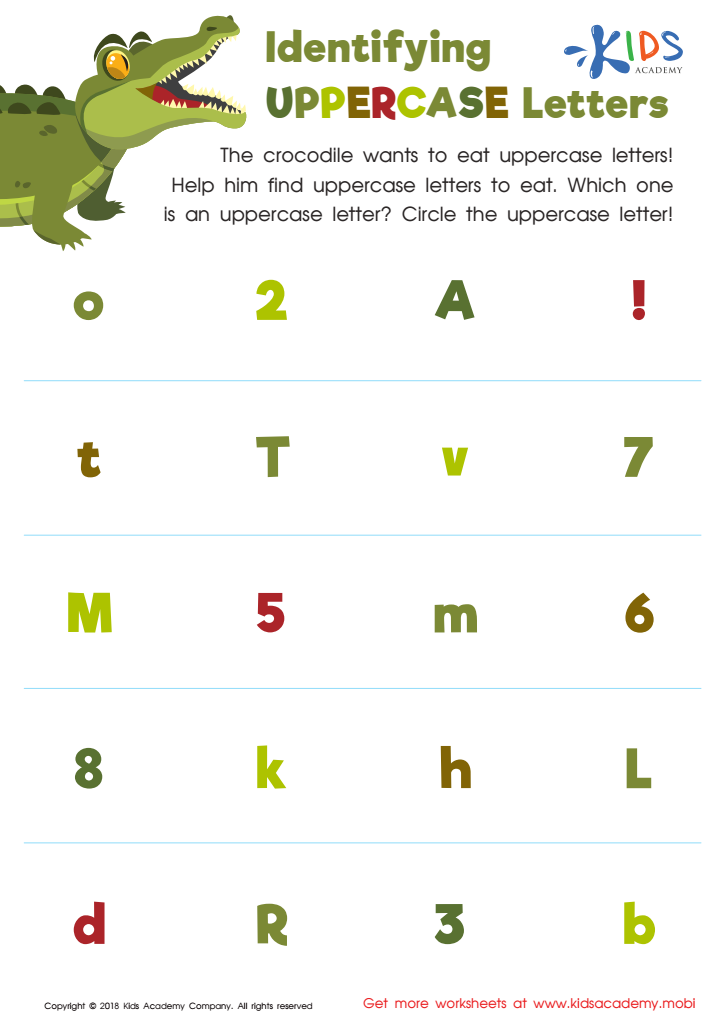
Identifying Uppercase Letters Worksheet
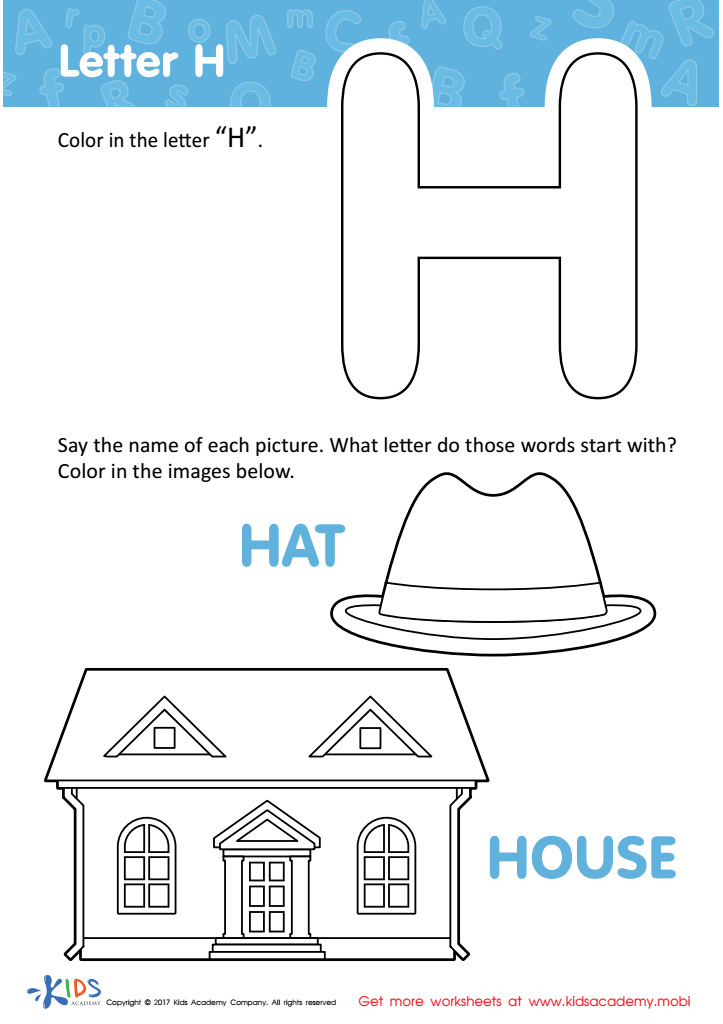
Letter H Coloring Sheet
 Assign to My Students
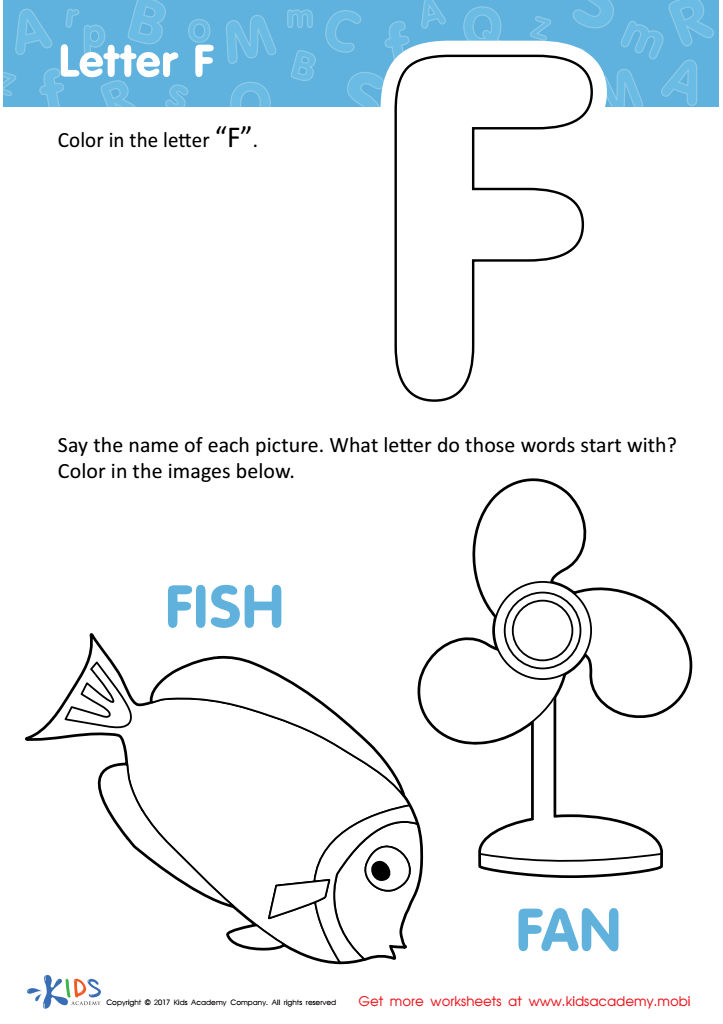
Letter F Coloring Sheet
Assign to My Students
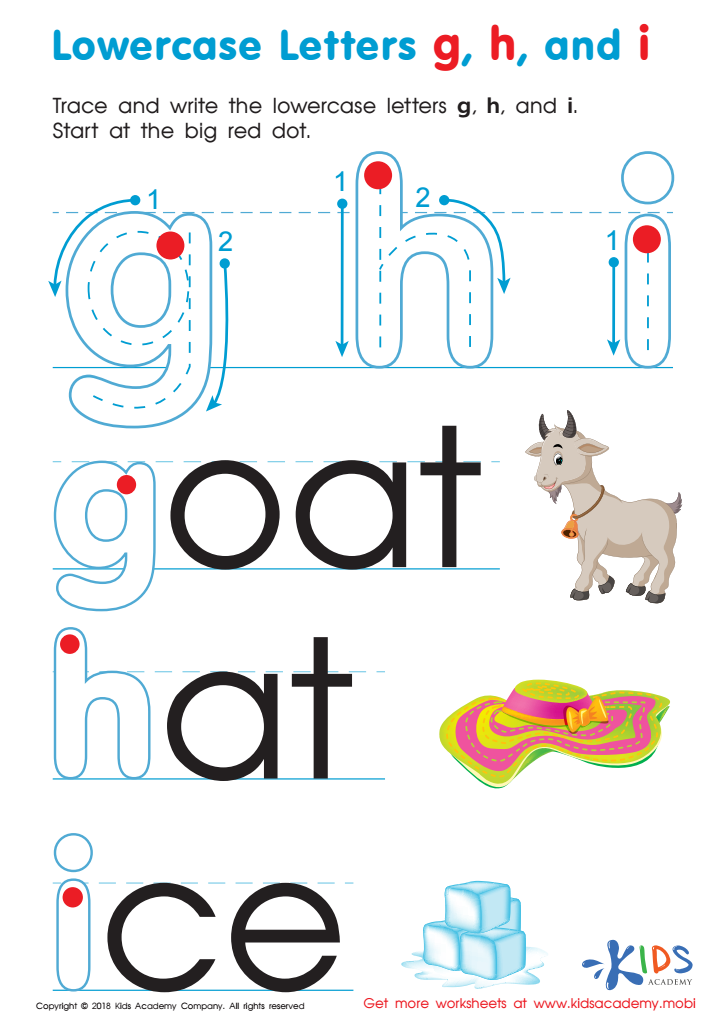
Lowercase Letters g h i Worksheet
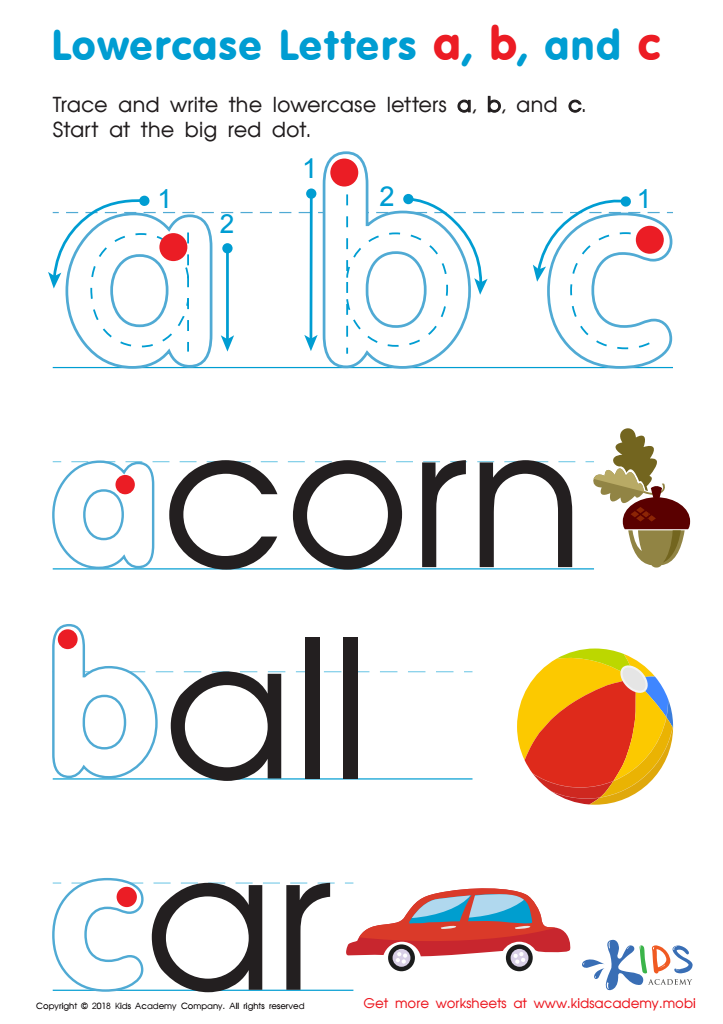
Lowercase Letters a b c Worksheet
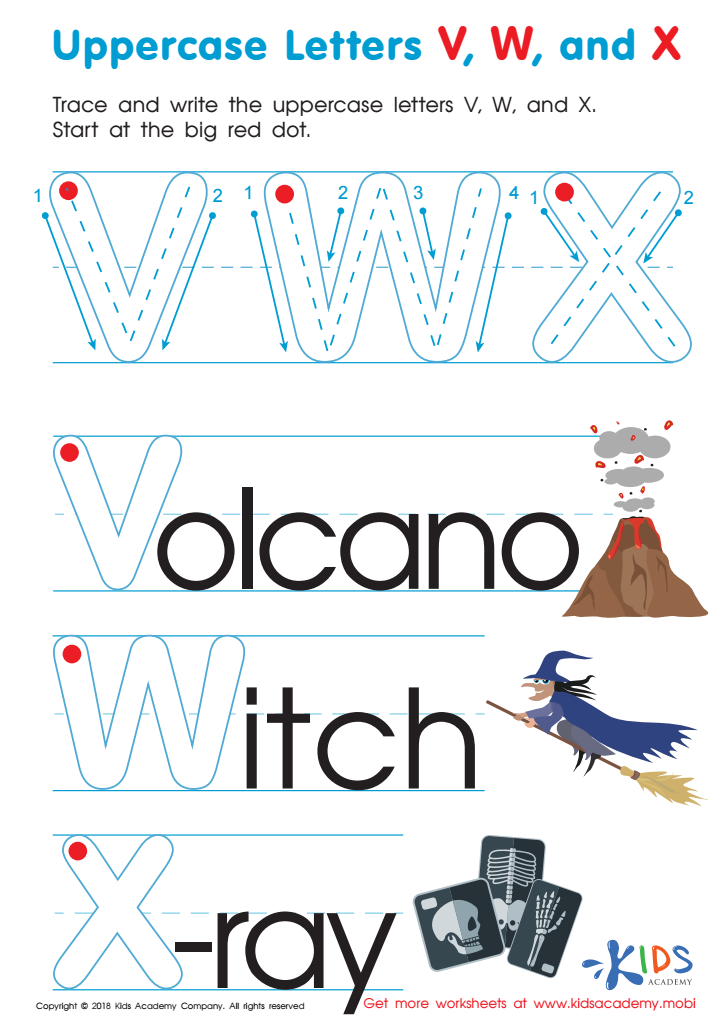
Uppercase Letters V, W, and X Worksheet








Alphabet recognition, specifically normal letter recognition, is a vital developmental milestone for children aged 5-7. This foundational skill is crucial for literacy development, as it directly relates to a child's ability to read and write. When children can recognize and differentiate letters, they become equipped to decode words, understand phonics, and develop reading fluency. Parents and teachers should care about this aspect of literacy because it significantly impacts a child's confidence and success in school.
Moreover, mastering letter recognition lays the groundwork for vocabulary expansion and comprehension skills. Strong alphabet recognition skills also facilitate better communication skills, enabling children to express themselves more effectively. By fostering this ability early on, educators and parents support the creation of positive early learning experiences.
Furthermore, children who struggle with letter recognition may face challenges that can lead to frustration and disengagement from learning. Identifying and addressing these challenges early ensures that every child has the support they need. Ultimately, prioritizing letter recognition helps create enthusiastic and capable learners, setting a solid foundation for lifelong literacy and learning. Therefore, it is crucial for parents and teachers to actively support and encourage alphabet recognition in young children.








