Vocabulary enhancement Normal Letter Recognition Worksheets for Ages 5-7
3 filtered results
-
From - To
Our Vocabulary Enhancement Normal Letter Recognition Worksheets for ages 5-7 are designed to lay a strong literacy foundation and bolster language skills. These printable activities engage young learners with fun and interactive exercises that focus on identifying and recognizing each letter of the alphabet. As kids practice their letters, they also expand their vocabulary and improve their reading readiness. Perfect for early grade students, these worksheets offer a blend of entertainment and education, making learning enjoyable and effective. Boost your child’s confidence in reading and comprehension with our expert-created resources tailored for children’s developmental needs.
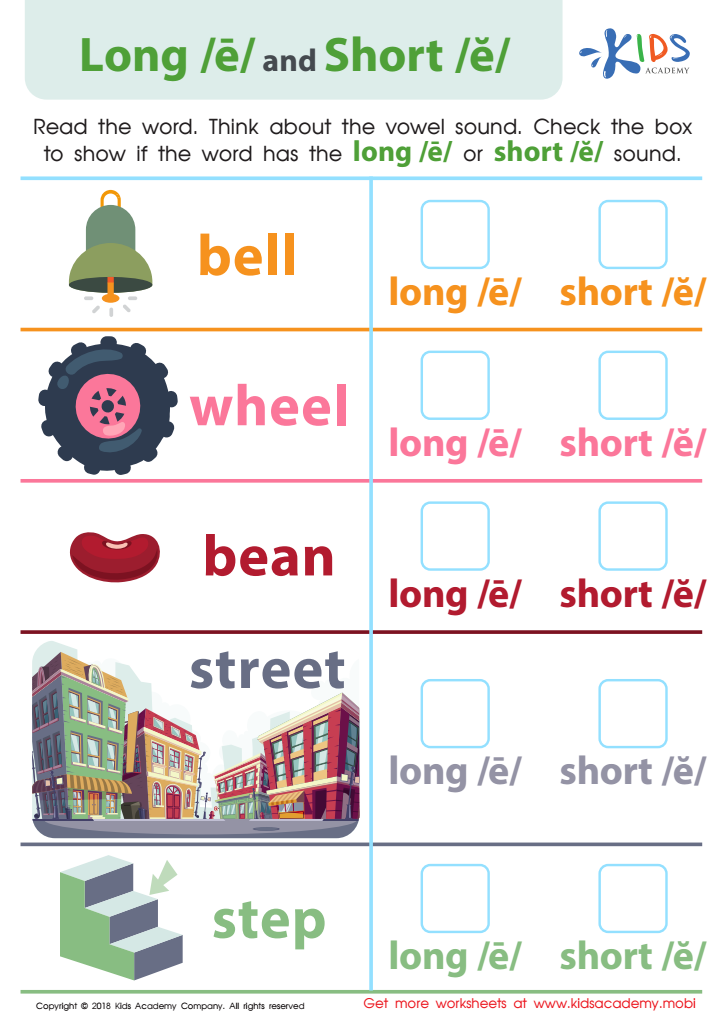
Reading: Long E and Short E Worksheet
 Assign to My Students
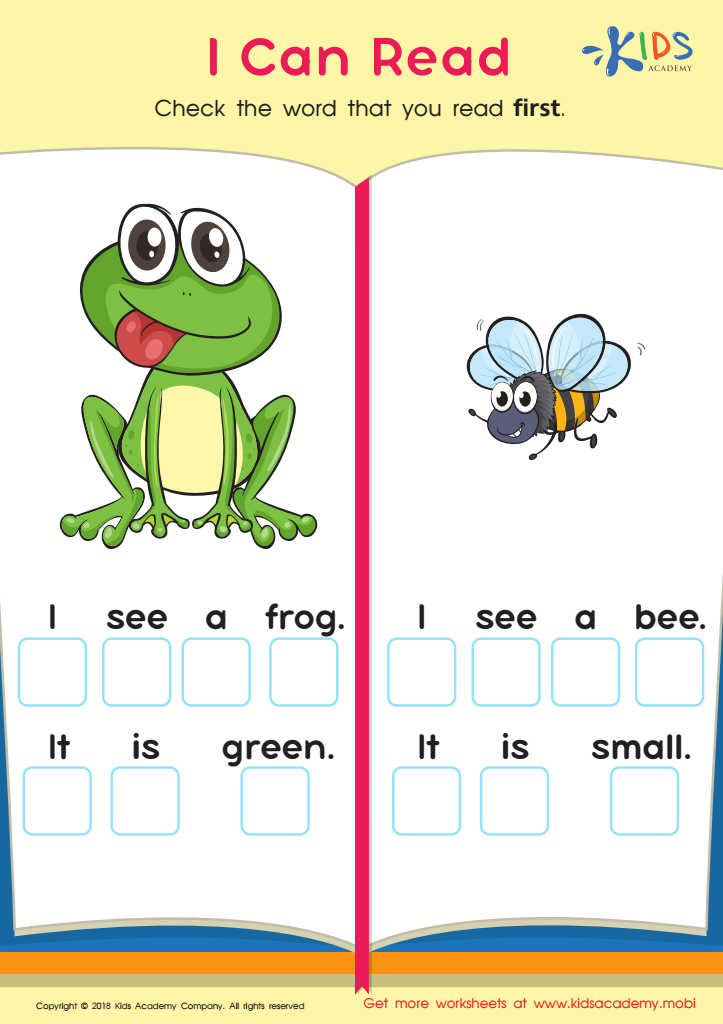
I Can Read Worksheet
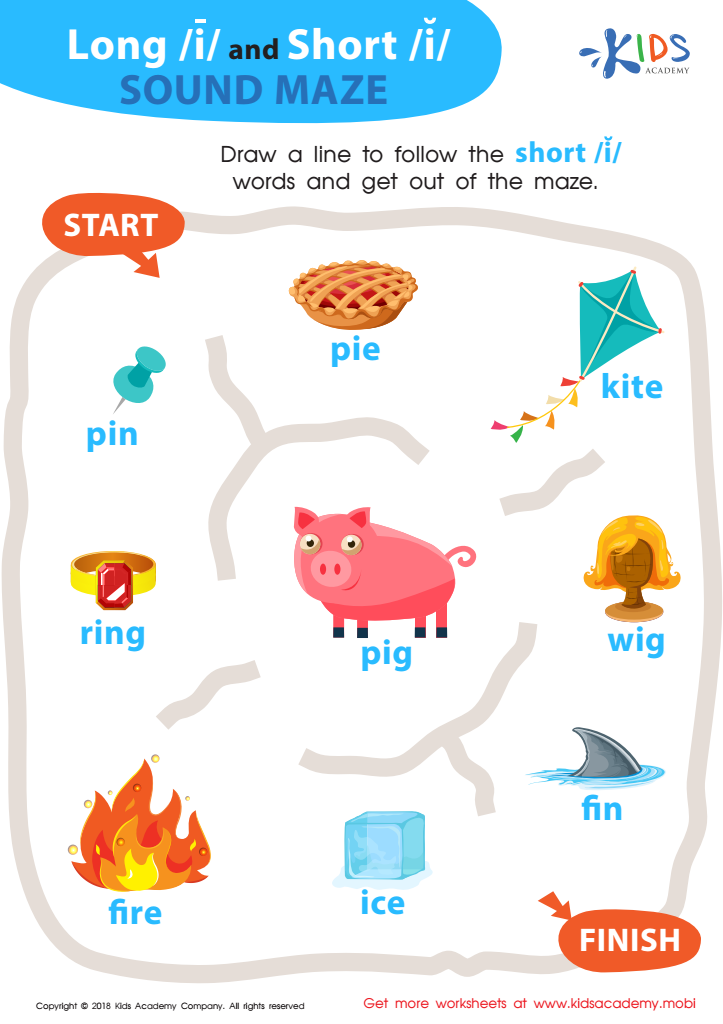
Reading: Long I and Short I Sound Maze Worksheet








Vocabulary enhancement and normal letter recognition are foundational elements in the early education of children aged 5-7. At this critical stage, their brains are highly malleable and capable of absorbing new information at a remarkable pace. Parents and teachers should prioritize these aspects for several key reasons.
Firstly, a robust vocabulary significantly boosts language acquisition and communication skills. When children expand their word bank, they are better equipped to express thoughts, emotions, and needs, which aids in social interactions and emotional development. Enhanced vocabulary also lays the groundwork for effective reading comprehension and writing skills, both of which are essential for academic success across all subjects.
Second, normal letter recognition is crucial for early literacy. Recognizing and understanding letters enables children to decode words, a fundamental skill for reading. Proficient readers are more likely to enjoy learning, engage with texts, and achieve academic excellence. Letter recognition also aids in spelling and lexical development, fostering independence in learning.
Finally, proficiency in these areas nurtures confidence and a positive attitude towards learning. When children struggle with vocabulary or letter recognition, they may become frustrated and lose interest in educational activities. By supporting vocabulary enhancement and normal letter recognition, parents and teachers can instill a lifelong love for learning and set children on a path to academic and personal success.








