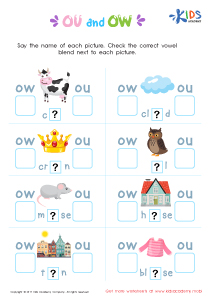
Vocabulary expansion Normal Long And Short Vowel Worksheets for Ages 5-7
5 filtered results
-
From - To
Explore our engaging Vocabulary Expansion Worksheets designed for children aged 5-7, focusing on long and short vowels. These interactive resources enhance language skills while promoting the identification and pronunciation of vowel sounds in various words. Our worksheets feature fun activities, such as matching games, filling in blanks, and creative exercises, tailored to capture young learners' attention and foster a love for reading. Perfect for classroom use or at-home learning, these printable materials support foundational literacy skills, helping children build a strong vocabulary. Encourage your child's learning journey with our expertly designed worksheets, making vocabulary expansion an enjoyable adventure!
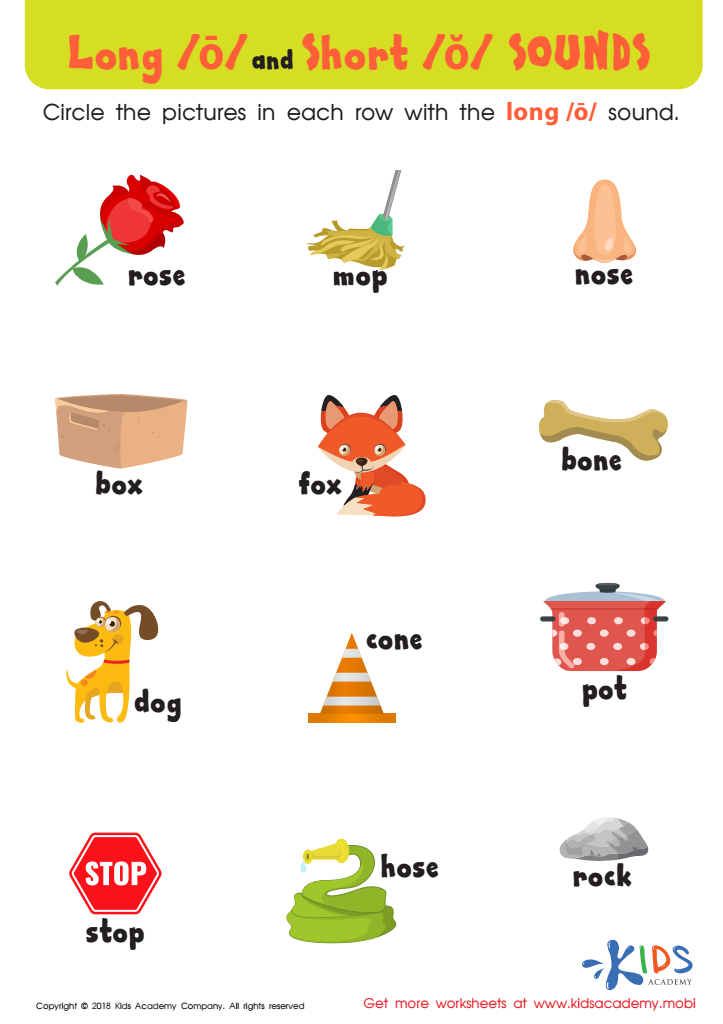
Reading: Long O and Short O Sounds Worksheet
 Assign to My Students
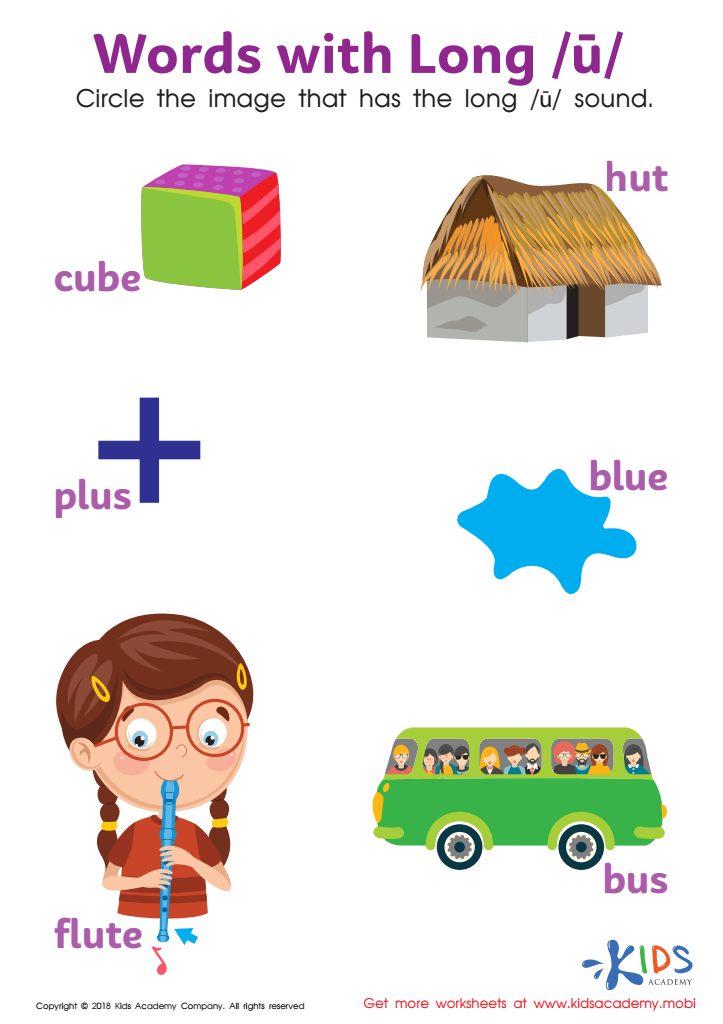
Words with Long U Reading Worksheet
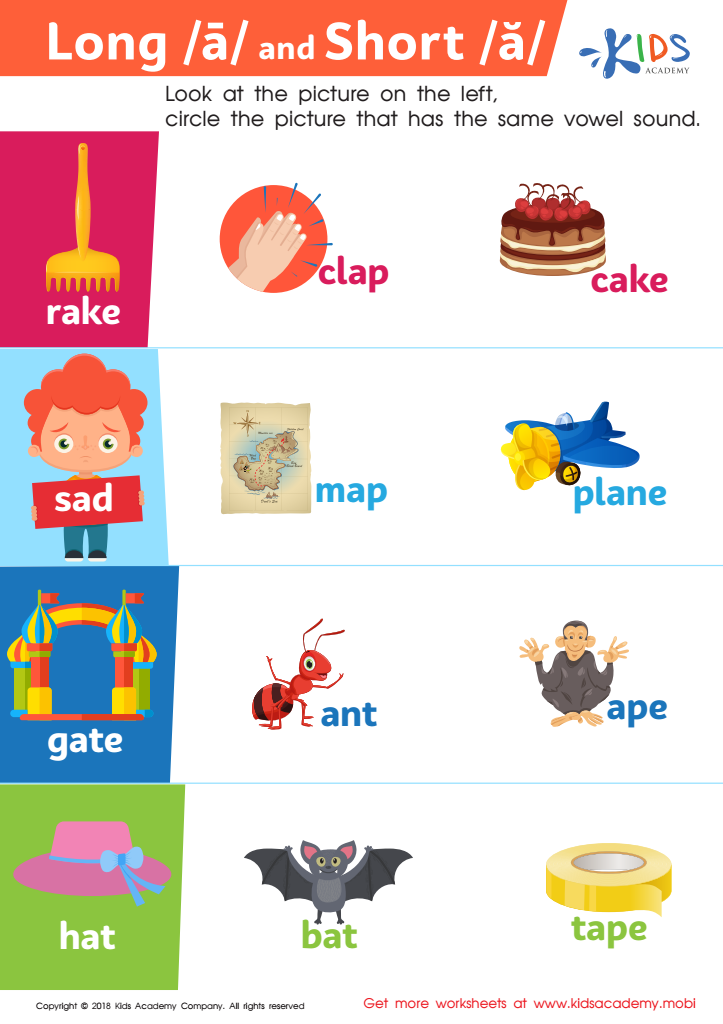
Reading: Long a and Short a Worksheet
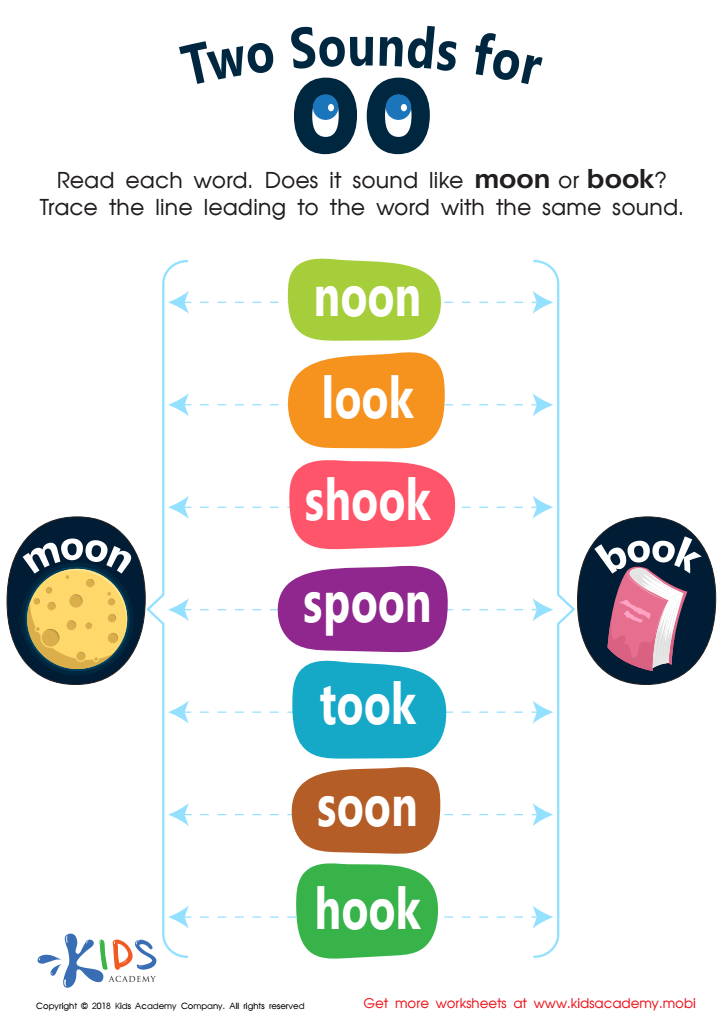
Two Sounds for OO Worksheet
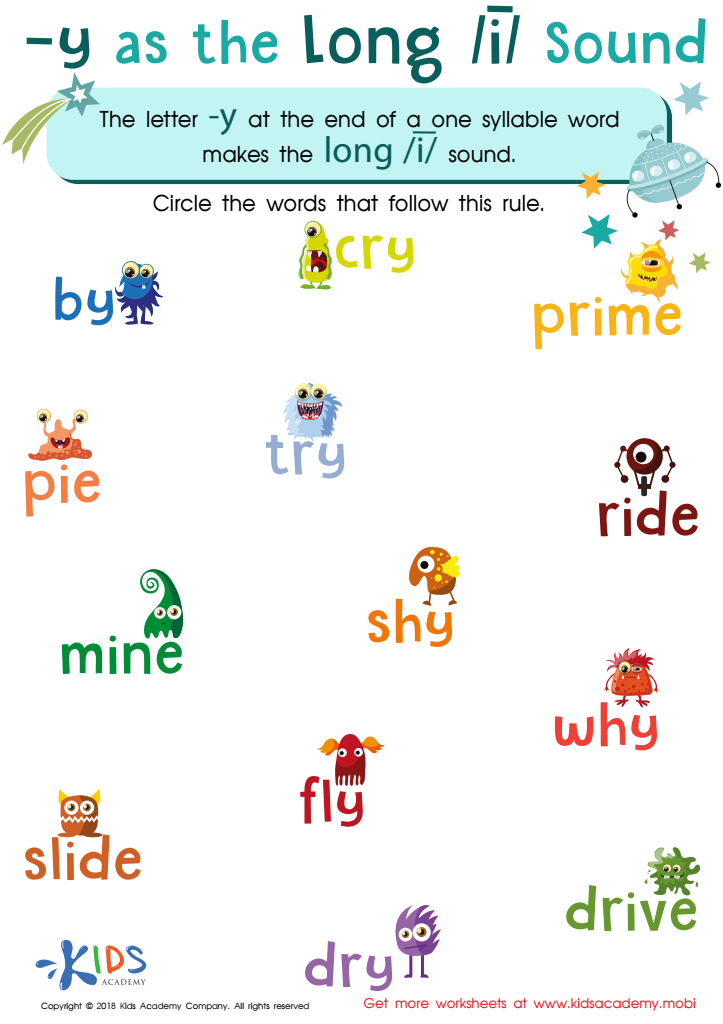
Reading: Y as Long I Worksheet




Vocabulary expansion is crucial for children ages 5-7, as it lays the foundation for their overall language development and academic success. Understanding the difference between long and short vowels significantly contributes to this process. Mastering these vowel sounds helps children decode words, improve their reading fluency, and enhance spelling skills. When children can identify and articulate vowel sounds correctly, they build confidence in their reading and writing abilities.
Additionally, a rich vocabulary equips young learners with the tools to express themselves more effectively, nurturing effective communication skills. As they encounter new words through conversations, books, and educational activities, they gain a deeper understanding of language nuances and contexts.
For parents and teachers, facilitating vocabulary expansion encourages cognitive development, enhances critical thinking, and fosters a lifelong love of learning. Engaging activities like rhyming games, storytelling, and phonics exercises make learning enjoyable and memorable. Investing in vocabulary education at this stage profoundly influences children's future academic achievement and social interactions, preparing them for success in school and beyond. Ultimately, supporting vocabulary growth during these formative years creates a solid foundation for literacy, ensuring children develop the skills necessary for effective communication and comprehension.