Alphabet Recognition Normal Phonics Worksheets for Ages 5-7
3 filtered results
-
From - To
Discover our Alphabet Recognition Normal Phonics Worksheets designed for children aged 5-7. Perfectly tailored to enhance early learning skills, these worksheets make mastering the alphabet fun and engaging. Each activity focuses on phonics, helping young learners recognize letters and sounds effortlessly. Through colorful illustrations and interactive exercises, kids build a strong foundation in both literacy and confidence. Perfect for use at home or in the classroom, our worksheets align with educational standards to ensure your child progresses smoothly. Check out our extensive collection at Kids Academy and give your child a head start in their reading journey today!
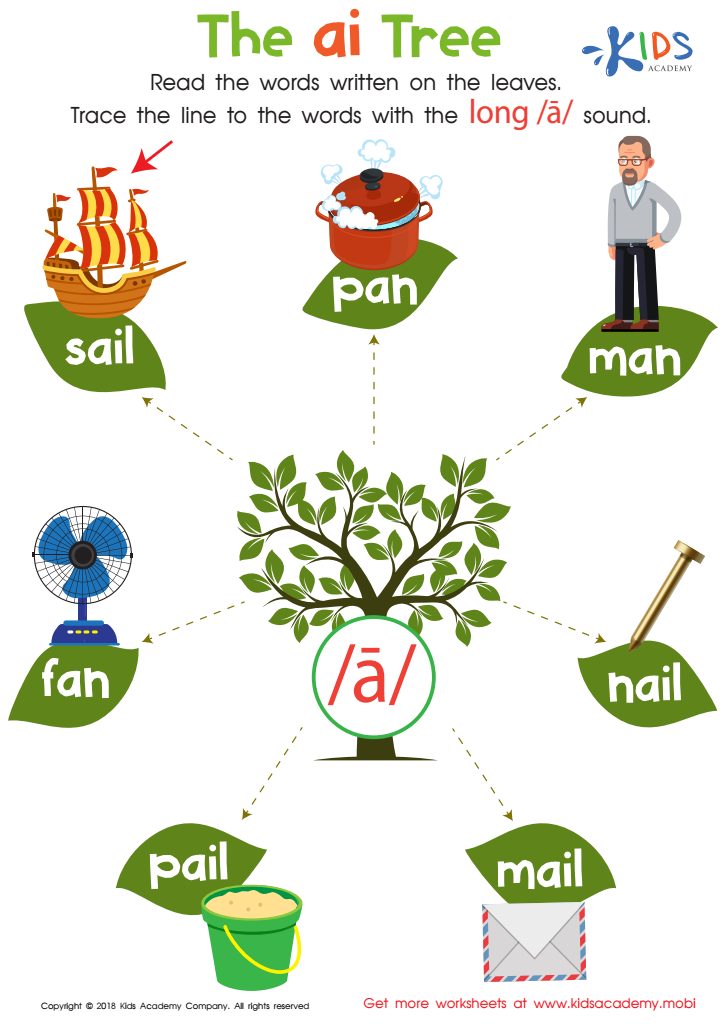
The AI Tree Worksheet
 Assign to My Students
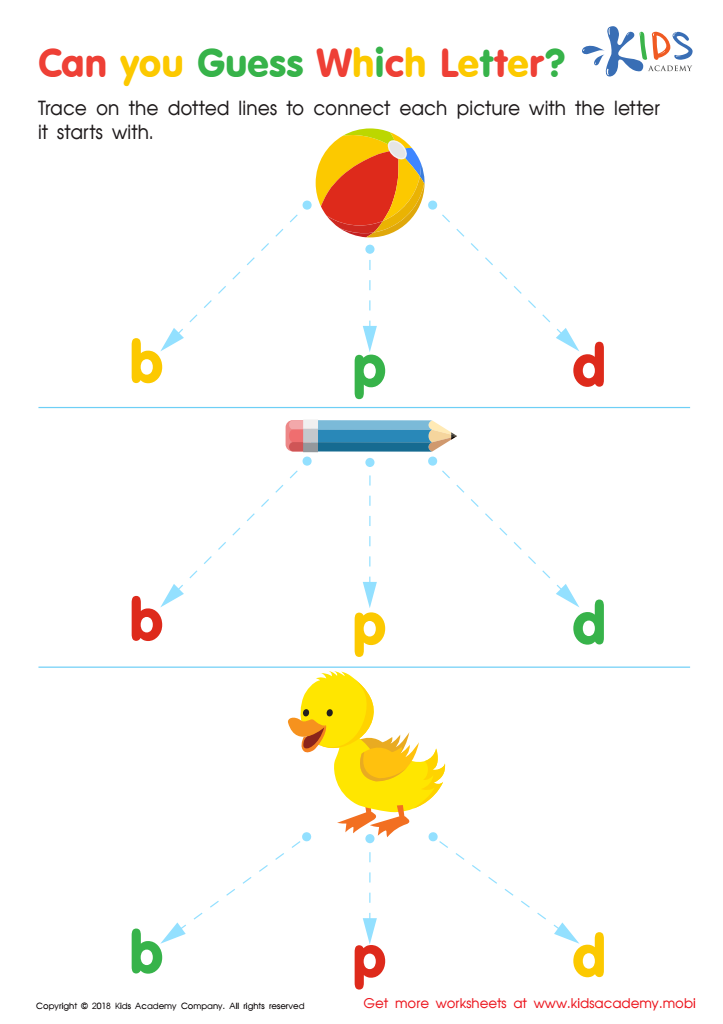
Can you Guess Which Letter? Worksheet
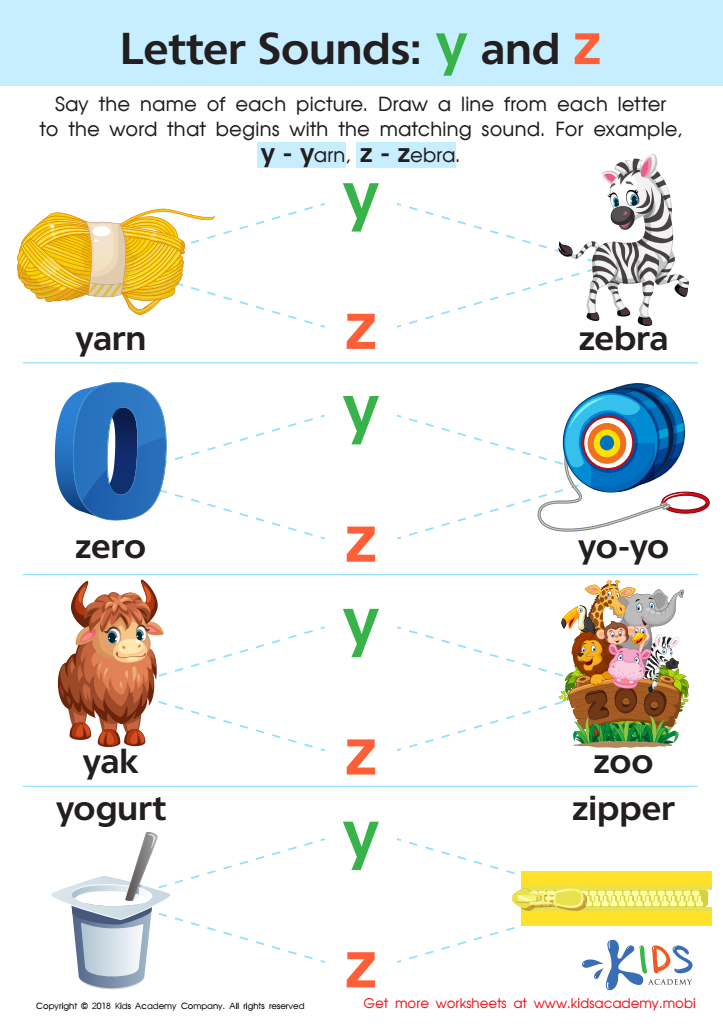
Letter Y and Z Sounds Worksheet








Alphabet recognition and normal phonics play a critical role in the foundational learning of children aged 5-7. These skills form the cornerstone of literacy, allowing children to connect letters with corresponding sounds which is essential for decoding words and developing reading fluency. When children recognize letters and understand their phonetic sounds, they can begin to blend sounds together to make simple words, a fundamental step in learning to read.
For parents and teachers, fostering a strong grasp of alphabet recognition and phonics at this age is crucial because it sets the stage for all future education. Consistent recognition and practice lead to smoother transitions into more complex reading and writing tasks. Children who struggle with these basic skills often face challenges in other subject areas that rely on reading ability, potentially inhibiting overall academic progress.
In addition, proficiency in alphabet recognition and phonics supports effective communication. Early readers gain confidence in their skills, encouraging a love for learning and exploration. Engaging, age-appropriate activities such as singing alphabet songs, interactive reading, and playing phonetic games can make the process enjoyable. By prioritizing alphabet recognition and phonics, parents and teachers equip children with essential tools for literacy and lifelong learning, thereby fostering their confidence, curiosity, and enthusiasm towards education.







