Fine Motor Skills Normal Phonics Worksheets for Ages 5-7
5 filtered results
-
From - To
Discover our engaging Fine Motor Skills Normal Phonics Worksheets designed for children ages 5-7! These activities combine early phonics learning with essential fine motor skill development to create a well-rounded educational experience. Each worksheet is thoughtfully crafted to help young learners improve their hand coordination and dexterity while mastering phonetic sounds and recognizing letters. Through fun exercises like tracing, coloring, and matching, children can enhance their writing skills and cognitive abilities. Ideal for home or classroom use, our worksheets are perfect for fostering a love of learning in early childhood. Explore our collection today and support your child's development in a playful way!
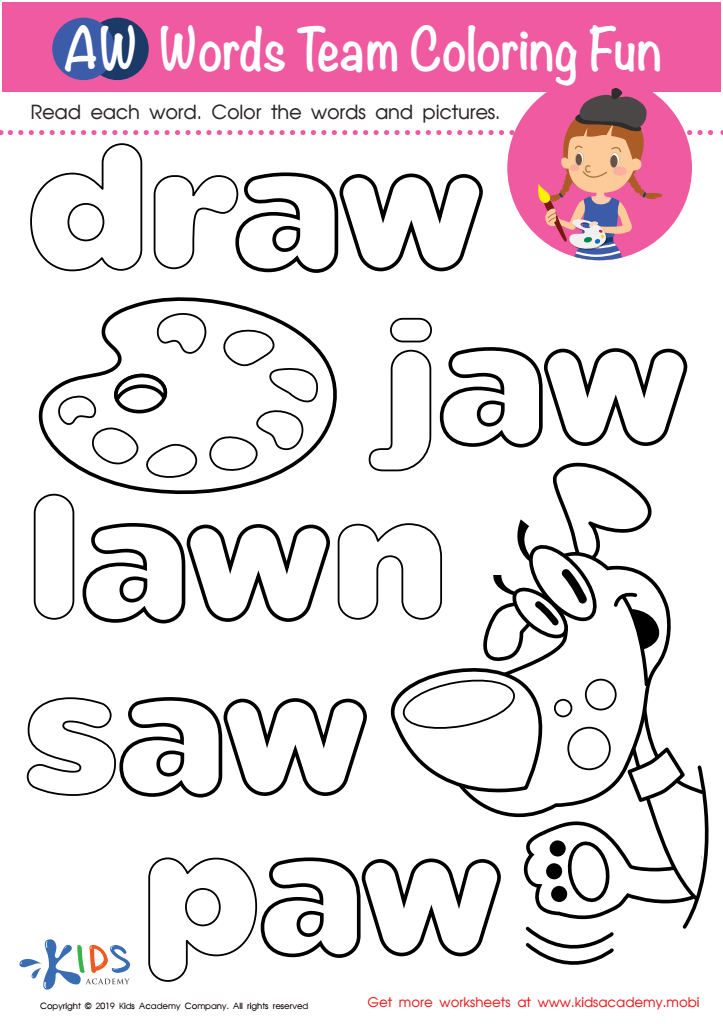
AW Words Team Coloring Fun Worksheet
 Assign to My Students

Long and Short U Worksheet
Assign to My Students
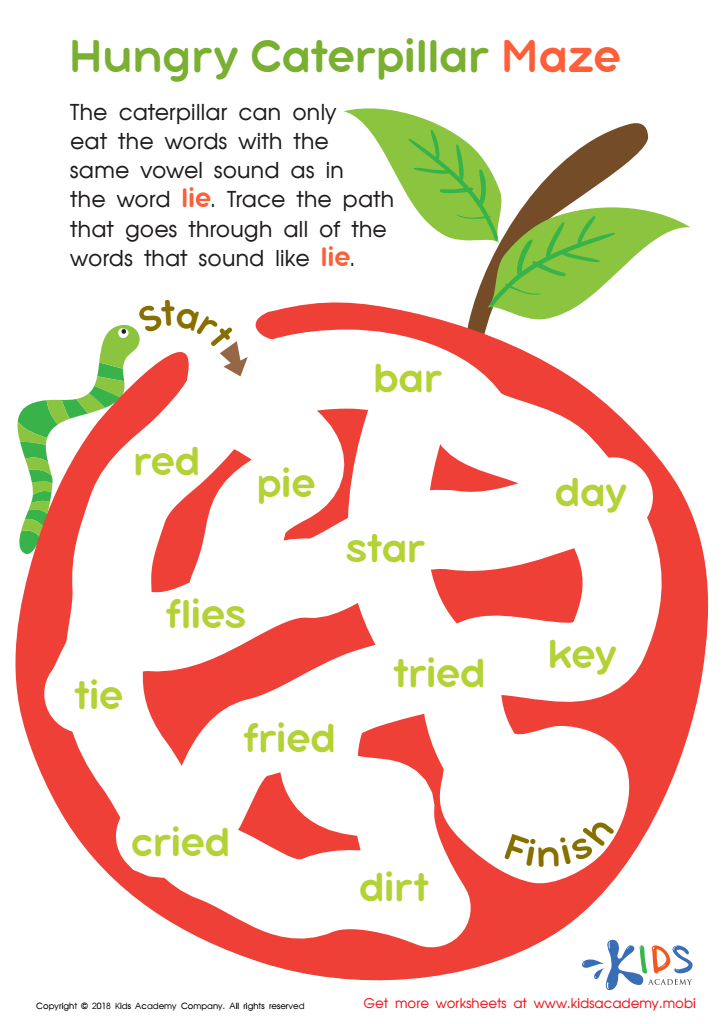
Hungry Caterpillar Maze Worksheet
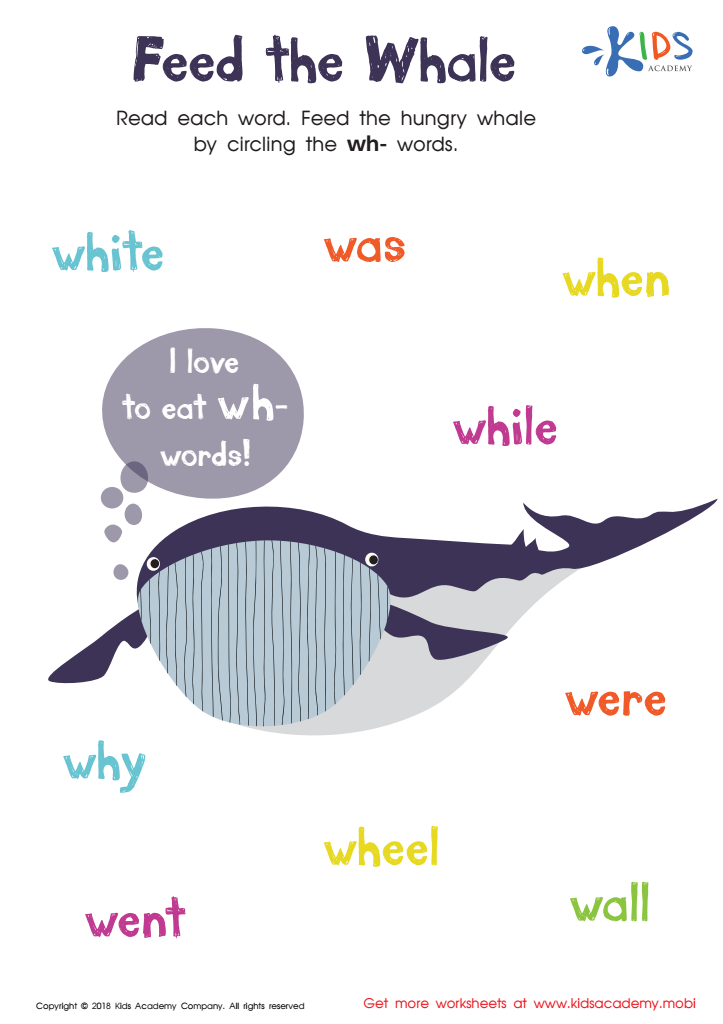
Feed the Whale Worksheet
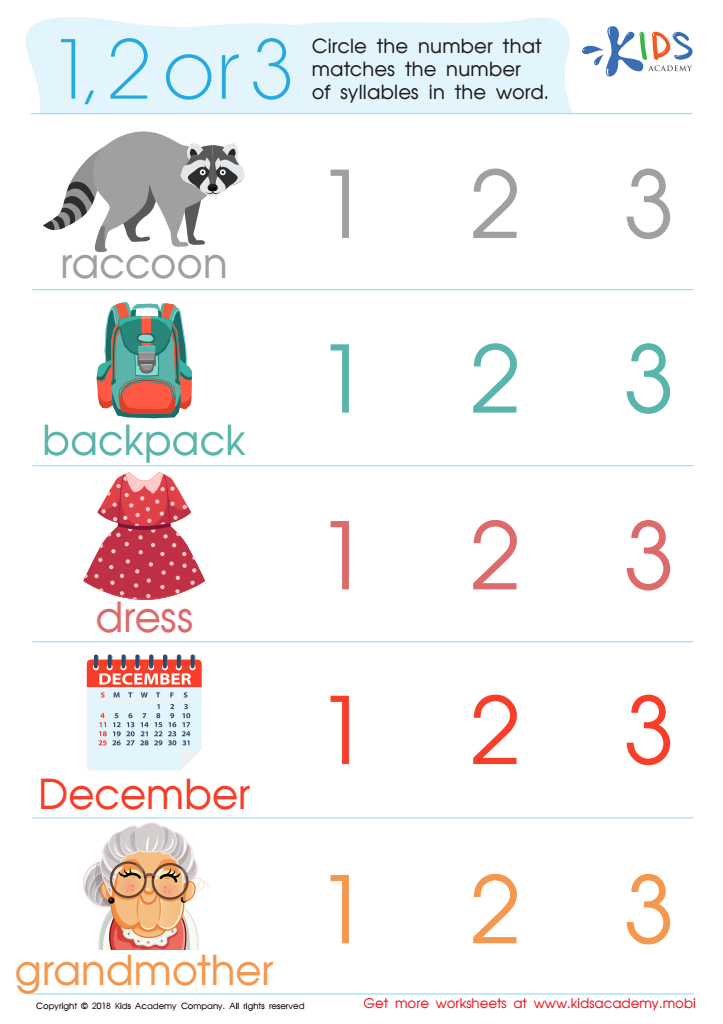
1, 2 or 3? Worksheet








Fine motor skills and phonics play a crucial role in a child's overall development, particularly for ages 5-7, a formative period for learning. Fine motor skills involve the coordination of small muscles in hands and fingers, enabling children to perform tasks such as writing, cutting, and buttoning. As children enhance these skills, they also gain confidence in their ability to engage with various activities, leading to increased independence.
Phonics is equally important as it lays the foundation for reading and language development. Understanding the relationship between letters and their sounds helps children decode words, which is essential for literacy. In conjunction with fine motor development, proficient phonics knowledge enables children to effectively express themselves and comprehend written language.
For parents and teachers, focusing on these skills ensures holistic development. Activities that promote fine motor skills—like drawing, tracing, or using scissors—should be incorporated into learning environments. Simultaneously, engaging phonics exercises, such as rhyming games or sound-letter matching, can create a rich language experience. By prioritizing fine motor skills and phonics, they equip children with essential tools for successful academic experiences and lifelong learning, ultimately nurturing confident and competent learners.







