Hand-eye Coordination Normal Phonics Worksheets for Ages 5-7
5 filtered results
-
From - To
Discover our engaging Hand-eye Coordination Normal Phonics Worksheets designed specifically for children aged 5-7. These fun and interactive worksheets help young learners develop essential hand-eye coordination skills while mastering phonics concepts. Each activity incorporates colorful visuals and motivating exercises to enhance letter recognition, sound matching, and word formation. Ideal for at-home learning or classroom activities, our worksheets ignite creativity and promote a love for reading. Help your child build a strong foundational skill set that supports literacy development and provides a solid stepping stone for future academic success. Explore our collection and watch your child's skills flourish today!
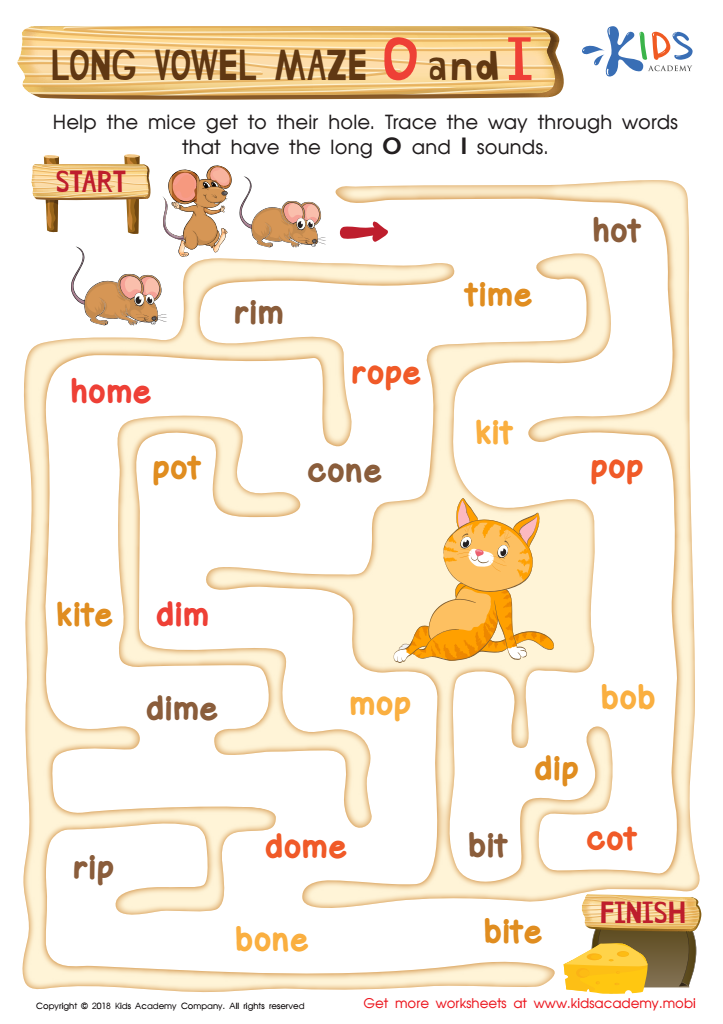
Long Vowel Maze /o/ and /i/ Worksheet
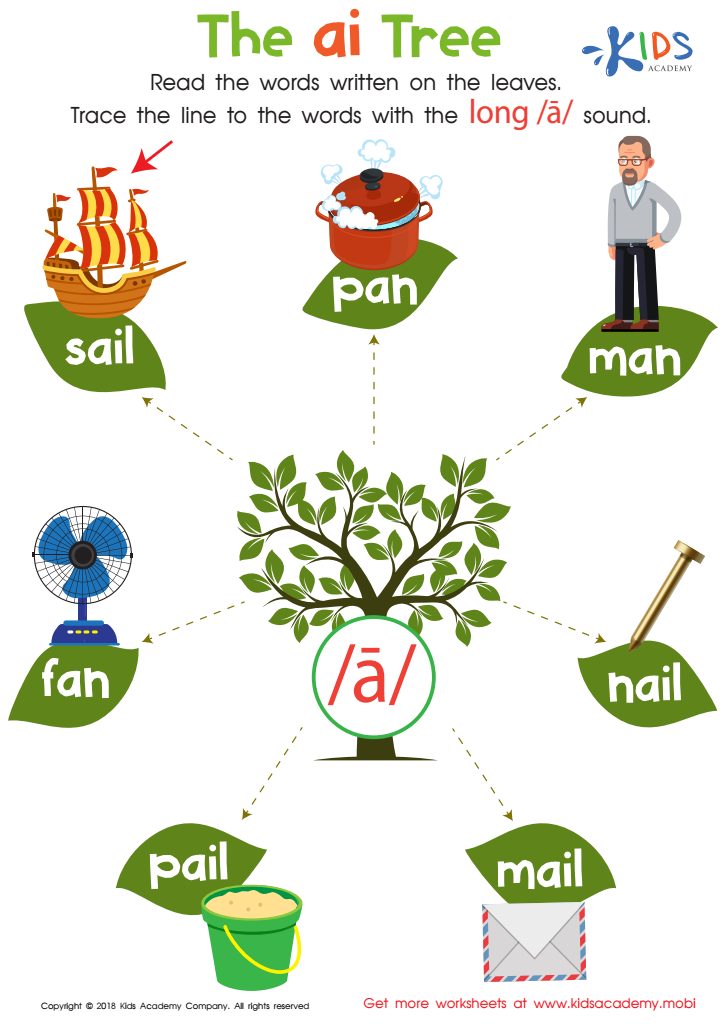
The AI Tree Worksheet
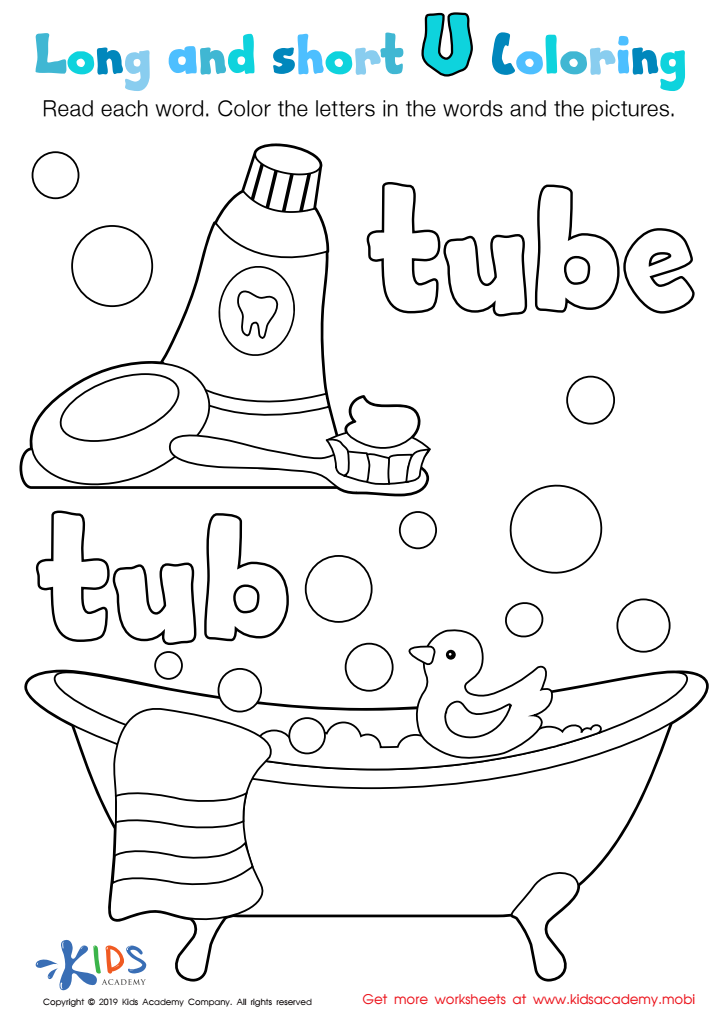
Long and Short U Worksheet
 Assign to My Students
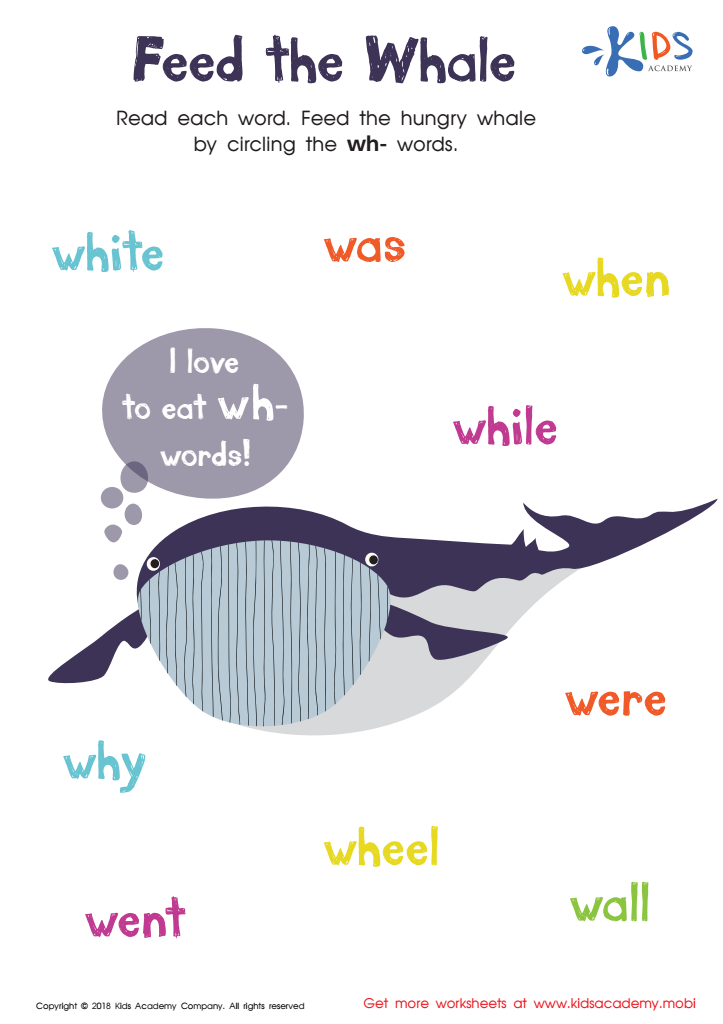
Feed the Whale Worksheet

Long and Short E Worksheet
Assign to My Students








Hand-eye coordination is crucial for children aged 5-7 as it lays the foundation for various skills necessary for both academic success and daily life. During this developmental stage, children are honing their motor skills, enabling them to write, draw, and manipulate objects, all of which are essential for effective learning. Normal phonics, which links sounds with letters, demands a level of hand-eye coordination to help children track words, form letters, and ultimately read more proficiently.
When children engage in phonics activities, they are not just learning to decode language but are also refining their coordination. This dual skill set significantly impacts their ability to follow teacher instructions, participate in group work, and develop fine motor skills. Moreover, children with strong hand-eye coordination are more likely to enjoy physical activities, thus promoting a well-rounded development.
Parents and teachers should prioritize activities that enhance these skills, from simple writing exercises to interactive games that boost phonics learning while promoting hand-eye coordination. By doing so, they help create a supportive environment where children's literacy, confidence, and motor abilities flourish, setting the stage for future academic achievements.







