Vocabulary enhancement Normal Short Vowels Worksheets for Ages 5-7
3 filtered results
-
From - To
Explore our engaging Vocabulary Enhancement Normal Short Vowels Worksheets designed specifically for children aged 5-7. These interactive resources focus on short vowel sounds, helping young learners expand their vocabulary in a fun and effective way. Each worksheet is tailored to reinforce phonetic understanding and encourages creativity, boosting literacy skills. With visual aids and varied activities, children will practice identifying and using short vowel words with confidence. Ideal for classroom or at-home learning, our worksheets foster a love for language while laying the foundation for reading success. Start enhancing your child's vocabulary today with our exciting printable worksheets!
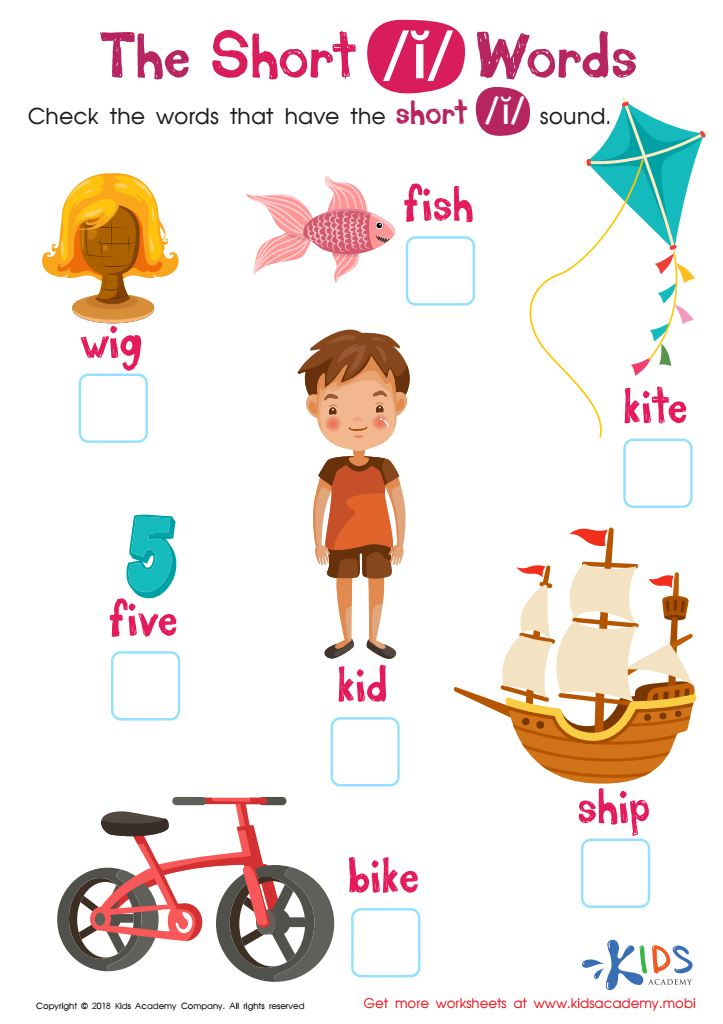
The Short I Words Reading Worksheet
 Assign to My Students
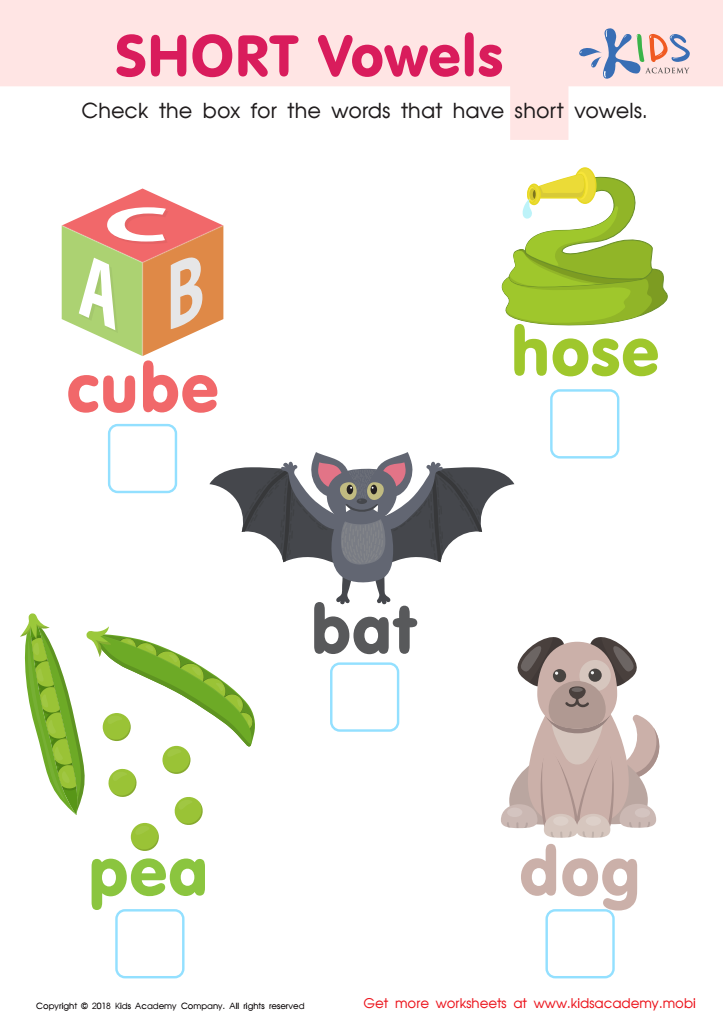
short vowels Worksheet
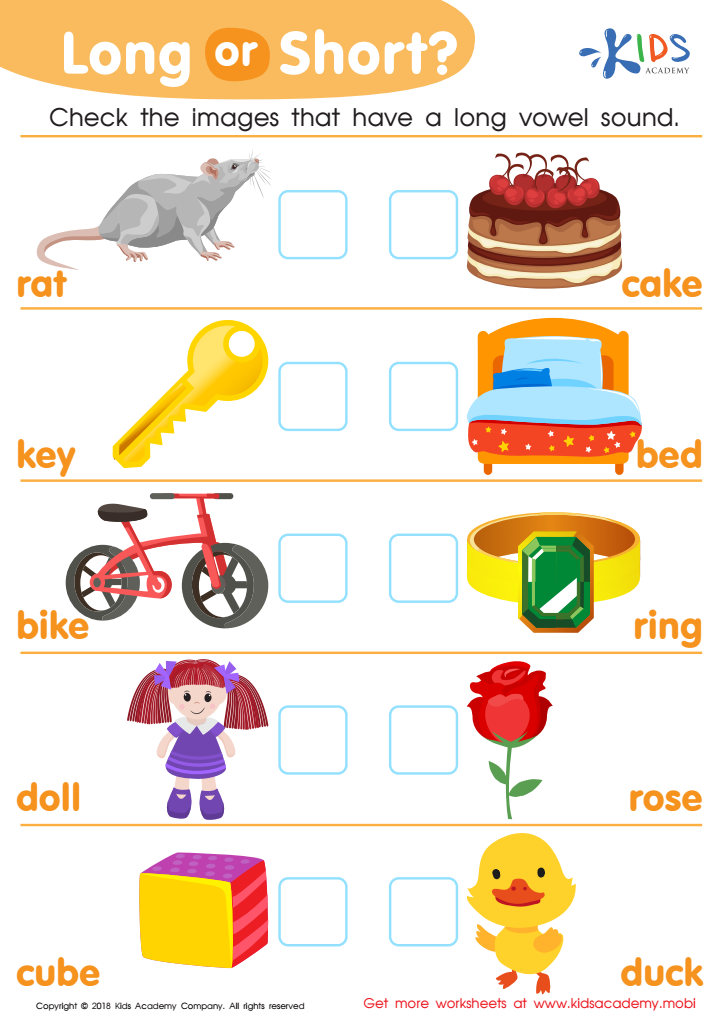
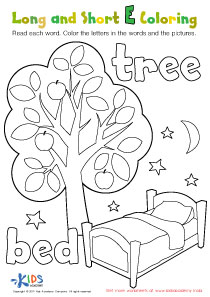
Long or Short Reading Worksheet



Vocabulary enhancement, particularly focusing on normal short vowels for children aged 5-7, is crucial for several reasons. First, this foundational age is when children develop essential language skills that influence their future reading and writing abilities. Short vowels—like 'a,' 'e,' 'i,' 'o,' and 'u'—are core components of many words, making the understanding of these sounds pivotal for early literacy.
Secondly, expanding vocabulary helps children express themselves more effectively, fostering confidence in communication. A rich vocabulary aids in understanding spoken and written language, allowing children to engage more fully with stories and conversations, which is essential for social development.
Moreover, vocabulary growth is closely linked to cognitive development. It enhances comprehension skills, enabling children to process information better and facilitate active learning. When children can use and understand a wider array of words, they become more adept problem solvers and critical thinkers.
Lastly, focusing on vocabulary enhancement gives teachers and parents the opportunity to bond with children through learning activities, games, and reading, making the learning process enjoyable. Therefore, investing in early vocabulary enhancement helps set a solid foundation for lifelong learning success, making it a priority for educators and parents alike.