Visual discrimination skills Normal Upper & Lowercase Letters Worksheets for Ages 5-7
4 filtered results
-
From - To
Enhance your child's visual discrimination skills with our engaging worksheets designed specifically for ages 5-7. These printable activities focus on normal upper and lowercase letters, helping young learners identify, differentiate, and match letters in a fun and interactive way. By practicing through various exercises, children will improve their attention to detail and boost their overall reading readiness. Our visually stimulating worksheets feature colorful designs that capture children's interest and encourage learning through play. Perfect for use at home or in the classroom, these resources provide a strong foundation for literacy skills, setting the stage for future academic success. Download today!
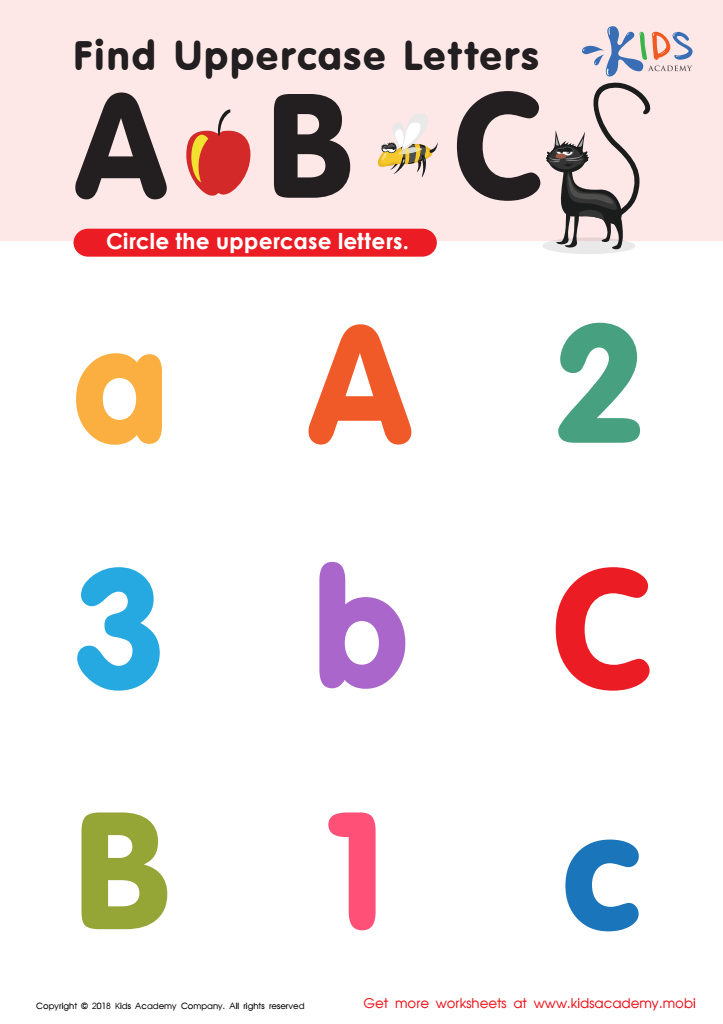
Find Uppercase Letters A, B, and C Worksheet
 Assign to My Students
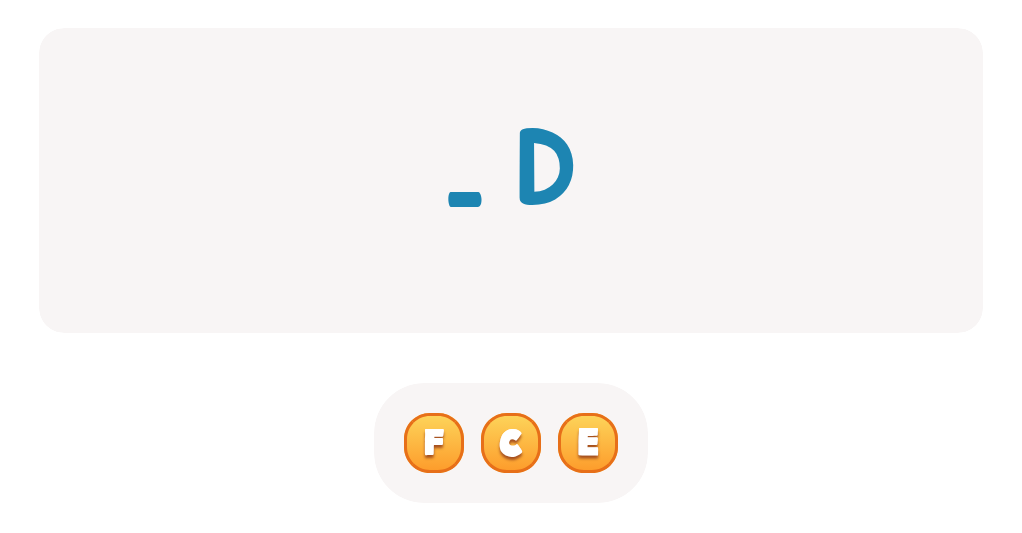

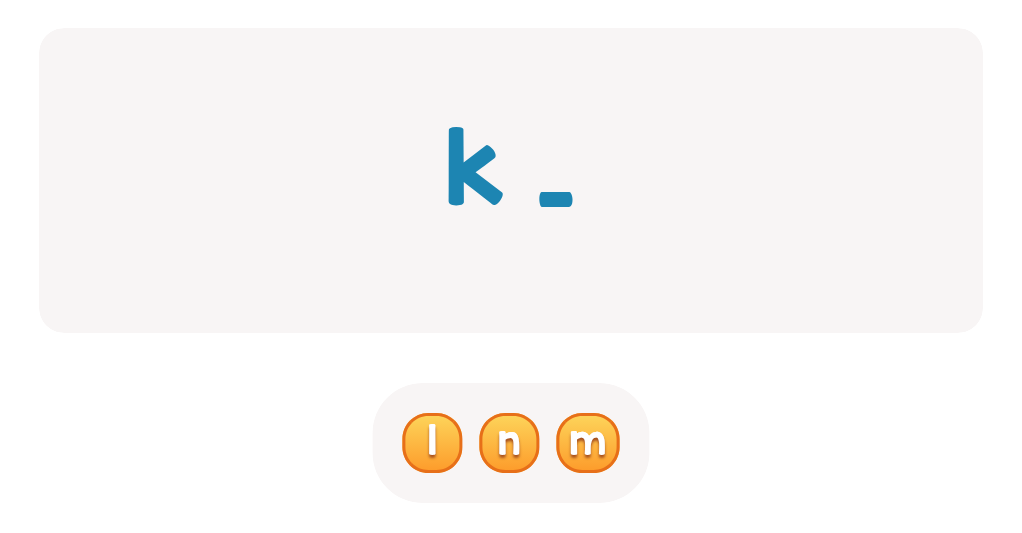
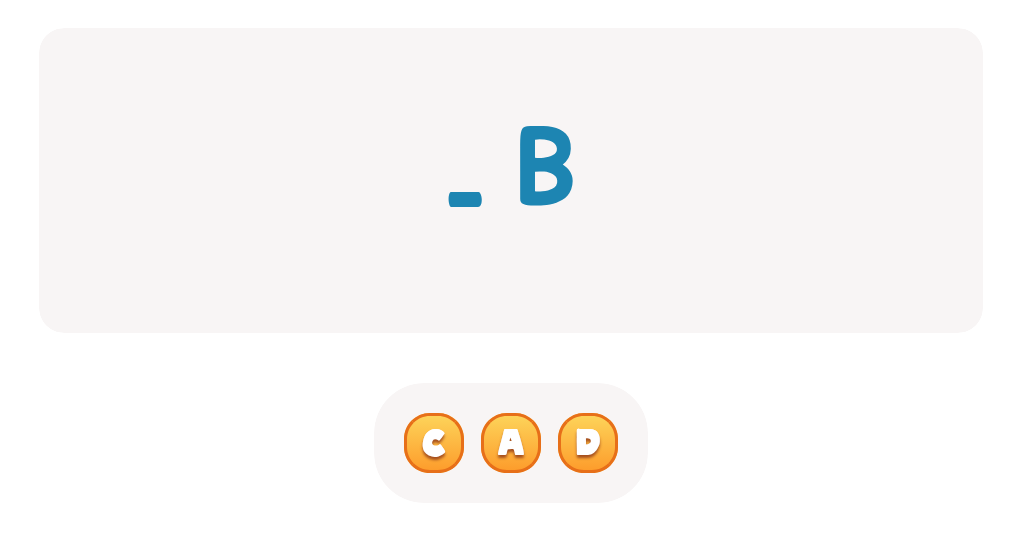
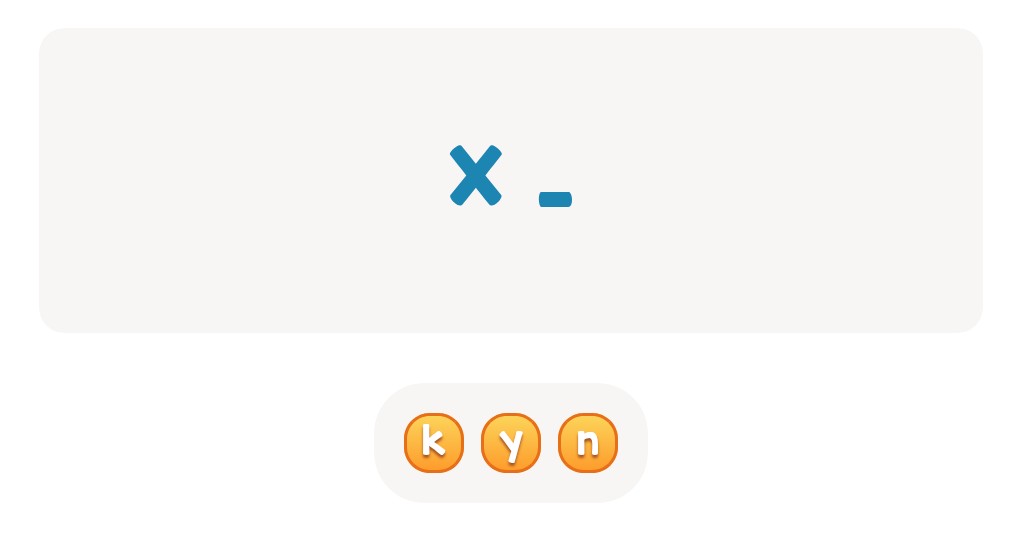
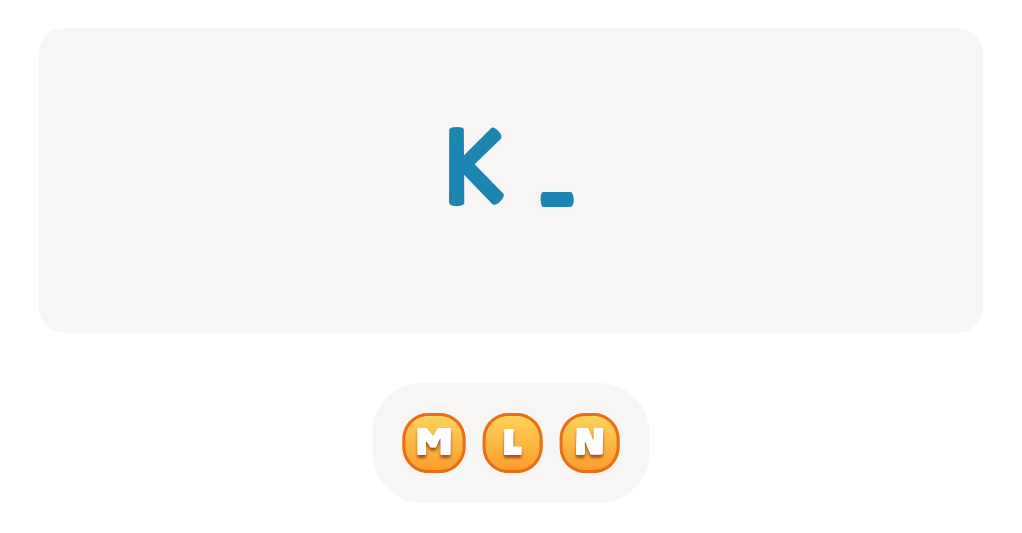
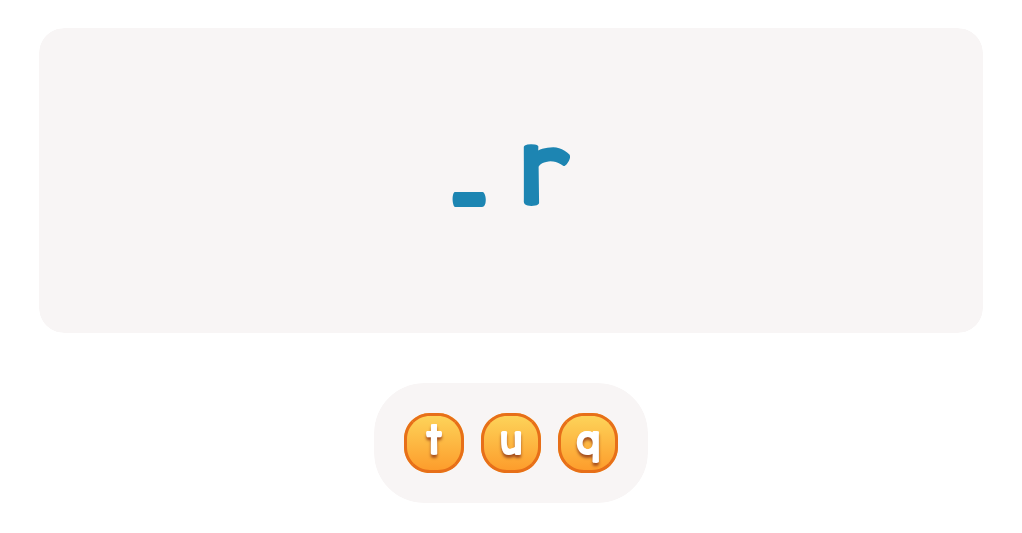

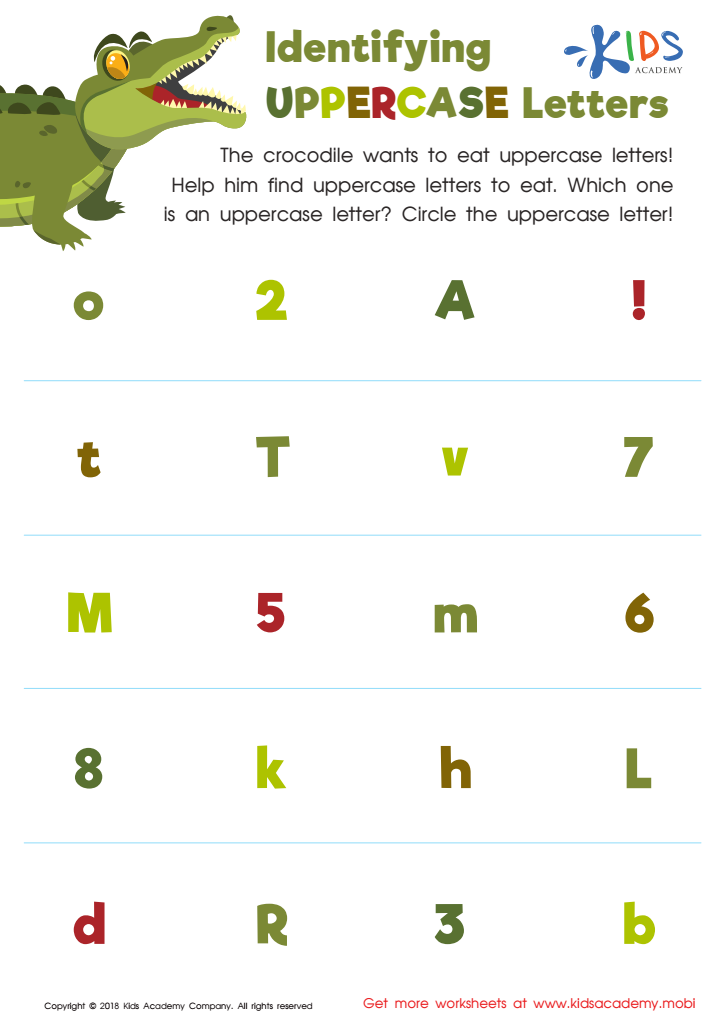
Identifying Uppercase Letters Worksheet
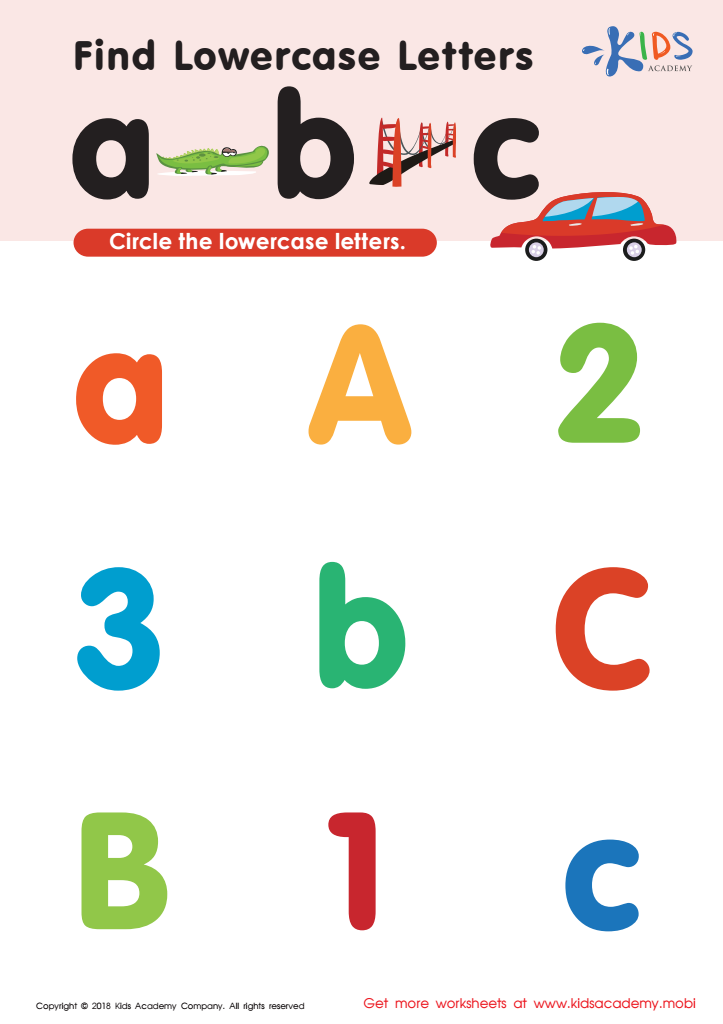
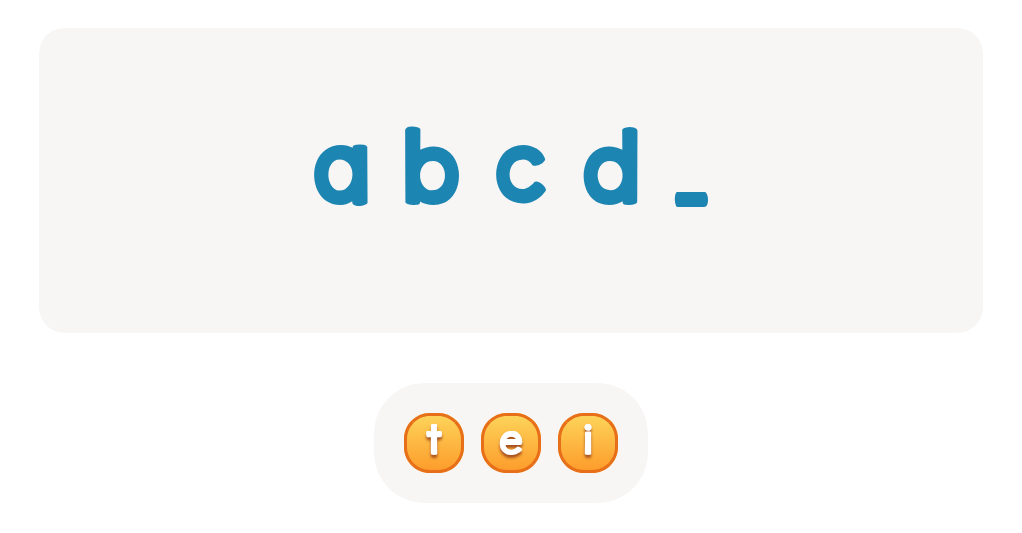
Find lowercase letters a b c Worksheet
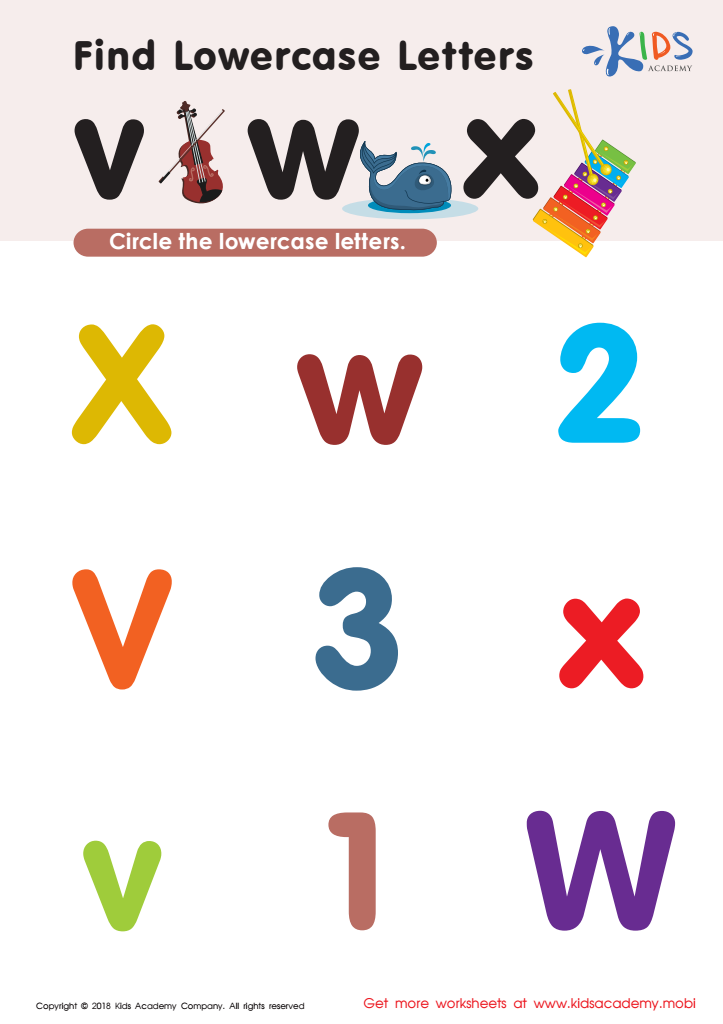
Find Lowercase Letters v w x Worksheet






Visual discrimination skills are crucial for children aged 5-7 as they serve as the foundation for reading and writing proficiency. This ability enables children to recognize, differentiate, and interpret letters, both uppercase and lowercase, fostering their literacy development. When children can efficiently distinguish between similar looking letters like 'b' and 'd' or 'p' and 'q', they can better decode words, enhancing their reading fluency and comprehension.
Parents and teachers play a vital role in nurturing these skills. By focusing on visual discrimination, they can help children develop confidence in their literacy abilities. Strong recognition skills not only minimize the risks of reading difficulties but also encourage a love for reading, which is essential for lifelong learning.
Moreover, early intervention in enhancing visual discrimination can positively impact children's overall academic performance, influencing their engagement and motivation within the classroom. Activities such as sorting letters, matching games, and interactive literacy tools can make learning fun and effective. By prioritizing these skills, adults can provide invaluable support that sets the stage for future academic success and fosters a sense of achievement in young learners. Ultimately, understanding and addressing visual discrimination can pave the way toward more robust literacy capabilities.







