Fine Motor Skills Normal English for Beginners Worksheets for Ages 5-7 - Page 2
32 filtered results
-
From - To
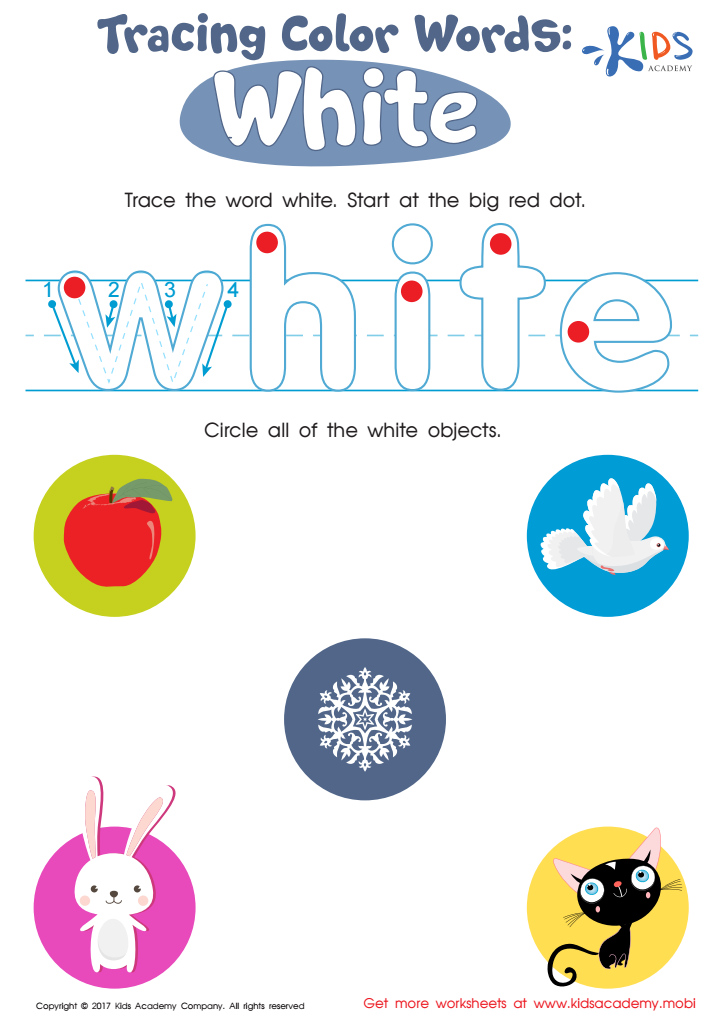
White Tracing Color Words Worksheet
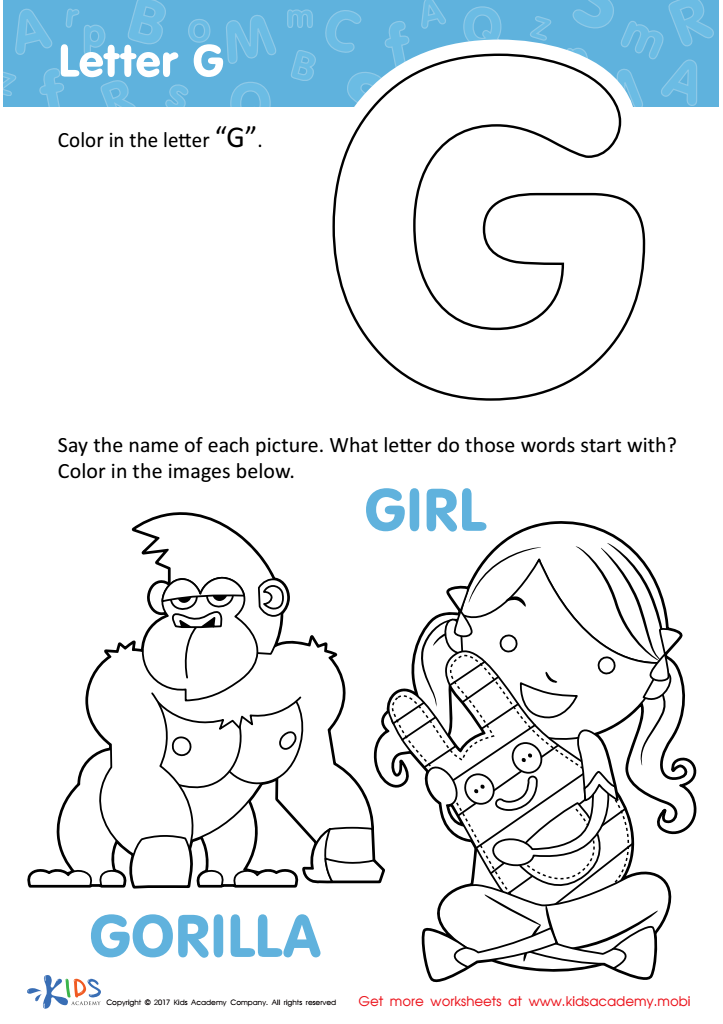
Letter G Coloring Sheet
 Assign to My Students
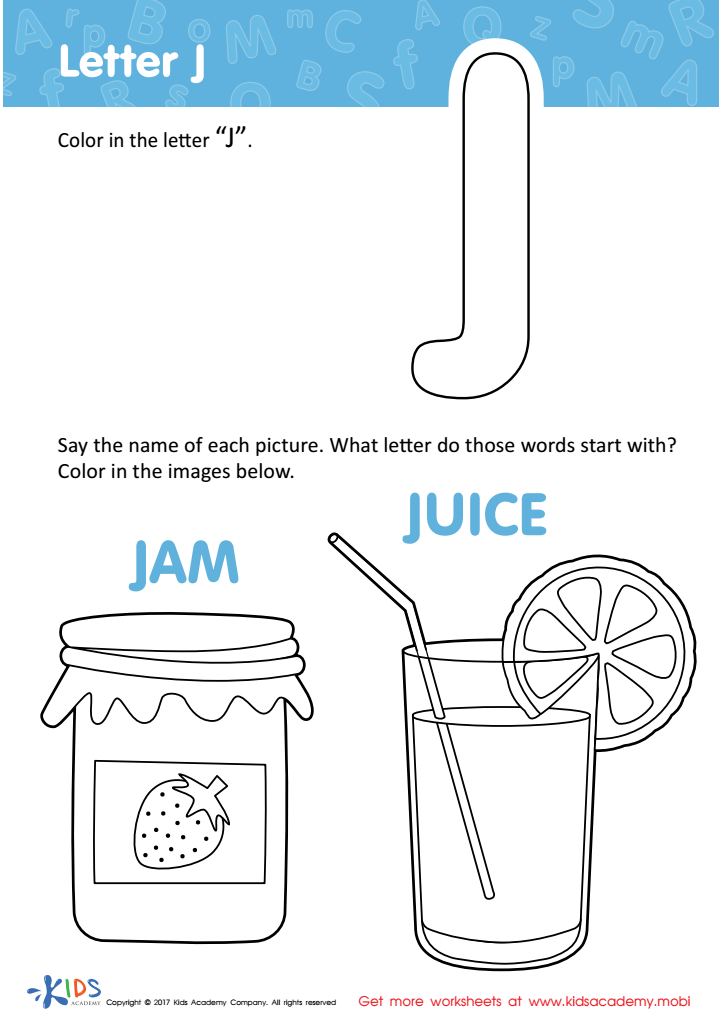
Letter J Coloring Sheet
Assign to My Students
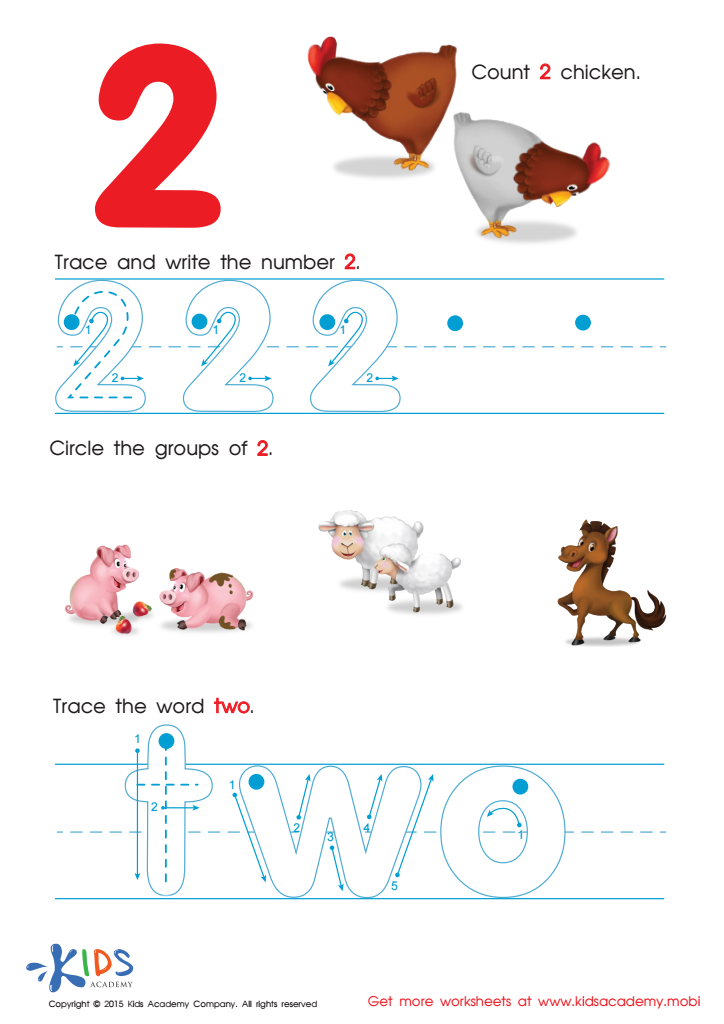
Learn to Write the Number 2 Worksheet
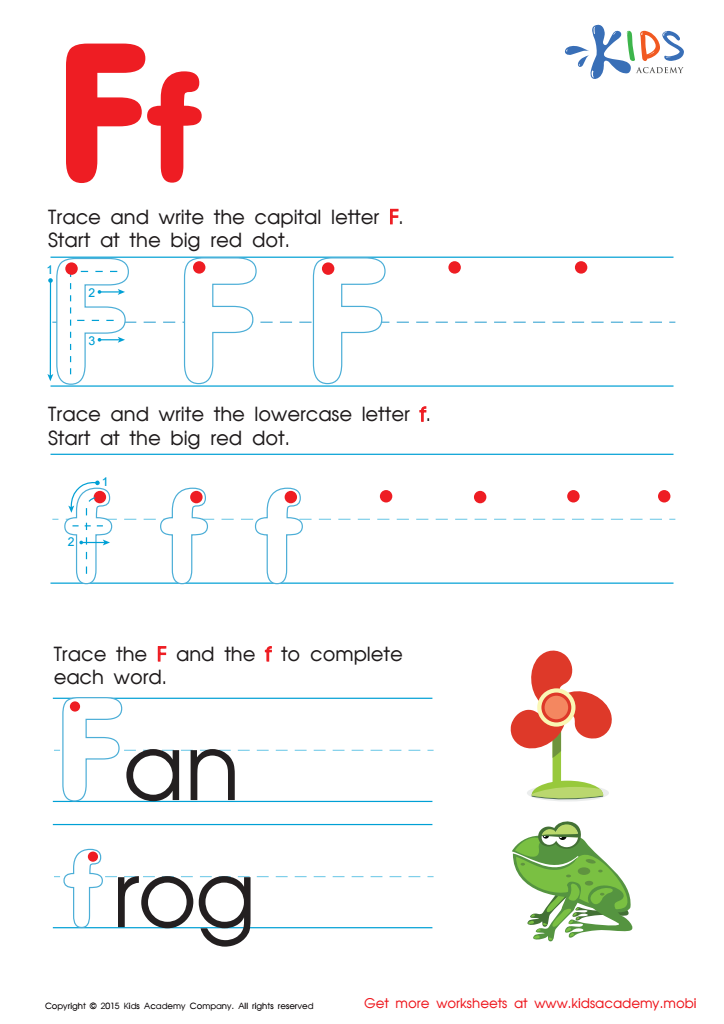
Letter F Tracing Page
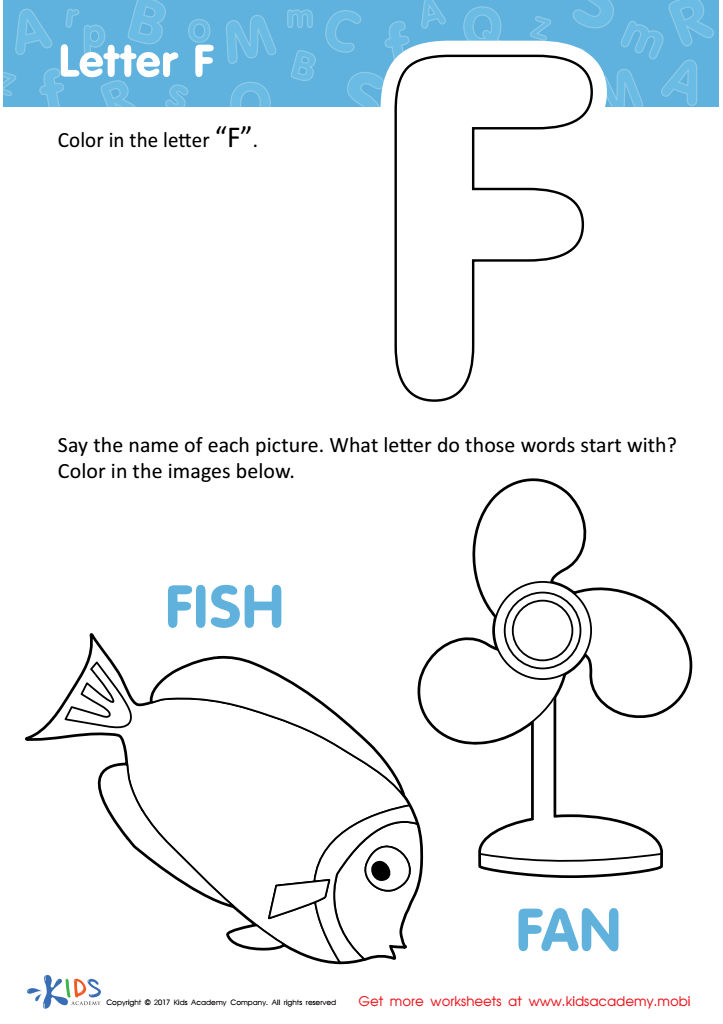
Letter F Coloring Sheet
Assign to My Students
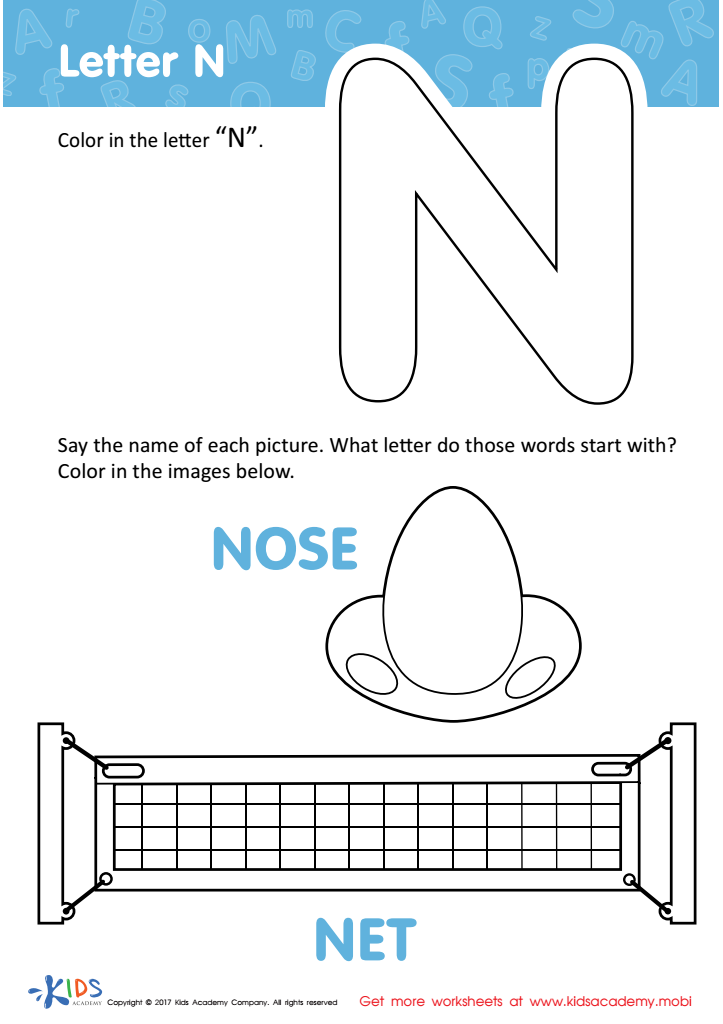
Letter N Coloring Sheet
Assign to My Students
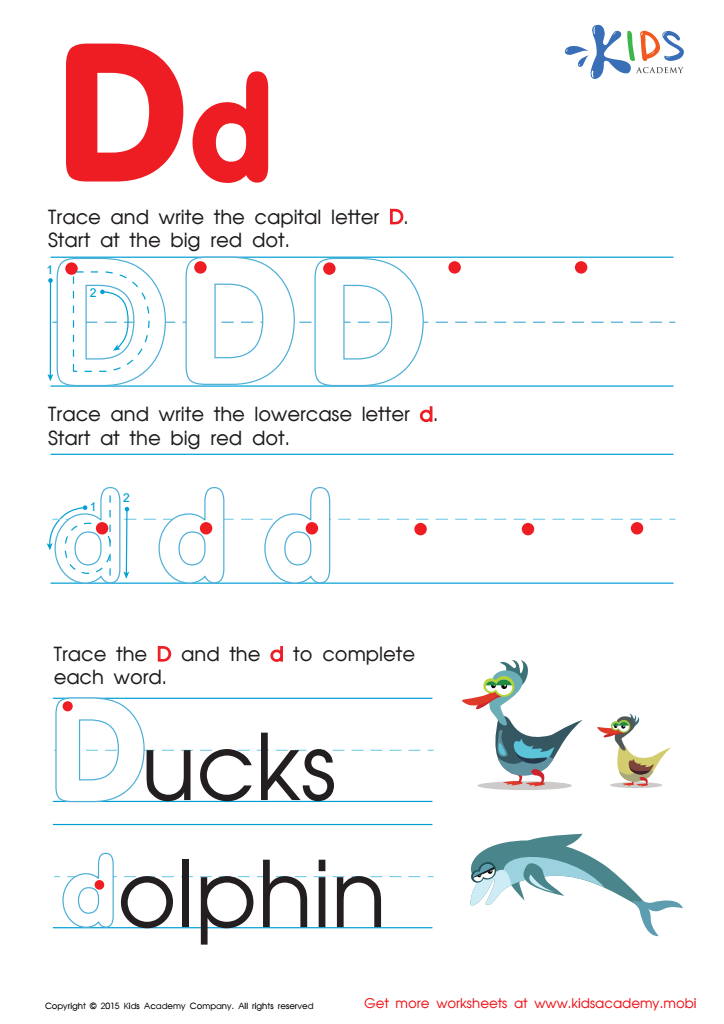
Letter D Tracing Page





Fine motor skills are essential for young children as they involve the small muscles in the hands and fingers, which are crucial for completing everyday tasks. For children aged 5-7, developing these skills is particularly important because it helps them perform tasks such as writing, using scissors, and buttoning clothes. When parents and teachers encourage fine motor skill activities, children build confidence and independence.
Improving fine motor skills also supports cognitive development and enhances hand-eye coordination, which are vital for learning. As children master these skills, their ability to focus and concentrate improves, leading to better performance in school. Activities like drawing, crafting, and puzzles are not only fun but also contribute to skill development.
Furthermore, good fine motor skills can positively impact a child's emotional well-being. Accomplishing tasks, like tying their shoelaces or completing a craft project, gives children a sense of achievement.
In summary, promoting fine motor skill development in young children is vital. It prepares them for future academic success and everyday life and fosters their self-confidence and enjoyment in learning activities. Parents and teachers play a crucial role in guiding children through fun, engaging activities that enhance these skills.