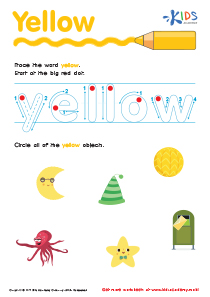
Handwriting practice Normal English for Beginners Worksheets for Ages 5-7 - Page 2
26 filtered results
-
From - To
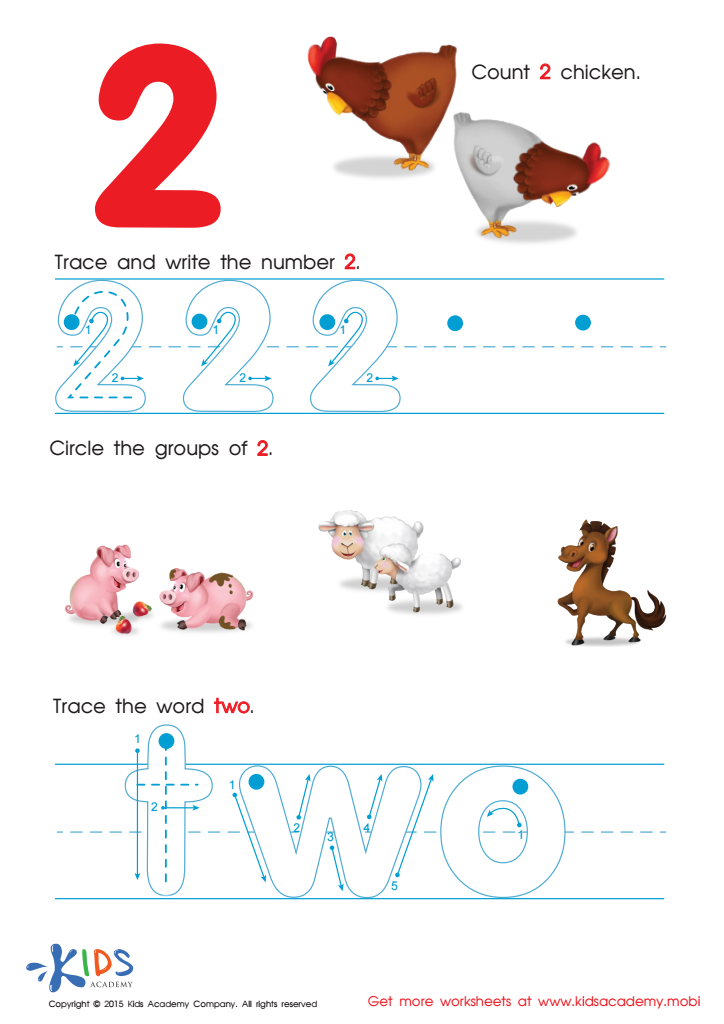
Learn to Write the Number 2 Worksheet
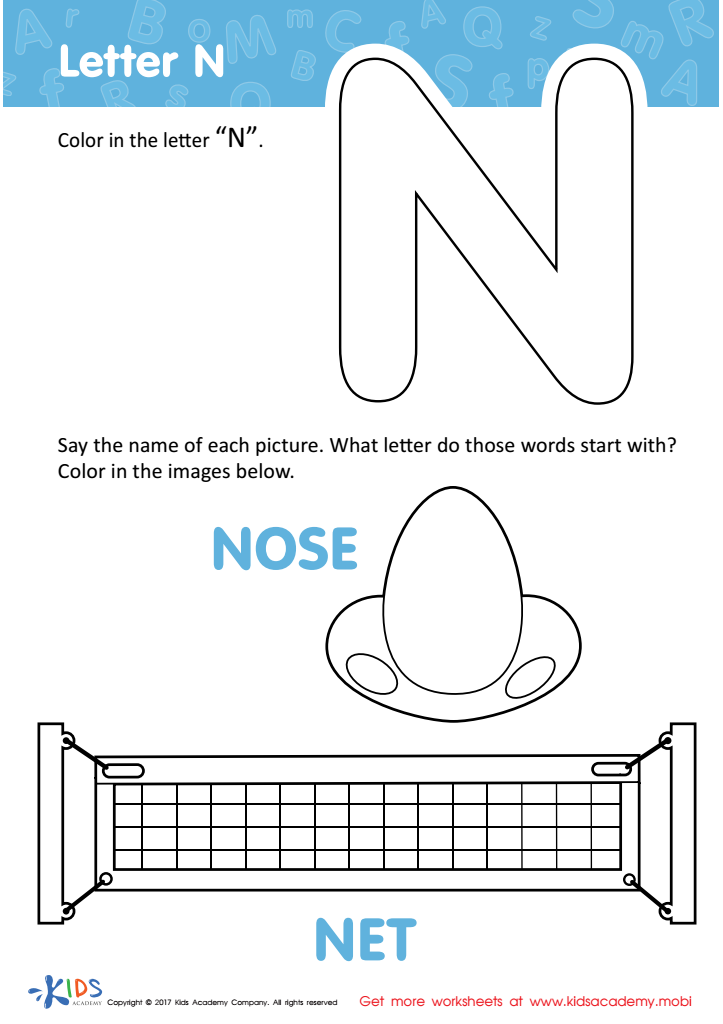
Letter N Coloring Sheet
 Assign to My Students





Handwriting practice for beginners, particularly for children ages 5-7, is crucial for several reasons. Firstly, handwriting helps develop fine motor skills, enabling young children to improve their hand-eye coordination. These foundational skills are essential for various everyday tasks, from using scissors to typing on a computer.
Additionally, proficient handwriting contributes to a child's confidence in their writing abilities. As they master letter formation and spacing, they may feel more prepared to express their thoughts and creativity on paper. This is especially vital in early literacy development, as handwritten activities enforce connections between letters and sounds.
Moreover, good handwriting can enhance academic performance. Clear and legible writing makes it easier for teachers to read and assess a child's work, contributing to better feedback and encouragement. This can spark a greater interest in learning.
Lastly, handwriting practice isn't just about letters; it fosters patience and perseverance. Children learn to care about the quality of their work, which is an important life skill. By emphasizing handwriting practice, parents and teachers play a key role in supporting not only literacy development but also the overall growth of children's confidence and fine motor abilities.