Filters

6 filtered results

Clear all filters
Favorites
With answer key
Interactive

6 filtered results

Difficulty Level

Grade


Unlock your child’s potential with our Vocabulary Expansion Normal English for Beginners Worksheets, designed for ages 5-7. These worksheets provide engaging, age-appropriate activities to enhance vocabulary, bolster communication skills, and build a strong language foundation. Perfect for young learners who are new to English or need extra support, our worksheets use fun games, colorful illustrations, and interactive exercises to make learning enjoyable and effective. Ideal for both classroom and home use, they are a valuable resource for nurturing early language skills. Help your child take their first steps towards mastering English with our thoughtfully crafted worksheets.

Check out this FREE Trial Lesson on English for Beginners for age 5-7!

Answer Questions About Unknown Words in an Informational Text

Favorites
With answer key
Interactive
  • 5-7
  • Vocabulary expansion
  • English for Beginners
  • Normal
Sight words printable worksheet- sing, sit, sleep

Sing, Sit, Sleep Sight Words Worksheet
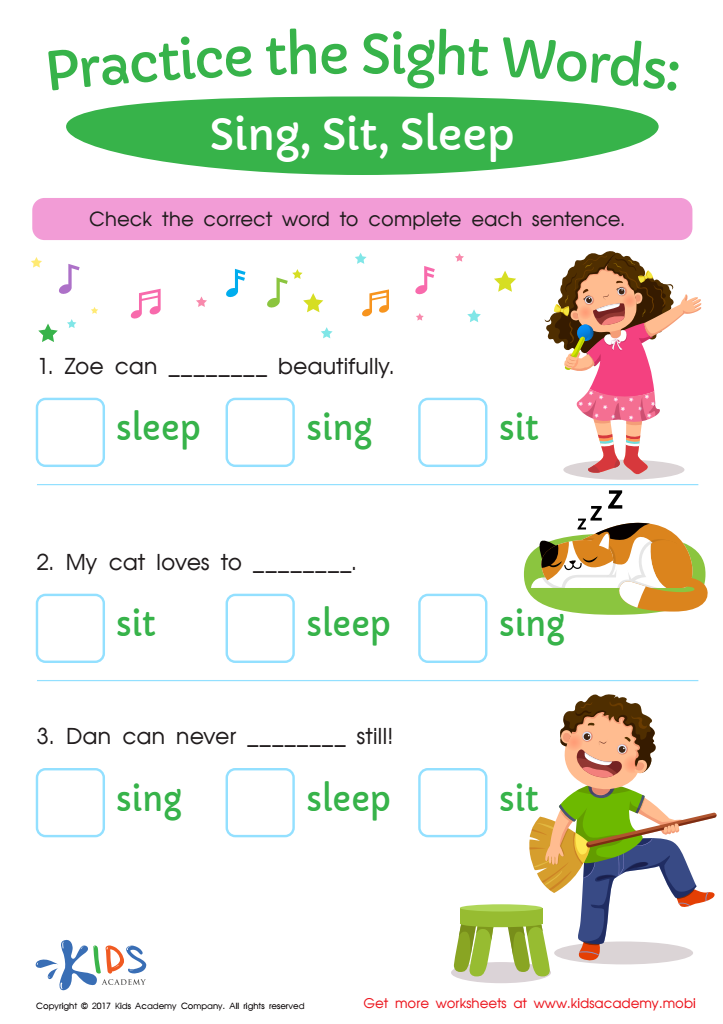
Practice sight words with this printable worksheet featuring sing, sit, sleep! Confusing at first, these words can be mastered with the help of simple sentences and fun illustrations.
Sing, Sit, Sleep Sight Words Worksheet
Worksheet
Long and Short U Worksheet

Long and Short U Worksheet

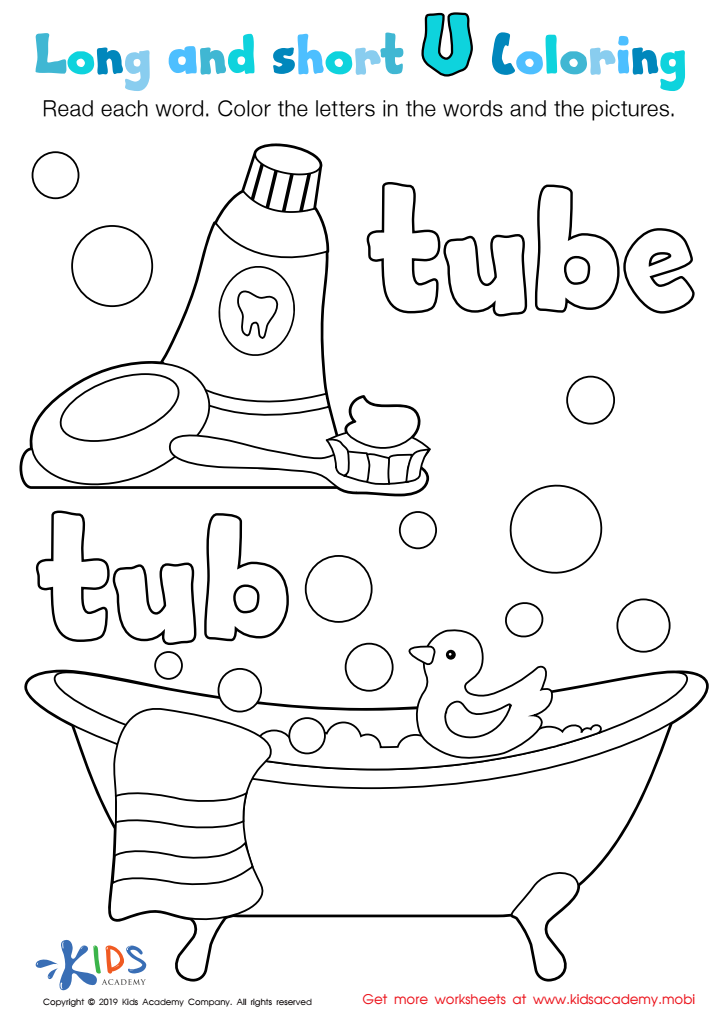
Revised: Spice up your lesson on long and short vowels with this fun printout! Kids read the words "tube" and "tub," then reinforce the sound by coloring in the words and pictures. It's a great way to make phonics class enjoyable!
Download (PDF)
Assign to My Students
Long and Short U Worksheet
Worksheet
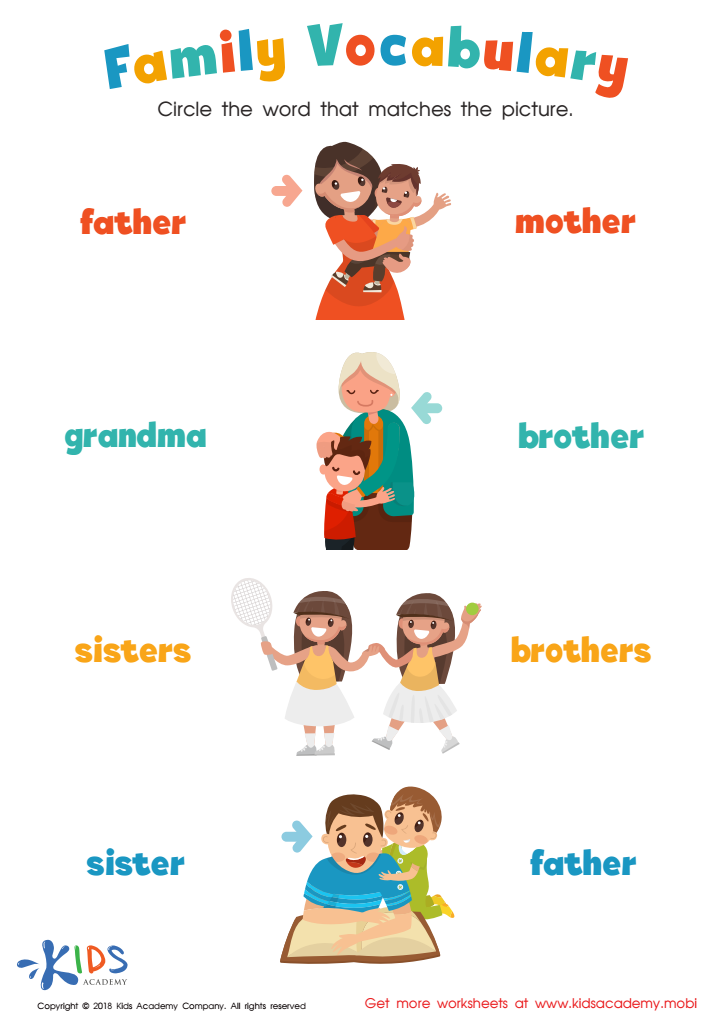
Family Vocabulary Worksheet

Family Vocabulary Worksheet

Students learn about families in social studies. This worksheet helps them identify family members by looking at a picture and circling the corresponding word. To extend their learning, ask them to talk about their own family members.
Family Vocabulary Worksheet
Worksheet
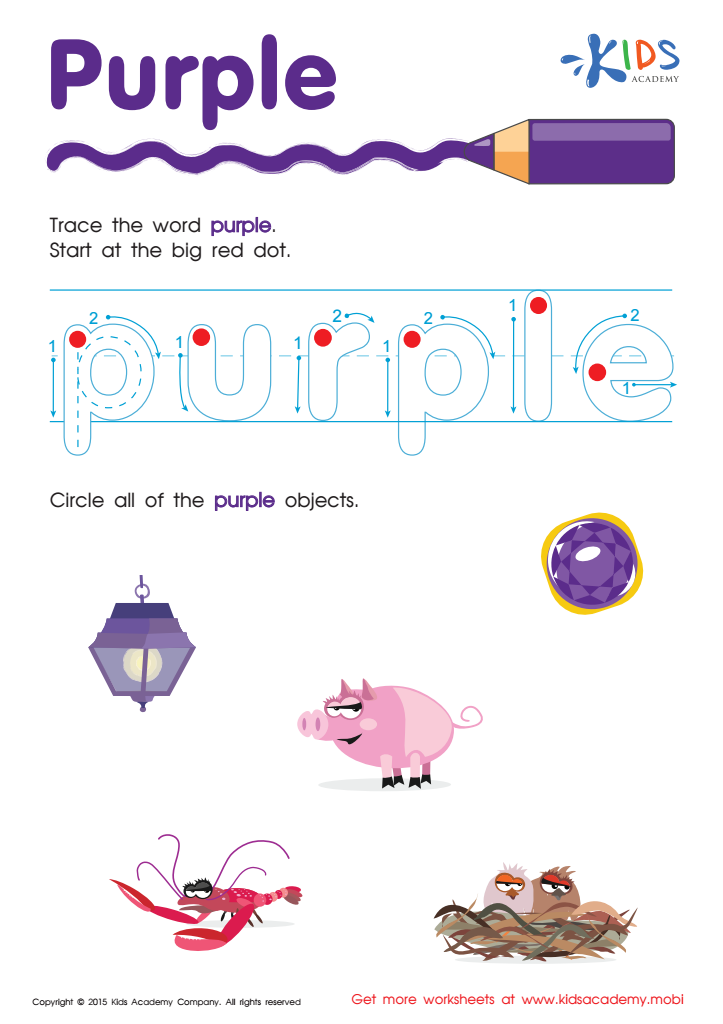
Handwriting PDF Worksheets | Tracing Color Words | Purple

Purple Tracing Color Words Worksheet

Help your kindergartener practice their handwriting with this fun, free printable. They'll trace and color the word “purple”, starting at the big red dots, and pick out and circle all the purple objects they see. They'll get to train their fine motor muscles while having fun! Check out here for more handwriting practice.
Purple Tracing Color Words Worksheet
Worksheet
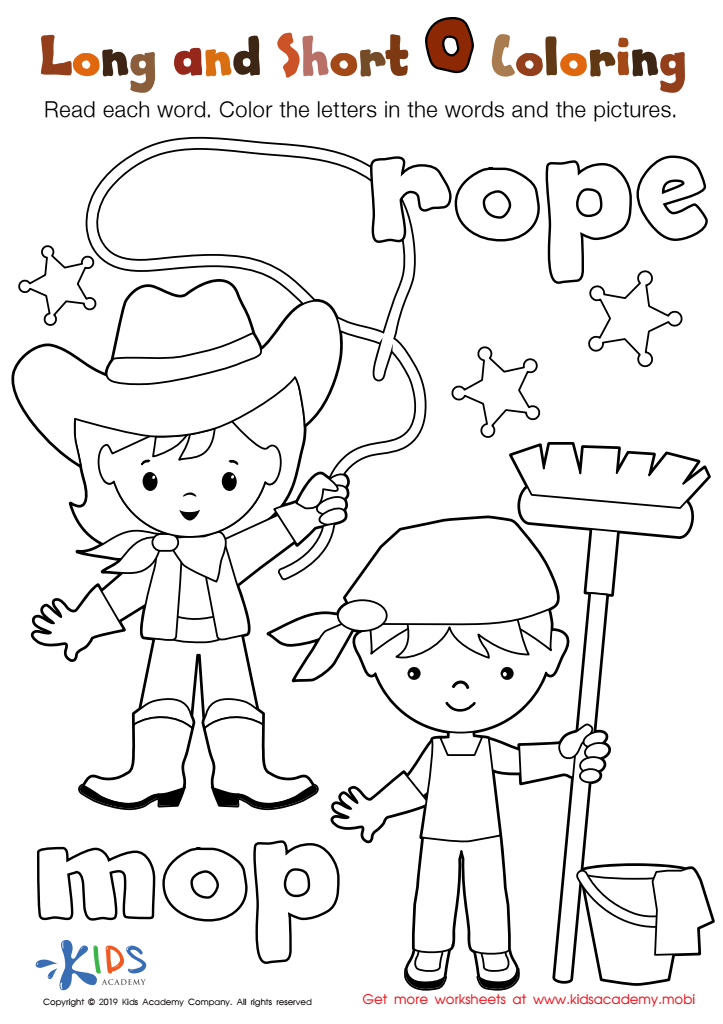
Long and Short O Worksheet

Long and Short O Worksheet

Help your students recognize the difference between long and short «Os» with this fun printout. Let them read and color-in "rope" and "mop" simultaneously. Listen to the different sounds, then color the words and pictures. Great for classes, it'll make your phonics lesson memorable and enjoyable.
Download (PDF)
Assign to My Students
Long and Short O Worksheet
Worksheet
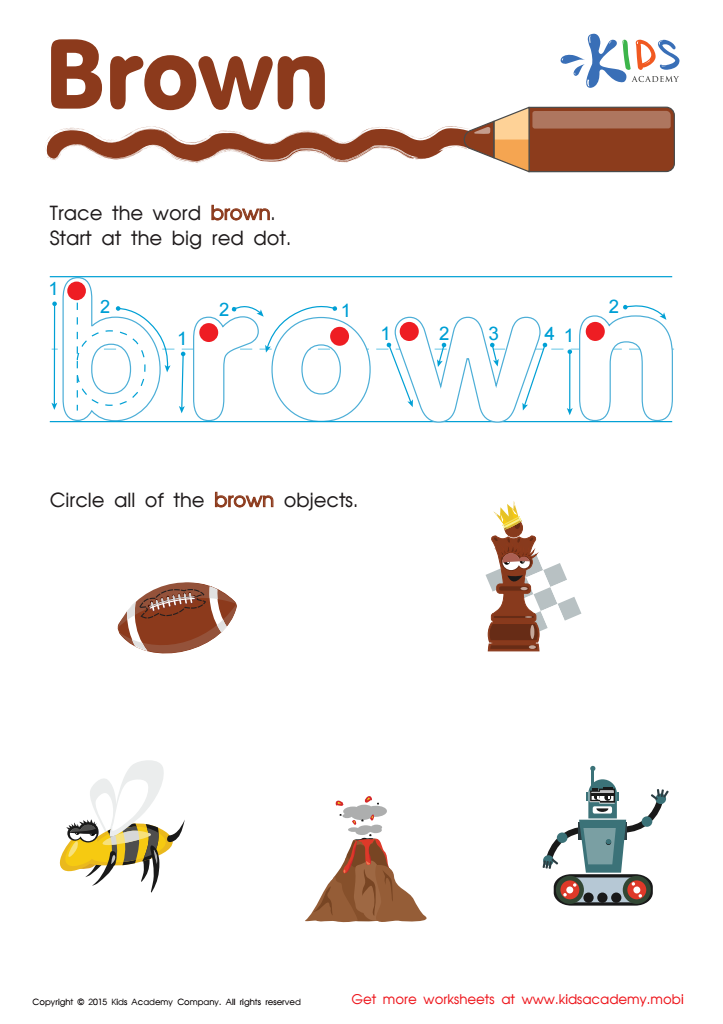
Handwriting PDF Worksheets | Tracing Color Words | Brown

Brown Tracing Color Words Worksheet

This worksheet helps kids develop fine motor muscles and practice writing. Have them trace the word "brown" with a crayon, then find the brown objects in the picture. Ask them to look around and say what's brown in their room to make it more fun. Writing basics and a bit of fun - check out this free printable handwriting worksheet! For more tracing color words, check out here.
Brown Tracing Color Words Worksheet

Worksheet


Parents and teachers should prioritize vocabulary expansion for children aged 5-7 because language development during these years is crucial for their overall cognitive growth and academic success. When children learn new words, they not only enhance their ability to express themselves clearly and effectively but also boost their reading comprehension and critical thinking skills. It’s during these formative years that a robust vocabulary foundation is established, which will influence their ability to understand complex concepts as they progress through school.

A rich vocabulary allows children to better grasp the meaning of stories and instructions, fostering a love for reading and learning that can last a lifetime. Moreover, strong language skills contribute to improved social interactions and emotional regulation, as children find it easier to articulate their thoughts and feelings.

Engaging children in vocabulary-building activities, like reading diverse books, playing word games, and engaging in conversations, stimulates their curiosity and encourages a love for words. It’s about more than just having a list of new words to memorize; it’s about constructing a deep understanding and appreciation for language. Investing in vocabulary expansion at this age thus provides children with the tools they need to succeed academically, socially, and personally in the long term.