Developing analytical thinking Normal Worksheets for Ages 5-7
5 filtered results
-
From - To
Our "Developing Analytical Thinking Normal Worksheets for Ages 5-7" are expertly crafted to ignite young minds. Designed to enhance critical thinking, problem-solving, and logic skills, these worksheets engage children through fun, age-appropriate activities. Each worksheet encourages kids to observe, compare, and analyze information, laying a strong foundation for academic success. With colorful illustrations and engaging challenges, learning becomes an exciting adventure. Perfect for parents and educators, these worksheets provide comprehensive support in nurturing analytical thinking in early learners. Empower your child and watch them thrive with strong cognitive skills, confidence, and curiosity for the world around them.
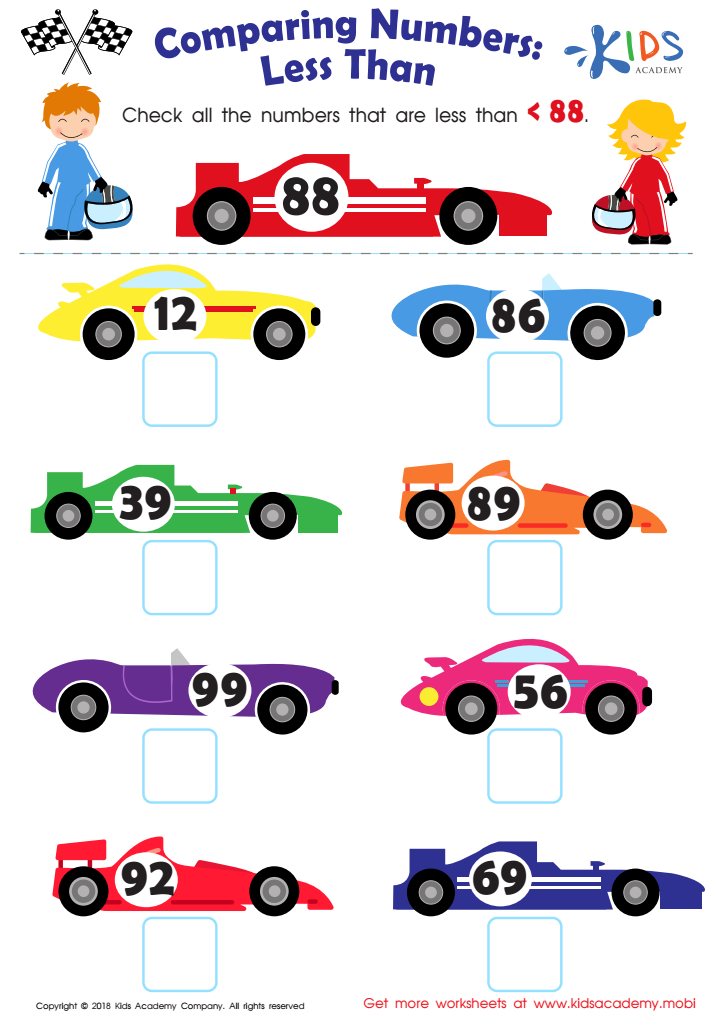
Less Than Worksheet
 Assign to My Students
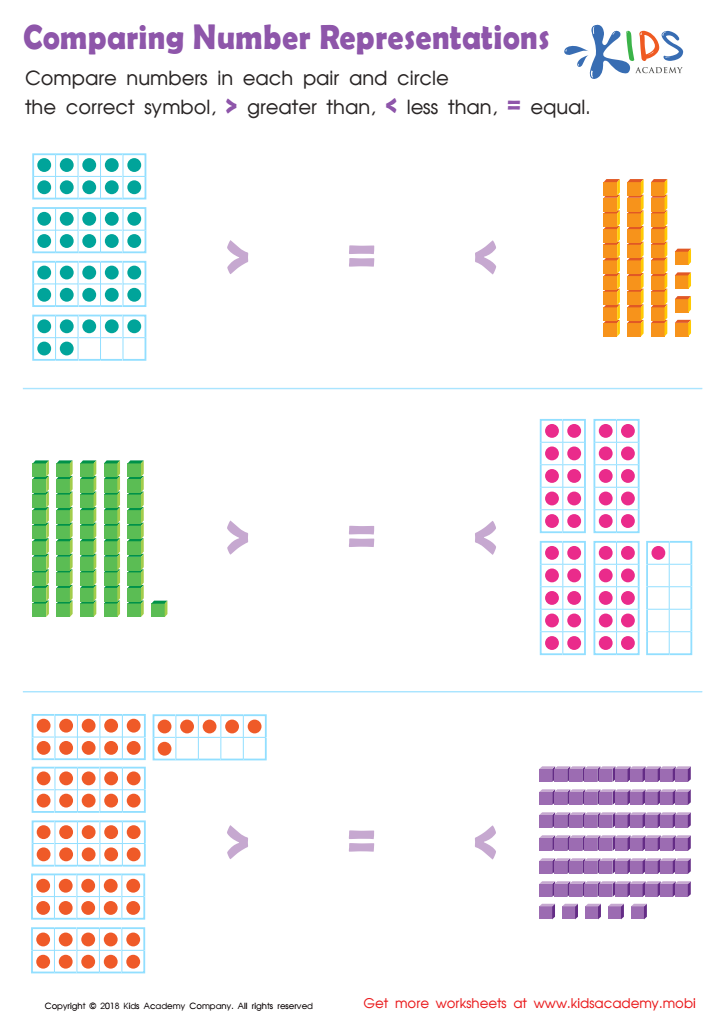
Comparing Number Representations Worksheet
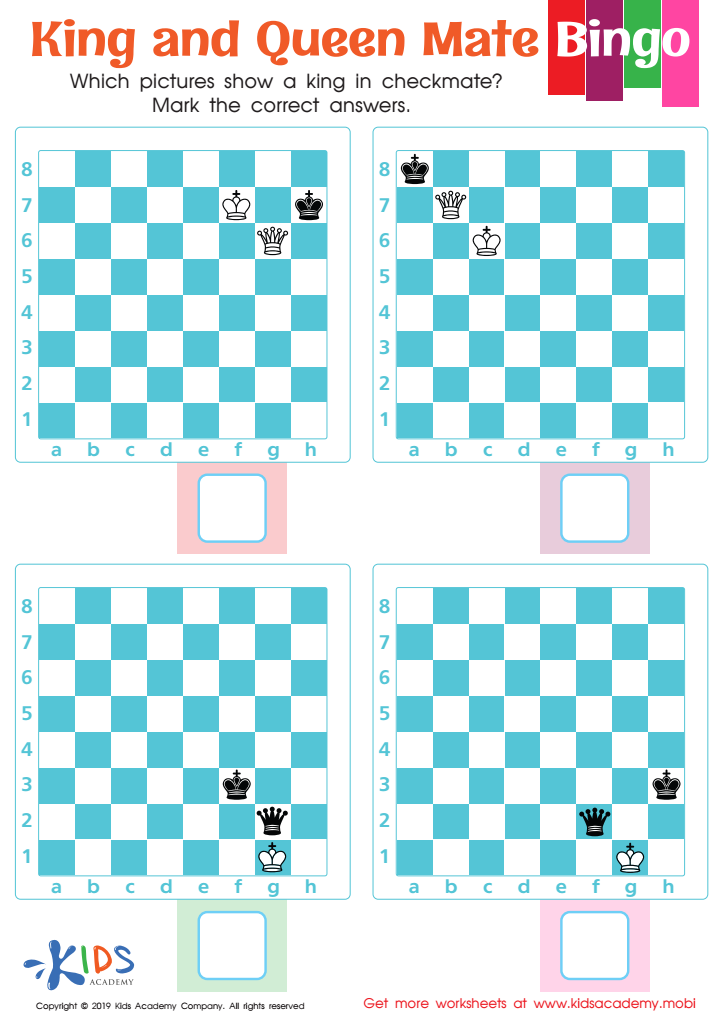
King and Queen Mate: Bingo Worksheet
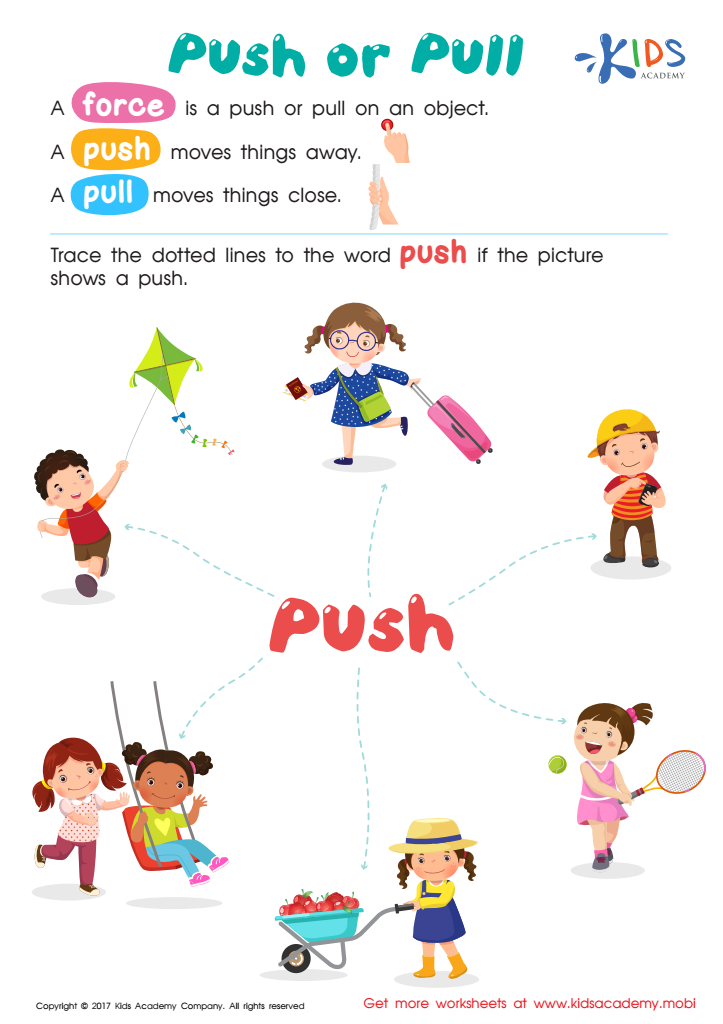
Push or Pull Worksheet
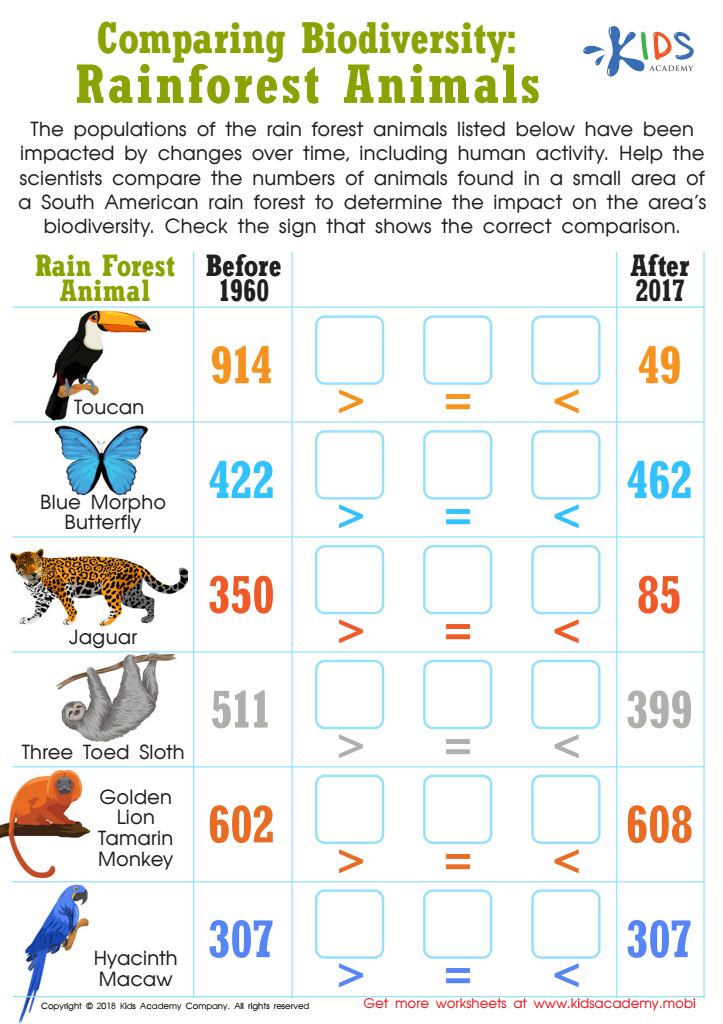
Comparing Biodiversity: Rainforest Animals Worksheet




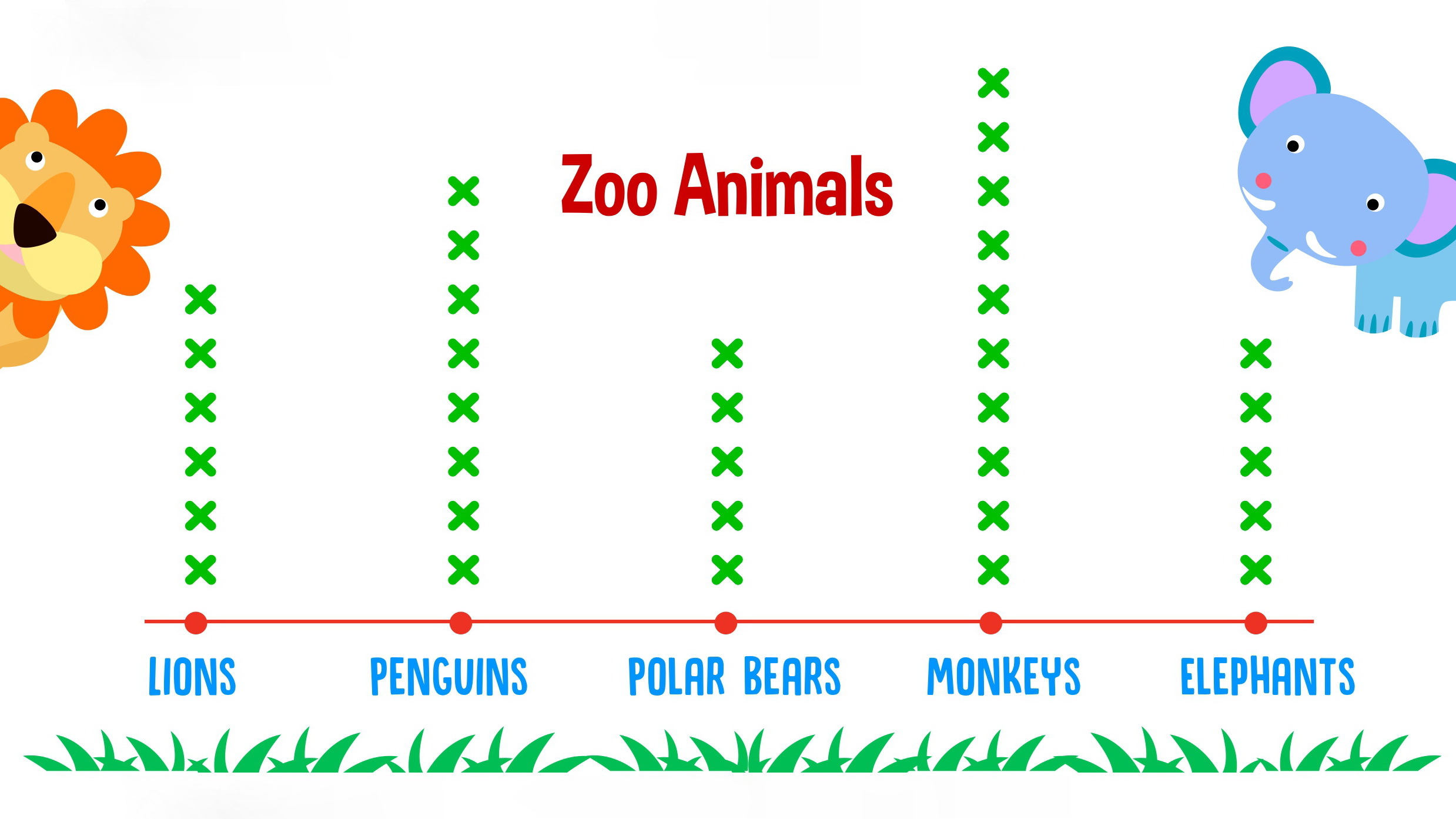


Developing analytical thinking in children aged 5-7 is crucial for their cognitive and personal growth. At this formative stage, their brains are highly impressionable and adaptable, making it an ideal time to nurture these skills. Analytical thinking helps children to understand and process information logically, enhancing their problem-solving abilities. This foundational skill benefits them in academic learning across subjects such as math, science, and literacy, by allowing them to make connections, predict outcomes, and understand cause-and-effect relationships.
For parents and teachers, fostering analytical thinking equips children with critical life skills. It encourages curiosity, which is pivotal for lifelong learning. A child who can analyze a situation will better navigate social interactions, understand complex instructions, and make informed decisions. Engaging children in activities that promote analytical reasoning, such as puzzles, games, and open-ended questions, can also enhance their creativity and resilience. By promoting analytical thinking, we prepare young learners to face future challenges with confidence and initiative.
Investing in the development of analytical thinking at an early age lays down a strong bedrock for future educational success and personal fulfillment, making it a critical area of focus for both parents and teachers.








