Learning addition Normal Worksheets for Ages 5-7
4 filtered results
-
From - To
Welcome to our "Learning Addition Normal Worksheets" designed specifically for children aged 5-7! These engaging printable worksheets provide a fun and interactive way for young learners to master basic addition skills. Our carefully crafted activities promote foundational math understanding through colorful illustrations and diverse exercises. Each worksheet is tailored to build confidence and enhance critical thinking while encouraging independent practice. Ideal for classroom settings or at-home learning, these addition worksheets foster a positive learning experience. Support your child's educational journey and watch them become proficient in addition as they grow! Explore our resources to make learning math enjoyable and effective!
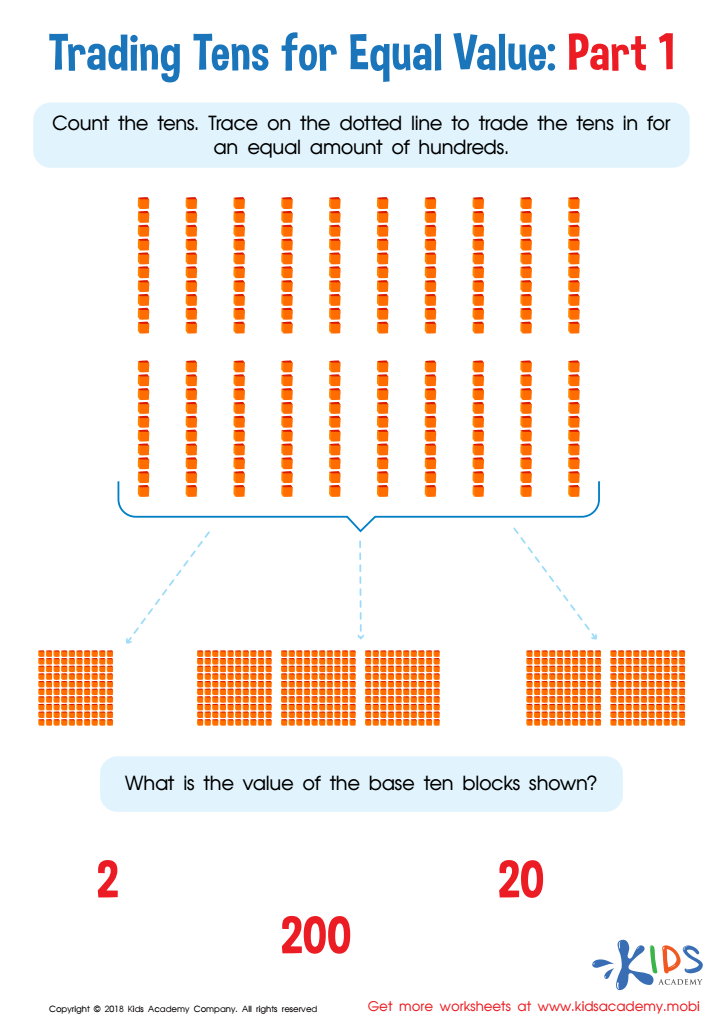
Trading Tens for Equal Value Worksheet: Part 1
 Assign to My Students
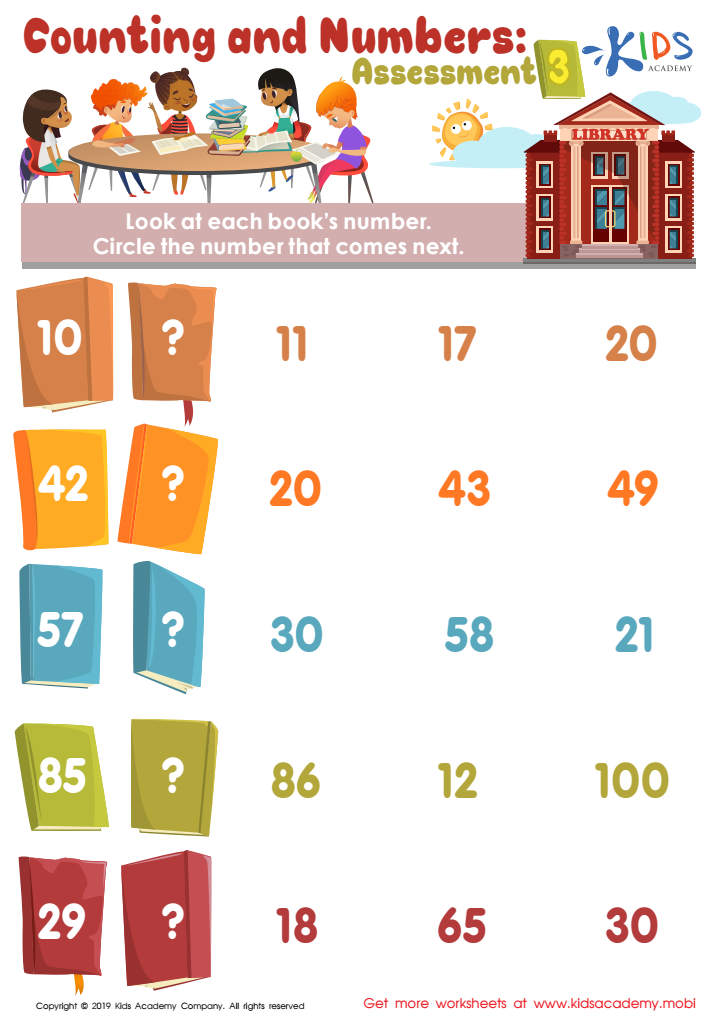
Counting and Numbers: Assessment Worksheet
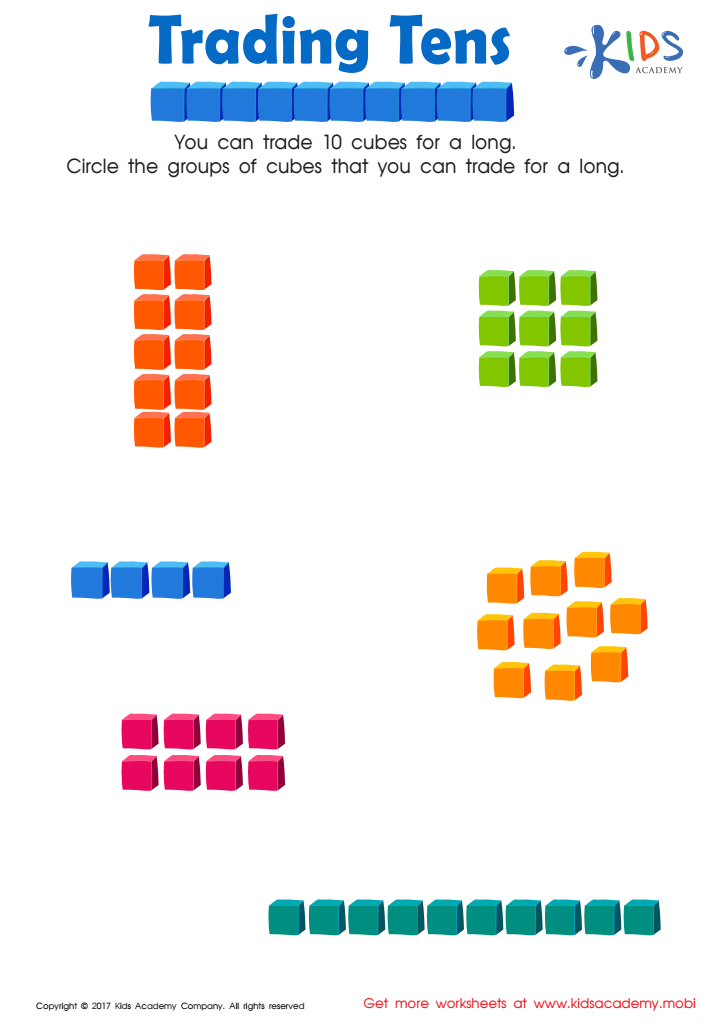
Trading Tens Worksheet
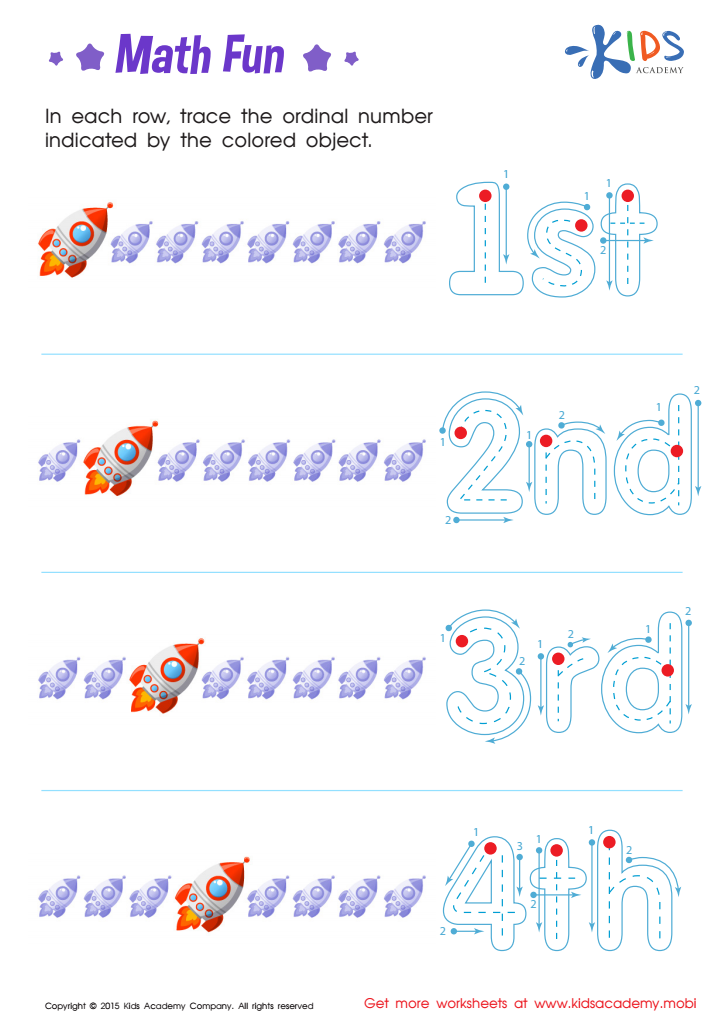
Ordinal Numbers: Math Fun Worksheet







.jpg)
Parents and teachers should prioritize teaching addition to children aged 5-7 because it lays a critical foundation for future mathematical skills. During these formative years, cognitive development is rapid, making it the ideal time to introduce basic arithmetic concepts. Mastery of addition equips children with essential problem-solving skills, enhances their logical reasoning, and fosters a strong number sense, which is crucial for tackling more complex math operations later on.
Moreover, learning addition develops confidence in students. When children understand how to add simple numbers, they gain a sense of accomplishment that can encourage a positive attitude toward learning overall. This foundational skill is not just for mathematics; it also builds patience and persistence, as children learn the importance of practice and progression.
Additionally, introducing addition in enjoyable and interactive ways—through games, rhymes, or hands-on activities—engages children and makes learning fun, which helps maintain their interest in mathematics as they grow. As both parents and educators, investing energy and resources into making addition enjoyable promotes lifelong learning attitudes, equipping children for academic and real-life challenges. In short, early proficiency in addition is essential and impacts various areas of a child's development.








