Letter Tracing Practice Normal Worksheets for Ages 5-7
6 filtered results
-
From - To
Help your child master letter formation with our Letter Tracing Practice Worksheets, designed specifically for ages 5-7. These engaging, printable worksheets provide a fun and educational way to strengthen writing skills and improve fine motor control. Young learners can trace both uppercase and lowercase letters while developing their hand-eye coordination and familiarity with the alphabet. Our easy-to-follow sheets not only make learning enjoyable but also encourage independent practice. Perfect for home or classroom use, these resources support various learning styles and reinforce early literacy skills, setting a strong foundation for future reading and writing success. Start tracing today and watch your child excel!
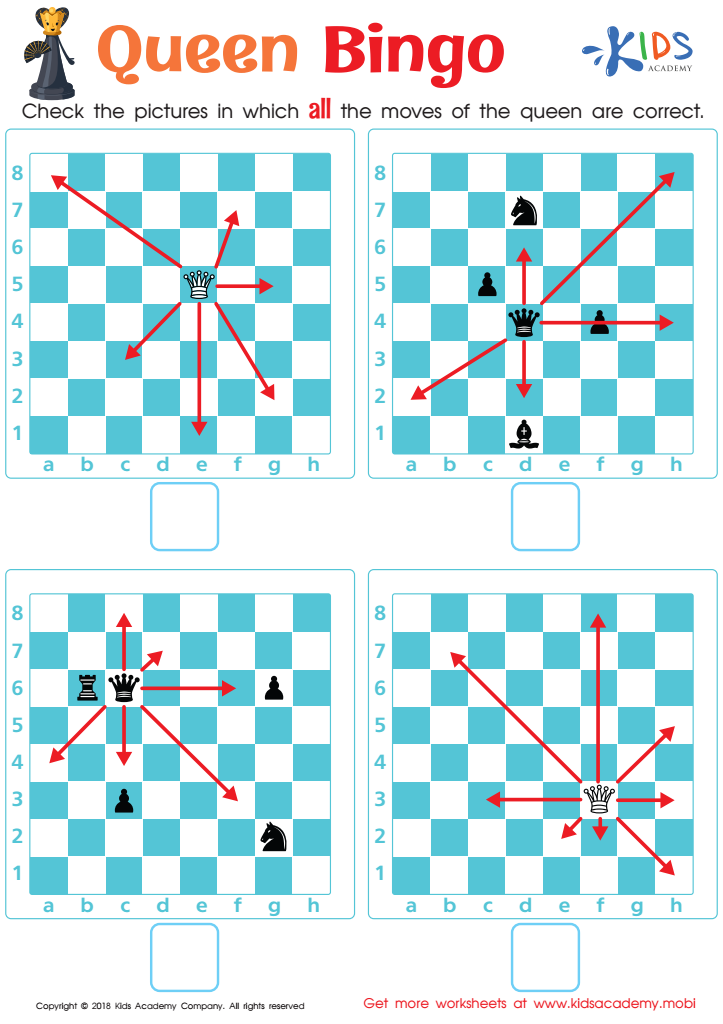
Queen Bingo Worksheet
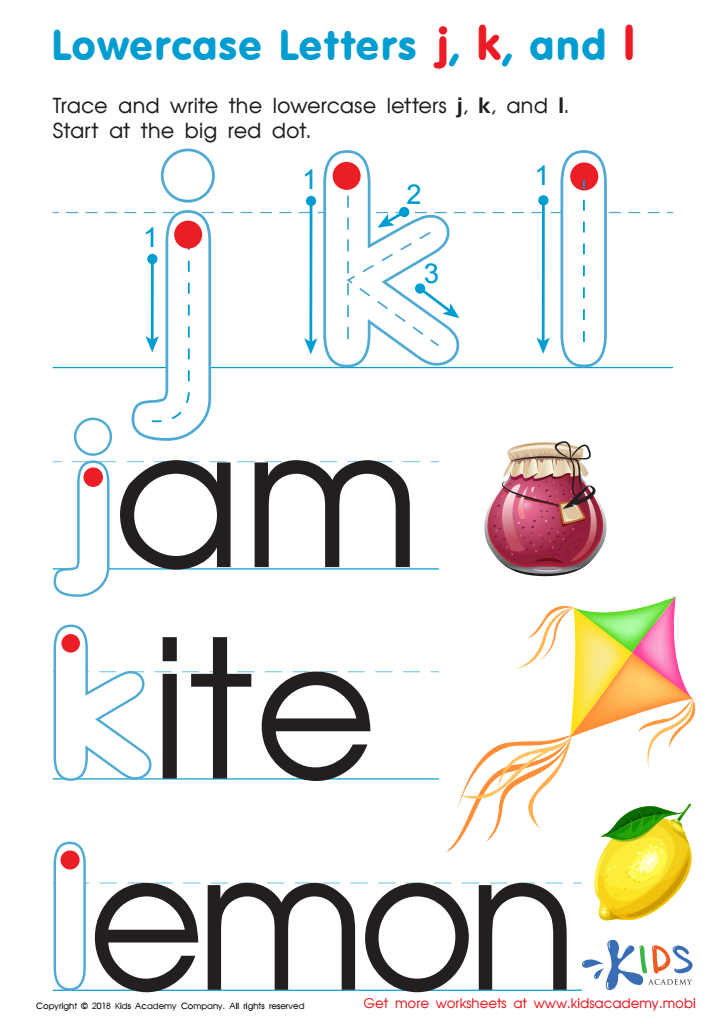
Lowercase Letters j k l Worksheet
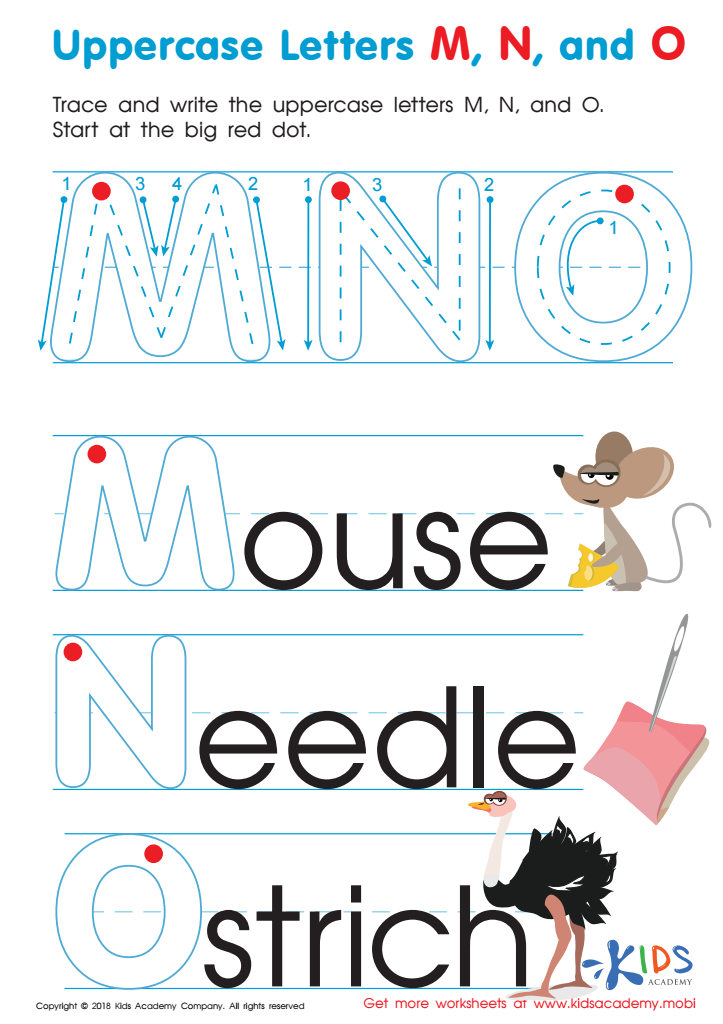
Uppercase Letters M, N, and O Worksheet
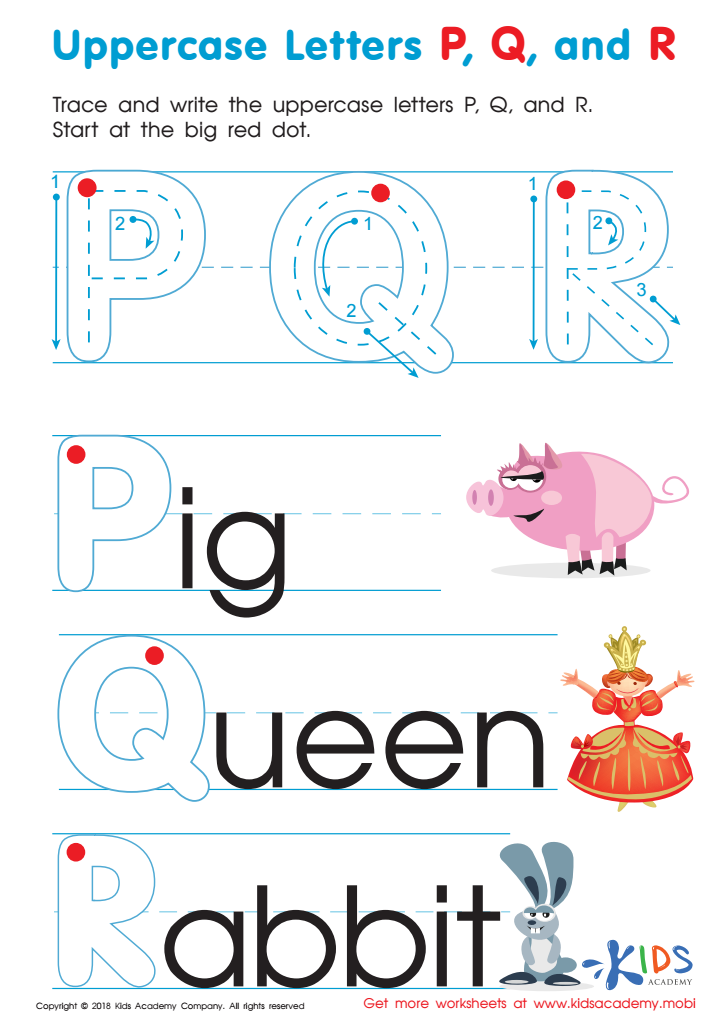
Uppercase Letters P, Q, and R Worksheet
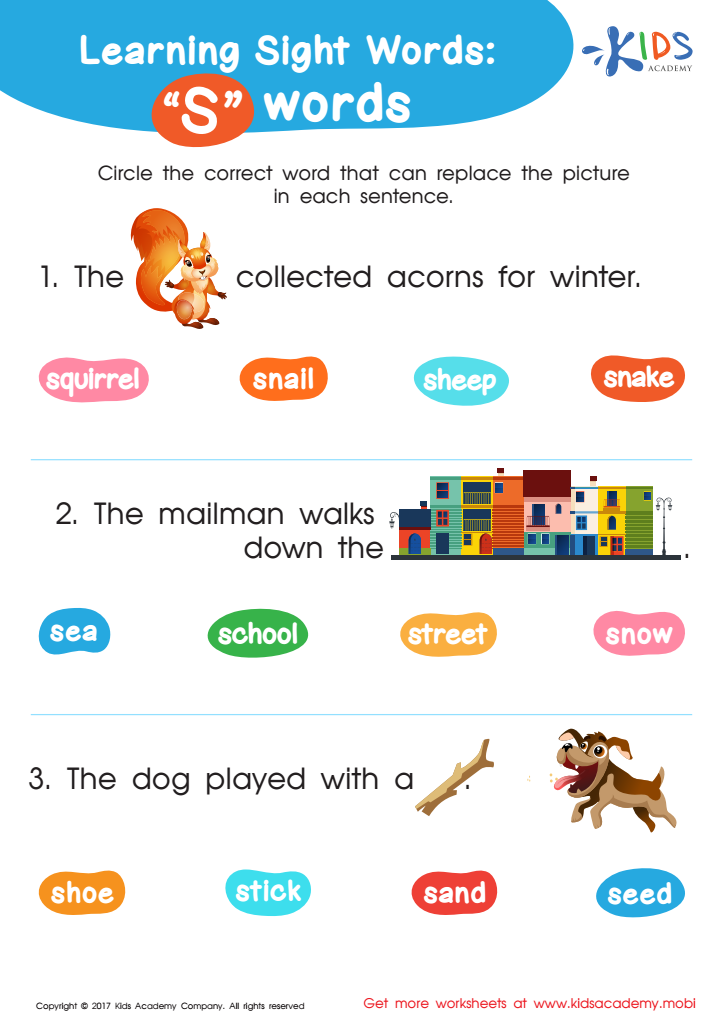
S Words Sight Words Worksheet
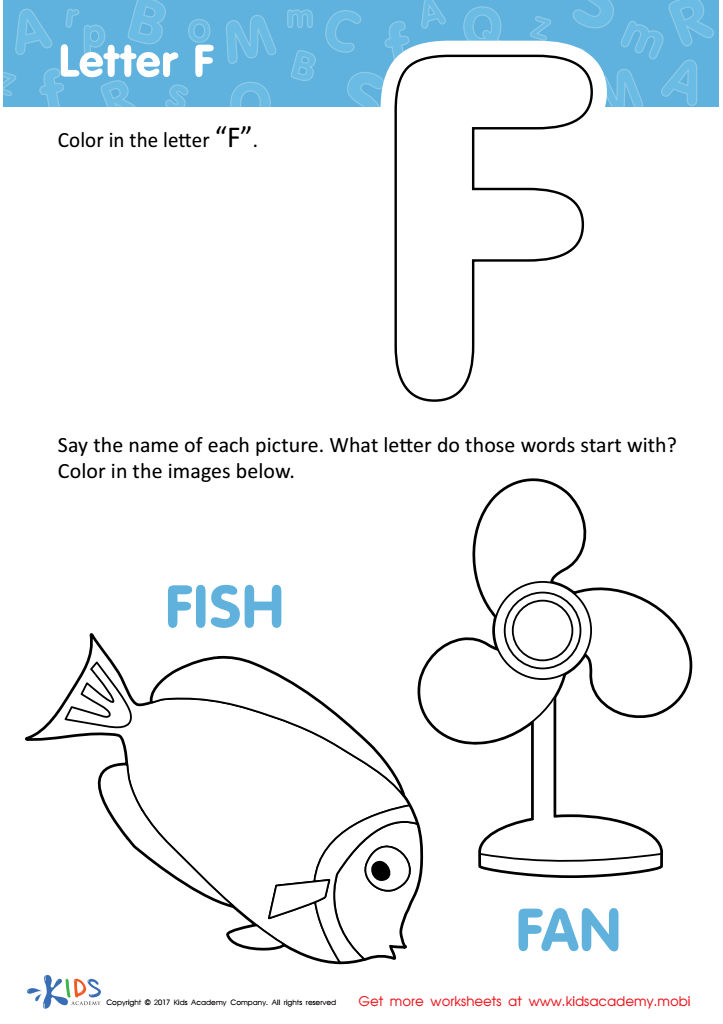
Letter F Coloring Sheet
 Assign to My Students








Letter tracing practice is essential for children aged 5-7 as it lays the groundwork for their literacy skills. During this critical developmental phase, kids are honing their fine motor skills, which are vital for effective writing. Tracing letters allows them to practice proper letter formation, enhancing both their handwriting and overall confidence in their writing abilities.
Engaging with letter tracing helps to reinforce letter recognition, an essential pre-reading skill. By tracing, children build a visual and tactile understanding of shapes and sizes of letters, facilitating the transition to independent writing and reading. Additionally, this practice often incorporates engaging themes and fun illustrations, making learning enjoyable and interactive.
For parents and teachers, fostering a love for learning at this age is crucial. Incorporating letter tracing into classroom activities or home routines not only supports academic growth but also encourages perseverance and attention to detail. Furthermore, engaging in such practices can strengthen the parent-teacher bond, as collaborative activities provide opportunities to discuss progress and development strategies. Ultimately, prioritizing letter tracing practice sets a strong foundation for literacy and instills a lifelong appreciation for reading and writing.








