Memory improvement Normal Worksheets for Ages 5-7
6 filtered results
-
From - To
Enhance your child's memory skills with our Memory Improvement Worksheets designed specifically for ages 5-7! These engaging and age-appropriate worksheets promote cognitive development through fun activities that challenge children to recall, recognize, and retain information. From matching games to sequence exercises, each printable resource fosters critical thinking while making learning enjoyable. Perfect for parents and teachers seeking to support early childhood education, our worksheets provide an interactive way to boost memory retention skills. Encourage your child's learning journey today with these essential tools that nourish their cognitive abilities and strengthen their academic foundation in a playful, vibrant way!
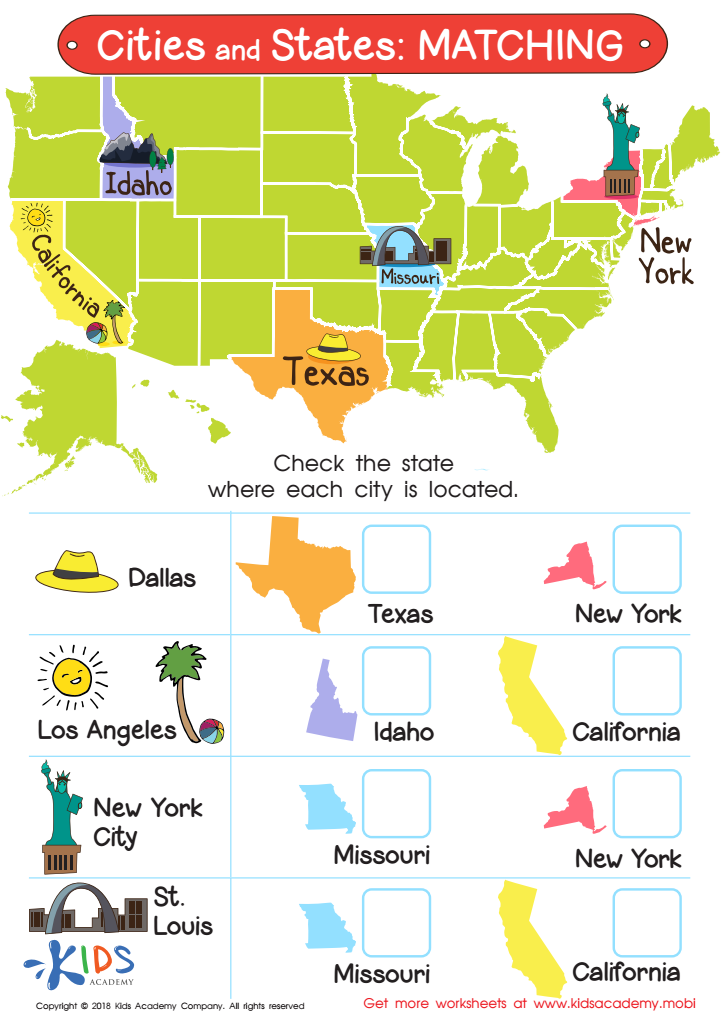
Cities and States: Matching Worksheet
 Assign to My Students
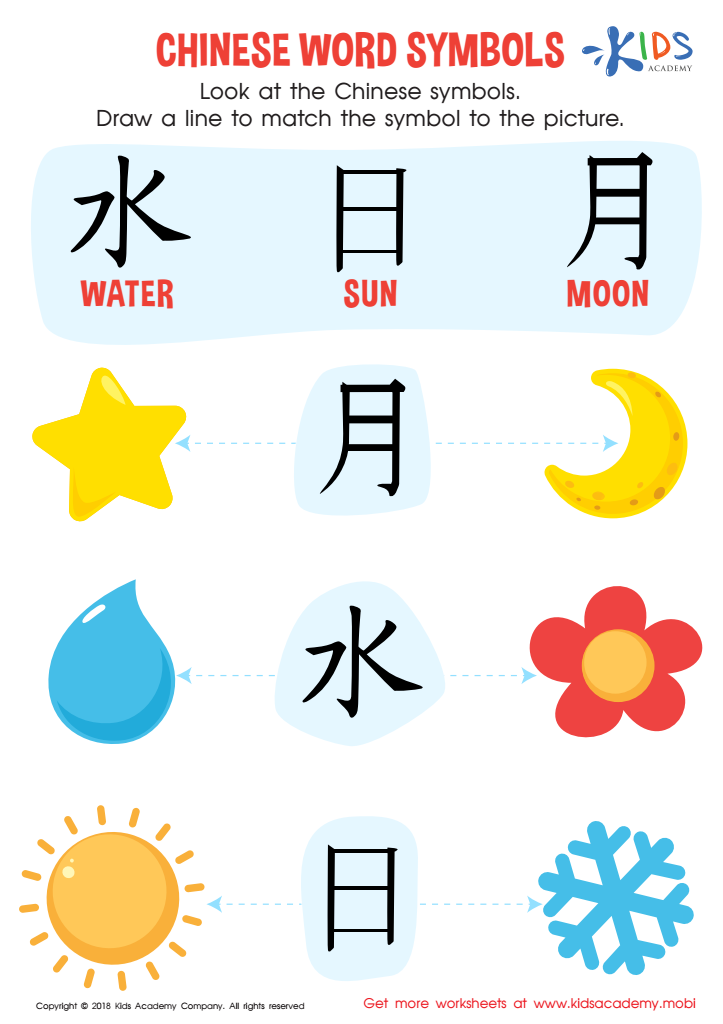
Chinese Word Symbols Worksheet
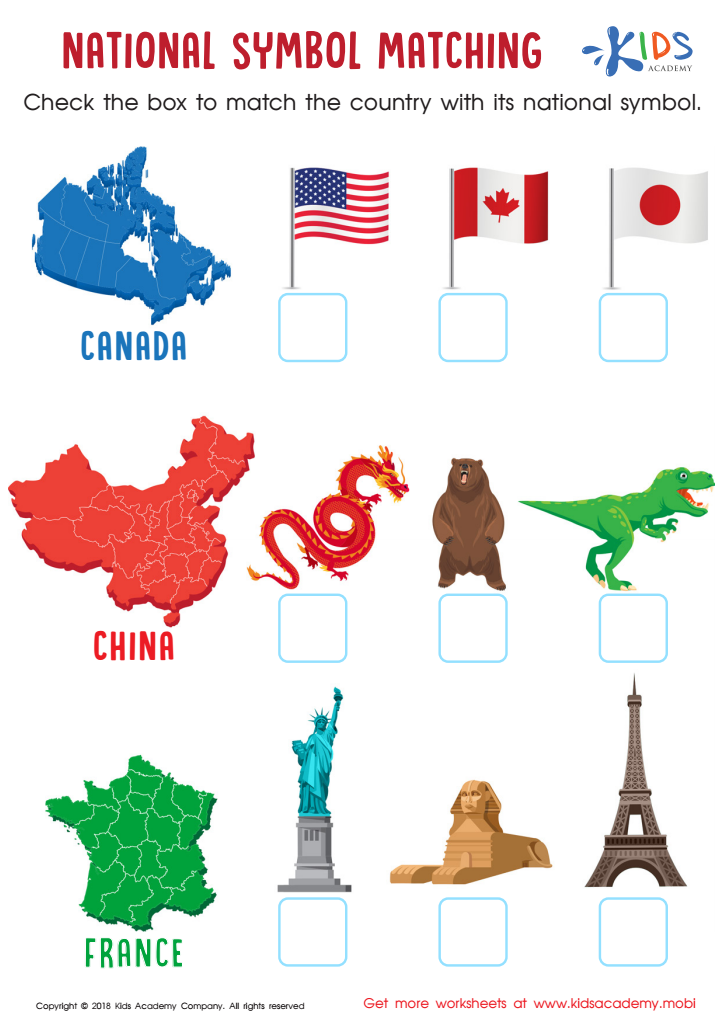
National Symbol Matching Worksheet
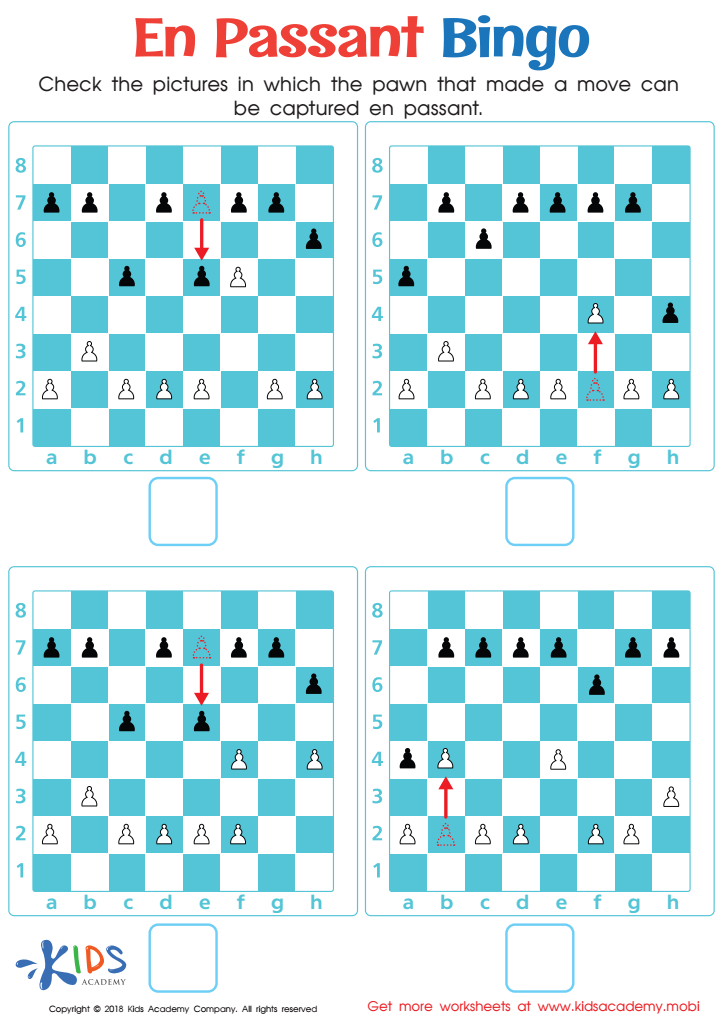
En Passant Bingo Worksheet
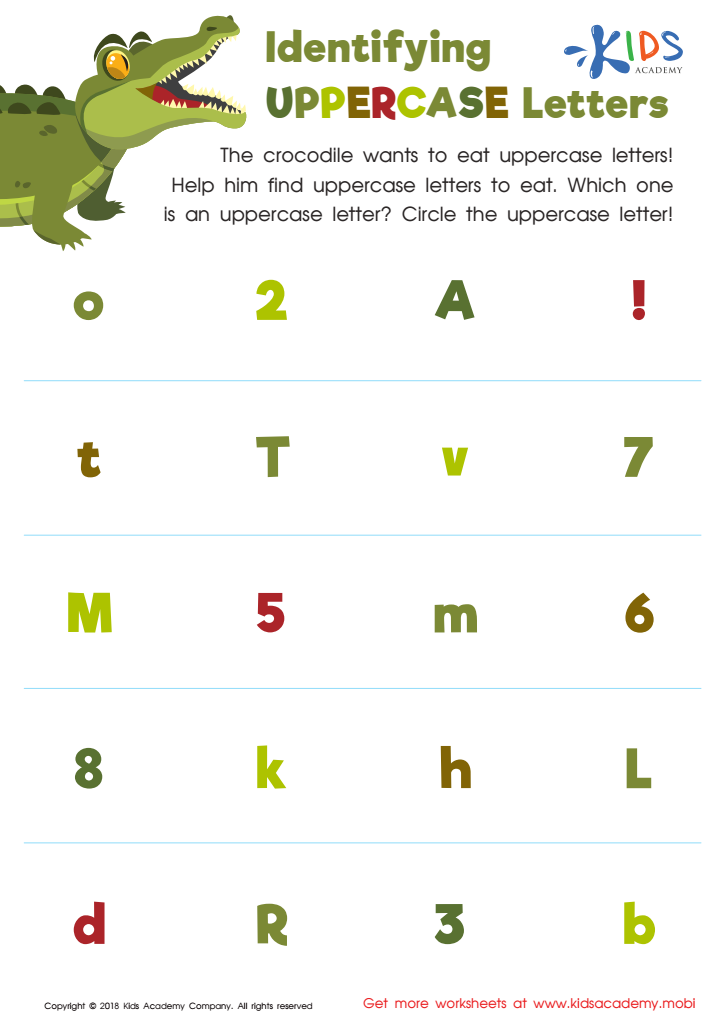
Identifying Uppercase Letters Worksheet
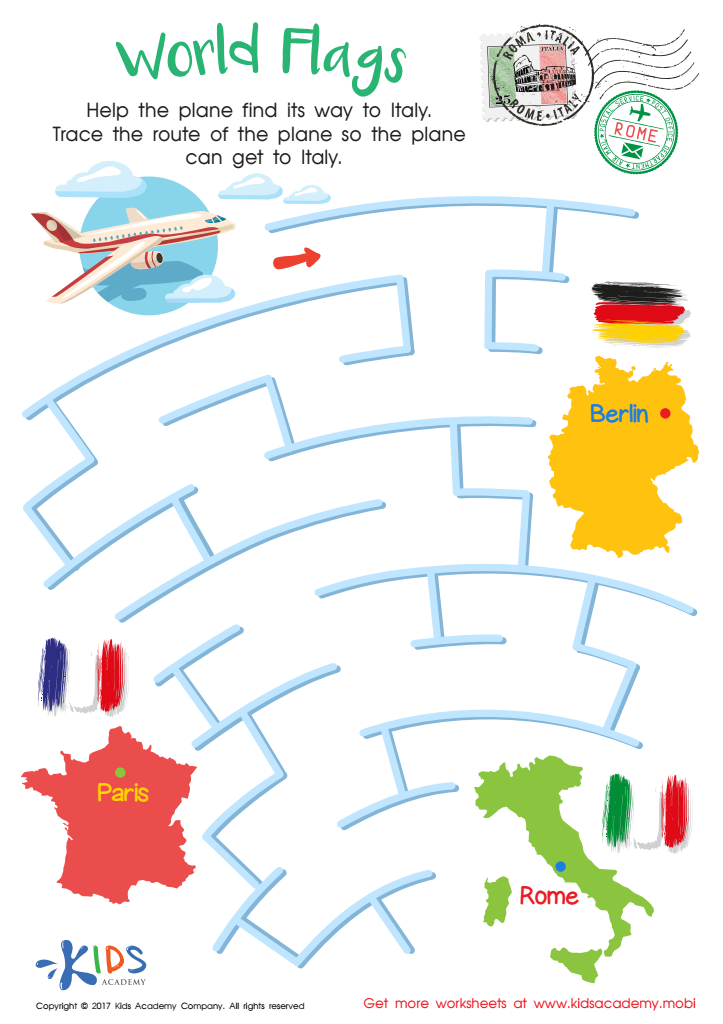
World Flags Maze Worksheet







Memory improvement in early childhood, particularly for ages 5-7, is crucial for cognitive development and overall learning. During this stage, children experience rapid brain growth and increased curiosity about the world around them. Enhancing their memory skills can significantly influence their ability to absorb information, improve problem-solving abilities, and foster a love for learning.
For parents and teachers, focusing on memory improvement means equipping children with essential tools for academic success. Strong memory skills enable kids to retain language, remember facts, and follow multi-step instructions, which are foundational for literacy and numeracy development. Additionally, good memory helps children as they transition from play-based learning to more structured educational environments.
Moreover, enhancing memory incorporates social skills, as children learn to recall names, faces, and shared experiences, fostering friendships. This also encourages emotional intelligence by allowing them to remember and reflect on their interactions. When parents and teachers prioritize memory strategies—such as storytelling, games, and interactive activities—they not only enrich children’s educational journeys but also contribute to building confidence in their personal abilities, setting the foundation for lifelong learners. Ultimately, the skills developed during this formative period have lasting effects on children's academic trajectories and social dynamics.








