Phonics improvement Normal Worksheets for Ages 5-7
3 filtered results
-
From - To
Discover our engaging Phonics Improvement Normal Worksheets designed specifically for children ages 5-7! These worksheets provide essential practice in phonics skills, helping young learners develop strong reading foundations through fun activities. Our collection includes a variety of exercises focusing on letter sounds, blending, and decoding strategies that cater to different learning styles. Each worksheet is crafted to be visually appealing and age-appropriate, ensuring that children stay motivated while boosting their phonetic awareness. Ideal for classroom use or at-home learning, these resources support early literacy development and prepare students for future reading success. Start enhancing your child's phonics skills today!
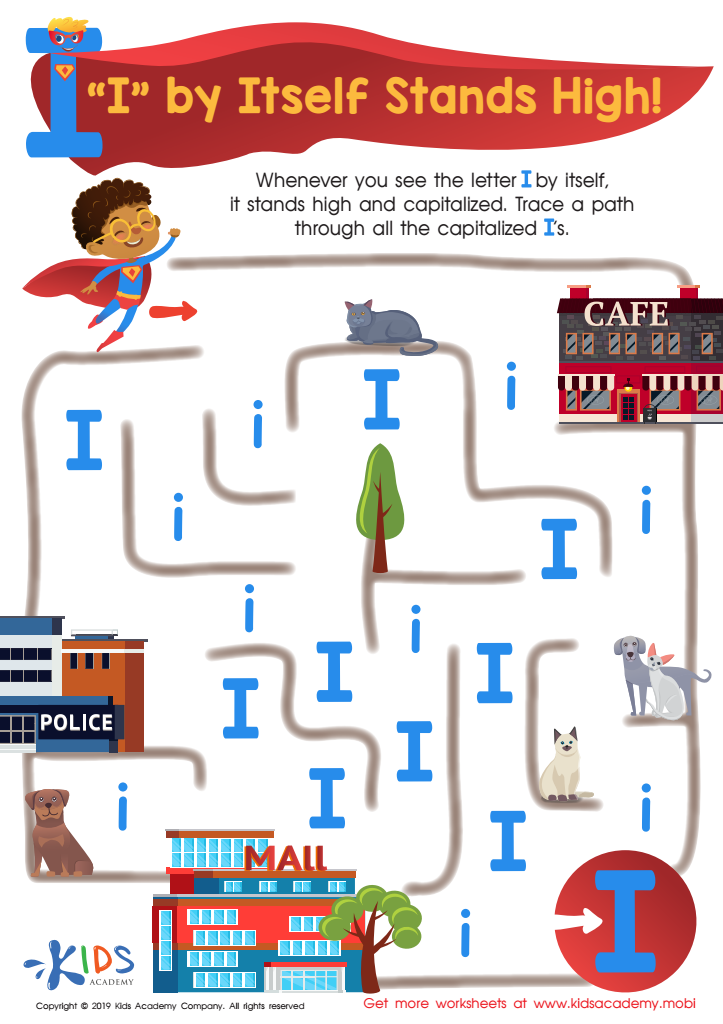
I Stands High Worksheet
 Assign to My Students
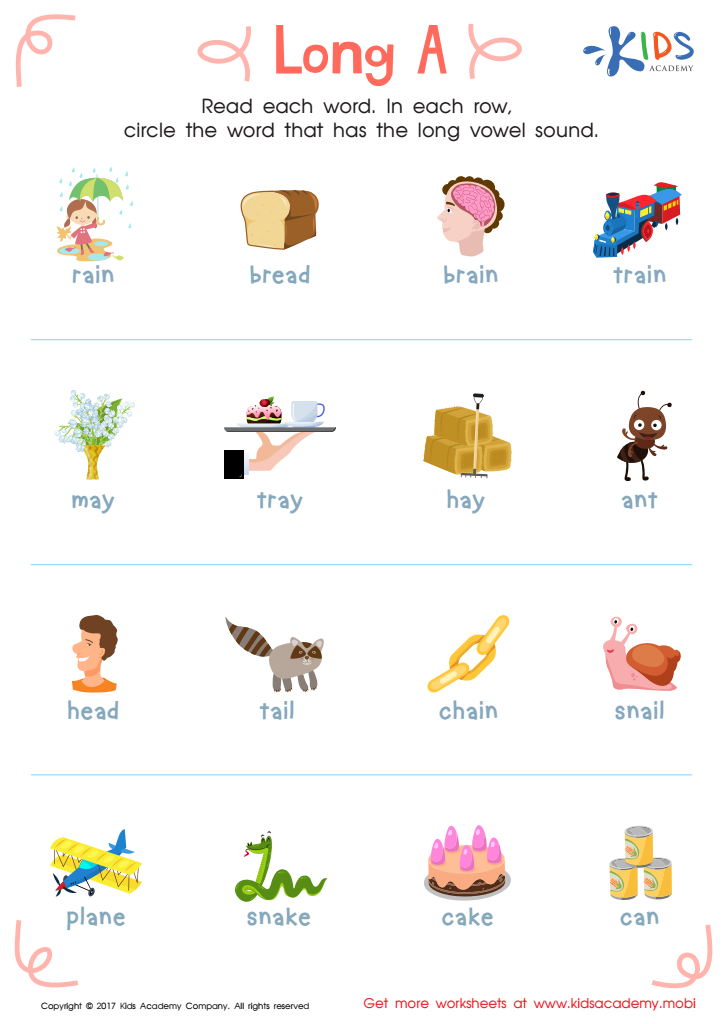
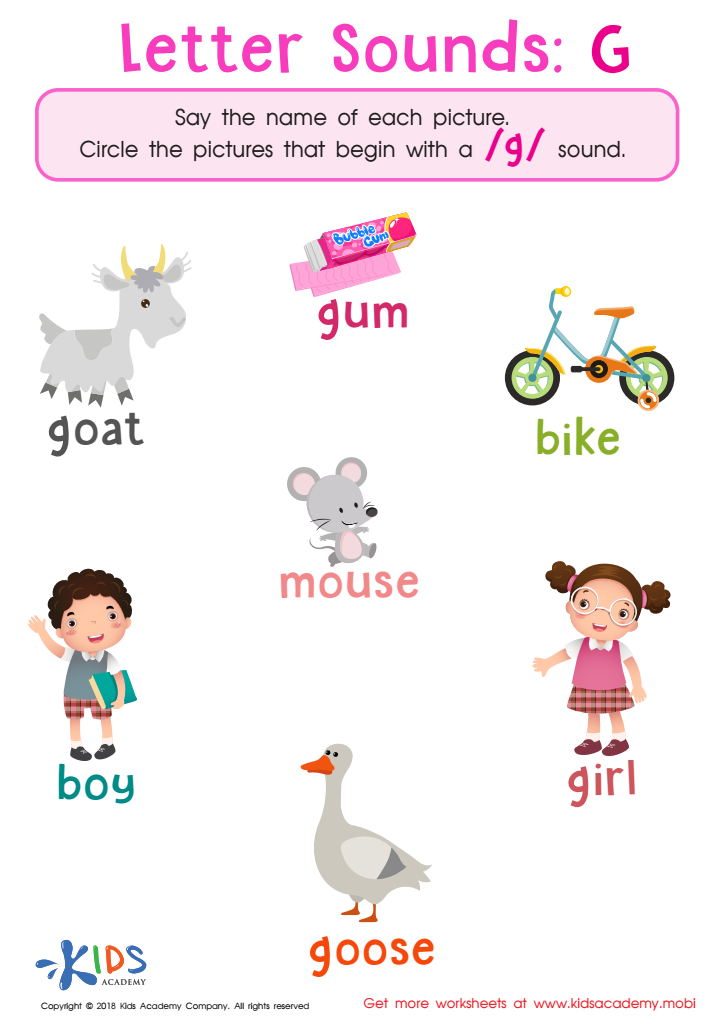
Letter G Sounds Worksheet








Phonics is a critical foundational skill that plays a significant role in early reading development for children aged 5-7. Understanding phonics helps children learn the relationship between letters and sounds, facilitating their ability to decode and recognize words. As parents and teachers, caring about phonics improvement is essential because it directly supports children's literacy skills, impacting their overall academic success.
Strong phonics skills enhance children’s confidence as readers, encouraging a love for books and learning. When children can decode words efficiently, they're more likely to enjoy reading and engage with texts independently, which fosters critical thinking and comprehension skills.
Additionally, phonics instruction is pivotal for children who may struggle with reading. Targeted phonics interventions can help identify specific areas of difficulty and allow for tailored support, ensuring that all children progress.
Investing time and resources to improve phonics not only benefits individual children but also contributes to a more literate society. As proficient readers, children are better equipped for future challenges in education and beyond. By prioritizing phonics, parents and teachers lay the groundwork for lifelong reading enjoyment and academic achievement, making it a crucial component of early childhood literacy programs.








