Mathematical reasoning Normal Addition Facts Worksheets for Ages 5-7
3 filtered results
-
From - To
Enhance your child's mathematical reasoning skills with our Normal Addition Facts Worksheets designed for ages 5-7. These engaging worksheets provide students with a variety of addition problems that promote critical thinking and problem-solving abilities. Each worksheet is tailored to reinforce foundational addition concepts, ensuring kids build confidence as they practice. Ideal for home or classroom use, our resources help children grasp normal addition facts while fostering a love for math. With a mix of fun activities and challenging exercises, these worksheets cater to different learning styles, making math enjoyable and accessible for young learners. Boost your child's addition skills today!
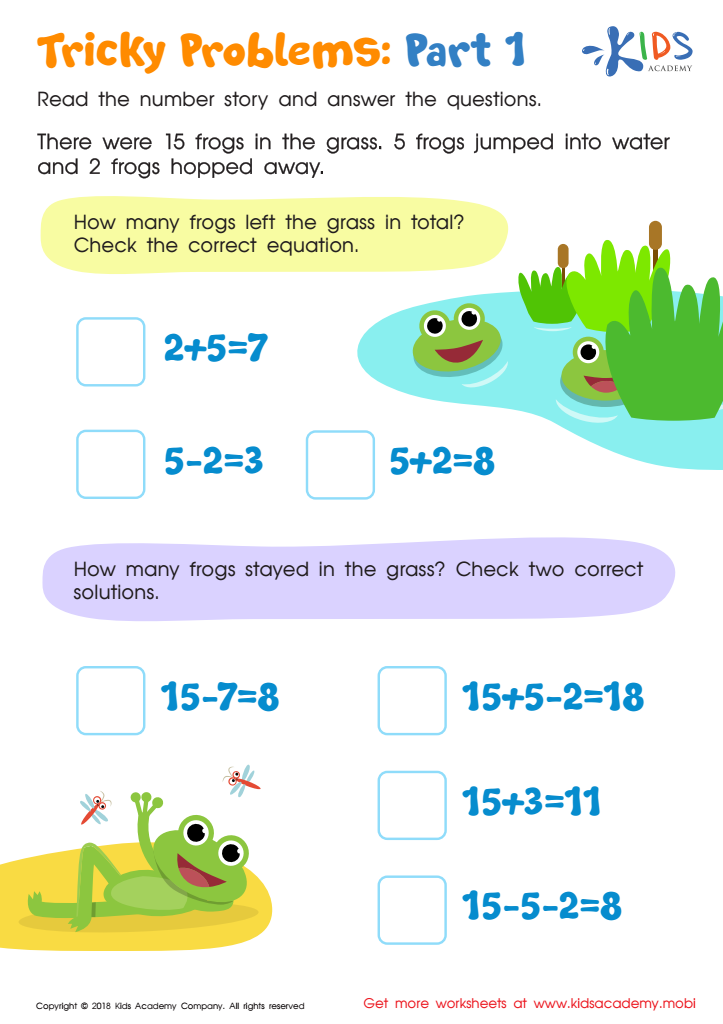
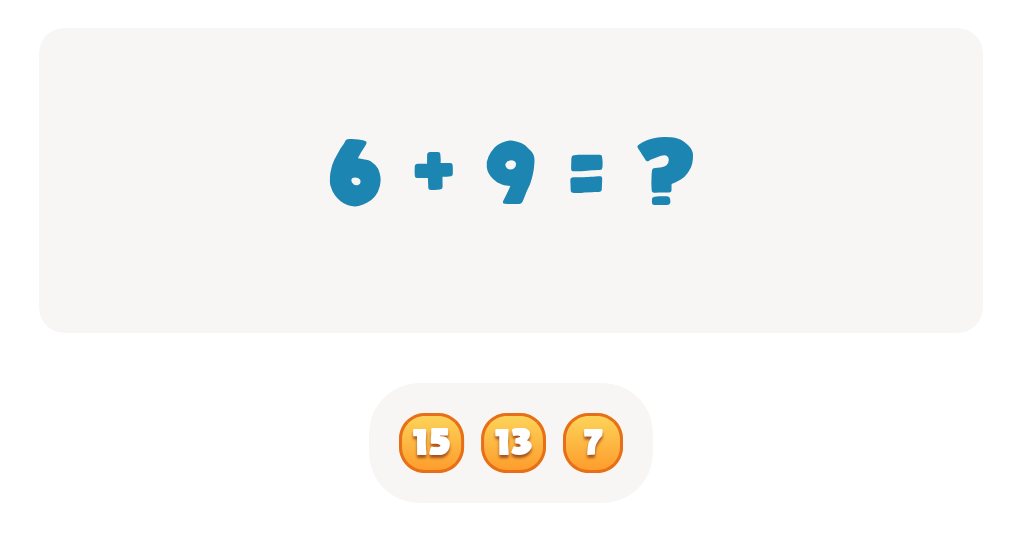
Tricky Problems Worksheet: Part 1
 Assign to My Students



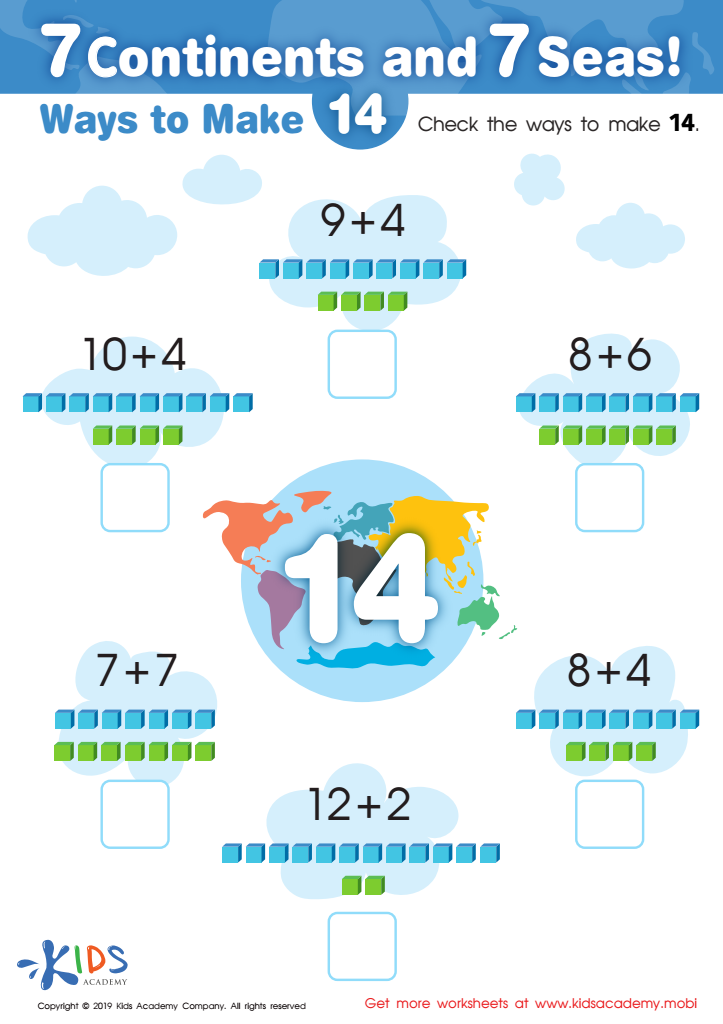
7 Continents and 7 Seas Worksheet
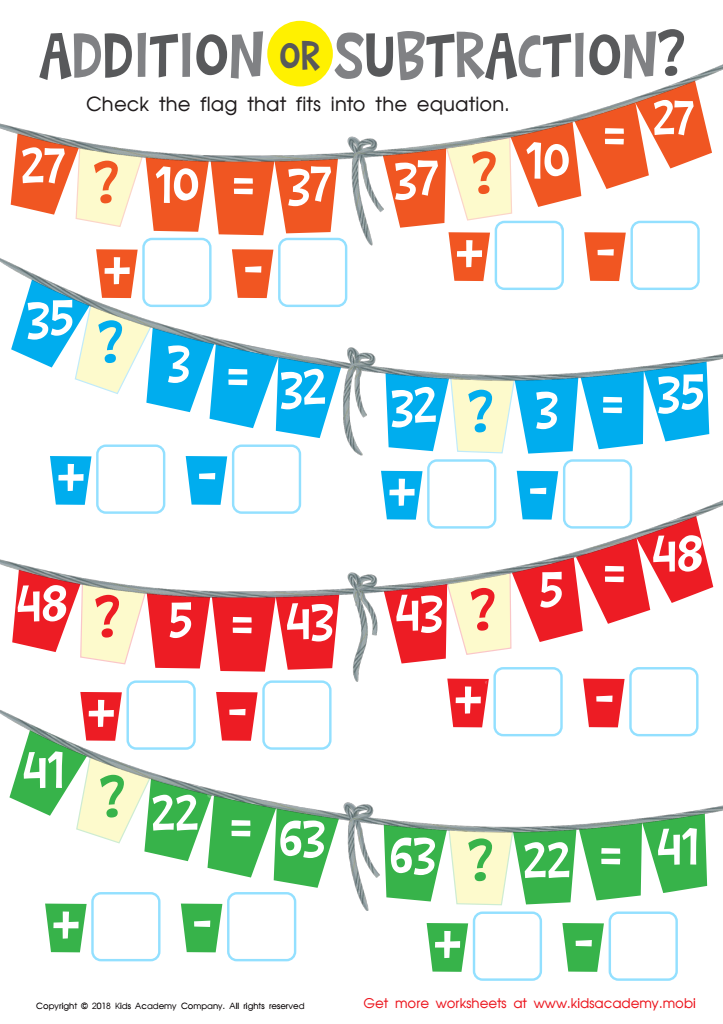
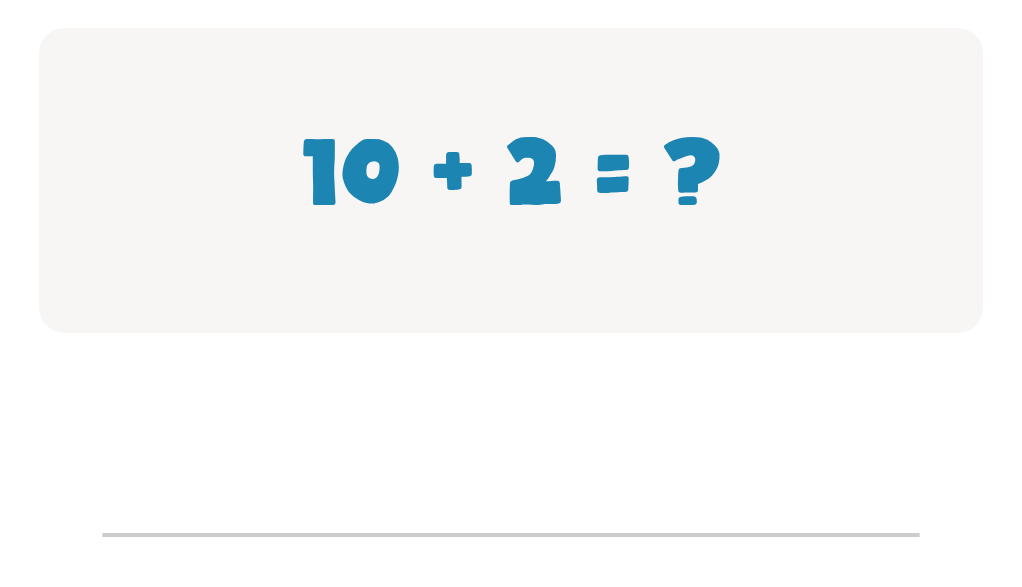
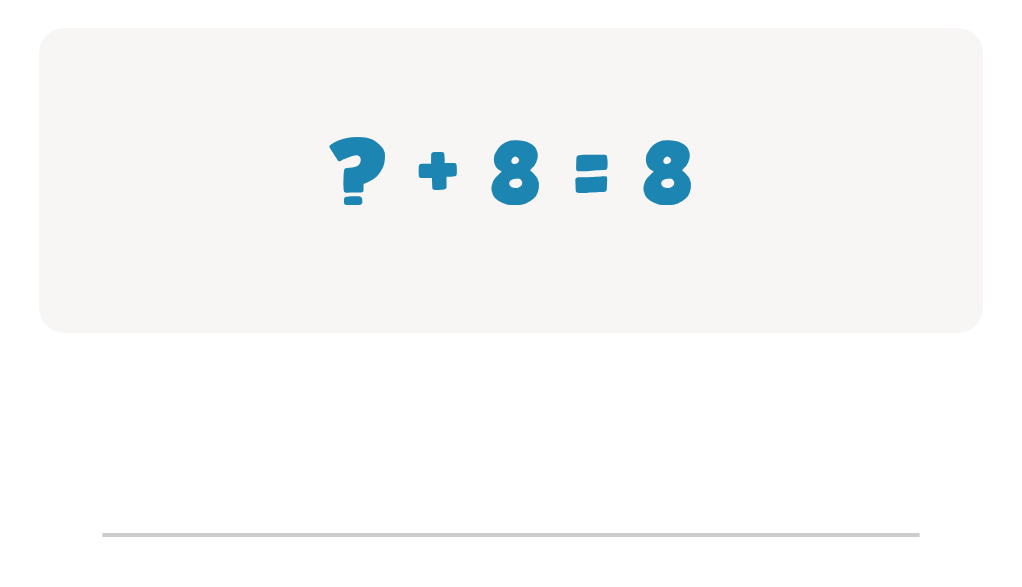
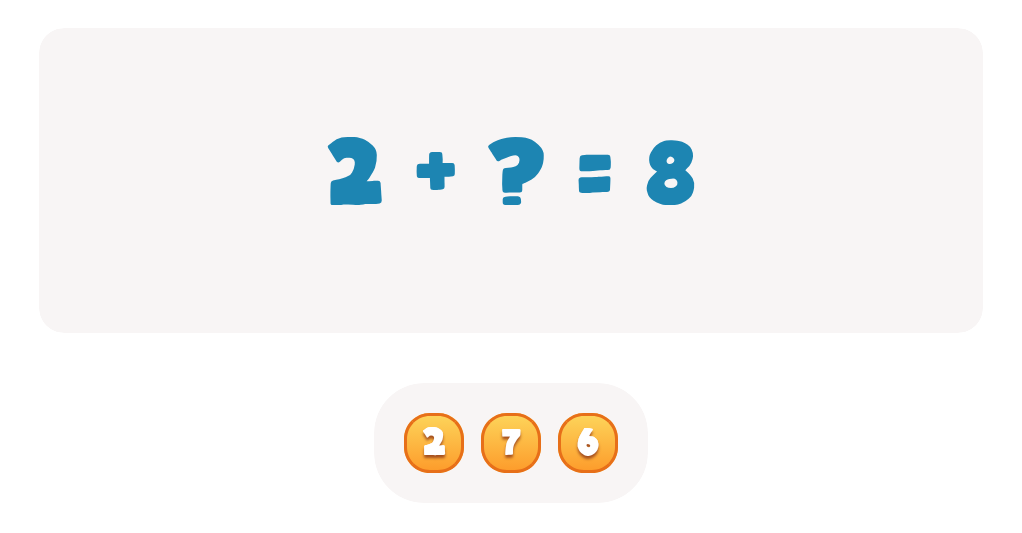
Addition or Subtraction? Worksheet








Mathematical reasoning in young children, particularly regarding normal addition facts, is foundational for their overall academic development. For children aged 5-7, mastering addition facts enhances cognitive skills, promotes logical thinking, and builds a strong number sense. This age group is critical as children begin to develop their mathematical identity and voice.
Parents and teachers should care about fostering mathematical reasoning in this area because it lays the groundwork for more complex mathematical concepts in later years. If children are comfortable with basic addition facts, they are more likely to approach larger problems with confidence. This confidence can influence their attitudes towards mathematics, potentially reducing math anxiety and improving overall performance.
Additionally, understanding addition facts helps children utilize strategies such as counting on, making ten, or using fact families, which deepen their understanding of relationships among numbers. Engaging with these basic facts through games and fun activities enhances motivation and makes learning enjoyable.
Moreover, the ability to reason mathematically equips children with essential problem-solving skills that are applicable across various subjects and everyday situations. Investing in children’s early mathematical reasoning ultimately fosters a lifelong love of learning and equips them for future academic success.








