Attention to Detail Normal Math Worksheets for Ages 5-7
3 filtered results
-
From - To
Our Attention to Detail Normal Math Worksheets for Ages 5-7 are meticulously designed to enhance young learners' focus and observation skills while mastering basic math concepts. Each engaging worksheet tasks children with counting, pattern recognition, and other fun activities that require careful attention to detail. These skills are fundamental in developing critical thinking and precision in young students. Perfect for classroom use or homeschooling, our worksheets provide a balanced blend of challenge and enjoyment, ensuring that kids stay motivated while progressing in their mathematical journey. Explore our collection to give your child a head start in math!
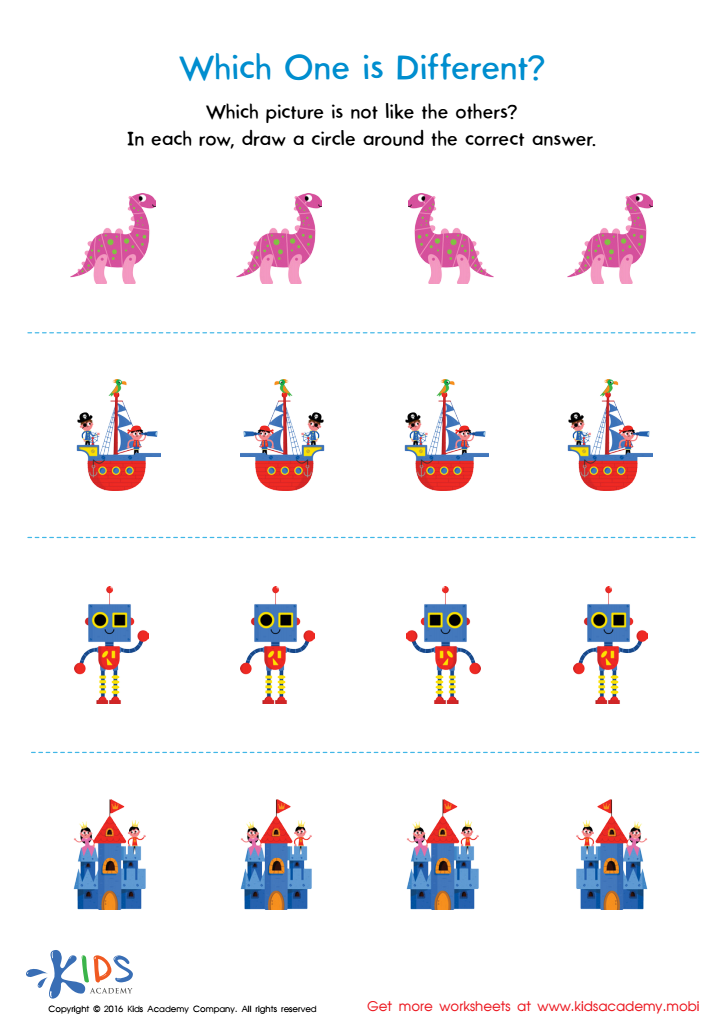
Which One Is Different Worksheet
 Assign to My Students
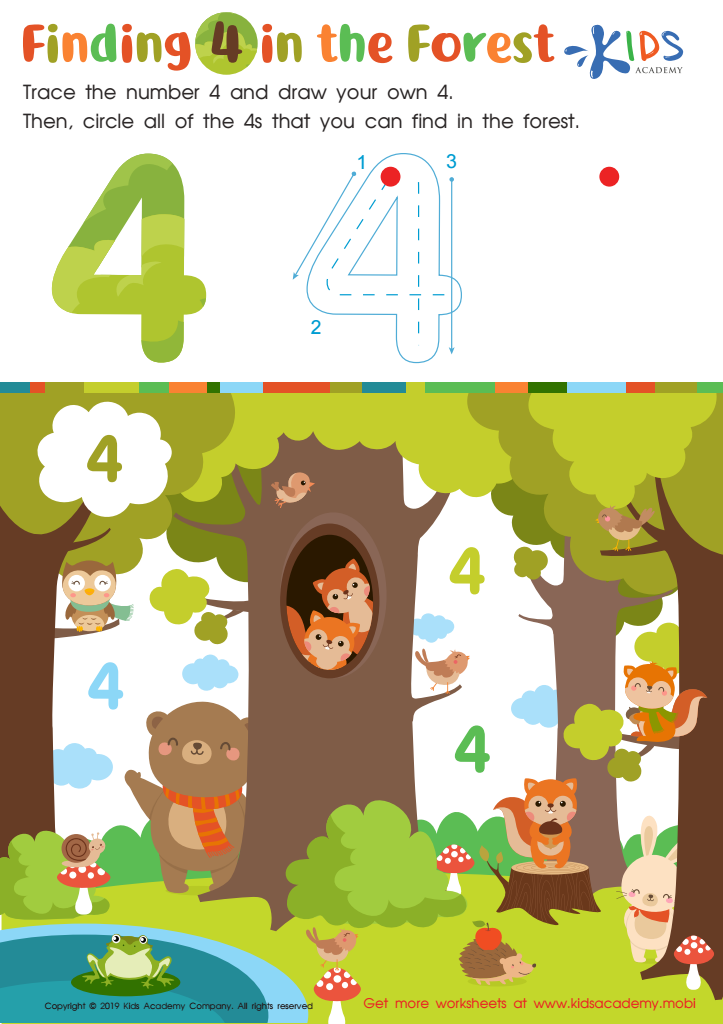
Finding 4 in the Forest Worksheet
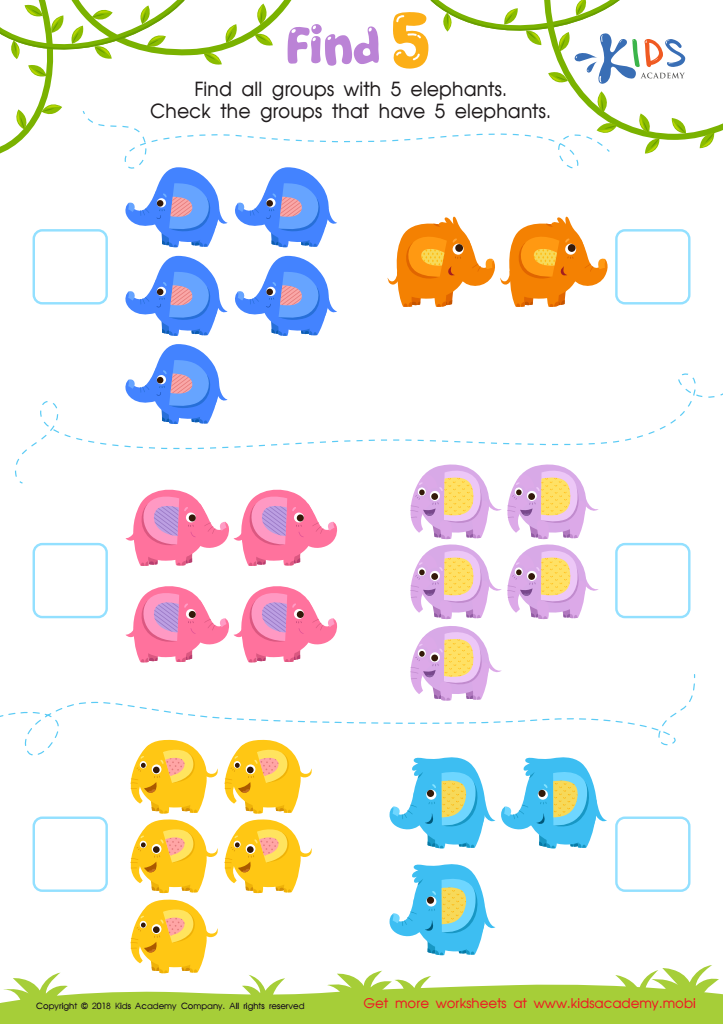
Find 5 Worksheet


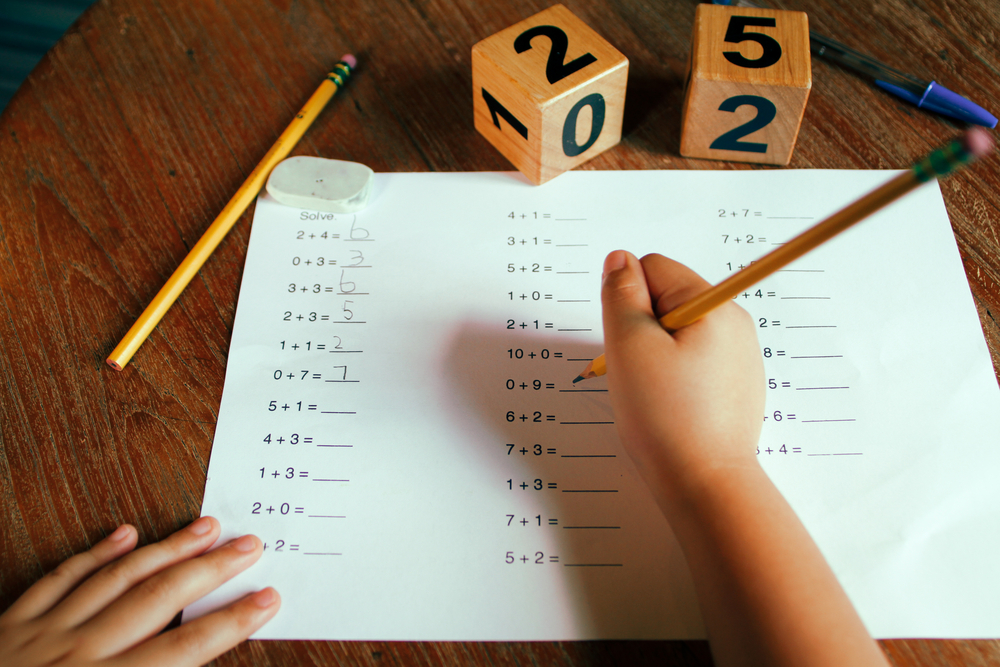





Attention to detail in math is crucial for children ages 5-7 as it lays the foundation for their future learning and success. During these formative years, students are introduced to basic math concepts such as counting, addition, subtraction, patterns, and shapes. Developing an eye for detail at this stage helps children correctly understand and process these foundational concepts.
When children pay attention to details, they are less likely to make errors that can compound and lead to misunderstandings or frustration. For example, distinguishing between similar numbers like 6 and 9, recognizing patterns accurately, and following step-by-step instructions all require a focus on details. This precision fosters accuracy, a critical skill not just in math but also in everyday problem-solving and other academic subjects.
Additionally, emphasizing attention to detail helps children develop positive study habits, such as double-checking their work and being meticulous. This nurtures a sense of responsibility and self-discipline. For parents and teachers, encouraging attention to detail means actively engaging with children's mathematical learning through practice, reinforcement, and supportive feedback.
Furthermore, when children master the details, they gain confidence in their abilities, motivating them to take on more complex challenges. As such, parents and teachers should prioritize attention to detail to help ensure a solid mathematical foundation, promoting academic success and confidence in young learners.








