Number comparison Normal Math Worksheets for Ages 5-7
5 filtered results
-
From - To
Explore our engaging Number Comparison Normal Math Worksheets designed for children aged 5-7! These worksheets provide a fun and interactive way for young learners to develop essential math skills. Through various exercises, kids will practice comparing numbers, enhancing their understanding of greater than, less than, and equal to. Our activities foster critical thinking and boost confidence in early mathematics. Perfect for reinforcing classroom learning or as supplemental home practice, these worksheets are colorful, visually appealing, and aligned with early learning standards. Nurture your child’s math abilities with our easy-to-use and effective resources! Download now to start the learning adventure!
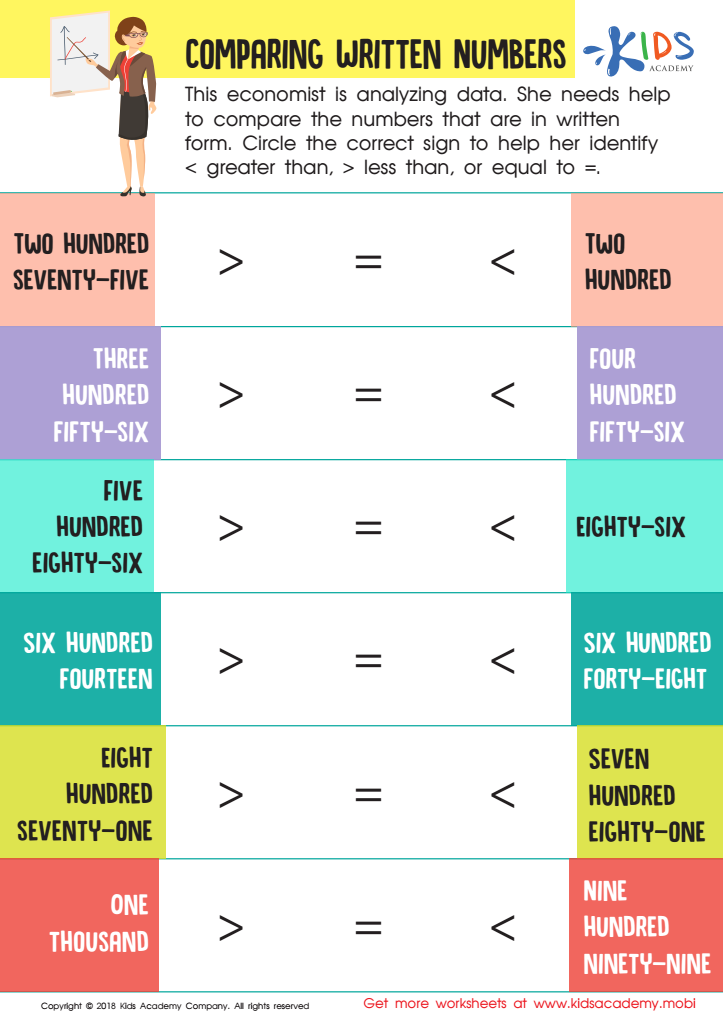
Comparing Written Numbers Worksheet
 Assign to My Students
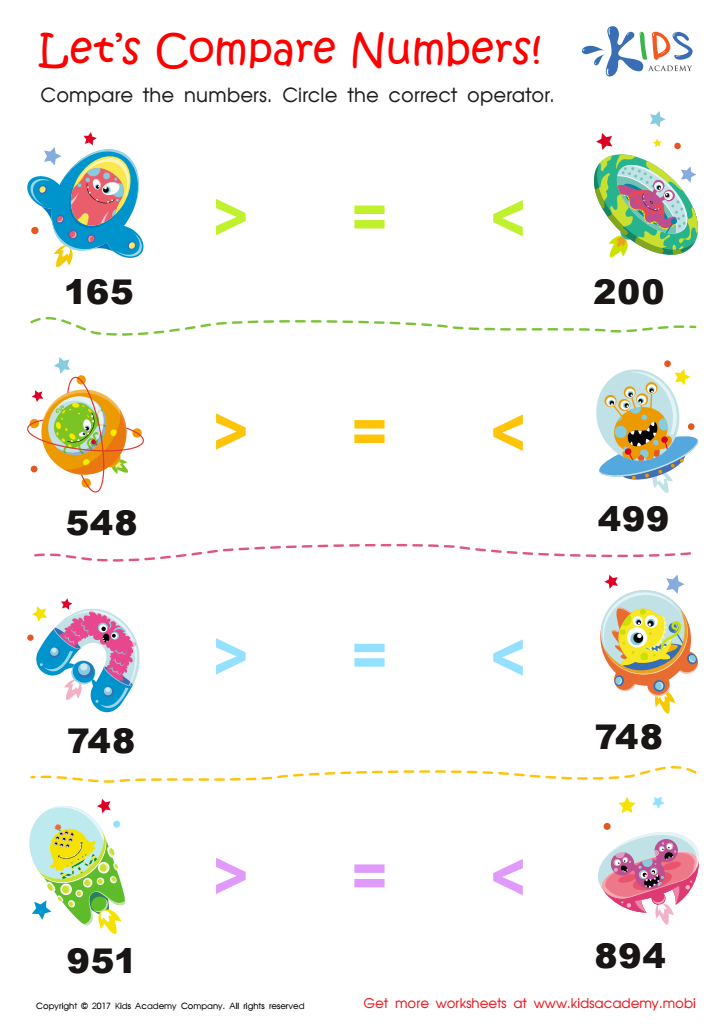
Comparing Numbers Worksheet for 2nd Grade
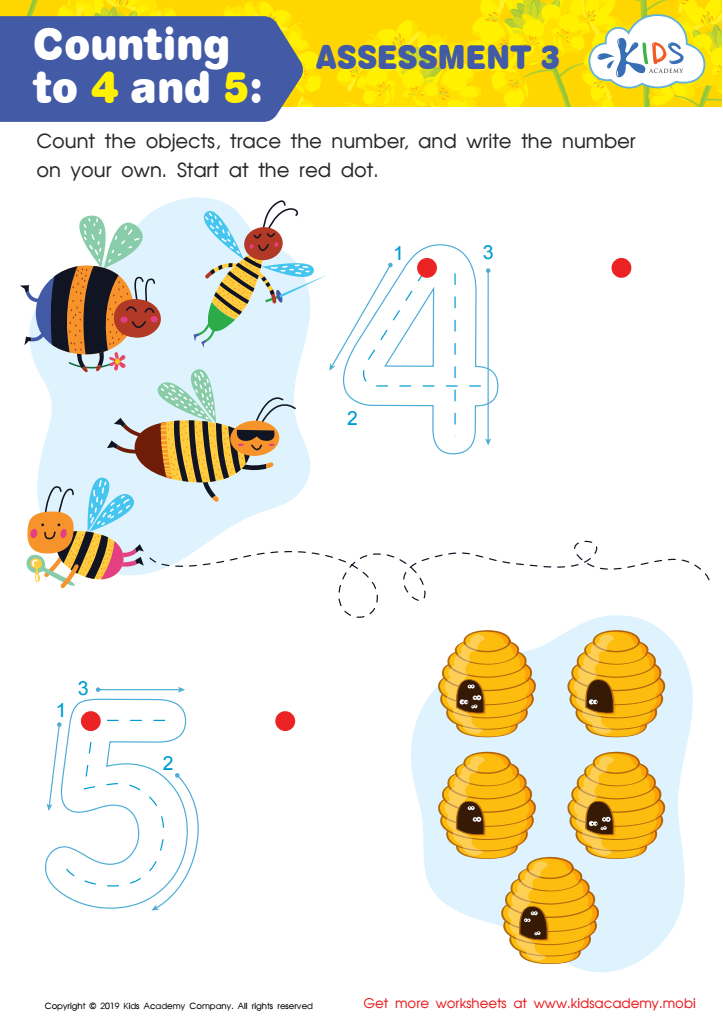
Counting to 4 and 5: Assessment 3 Worksheet
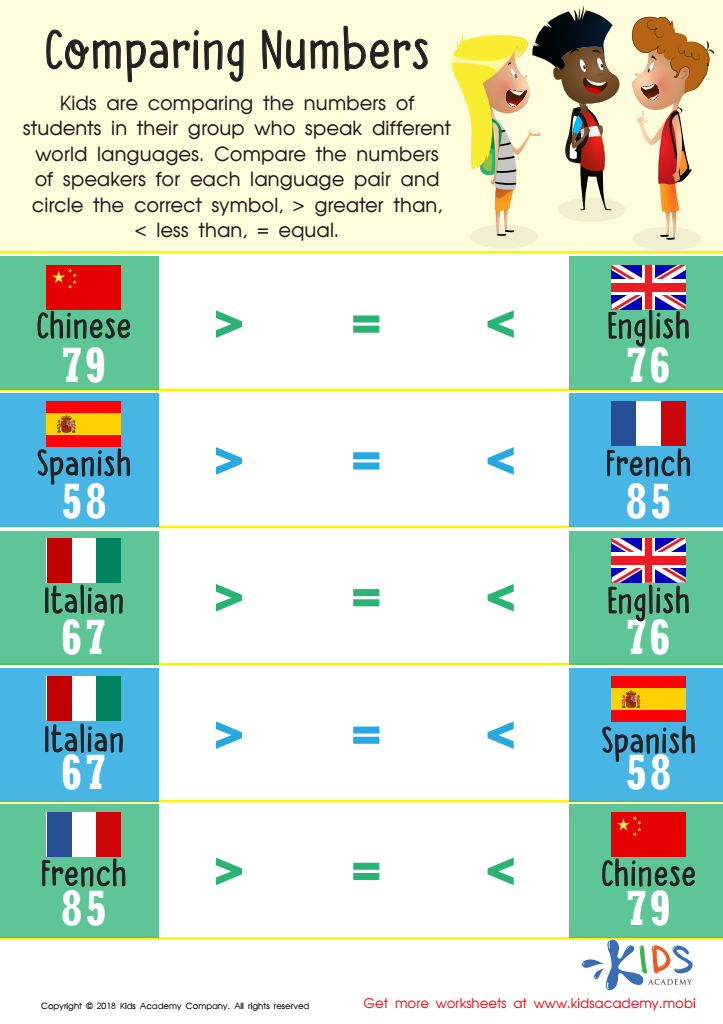
Comparing Numbers Worksheet for 1st Grade
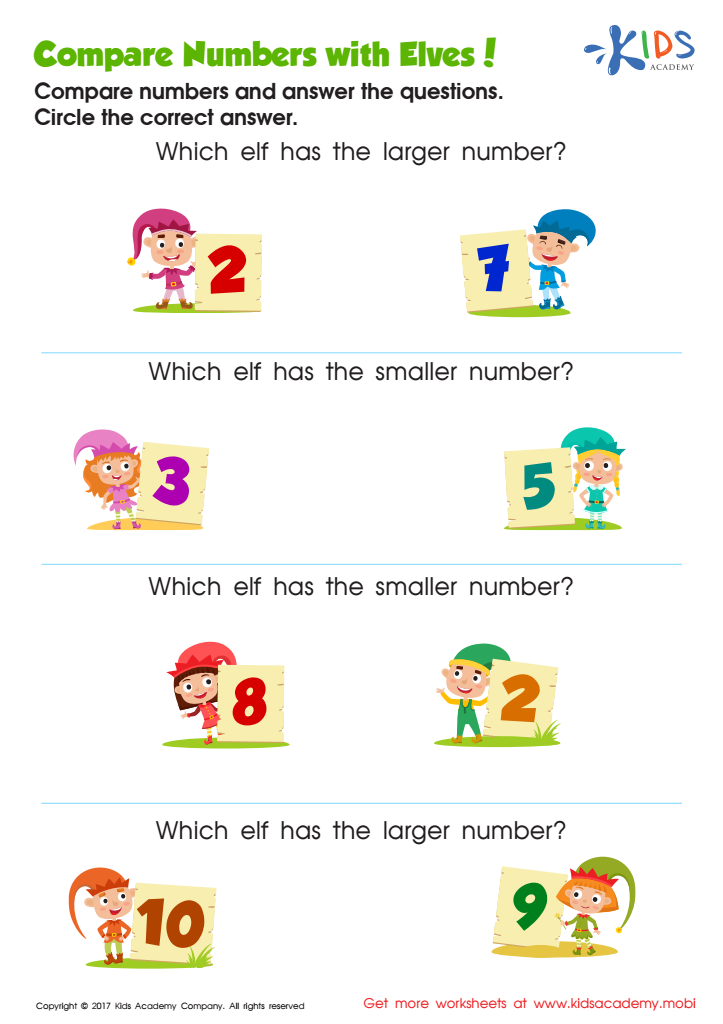
Comparing Numbers Worksheet for Kindergarten



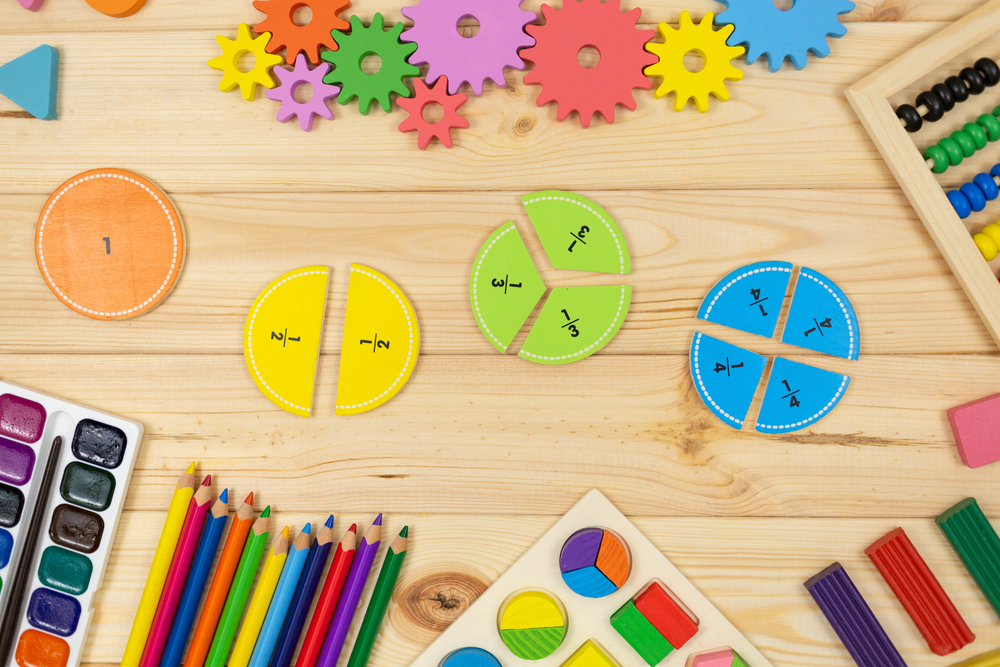




Number comparison is a fundamental mathematical skill essential for children aged 5 to 7, where they learn to understand the relationship between numbers. This concept helps young learners grasp the idea of greater than, less than, and equal to, laying a foundation for more complex mathematics in the future. Parents and teachers should care about this skill because it promotes logical thinking, enhances problem-solving abilities, and supports numerical literacy.
When children learn to compare numbers, they develop critical cognitive skills, such as classification and sequential logic, that are crucial not just in math, but in everyday decision-making. Mastering number comparison also aids in the development of self-confidence as children become more adept with numbers, making them more willing to engage in mathematical tasks.
Additionally, a strong understanding of number comparison can help prevent future difficulties in math concepts like addition, subtraction, and place value, ultimately fostering a positive attitude toward math education. By focusing on this skill early, parents and teachers can help set a solid foundation for children’s mathematical journeys, ensuring they are better prepared for more complex concepts and real-world applications later on.








