Visual discrimination Normal Matching Worksheets for Ages 5-7
3 filtered results
-
From - To
Enhance your child's learning with our Visual Discrimination Normal Matching Worksheets for Ages 5-7. Tailored to improve attention to detail, these engaging activities assist young learners in differentiating shapes, patterns, and objects. Ideal for developing critical visual processing skills, our worksheets also promote cognitive growth and fine motor coordination. Each activity is designed to be both fun and educational, ensuring that children enjoy the learning process. Accessible and easy to use, these printable worksheets are perfect for classroom settings or at-home practice, making education convenient and enjoyable for every young learner. Download today to start their learning journey!
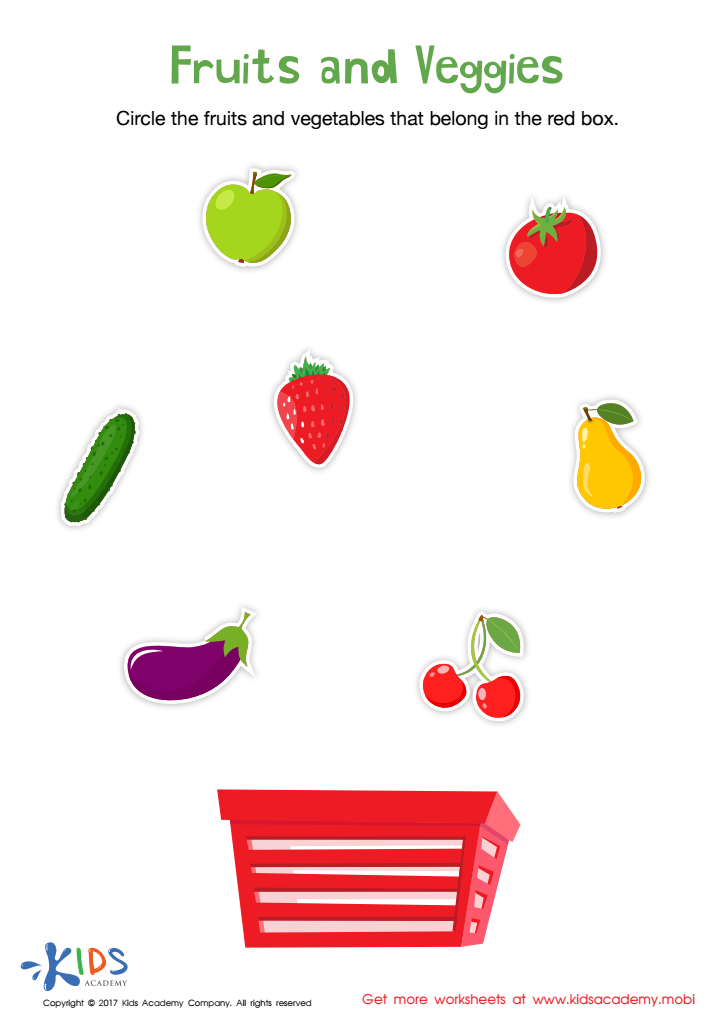
 Assign to My Students
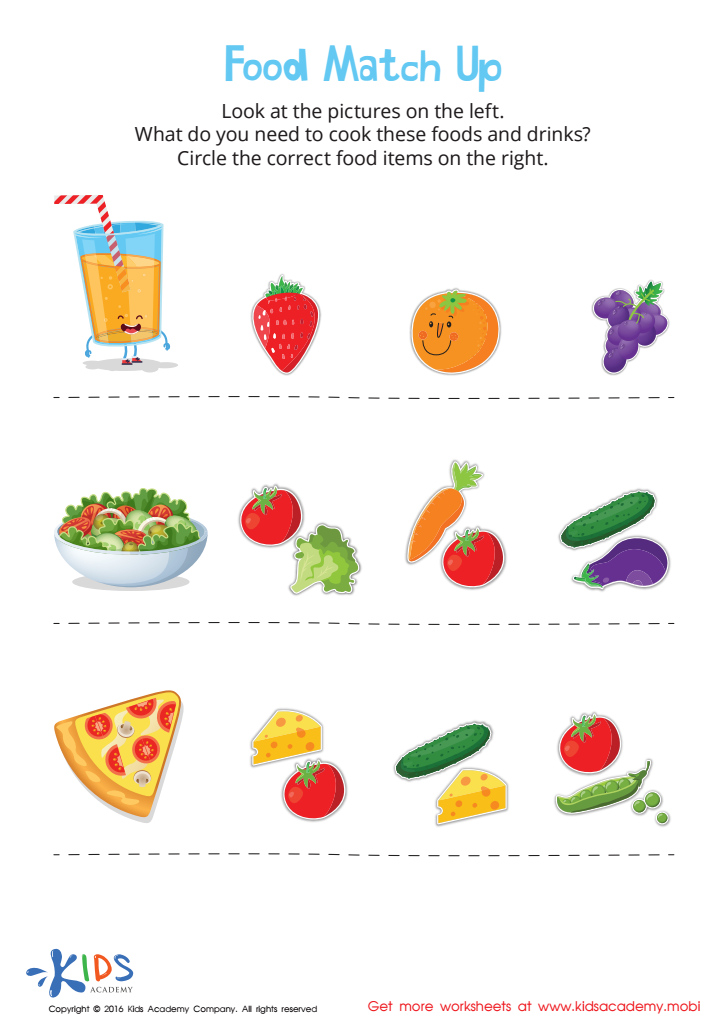
Food Match Up Worksheet
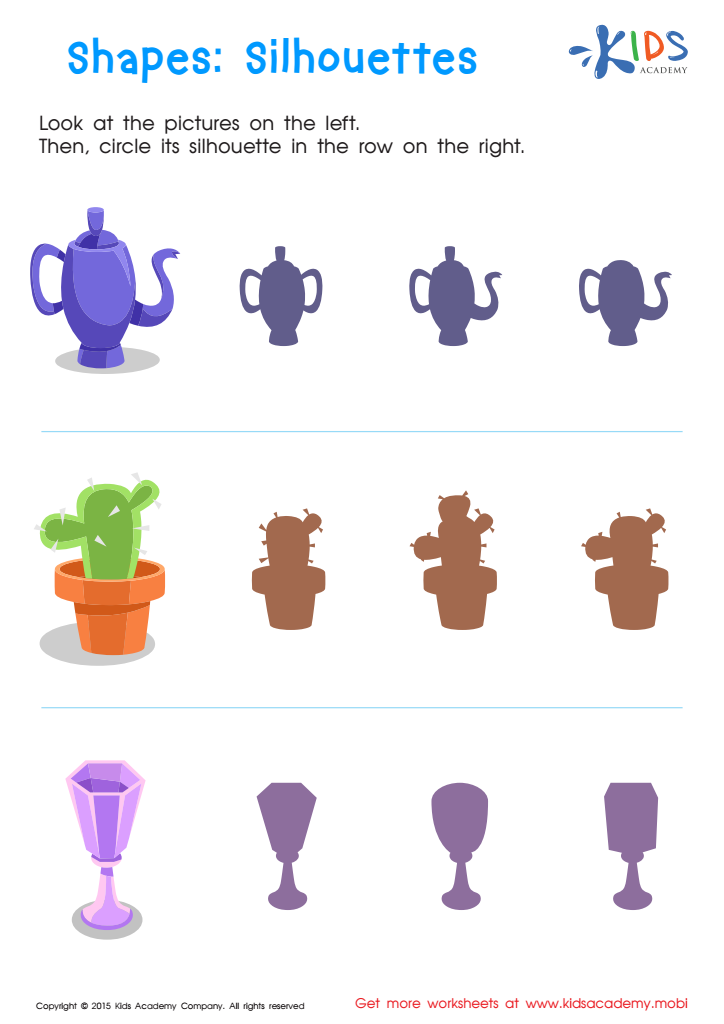
Silhouettes – Shapes Worksheet







Visual discrimination is the ability to recognize differences and similarities in shapes, patterns, and objects, and it is a pivotal skill for children aged 5-7. This skill directly correlates with early literacy and numeracy development, impacting a child's ability to learn letters, numbers, and eventually read and write.
For instance, distinguishing between similar letters like 'b' and 'd' or numbers like '6' and '9' requires strong visual discrimination. This ability helps in decoding words, improving reading fluency, and reducing reading errors. Furthermore, visual discrimination plays a crucial role in everyday tasks such as following classroom instructions, recognizing road signs, and even social interactions by identifying familiar faces and behavioral cues.
Normal matching activities, where children match objects, symbols, or shapes, are excellent for honing this skill. These activities engage children in comparative thinking, encouraging attention to detail. During these formative years, the brain's plasticity allows children to master these skills rapidly, making early intervention key.
Ultimately, fostering visual discrimination skills in early childhood sets a foundational framework for academic success and functional daily living. Parents and teachers who prioritize these activities bolster their children's confidence and ability to tackle more complex tasks as they progress through school and life.








