Basic Math Skills Normal Place Value Worksheets for Ages 5-7
3 filtered results
-
From - To
Help your child build a solid math foundation with our "Basic Math Skills - Normal Place Value Worksheets" tailored for ages 5-7. These engaging worksheets are designed to make learning fun and effective, focusing on place values to enhance numerical understanding. Perfect for early graders, the exercises encourage hands-on learning, ensuring kids grasp the fundamental concepts of units, tens, and hundreds. These printable resources are ideal for both classroom use and at-home practice, supporting young learners in developing essential math skills for future success. Equip your child with the confidence and knowledge they need to excel in math.
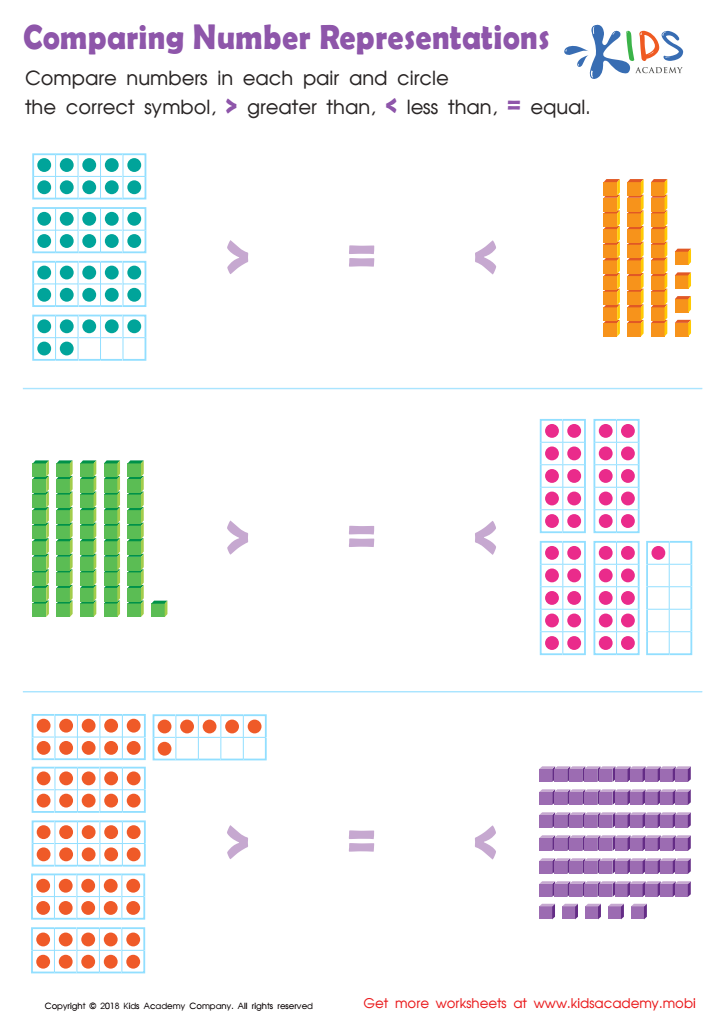
Comparing Number Representations Worksheet
 Assign to My Students
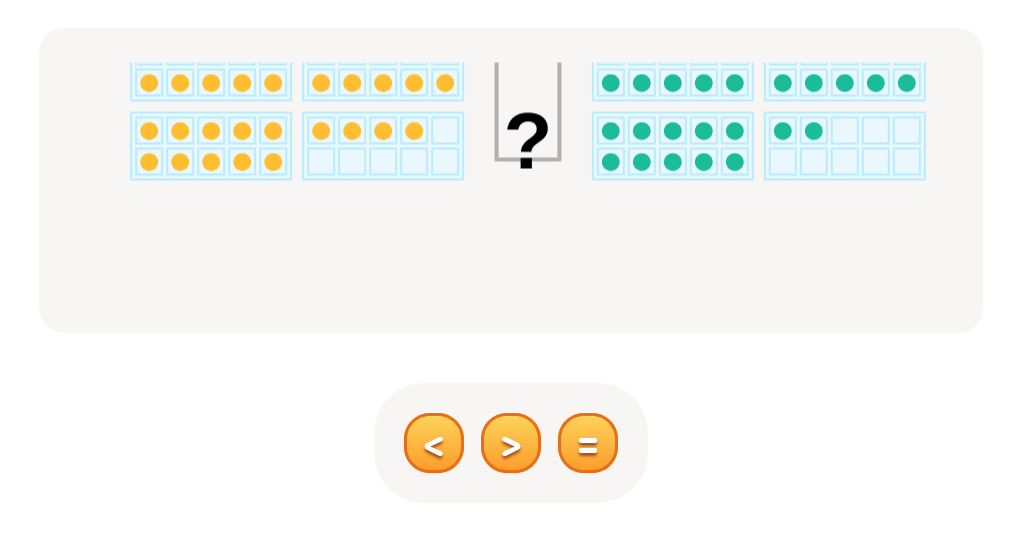

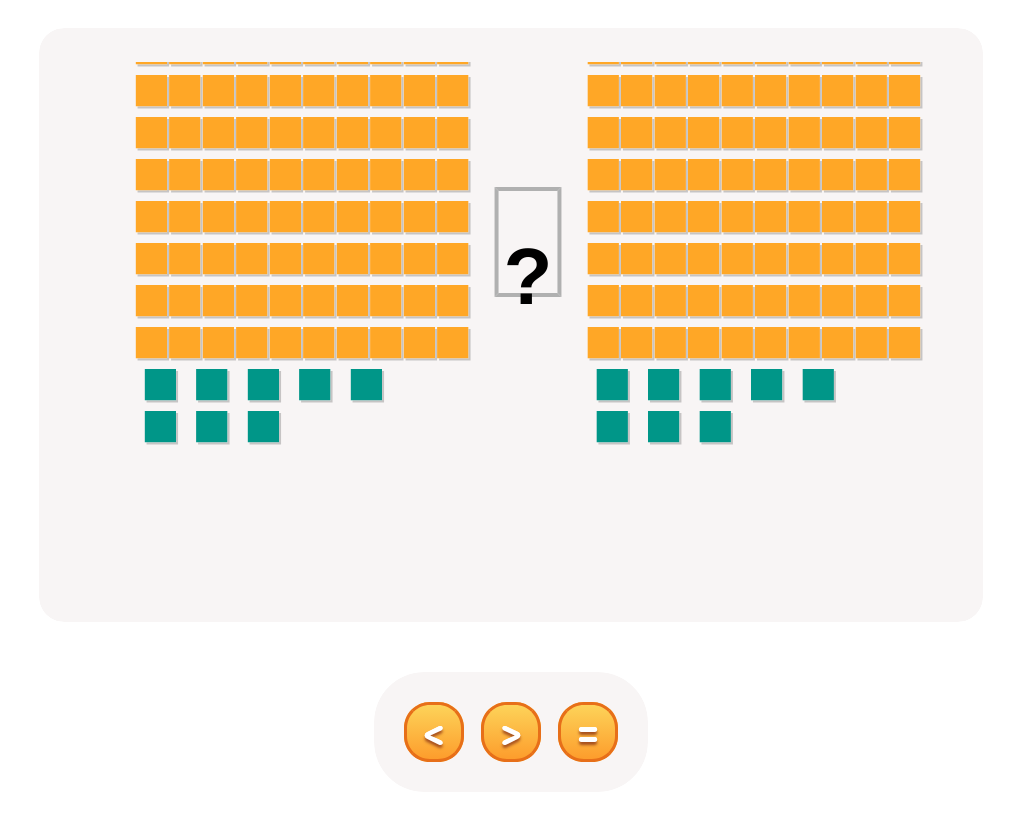
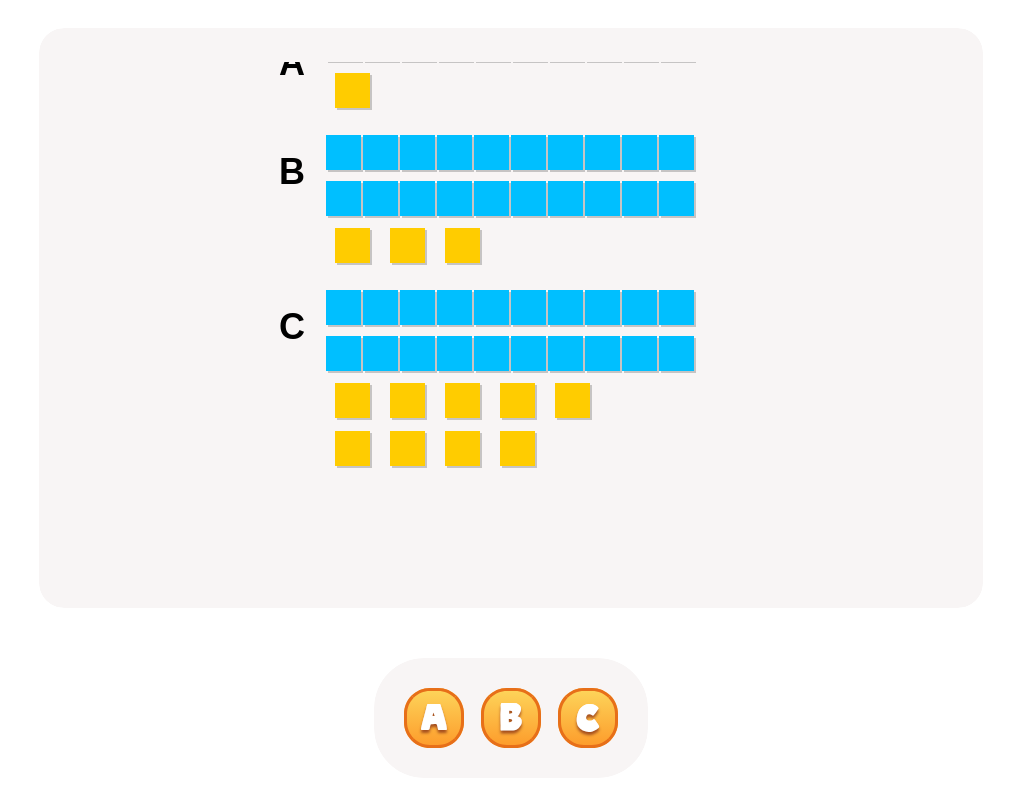
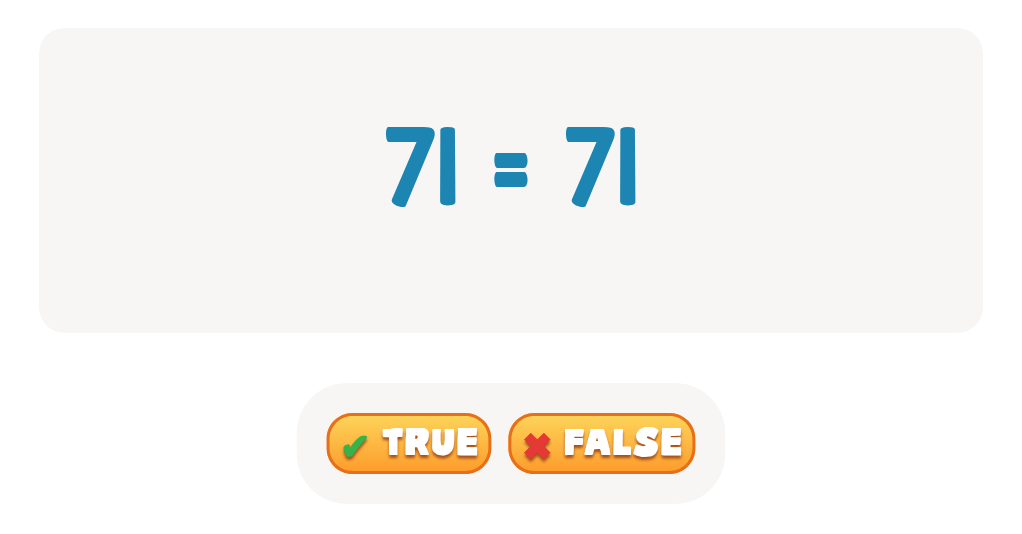
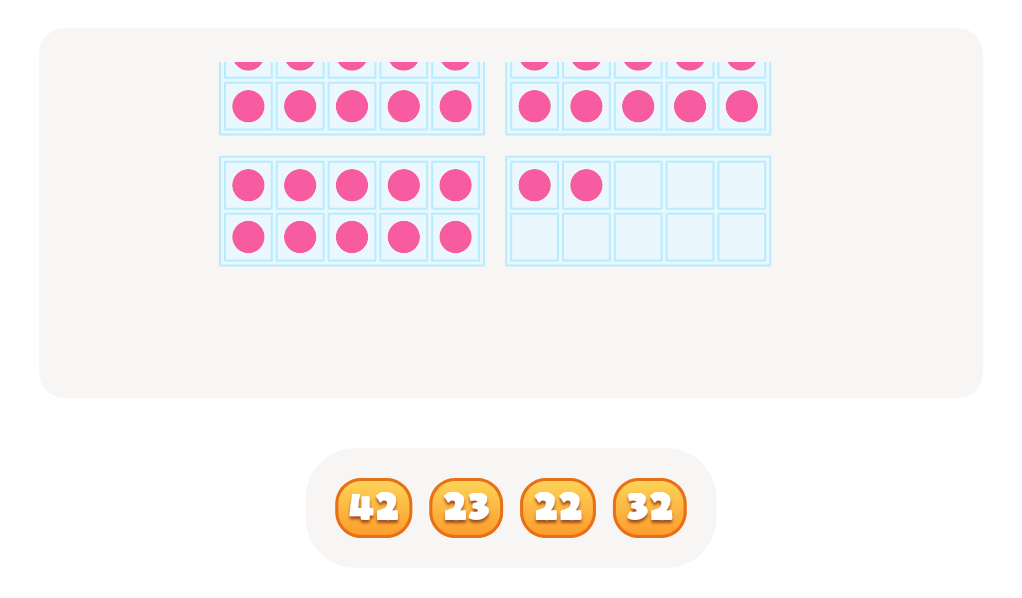
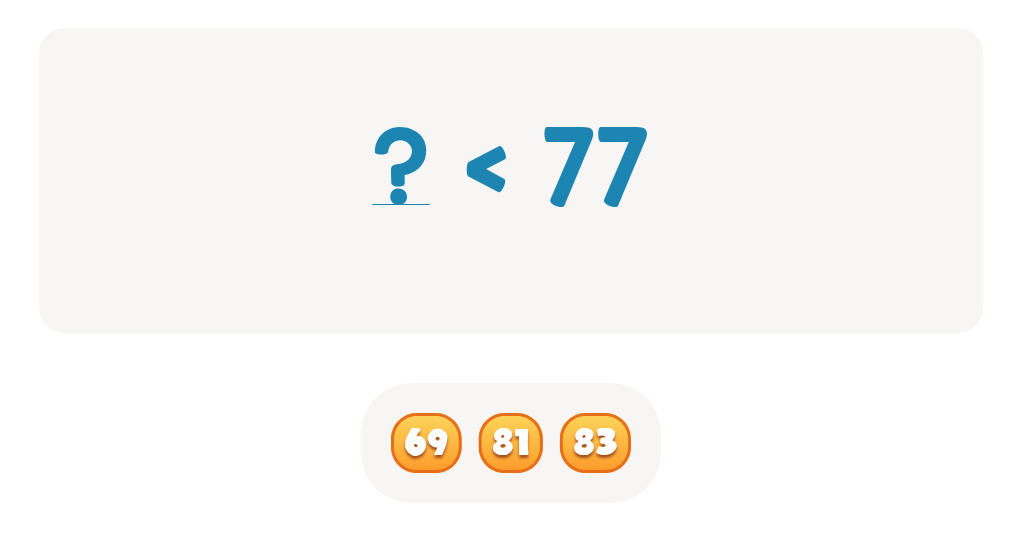
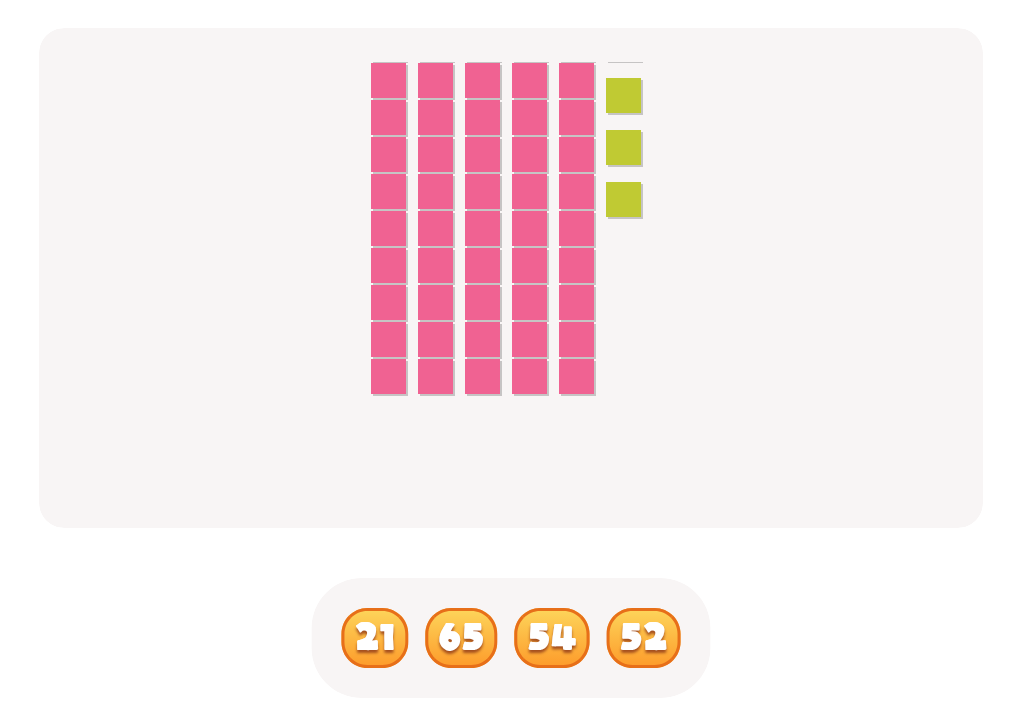
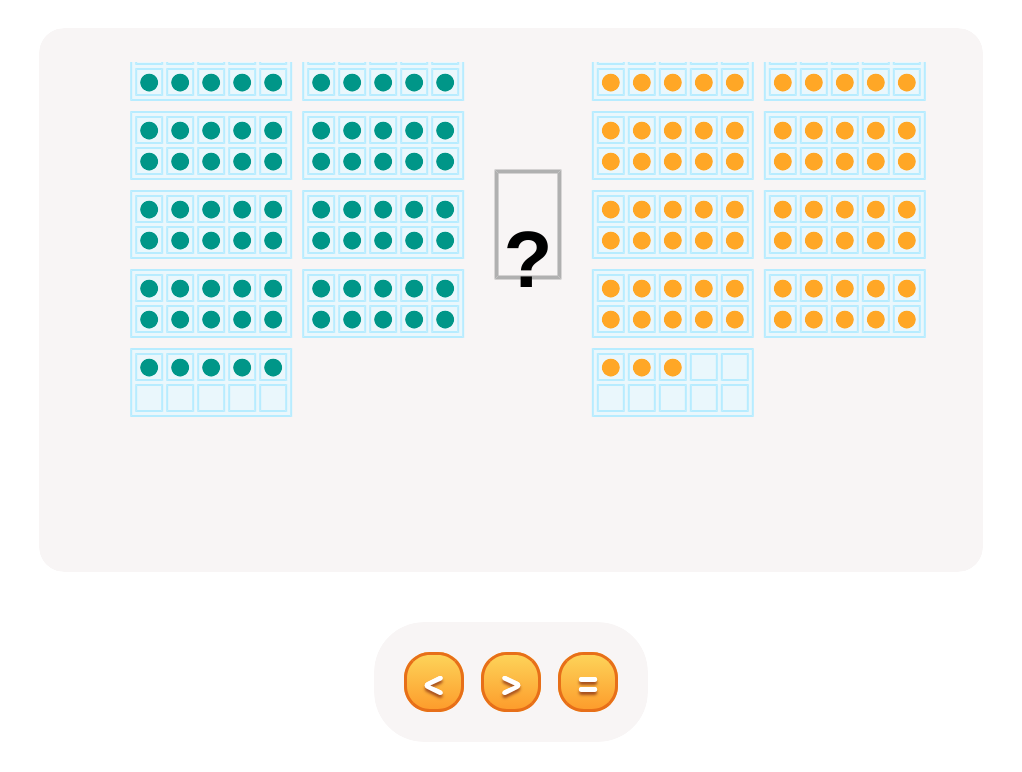
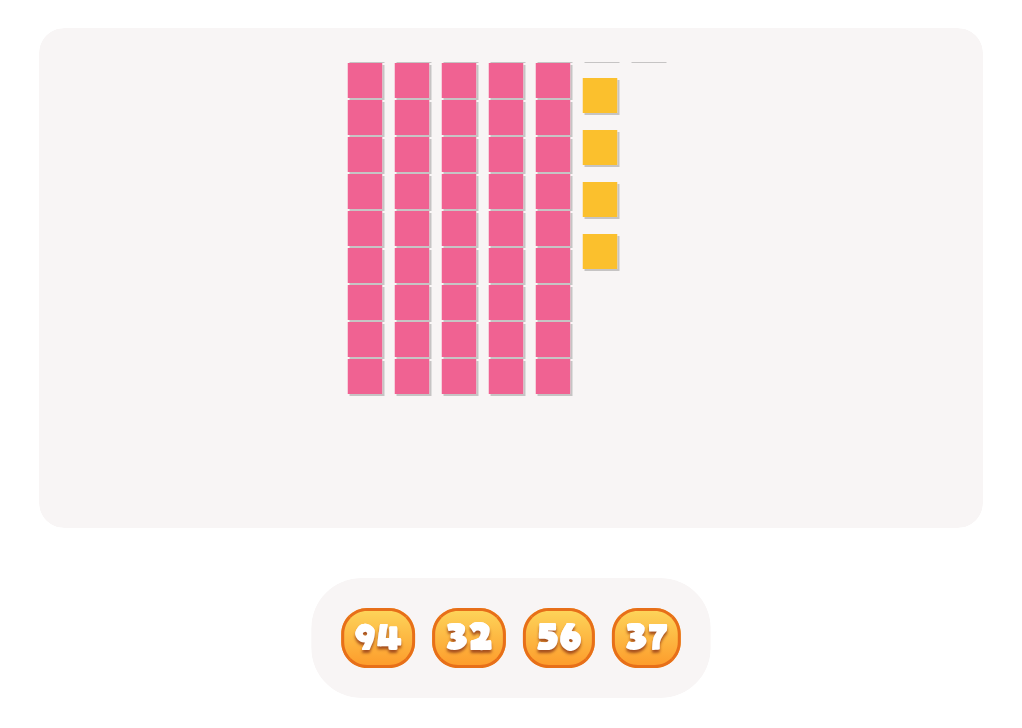
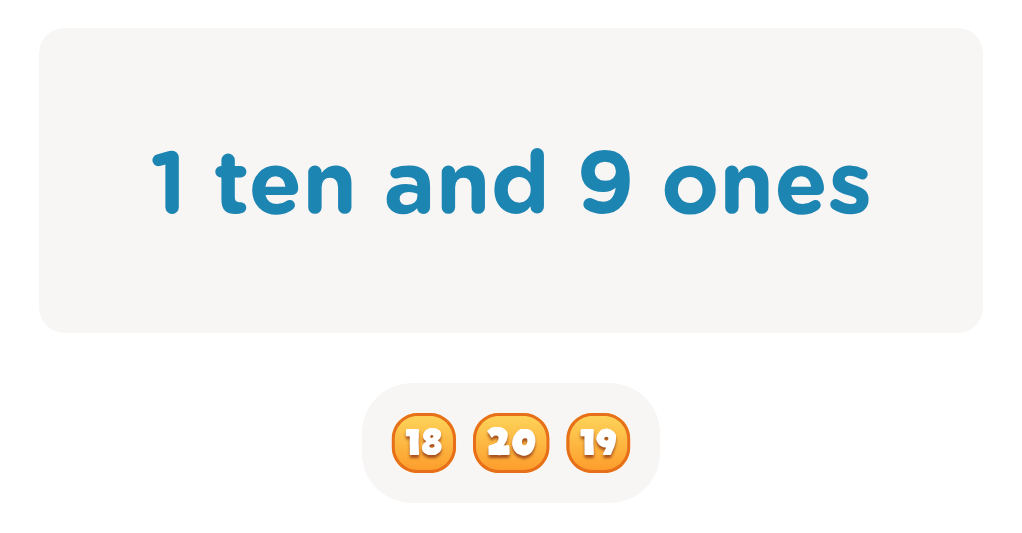
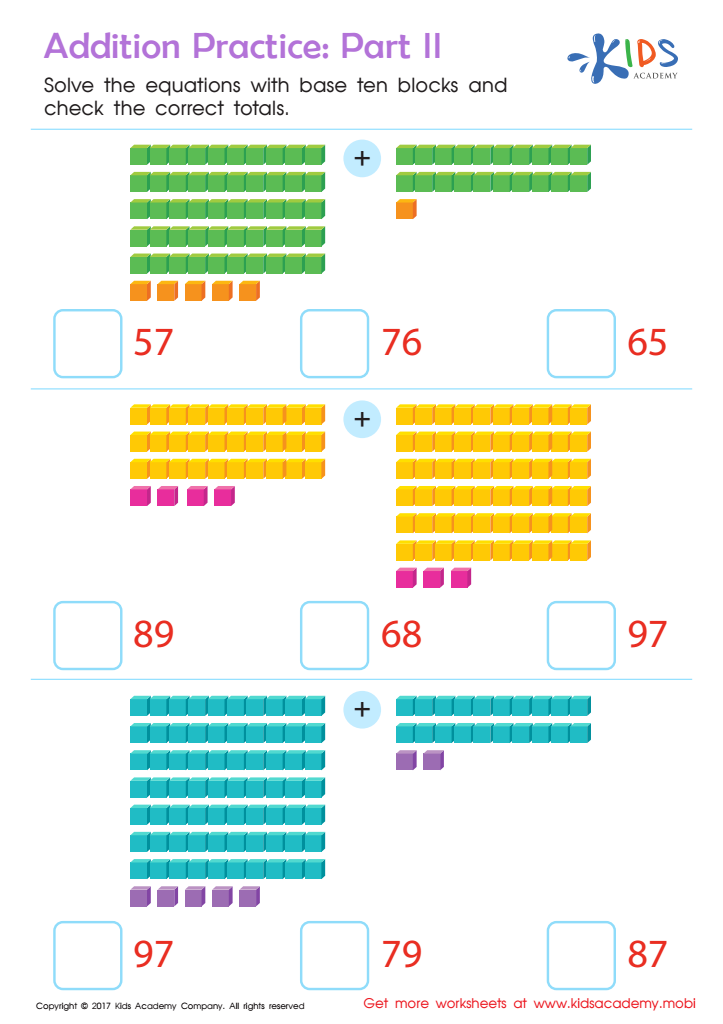
Addition Practice Sheet: Part 2
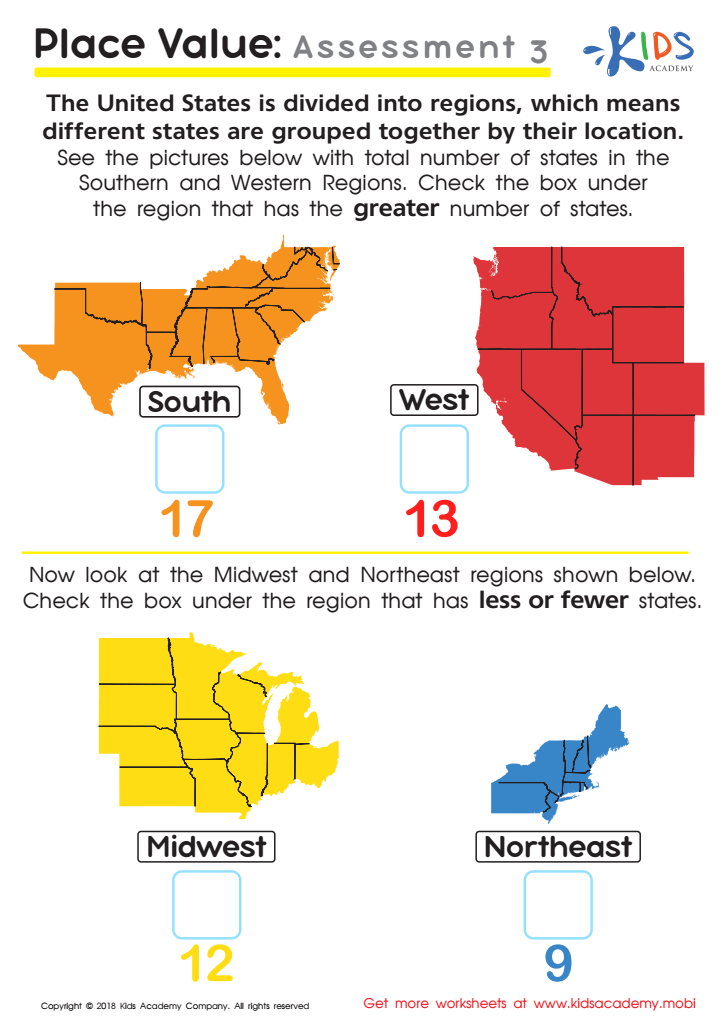
Place Value: Assessment 3 Worksheet








Basic math skills, particularly understanding normal place value, form the foundation for numerical literacy in children ages 5-7. Place value is the concept that each digit in a number has a different value depending on its position. For instance, in the number 321, the digit '3' represents 300, '2' represents 20, and '1' represents 1. By mastering this concept early, children develop a clear comprehension of how numbers work, which is essential for more complex math operations like addition, subtraction, and eventually multiplication and division.
Parents and teachers should prioritize place value teaching because it enhances children's problem-solving skills, logical reasoning, and their ability to recognize patterns—all critical components of mathematical thinking. When children grasp place value, they find it easier to perform mental arithmetic and estimate more accurately.
Moreover, the skills learned through understanding place value extend beyond math. These skills foster cognitive development, influencing how children approach tasks in other subjects and in daily life. For instance, measuring ingredients in recipes or sorting items logically both draw on an understanding of numerical concepts. Teachers who embed place value into their lessons help build a resilient mathematical foundation, empowering children with the confidence and skills necessary for future academic success.