Reading comprehension Normal Building Vocabulary Worksheets for Ages 5-7 - Page 3
52 filtered results
-
From - To
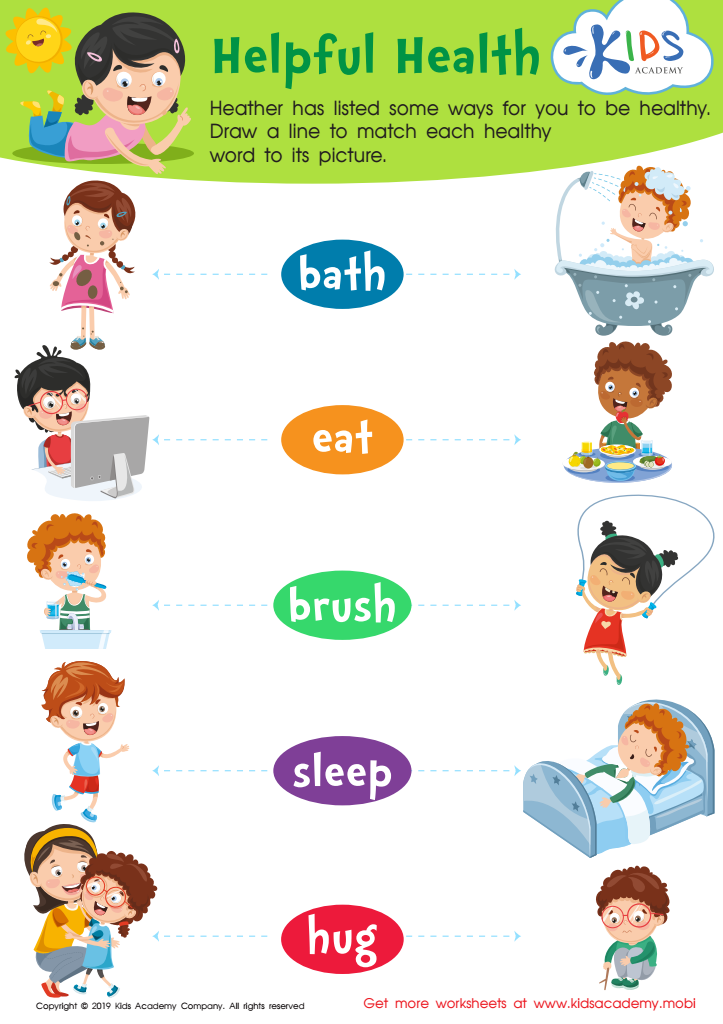
Helpful Health Worksheet
 Assign to My Students











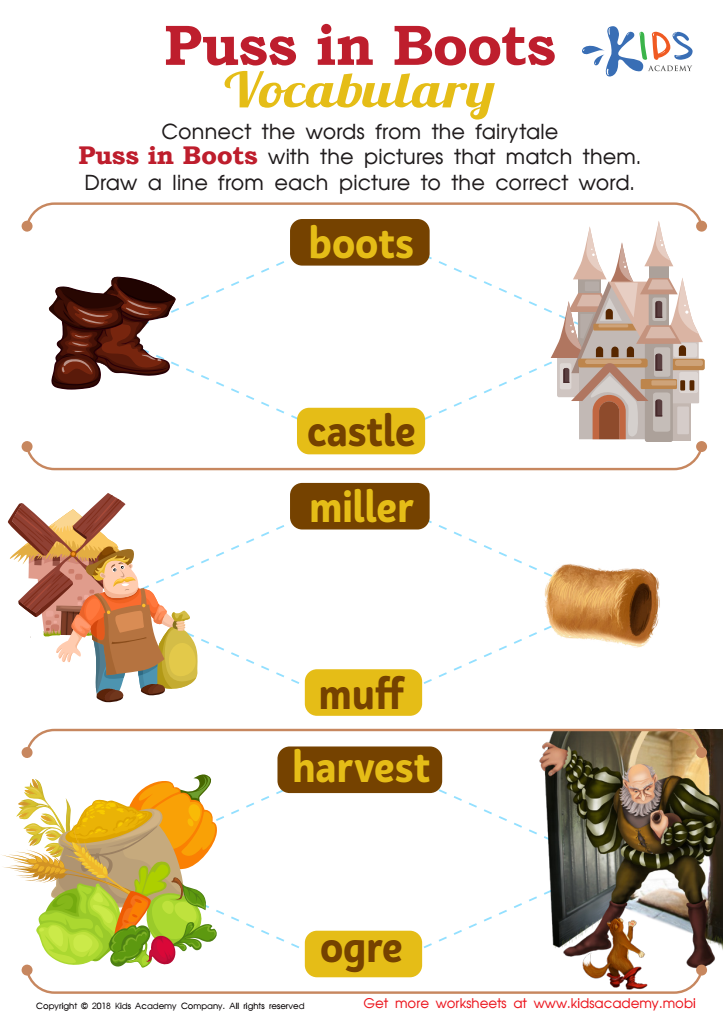
Puss in Boots Vocabulary Worksheet
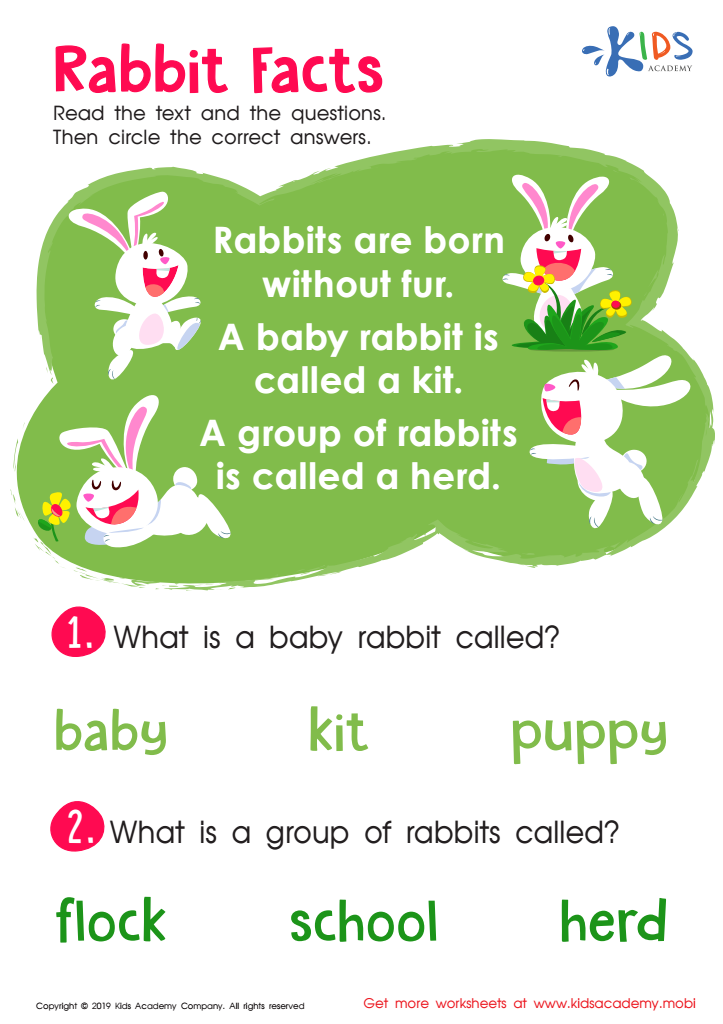
Rabbit Facts Worksheet
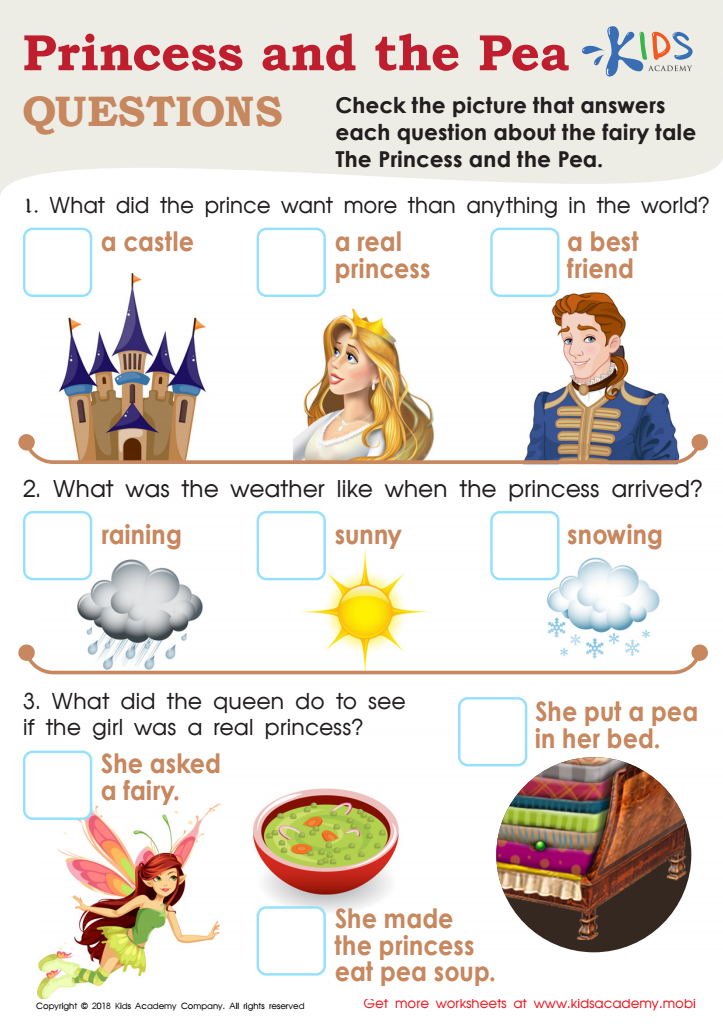
Princess and the Pea Questions Worksheet







Parents and teachers should prioritize reading comprehension and vocabulary development for children ages 5-7 because these skills form the foundation for lifelong learning. At this critical stage, children are not just learning to read but are beginning to read to learn. A strong vocabulary equips them with the tools to understand texts, express their ideas, and engage in meaningful conversations.
Reading comprehension is essential, as it helps children process and interpret information, fostering critical thinking and creativity. When children understand what they read, they become more engaged and motivated learners, building a love for reading that will benefit them in later academic pursuits.
Moreover, a rich vocabulary supports literacy across all subjects, enhancing abilities in math, science, and social studies. As children encounter new words, they expand their comprehension and gain confidence in their communication skills.
Furthermore, investing in normal vocabulary building at this age can significantly close educational gaps, ensuring all children have equal opportunities to succeed. By cultivating these skills early, parents and teachers can empower children to navigate their world more effectively, setting them on a positive trajectory for academic achievement and personal growth. In short, reading comprehension and vocabulary are vital for fostering a strong educational foundation.








