
Analytical thinking Normal Reading Worksheets for Ages 5-7
4 filtered results
Difficulty Level
Grade
Age
-
From - To
Subject
Activity
Standards
Discover our engaging "Analytical Thinking Normal Reading Worksheets" designed specifically for children aged 5-7. These worksheets help young learners develop critical thinking skills while enhancing their reading abilities. With a variety of fun exercises, kids will analyze stories, make connections, and solve problems that promote comprehension and creativity. Each worksheet focuses on interactive activities that encourage exploration and deeper understanding of texts, helping young readers think critically about what they read. Ideal for home or classroom use, these worksheets make learning enjoyable and effective, paving the way for a lifelong love of reading and analytical skills development in children.
Favorites
With answer key
Interactive
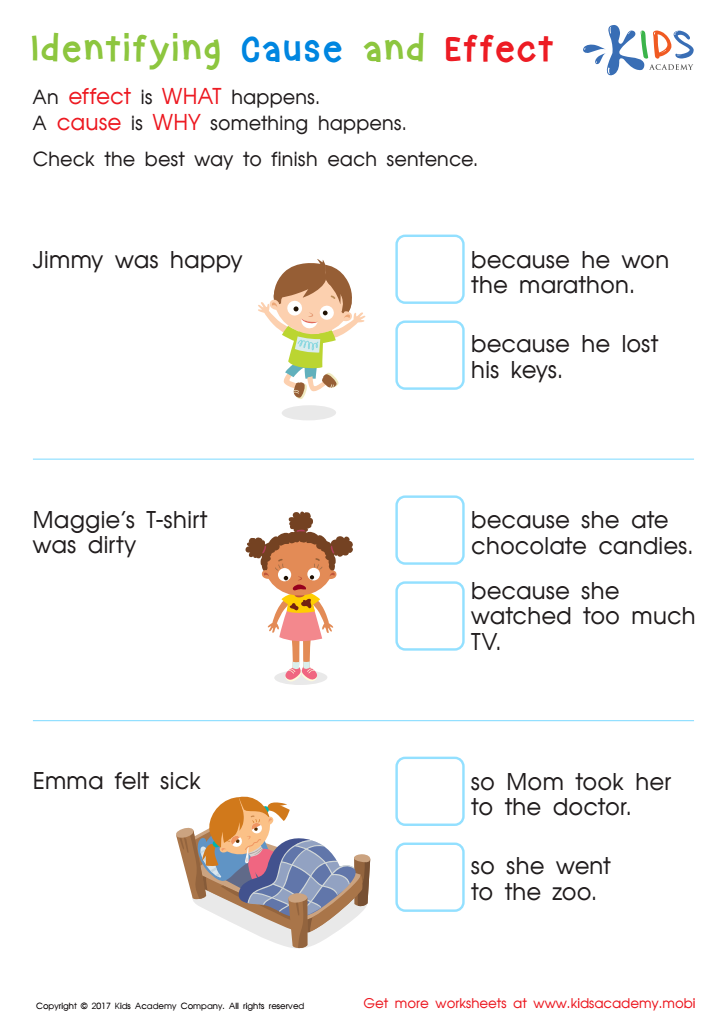
Indentifying Cause and Effect Worksheet
2nd grade cause & effect worksheets give your child practice making connections between events and their results. Fun activities help develop reading and critical thinking skills.
 Assign to My Students
Indentifying Cause and Effect Worksheet
Worksheet
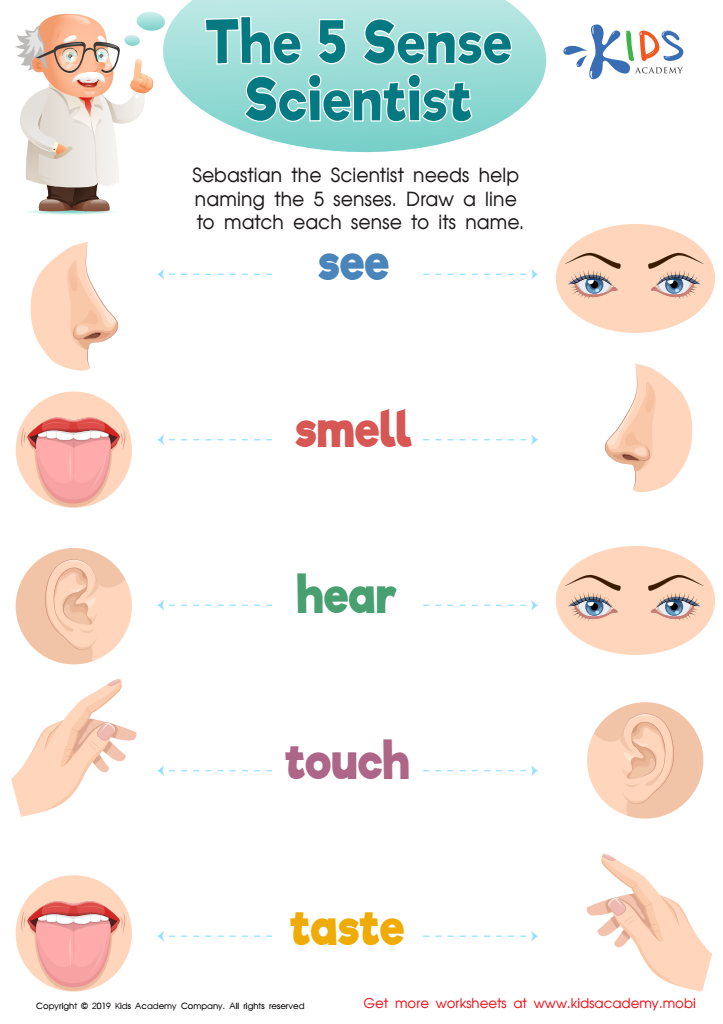
The 5 Sense Scientist Worksheet
Our young children will have fun learning about their five senses with this free Sense Scientist worksheet. Helping Sebastian the Scientist, they'll name the five senses and use traceable lines to connect each picture with its correct sense. Colorful words and pictures will create a memorable picture representation.
The 5 Sense Scientist Worksheet
Worksheet
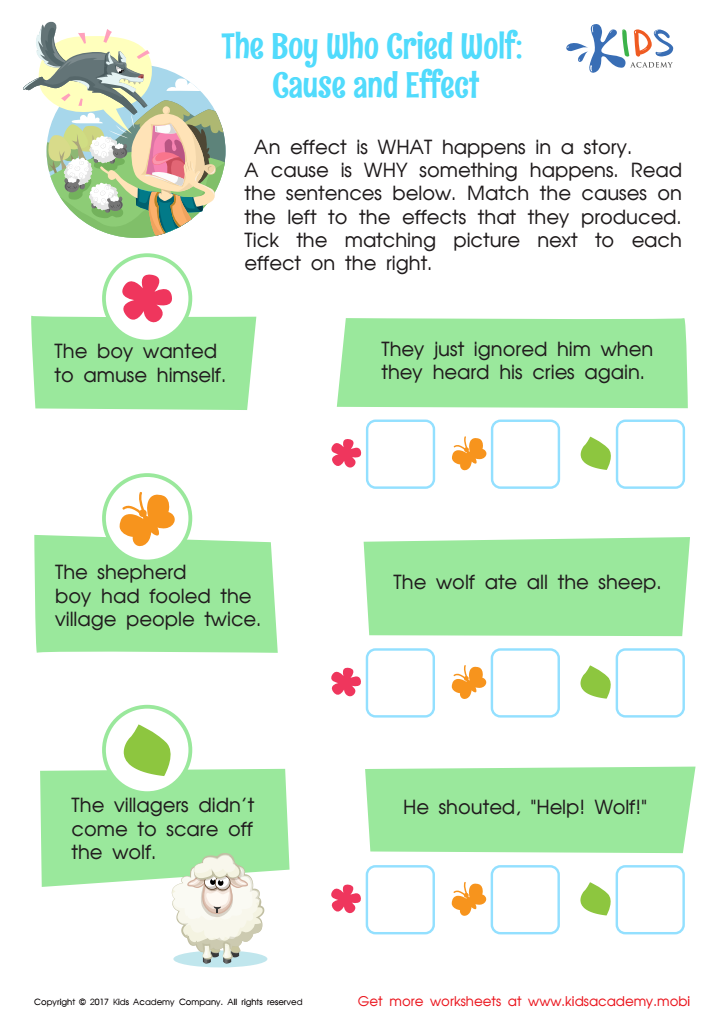
The Boy Who Cried Wolf: Cause and Effect Worksheet
With classic stories and fables, learning reading comprehension is easy - and fun!
The Boy Who Cried Wolf: Cause and Effect Worksheet
Worksheet
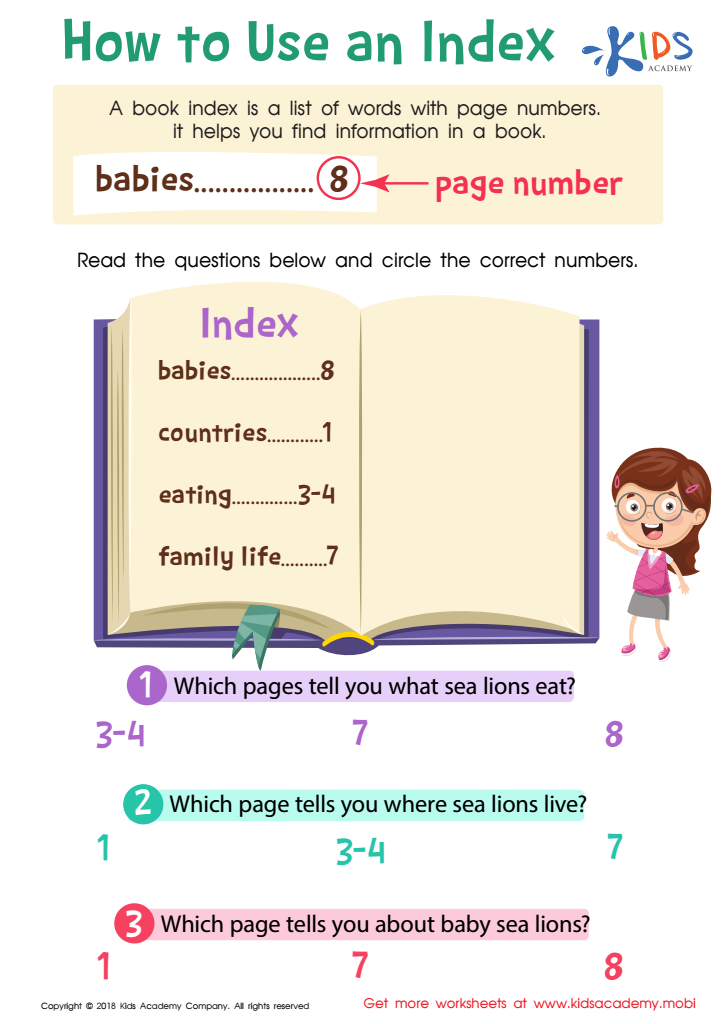
How Use Index Worksheet
Hand your kids a book, point out the index and explain that it's a list of words with page numbers. Ask them to look at the index in the worksheet and circle the correct number to the questions. Every book must have an index to help readers find chapters or information they need.
How Use Index Worksheet
Worksheet
Join Kids Academy for Free
Who is primarily going to use this learning content?








Parents and teachers should prioritize analytical thinking in early reading for children ages 5-7 because it lays the foundation for critical skills that are essential for lifelong learning. At this age, children are naturally curious and eager to explore their surroundings. Encouraging analytical thinking helps them develop the ability to evaluate information, recognize patterns, and make connections. These skills enhance their comprehension and enable them to go beyond mere word recognition to fully understand the content.
Fostering analytical thinking in reading allows children to ask questions, infer meaning, and draw conclusions from the texts they encounter. This process not only improves comprehension abilities but also boosts creativity and problem-solving skills. As children learn to analyze story elements such as characters, plots, and themes, they gain a deeper appreciation of literature and can relate the stories to their own experiences.
Moreover, in a world that increasingly values critical reasoning and independent thought, encouraging analytical skills prepares children to navigate challenges and make informed decisions. By focusing on analytical thinking during this formative stage, parents and teachers empower children to become confident, engaged, and thoughtful learners, setting the stage for academic success and personal growth.








