Analytical thinking Normal Reading Comprehension Worksheets for Ages 5-7
3 filtered results
-
From - To
Enhance your child's reading skills with our engaging Analytical Thinking Normal Reading Comprehension Worksheets, specifically designed for ages 5-7. These beautifully crafted worksheets promote critical thinking and help young learners analyze and interpret texts effectively. Each worksheet offers relatable stories paired with thought-provoking questions, encouraging kids to explore deeper meanings and themes. As children work through these exercises, they develop essential analytical skills that foster independence and confidence in their reading abilities. Perfect for use at home or in the classroom, our worksheets make reading comprehension enjoyable and interactive. Unlock the power of analytical thinking and watch your child's literacy flourish!
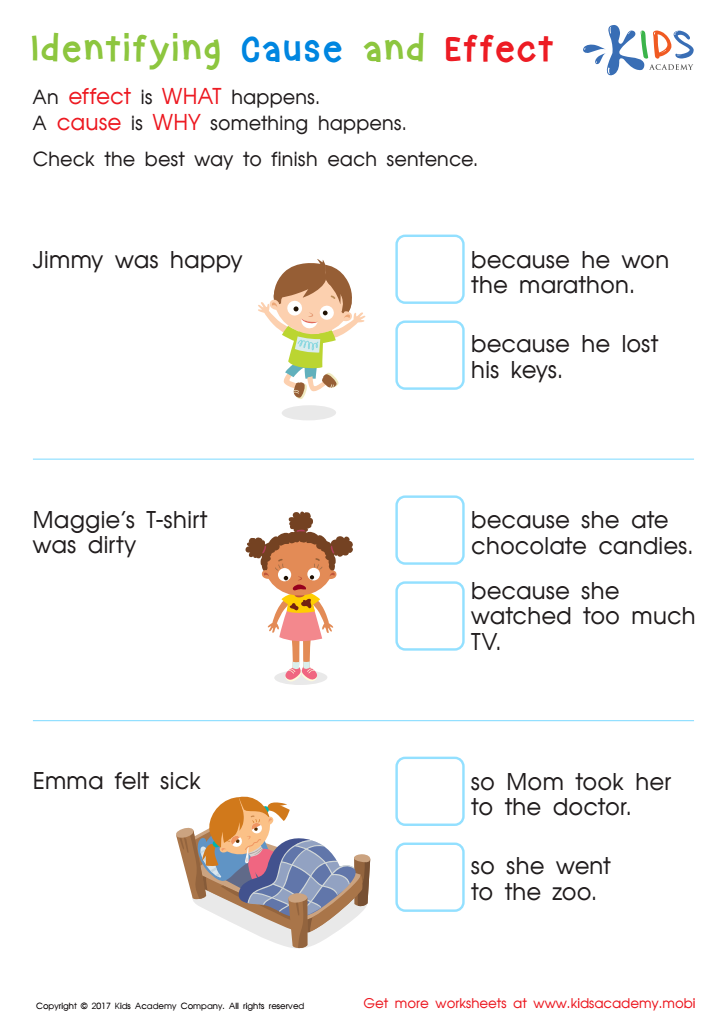
Indentifying Cause and Effect Worksheet
 Assign to My Students
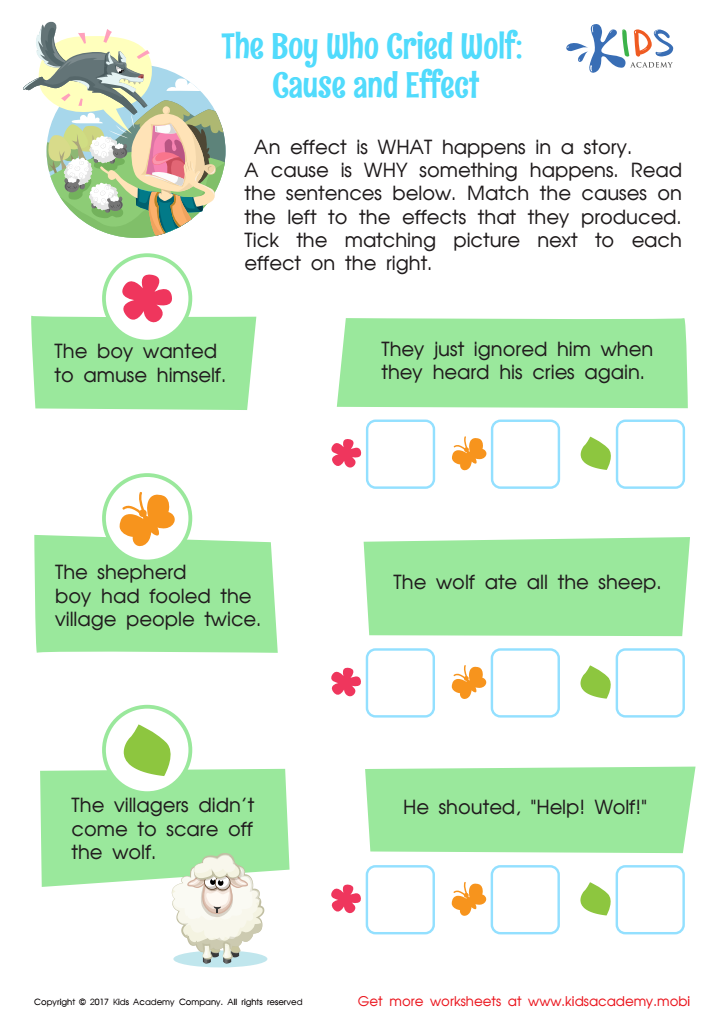
The Boy Who Cried Wolf: Cause and Effect Worksheet
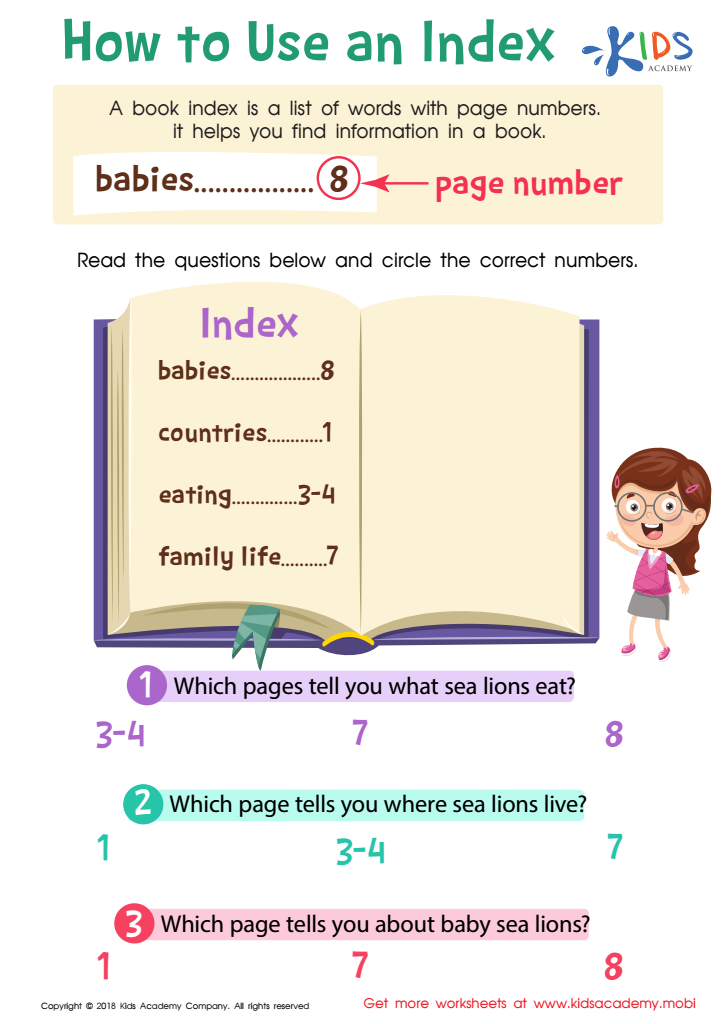
How Use Index Worksheet








Analytical thinking is a critical skill for children aged 5-7, laying a foundation for future learning and problem-solving abilities. For parents and teachers, fostering this skill is essential because it enhances children's reading comprehension. At this age, students are rapidly developing their cognitive processes, and analytical thinking allows them to make connections, evaluate information, and understand context.
When children engage with texts analytically, they learn to identify main ideas, draw inferences, and understand the nuances of stories or informational material. This not only enriches their reading experience but also cultivates curiosity and encourages them to question what they read, leading to deeper comprehension.
Moreover, supporting analytical thinking in young learners helps develop their critical thinking skills, preparing them for success in school and life. In today's world, where information is abundant and requires discernment, the ability to analyze and interpret data is crucial.
Additionally, parents and teachers play a vital role in this development by creating an encouraging environment. Simple activities such as discussing story plots, asking open-ended questions, and engaging in problem-solving tasks together can significantly enhance their analytical abilities. Thus, prioritizing analytical thinking is not just about improving reading skills, but also about fostering lifelong learners equipped for the challenges ahead.








