Word Recognition Normal Reading Comprehension Worksheets for Ages 5-7
6 filtered results
-
From - To
Discover our engaging "Word Recognition Normal Reading Comprehension Worksheets" designed specifically for children aged 5-7. These worksheets help young learners strengthen their reading skills by focusing on word recognition and comprehension through fun and interactive activities. Each worksheet is thoughtfully crafted to promote literacy, enhance vocabulary, and improve reading fluency. Young readers will enjoy diverse tasks such as identifying words, matching pictures, and answering questions that promote critical thinking. Perfect for classroom use or at-home learning, our worksheets cater to different learning styles while making reading an enjoyable experience. Explore our resources to foster a love for reading in your little ones!
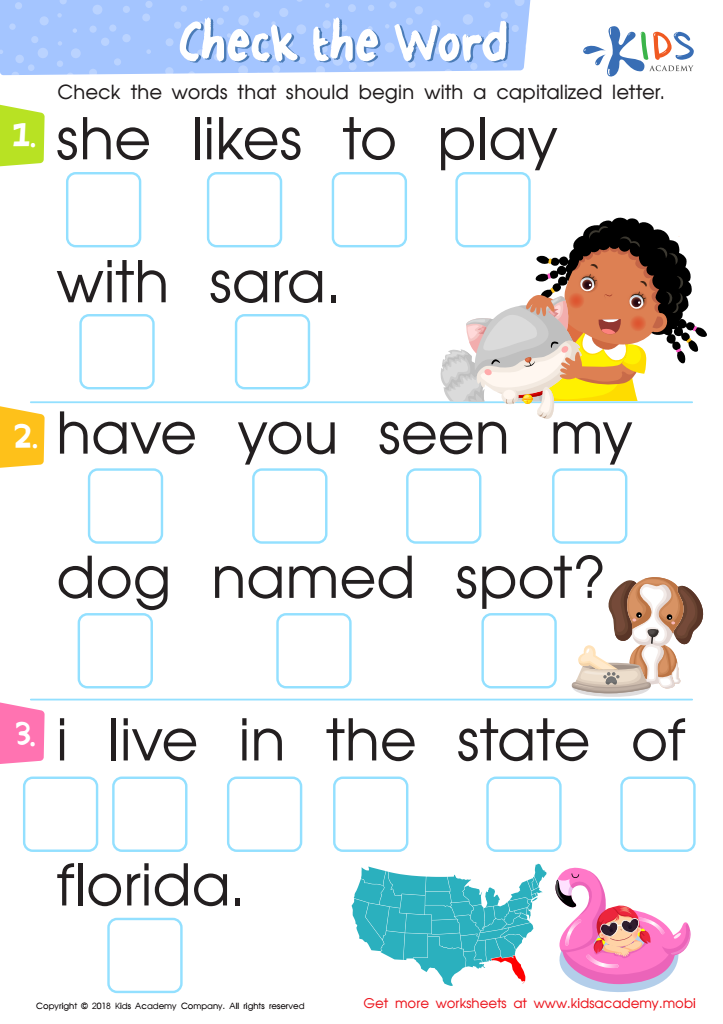
Check the Word Worksheet
 Assign to My Students
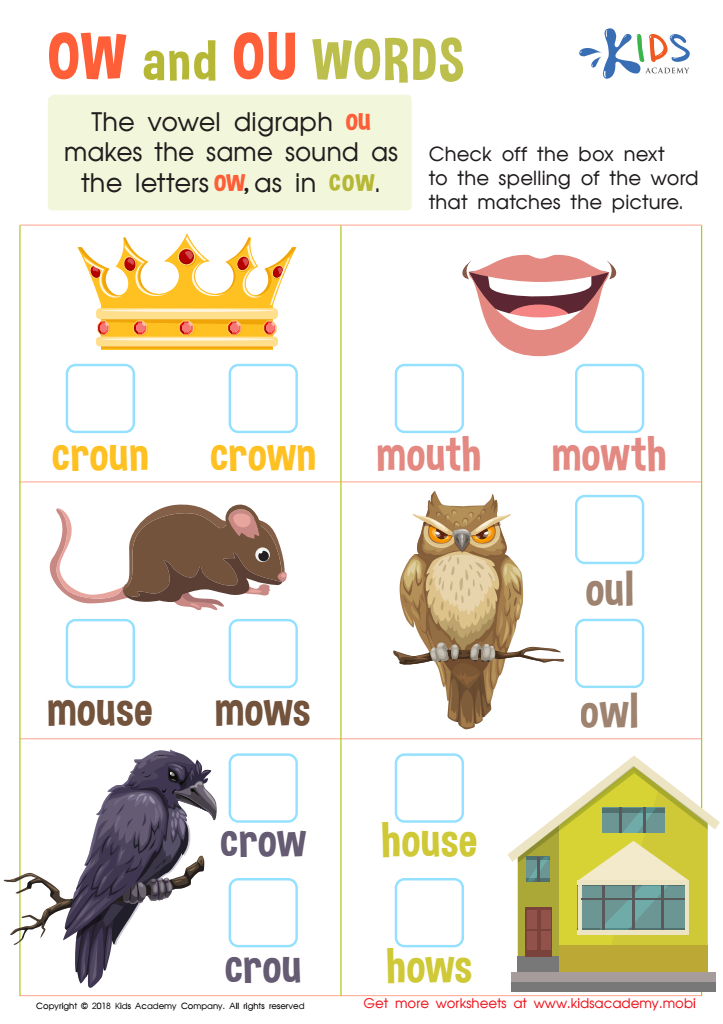
Reading: OW and OU Words Worksheet
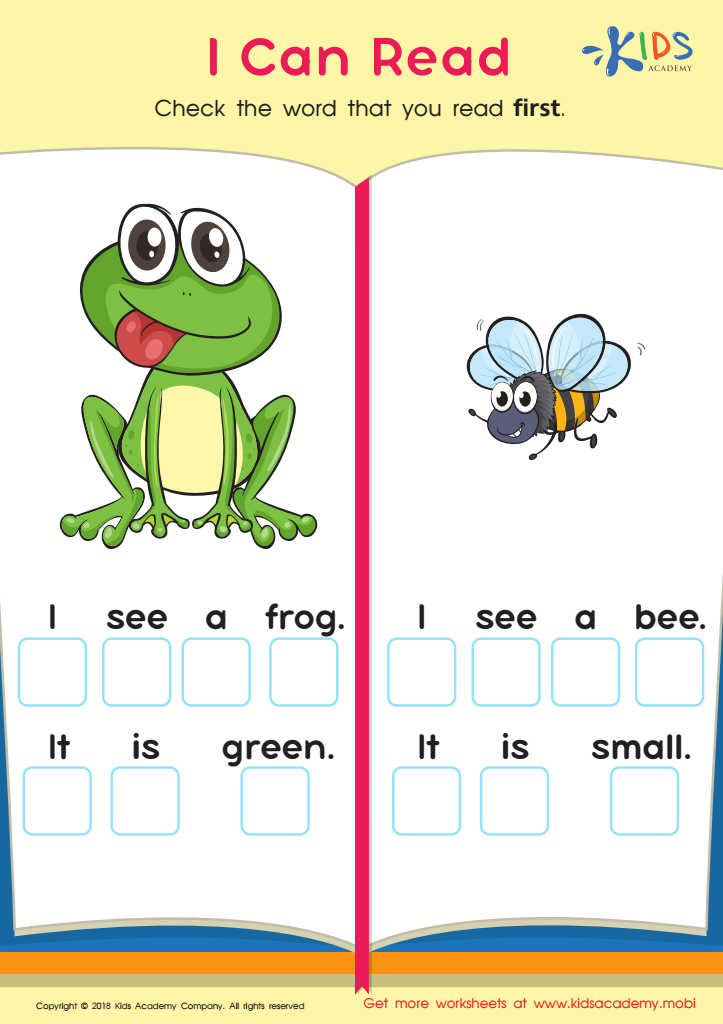
I Can Read Worksheet
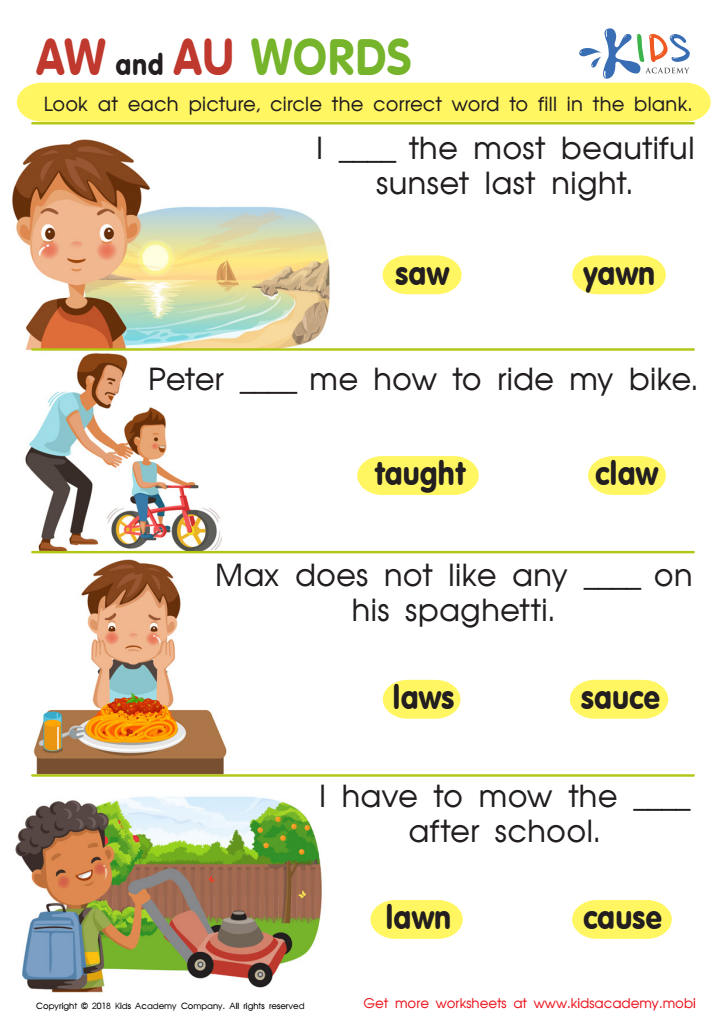
Reading: AW and AU Words Worksheet
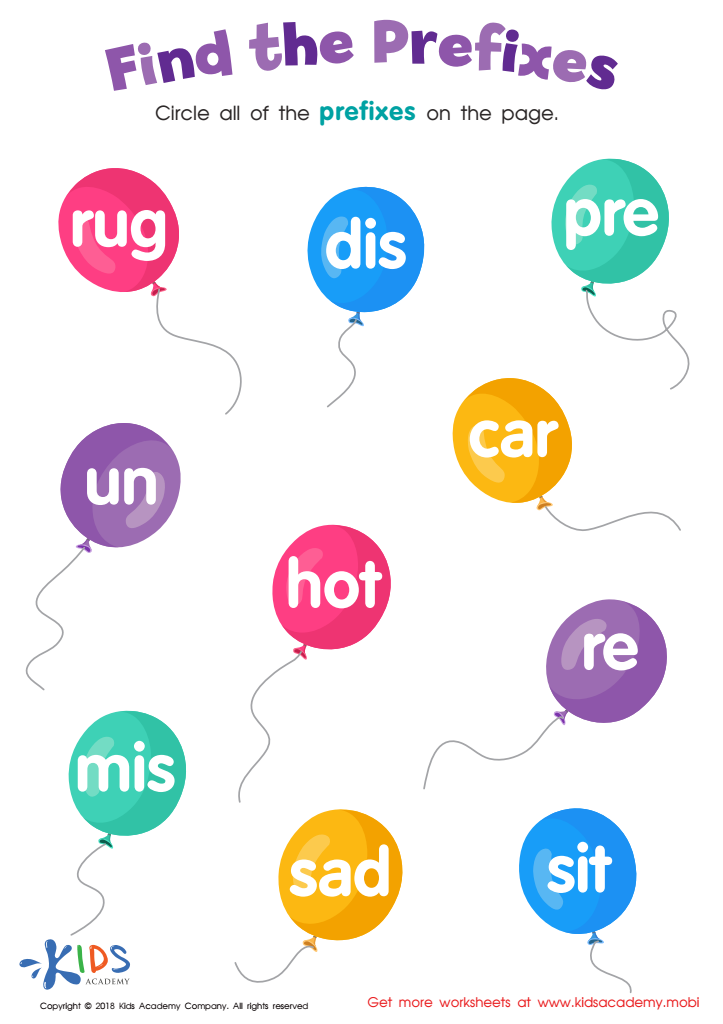
Reading: Find the Prefixes Worksheet
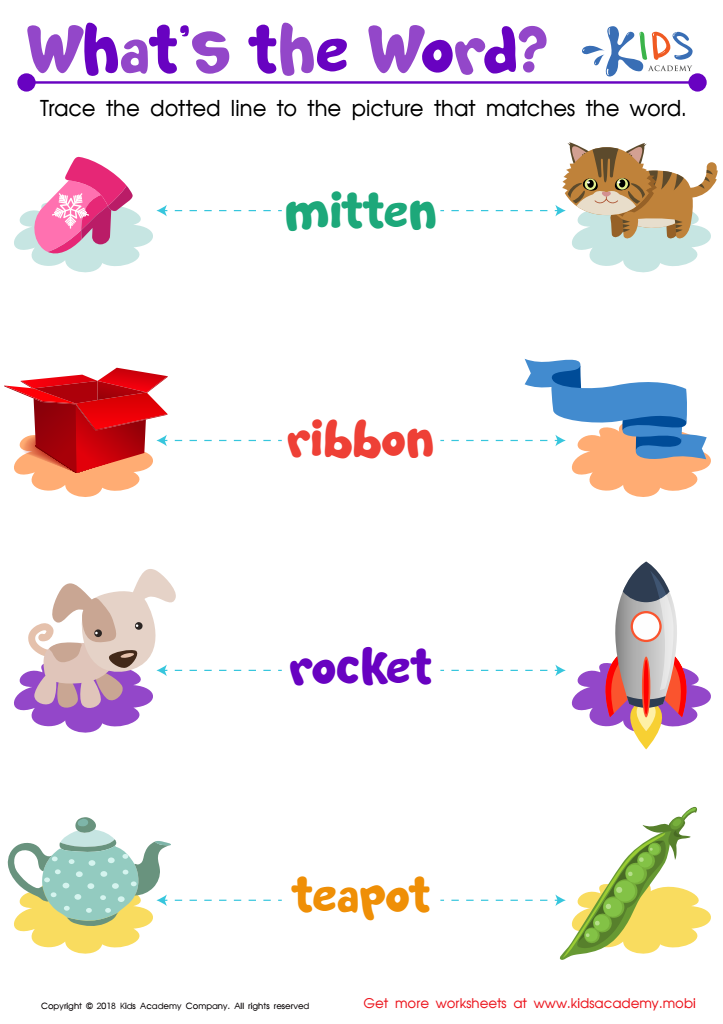
Reading: What's Word Worksheet






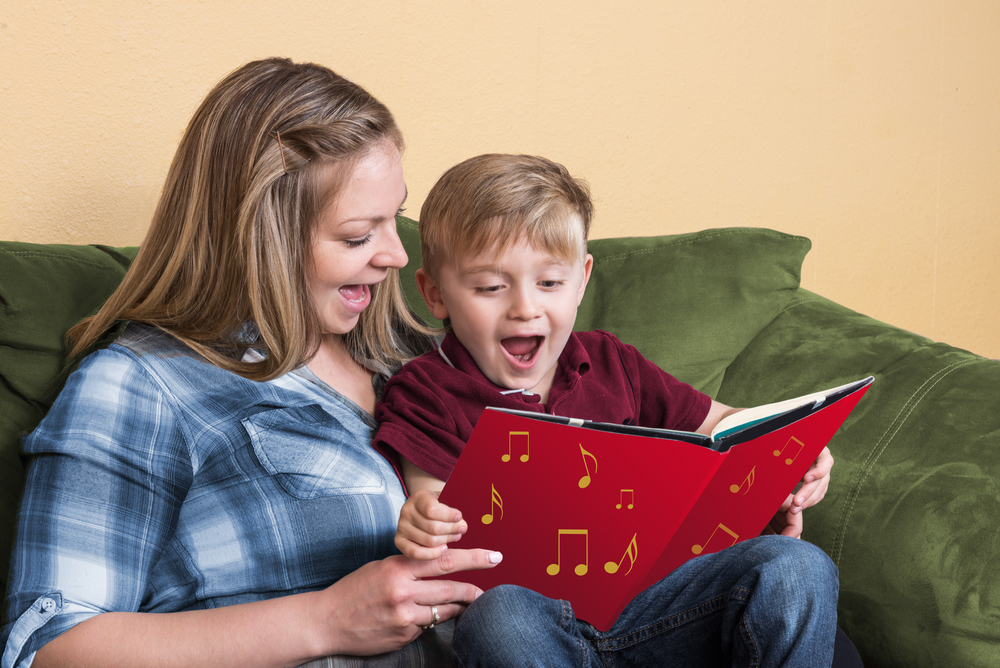

Word recognition and reading comprehension are foundational skills for children aged 5-7, significantly impacting their academic journey. As they embark on their reading adventures, proficiency in word recognition—the ability to identify words quickly and accurately—provides the basis for understanding text. Without this skill, students may struggle to grasp meaning and lose motivation.
Parents and teachers should emphasize these aspects because early identification of reading challenges can lead to timely interventions, ensuring kids stay on track. Strong word recognition supports higher reading fluency, which is critical for effective comprehension. Children who can read words with ease are better able to focus on understanding the text rather than decoding it, leading to a more enriching educational experience.
Furthermore, developing early reading skills fosters a love for literature, encouraging lifelong learning and critical thinking. These skills are not only crucial for academic success but also shape communication abilities and social skills as children learn to express their understanding of the world.
Ultimately, word recognition and reading comprehension are intertwined, laying down a solid foundation for future learning. By prioritizing these skills, parents and teachers empower students to thrive, ensuring they possess the tools necessary to navigate both academic and everyday challenges.








