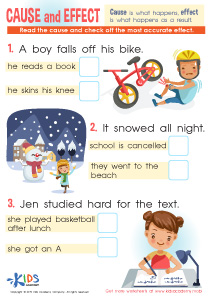
Critical Thinking Normal Reading Non-Fiction Worksheets for Ages 5-7
6 filtered results
-
From - To
Enhance your child's critical thinking skills with our engaging Normal Reading Non-Fiction Worksheets designed for ages 5-7. These thoughtfully crafted worksheets encourage young learners to explore, analyze, and interpret real-world concepts. Each worksheet presents fun, age-appropriate non-fiction texts that stimulate curiosity and promote comprehension. Activities are designed not just to improve reading skills, but also to foster questioning and reasoning abilities, making learning enjoyable. Perfect for parents and educators looking to support young minds, these critical thinking worksheets serve as an invaluable resource for early childhood education. Empower your child today and watch their love for learning flourish!
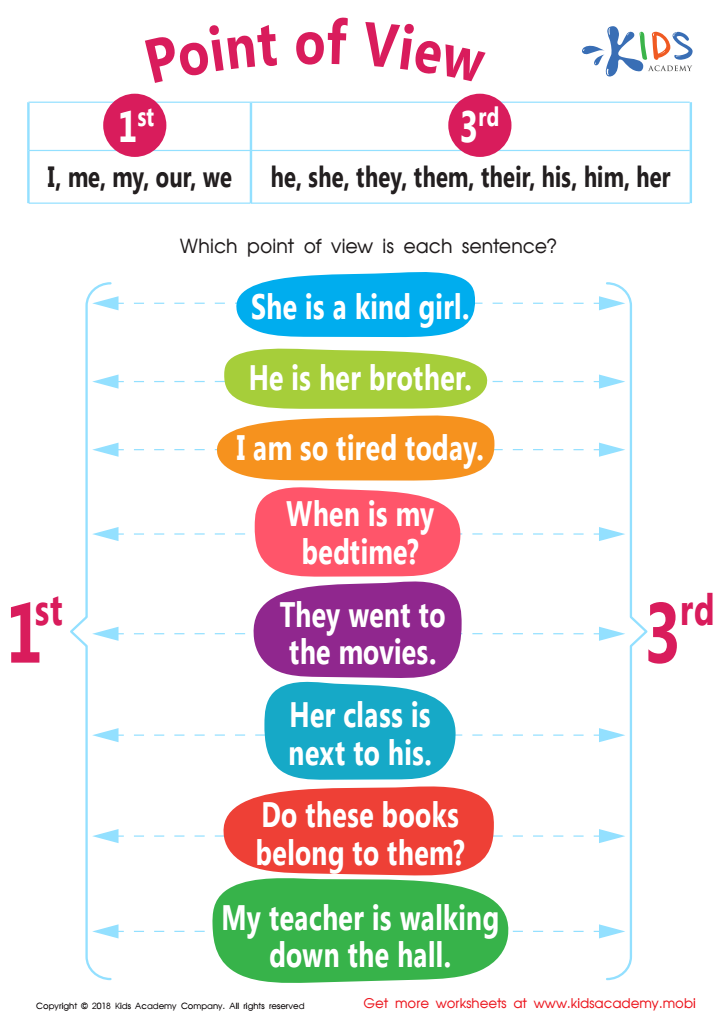
Point of View Worksheet
 Assign to My Students
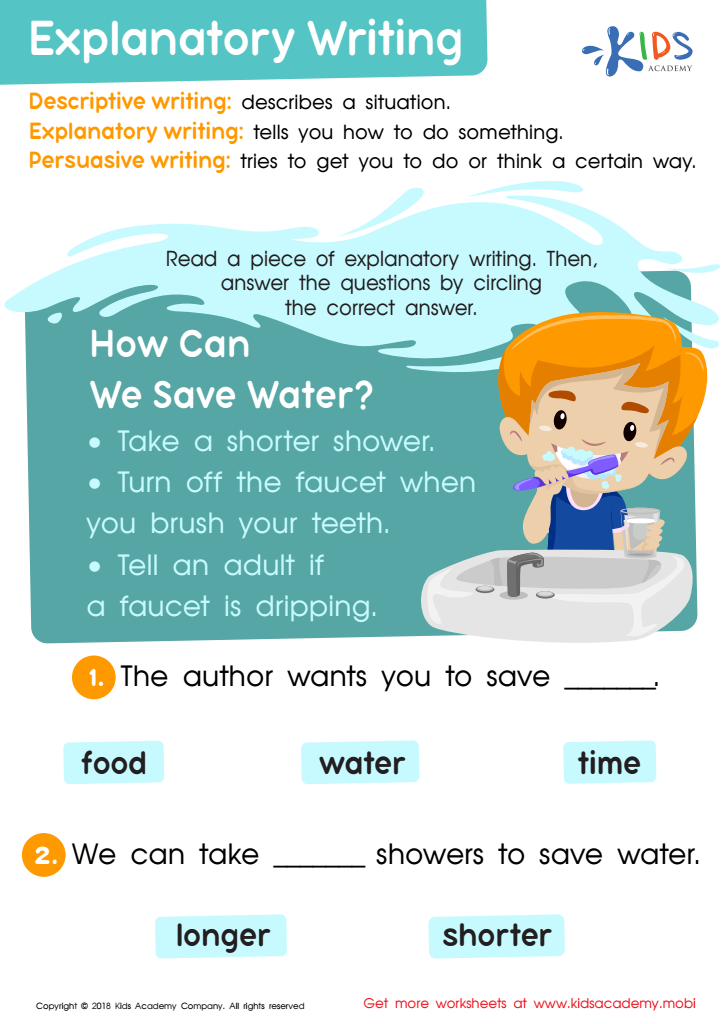
Explanatory Writing Worksheet
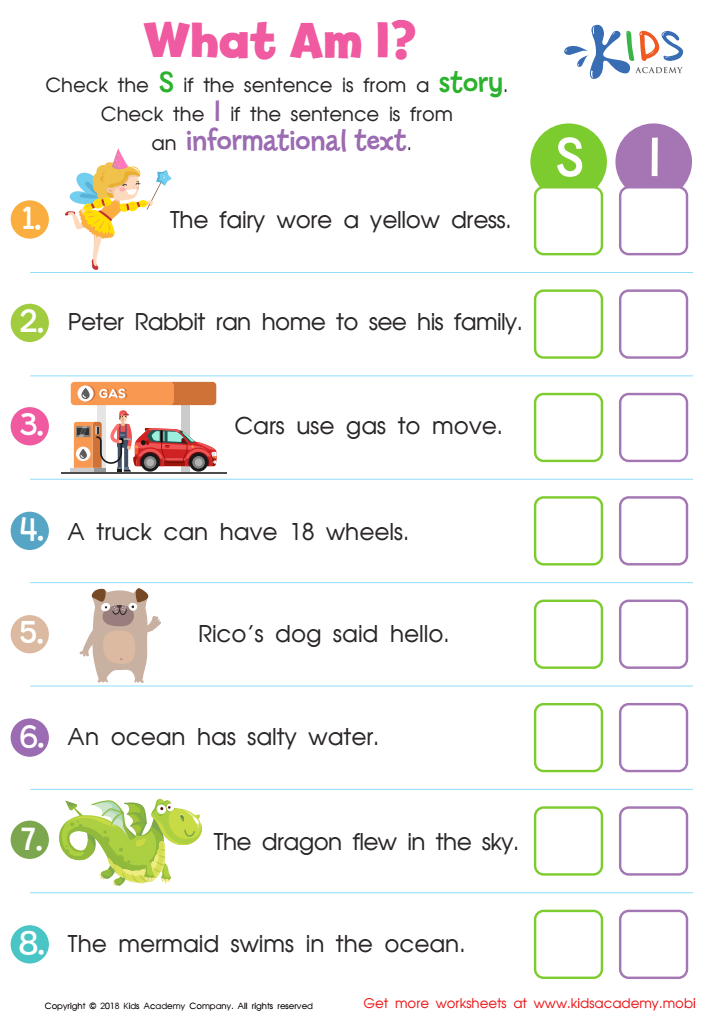
What Am I? Worksheet
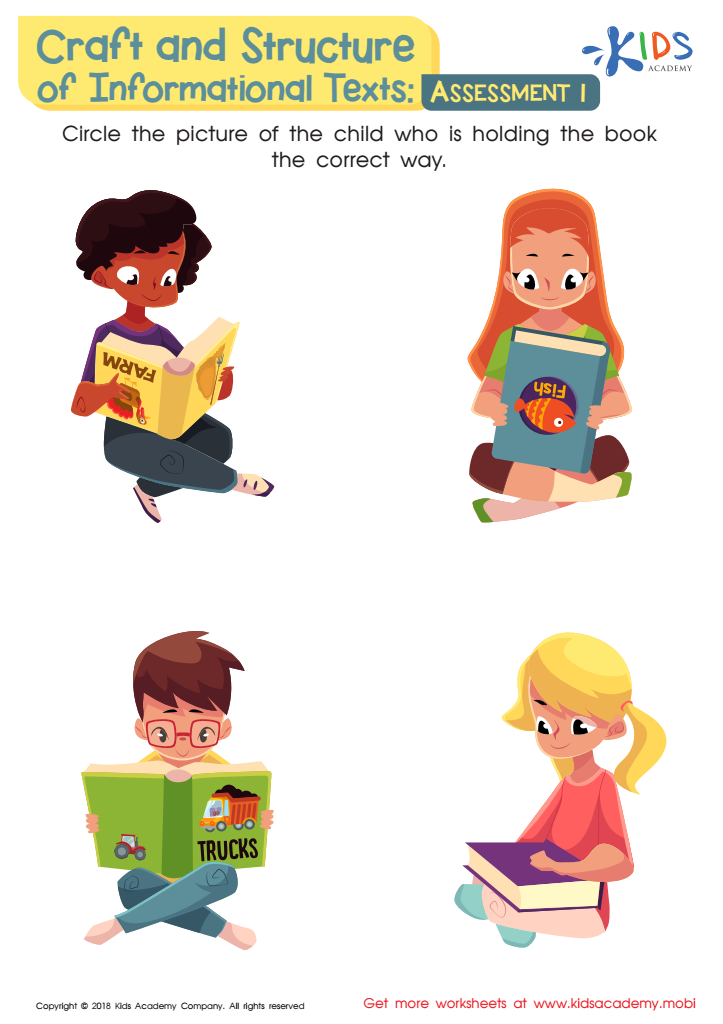
Craft and Structure of Informational Texts: Assessment 1 Worksheet
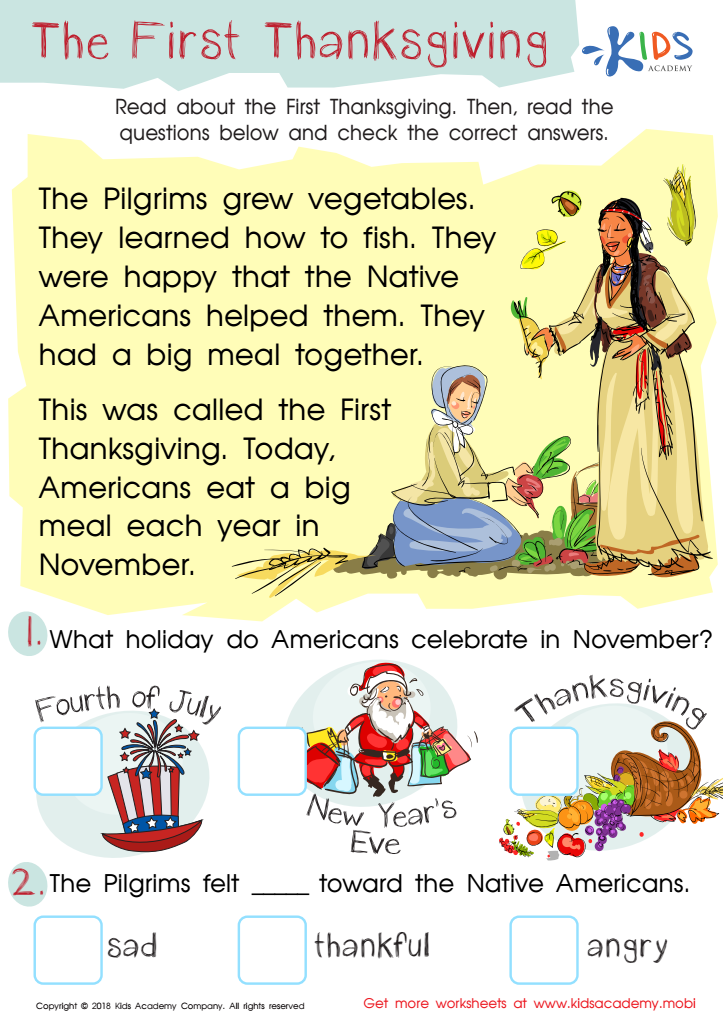
Assessment: First Thanksgiving Worksheet
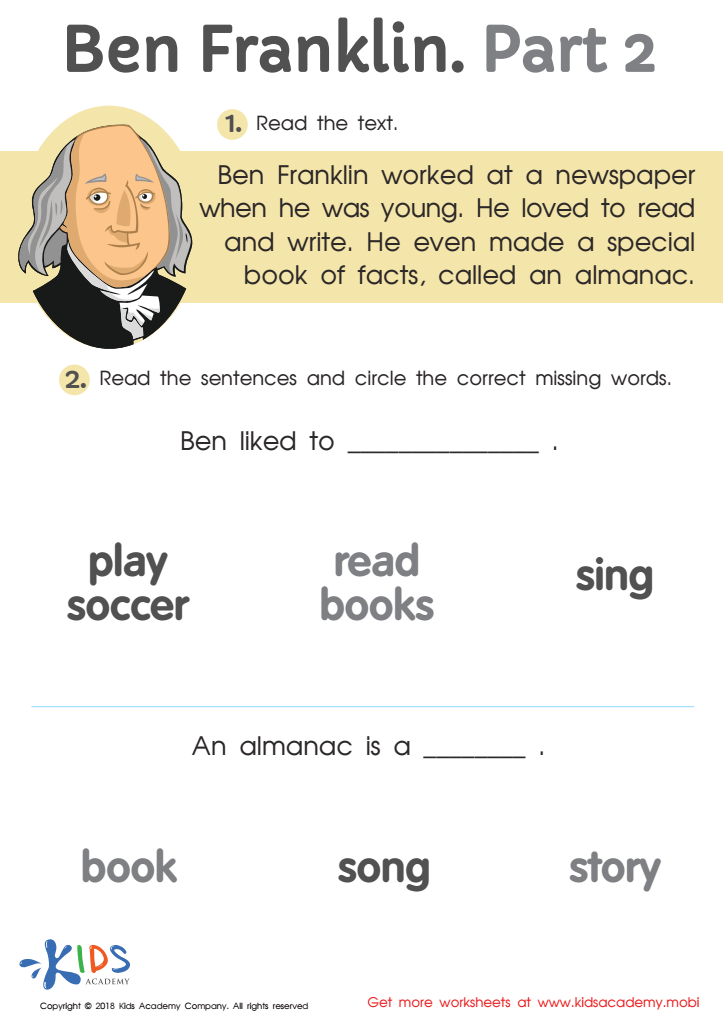
Ben Franklin Part 2 Worksheet








Critical thinking through normal reading of non-fiction materials is essential for children ages 5-7 as it lays the foundation for their cognitive development and lifelong learning. At this age, children are naturally curious and eager to understand the world around them. By engaging with non-fiction texts, they not only expand their knowledge but also enhance their analytical skills, learning to ask questions, make connections, and evaluate information critically.
Parents and teachers play a pivotal role in fostering this skill. When children encounter factual texts, they learn to discern what is real versus imaginary, encouraging them to develop judgment and reasoning abilities. This paves the way for informed decision-making in later years, an essential skill for navigating an increasingly complex global society.
Moreover, reading non-fiction cultivates a sense of wonder and a love for discovery. It introduces concepts across various subjects like science, history, and cultures, enriching their vocabulary and comprehension. Encouraging critical thinking in young readers not only benefits their academic pursuits but also instills self-confidence, resilience, and openness to diverse perspectives, equipping them to thrive both in school and in interactions beyond the classroom. Thus, nurturing these skills should be a priority for parents and educators alike.