Vocabulary development Normal Reading Non-Fiction Worksheets for Ages 5-7
4 filtered results
Difficulty Level
Grade
Age
-
From - To
Subject
Activity
Standards
Enhance your child's vocabulary with our engaging Non-Fiction Worksheets designed for ages 5-7. These interactive resources focus on developing essential reading skills through subject-related activities that captivate young readers' interests. Each worksheet encourages exploration of real-world topics, promoting comprehension and word recognition. Tailored to support early literacy, our non-fiction exercises stimulate curiosity while reinforcing vocabulary acquisition in a fun and enriching way. Perfect for at-home learning or classroom use, these worksheets will ignite a passion for learning and expand your child’s understanding of the world around them. Start building your child's vocabulary foundation today!
Favorites
With answer key
Interactive
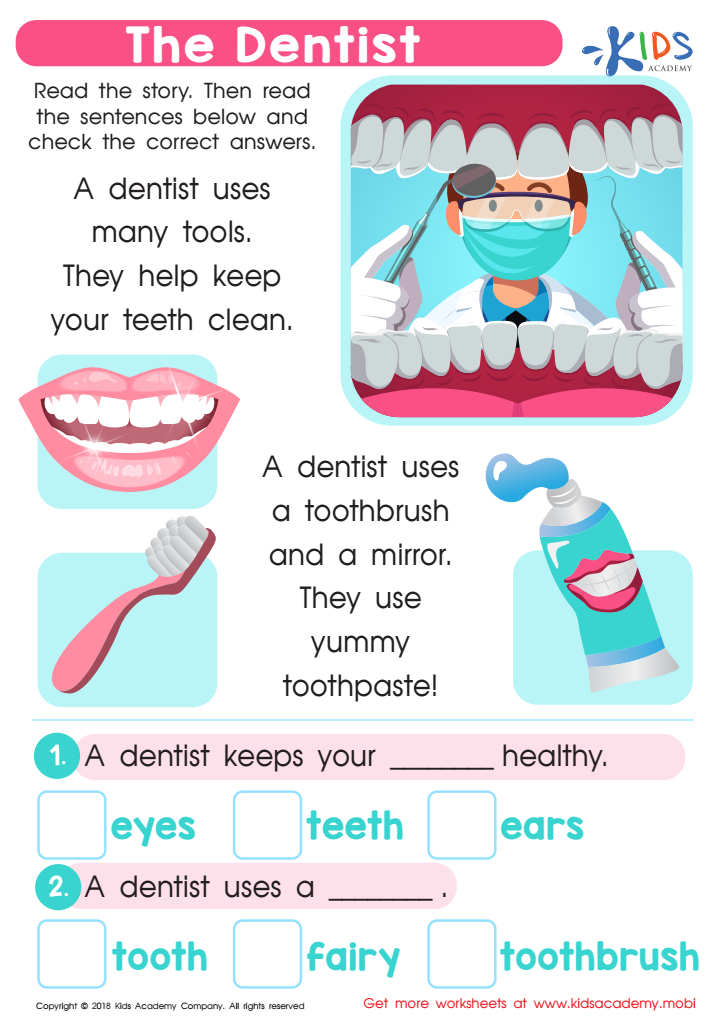
The Dentist Worksheet
Community helpers are essential for our wellbeing. This vibrant worksheet is a great way to introduce children to the dentist and their tools. They'll read the text, use the pictures and answer questions about what the dentist does and what they use. It's a great way to make the dentist more approachable, as well as help with comprehension.
 Assign to My Students
The Dentist Worksheet
Worksheet
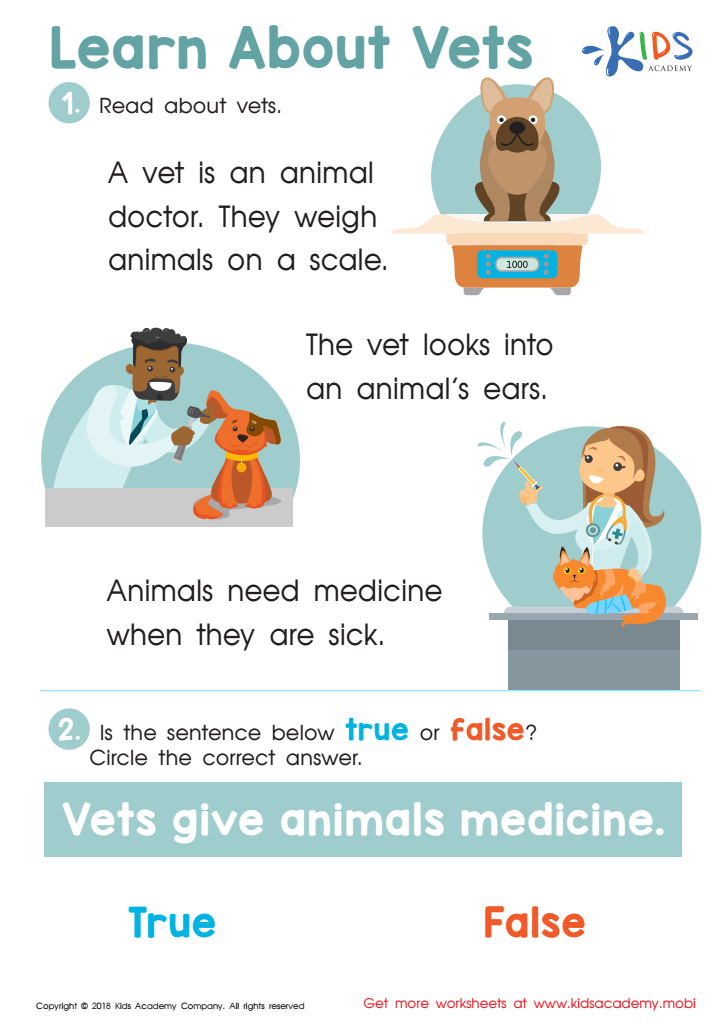
Learn About Vets Worksheet
Assess your child's reading comprehension and recall with this ELA worksheet! It reviews interesting facts about vets with brief passages and pictures to help your reader. Ask the question at the bottom to see what they learned. It's a great way to check understanding!
Learn About Vets Worksheet
Worksheet
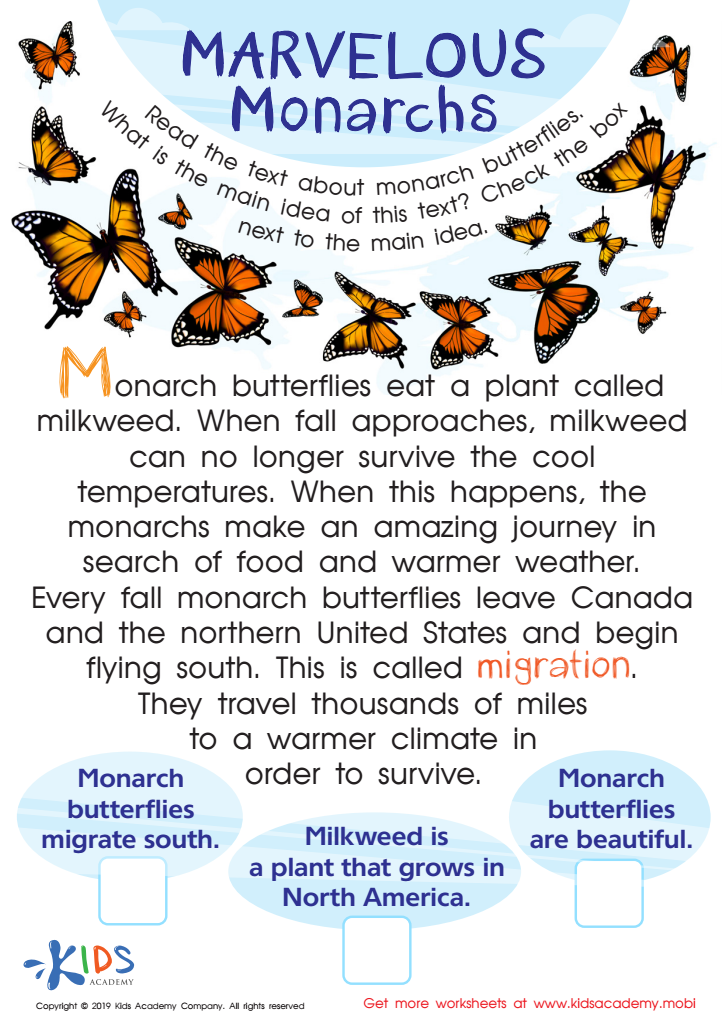
Marvelous Monarchs Worksheet
Help your kids have fun while reading - start with small words and short sentences. This worksheet can test your kids' reading and comprehension skills. Ask them to read the text about Monarch butterflies and help them locate the main idea.
Marvelous Monarchs Worksheet
Worksheet
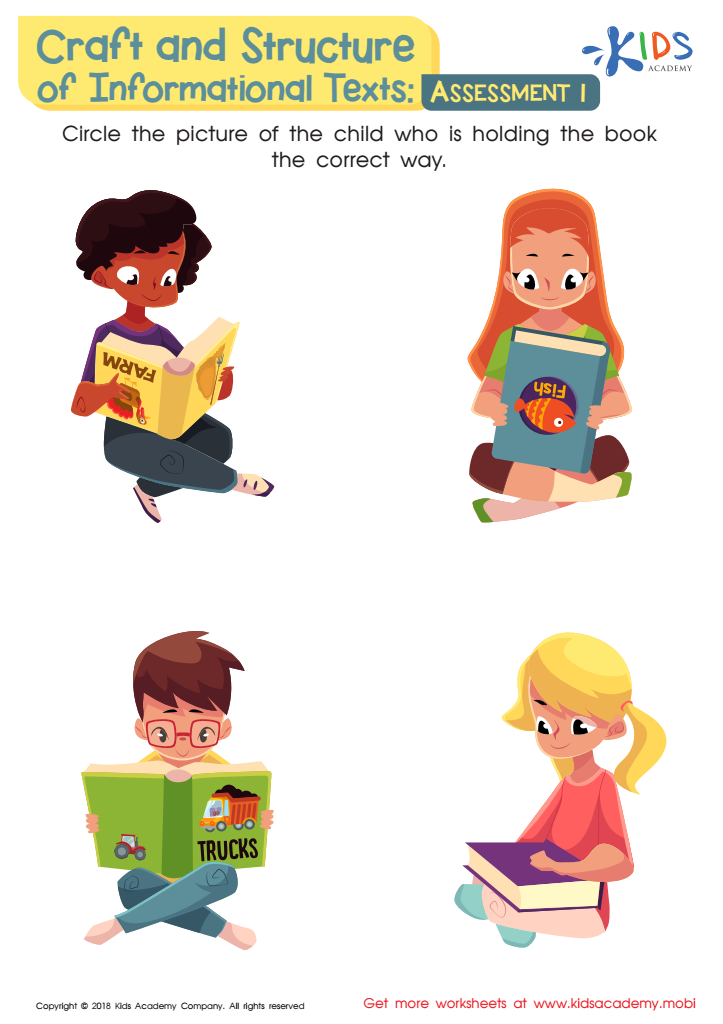
Craft and Structure of Informational Texts: Assessment 1 Worksheet
Young children need to know how to hold books correctly when they start reading. This assessment worksheet helps them show they know what to do. They'll look at the pictures and circle the child who is holding the book correctly. It's a great way to tell they are well on their way to becoming lifetime readers!
Craft and Structure of Informational Texts: Assessment 1 Worksheet
Worksheet
Join Kids Academy for Free
Who is primarily going to use this learning content?








Vocabulary development in early readers, particularly those aged 5-7, is crucial as it lays the foundation for their literacy skills, comprehension, and overall academic success. Non-fiction reading during this stage introduces children to a variety of topics and concepts, expanding their understanding of the world. By engaging with non-fiction texts, children encounter specialized vocabulary that helps them articulate their thoughts and ideas more clearly.
Why should parents and teachers care? First, a rich vocabulary enhances children's ability to decode complex texts, leading to better reading fluency and comprehension. As children learn new words, they also learn to connect ideas and think critically about information, nurturing their cognitive development. Furthermore, non-fiction reading encourages curiosity and a love of learning, motivating children to explore new subjects and ask questions.
Moreover, children with a strong vocabulary are better equipped to express their feelings and opinions, which fosters social and emotional skills. Supporting vocabulary development in early readers, especially through diverse non-fiction materials, ultimately helps them become confident and articulate communicators. For these reasons, it is essential for parents and teachers to prioritize vocabulary-rich reading experiences that not only address literacy but also prepare children for lifelong learning.