Enhancing observation skills Normal Science Worksheets for Ages 5-7
7 filtered results
-
From - To
Enhance your child's observation skills with our engaging Normal Science Worksheets designed specifically for ages 5-7. These printable activities foster critical thinking and inquiry by encouraging young learners to explore their surroundings while developing essential observational techniques. With colorful illustrations and interactive tasks, children will enjoy identifying details, making comparisons, and solving problems through hands-on learning. Our worksheets help cultivate curiosity about the world and boost their confidence in scientific discovery. Perfect for both home and classroom use, these resources provide a fun and effective way to nurture budding scientists as they explore and understand their environment. Start the adventure in learning today!
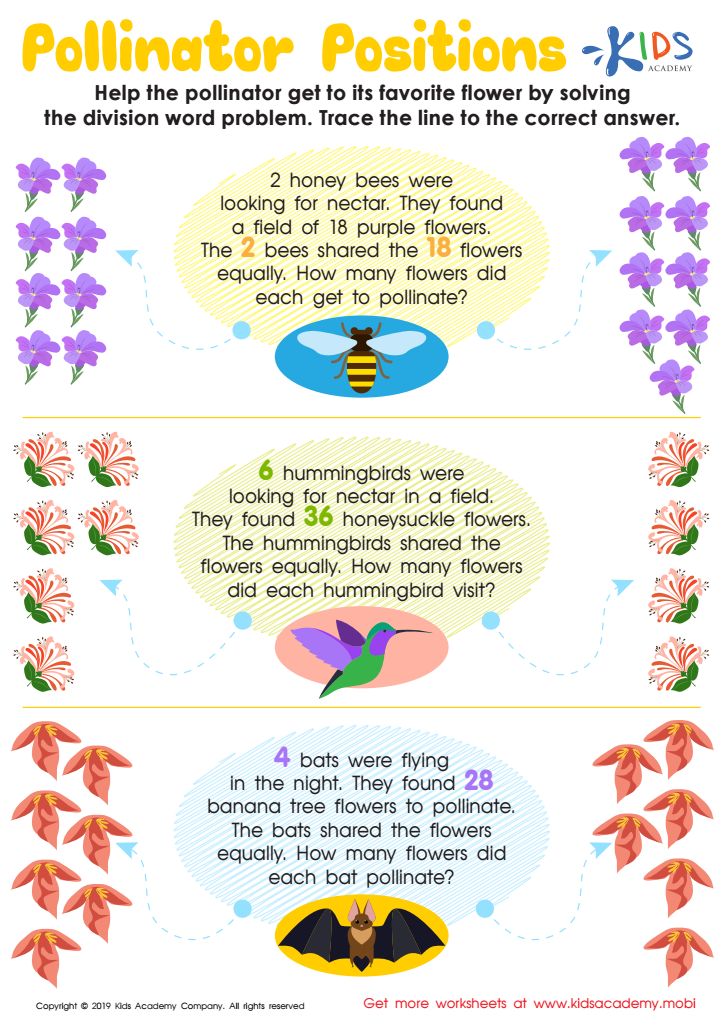
Pollinator Positions Worksheet
 Assign to My Students
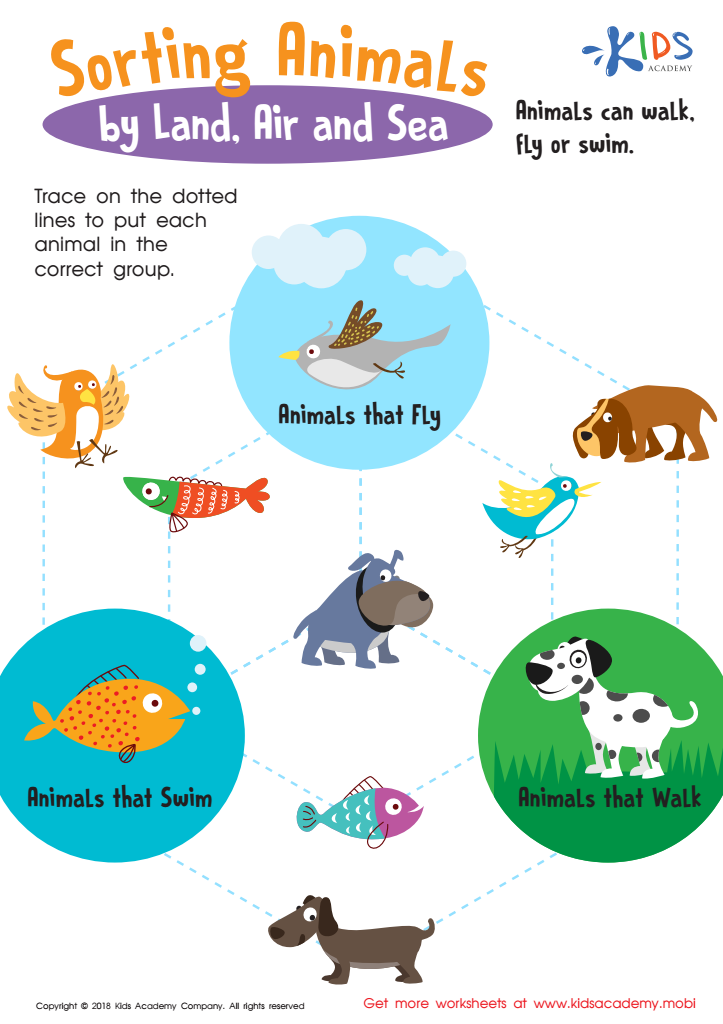
Sorting Animals by Land, Air and Sea Worksheet
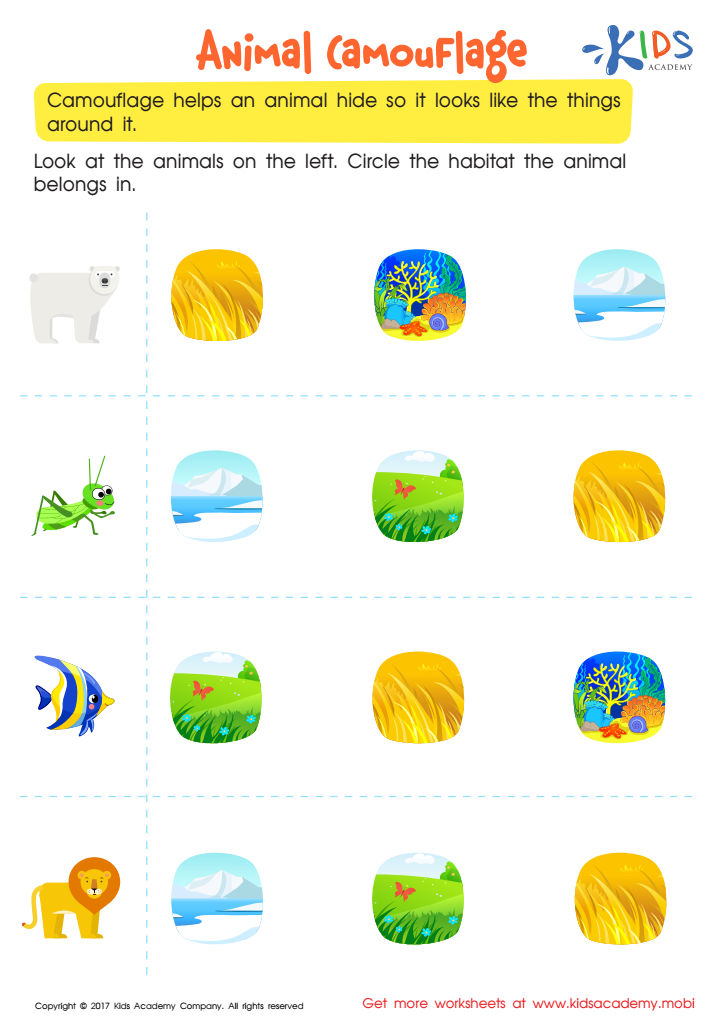
Animal Camouflage Worksheet
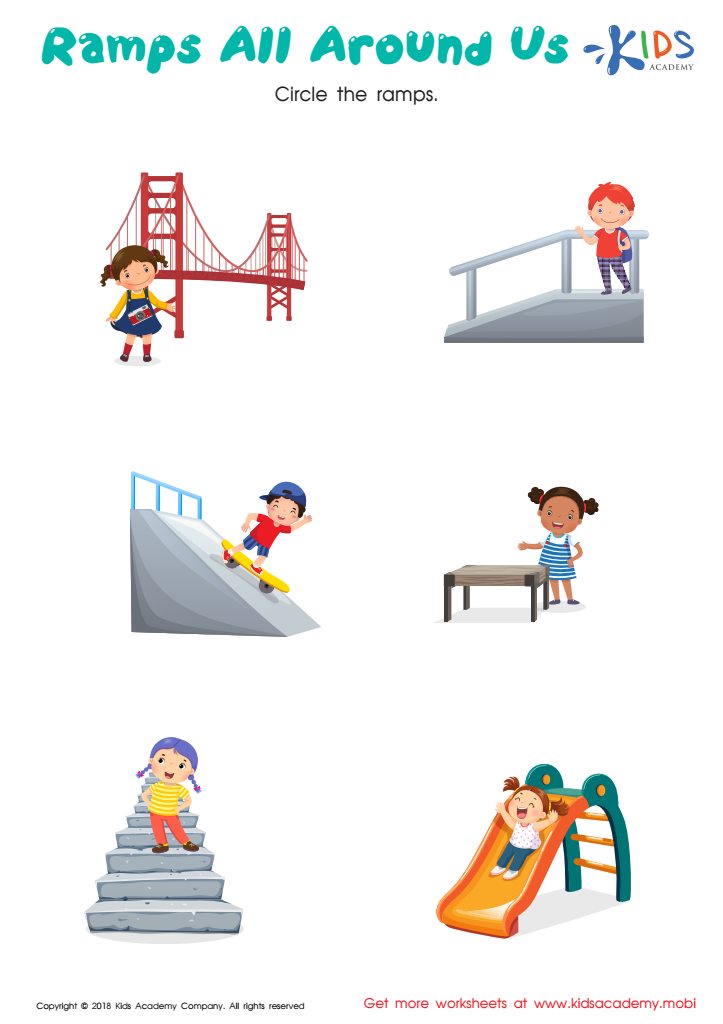
Ramps All Around us Worksheet
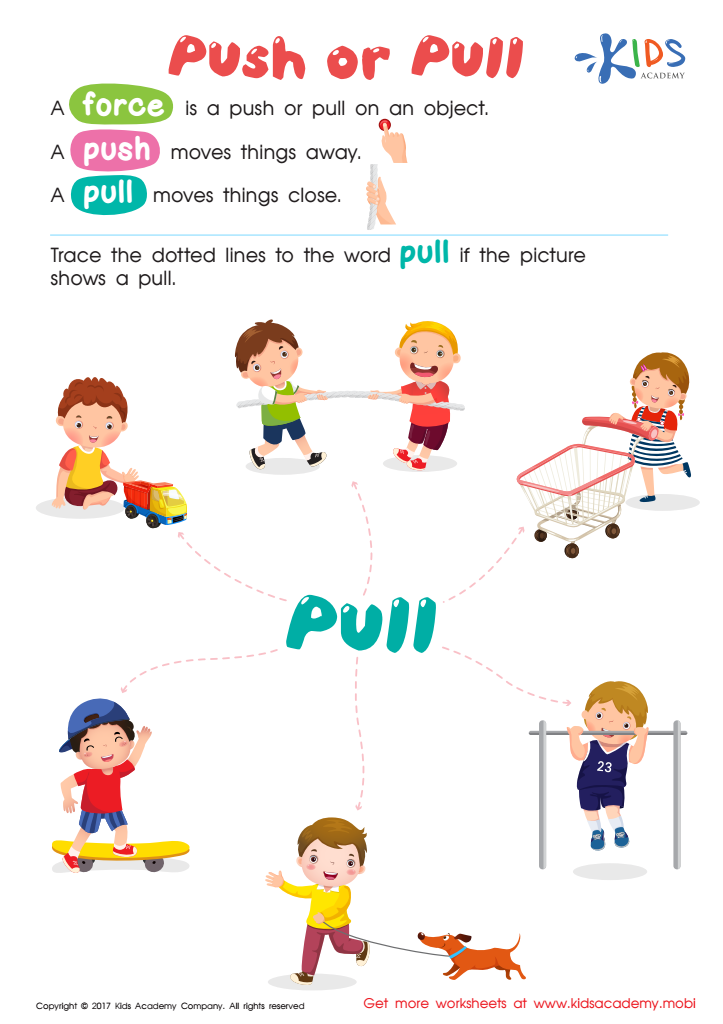
Pull or Push Worksheet
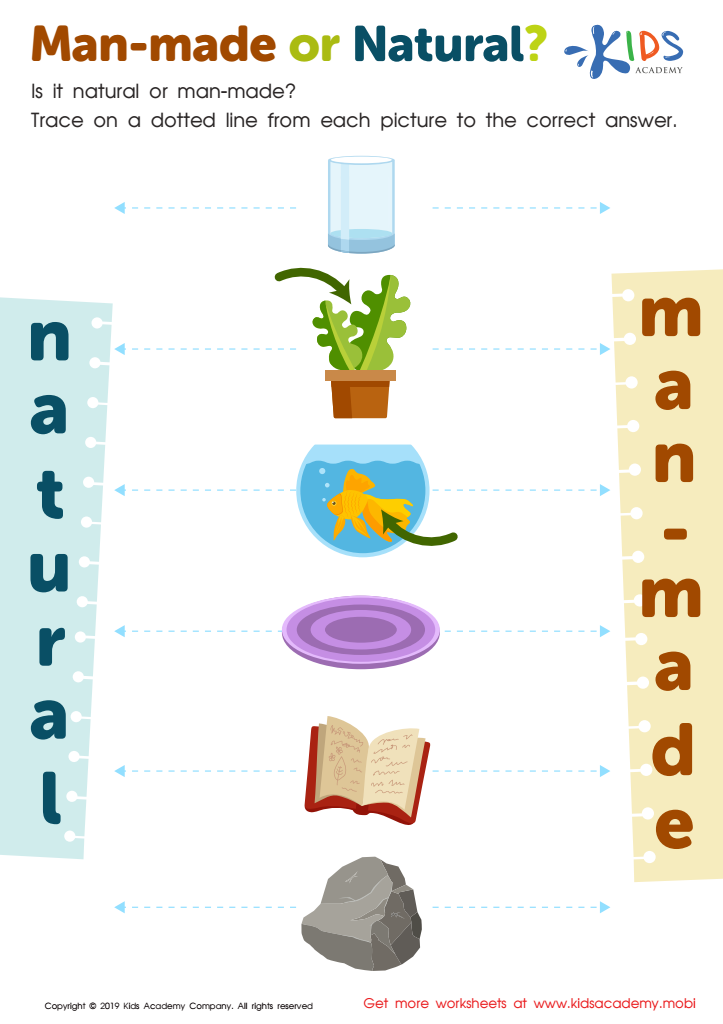
Man-Made or Natural? Worksheet
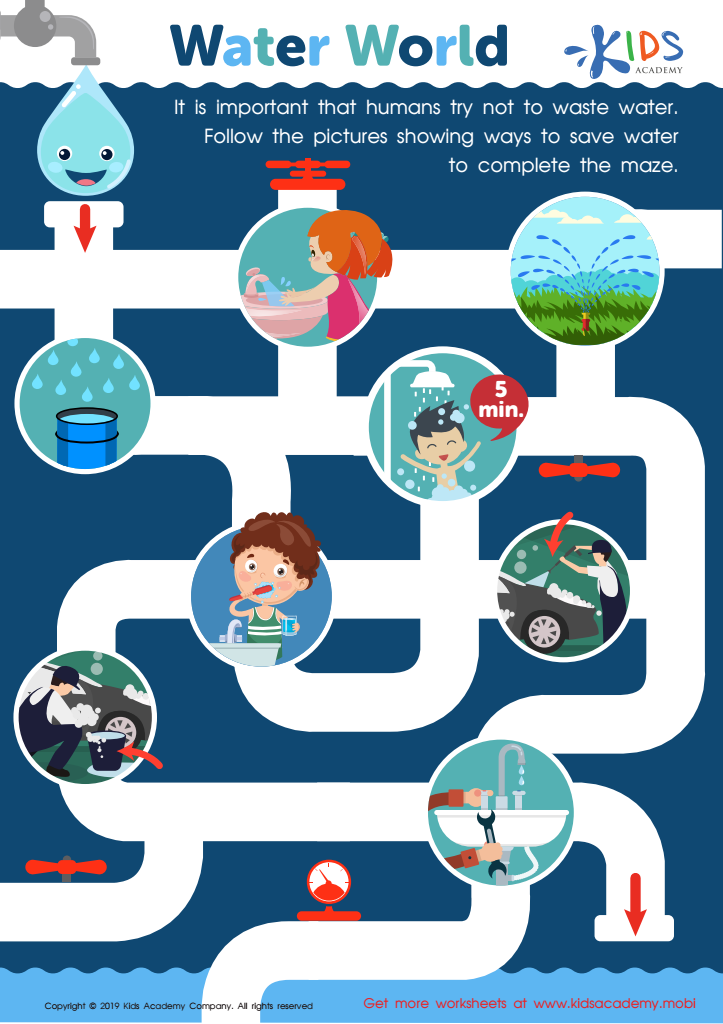
Water World Worksheet








Enhancing observation skills in young children, particularly in the context of Normal Science, is vital for several reasons. First, these skills serve as the foundation for scientific inquiry. By fostering a child's ability to notice details in their environment and ask questions, we empower them to engage effectively in experiments and explorations, which enhances their understanding of the natural world.
For teachers and parents, developing these skills also promotes critical thinking and problem-solving abilities, as children learn to make connections between their observations and scientific concepts. Observational skills facilitate language development as children learn to articulate what they see, encouraging vocabulary growth and communication skills.
Moreover, enhancing observation skills refines a child's ability to focus, leading to improved attention spans and learning outcomes across subjects. It builds a sense of curiosity and empathy, as observing patterns in nature can lead to greater understanding of ecosystems and the importance of conservation.
In summary, by nurturing these foundational skills within the ages of 5-7, educators and parents lay a solid groundwork for lifelong learning, curiosity, and responsible citizenship in an increasingly complex world. Supporting children in this area cultivates their capacity to learn, inquire, and engage meaningfully with the world around them.







