Categorization skills Normal Plants and Animals Worksheets for Ages 5-7
4 filtered results
-
From - To
Nurture young minds with our "Categorization Skills: Normal Plants and Animals Worksheets for Ages 5-7." Ideal for nurturing curiosity, these engaging worksheets help children differentiate between plants and animals while fostering essential scientific understanding. Interactive activities encompass vibrant illustrations and simple tasks designed to hone observational skills and critical thinking. Encourage hands-on learning as kids group, classify, and explore the characteristics of various plants and animals. Perfect for captivating little learners, these resources lay the foundation for future science education, making learning fun and accessible. Prepare your child for classroom success and cultivate an early love for nature with our expertly crafted worksheets.
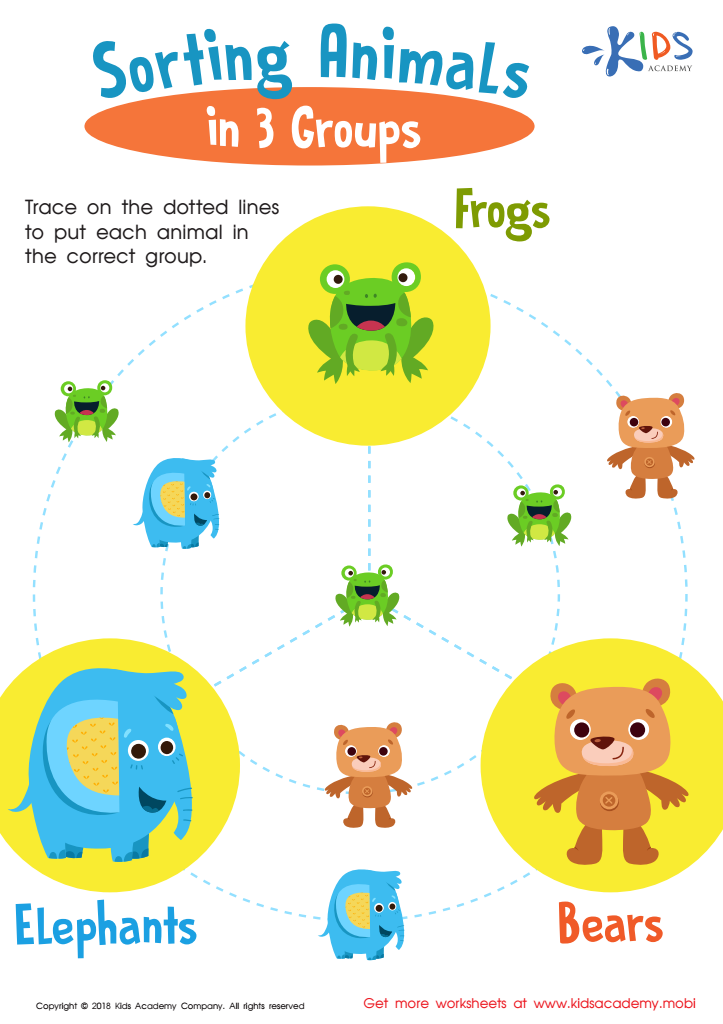
Sorting Animals in 3 Groups Worksheet
 Assign to My Students











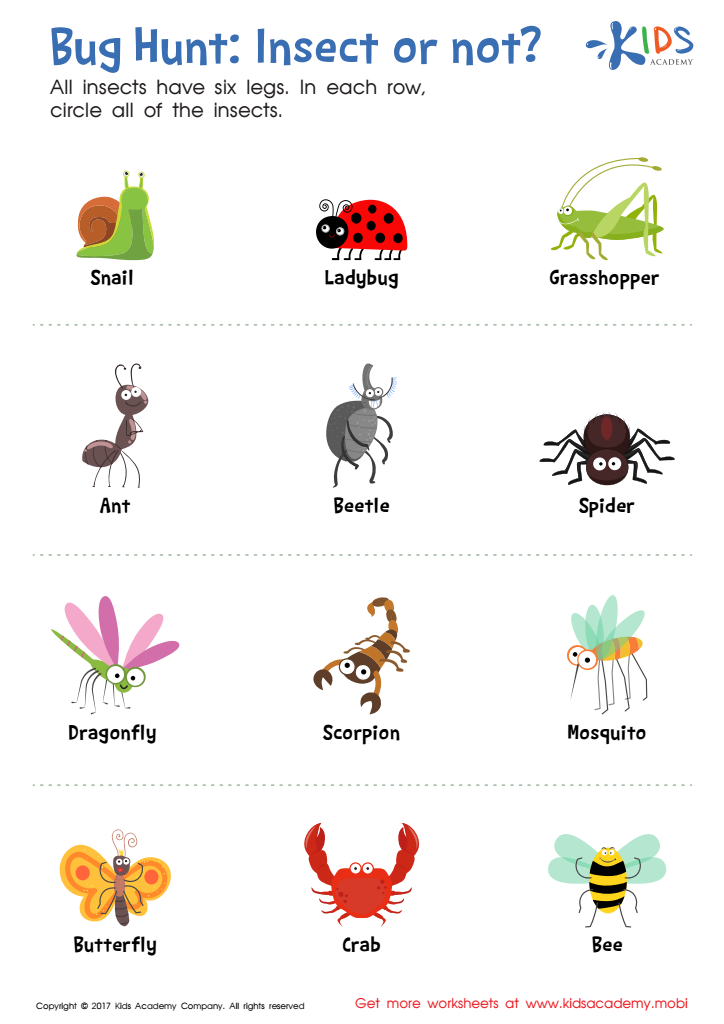
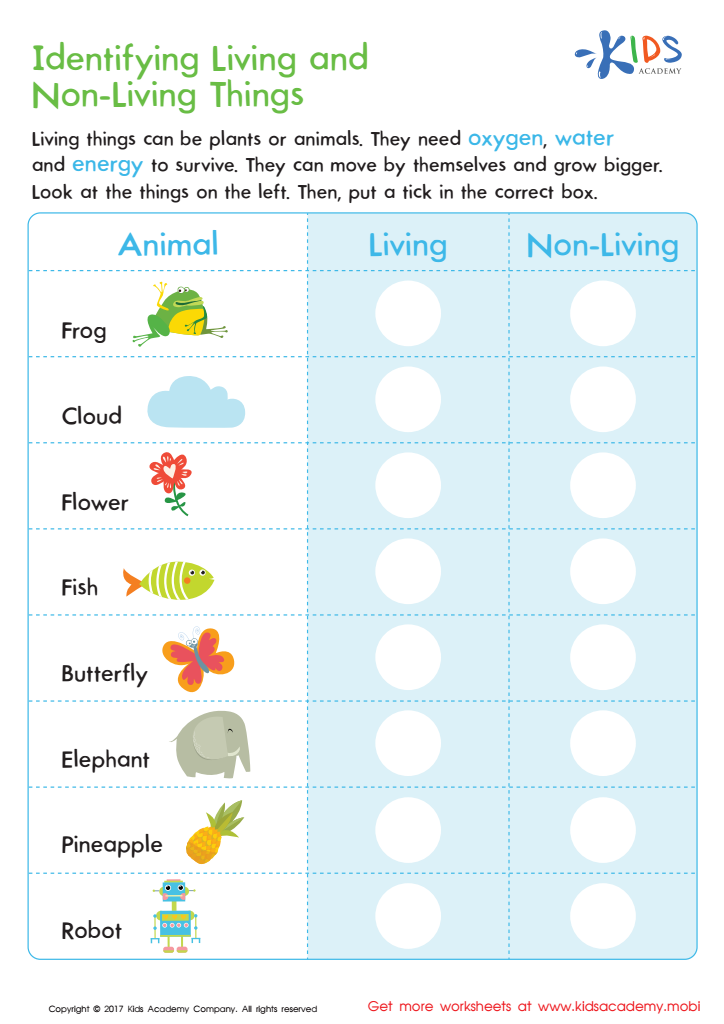
Identifying Living or Non–living Worksheet
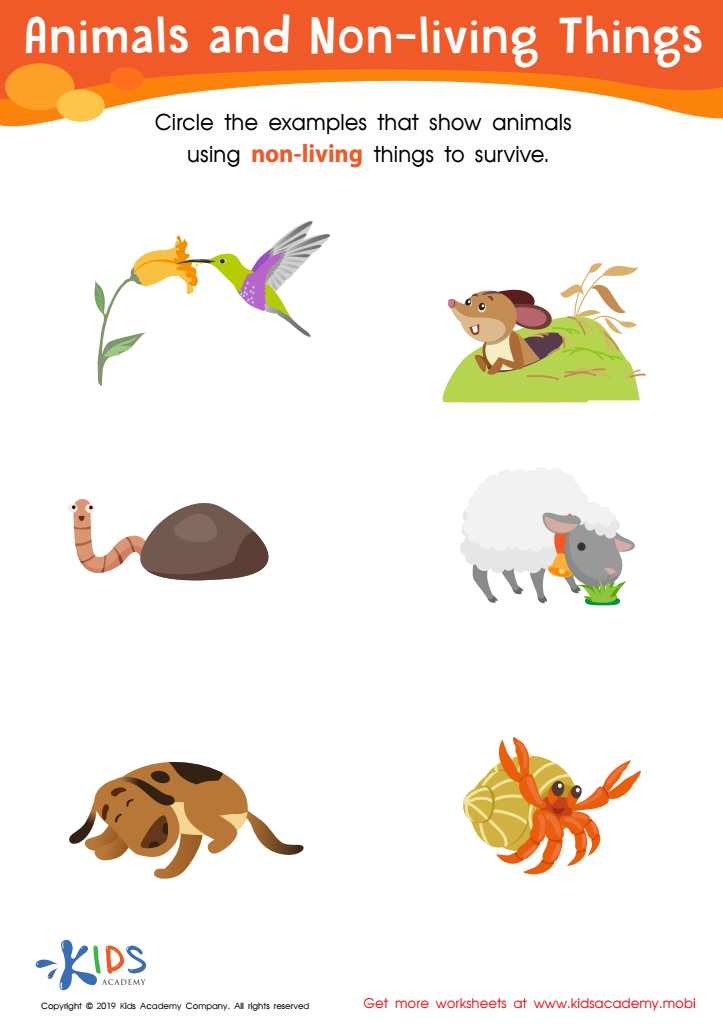
Animals and Non-Living Things Worksheet








Categorization skills are crucial cognitive abilities for young children, especially in the age range of 5-7. These skills form the foundation for more complex thought processes and contribute significantly to cognitive development. When children learn to categorize normal plants and animals, they are essentially learning to classify and organize information in meaningful ways, which fosters problem-solving abilities and logical thinking.
Parents and teachers should prioritize the development of categorization skills because this cognitive skill supports academic success across various subjects. For instance, understanding the differences and similarities between plants and animals lays the groundwork for scientific inquiry and environmental awareness. This kind of knowledge helps children make sense of the world around them, shaping their cognitive framework for subjects like biology, ecology, and natural sciences.
Moreover, categorization enhances language skills. Describing characteristics of plants and animals aids in vocabulary development and improves communication skills. It also nurtures observational skills, prompting children to notice details and make distinctions, which are essential in early learning stages.
Additionally, fostering these skills can stimulate curiosity and a love for nature, leading to a lifelong appreciation for the environment. Therefore, by encouraging children to engage in categorization activities, parents and teachers are equipping them with tools for cognitive growth, academic achievement, and a more profound connection with the natural world.







