Enhancing observation skills Normal Plants and Animals Worksheets for Ages 5-7
4 filtered results
-
From - To
Enhance your child's observation skills with our engaging Normal Plants and Animals Worksheets designed for ages 5-7. These interactive worksheets encourage young learners to carefully examine details in their environment, fostering a deeper understanding of the natural world. Through fun activities and challenges, children will learn to identify various plants and animals, recognizing their unique characteristics. Our resources promote critical thinking and curiosity, making science engaging and accessible for young minds. Perfect for home or classroom use, these worksheets support foundational science learning while developing essential observational skills. Start exploring nature today and inspire your child’s love for science!
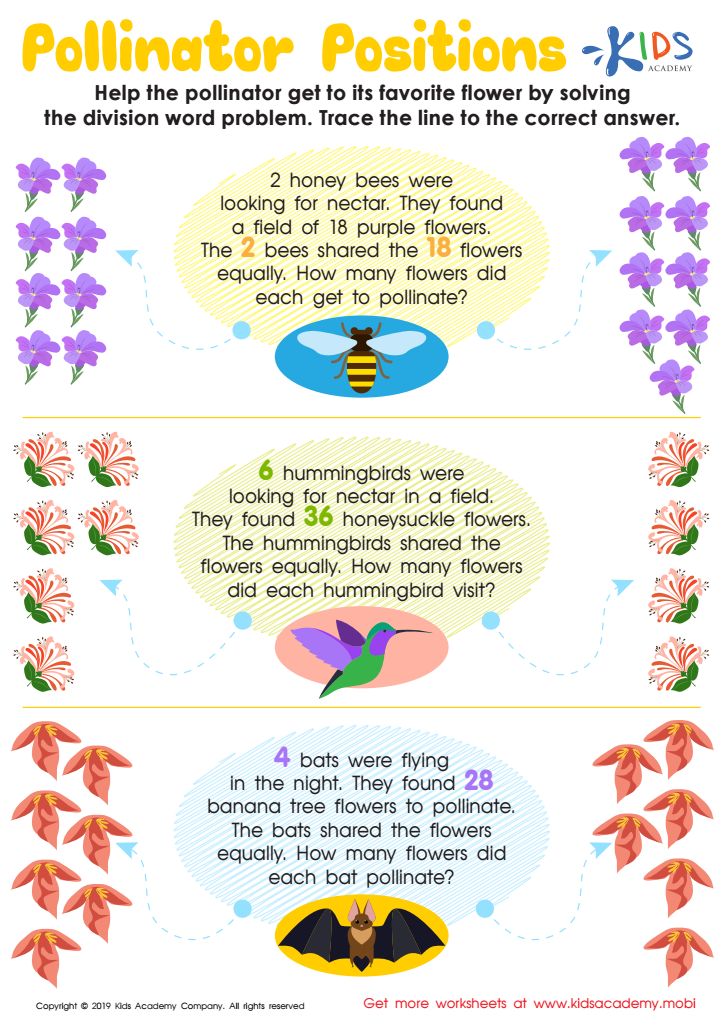
Pollinator Positions Worksheet
 Assign to My Students
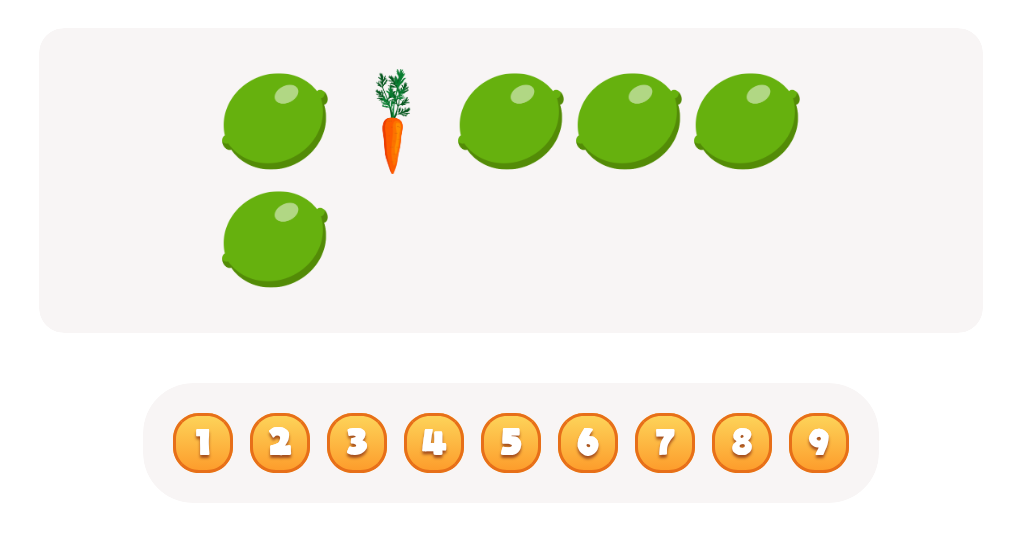

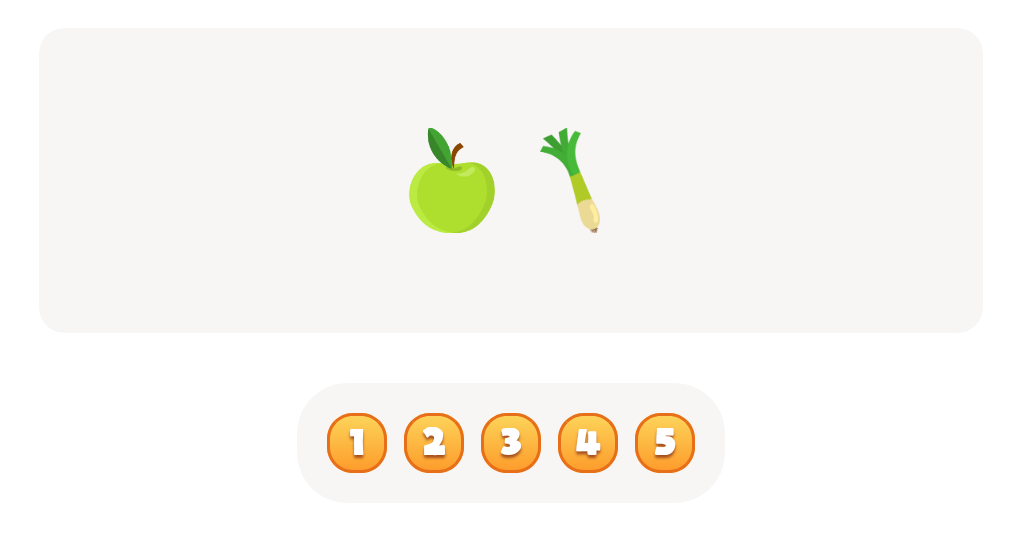
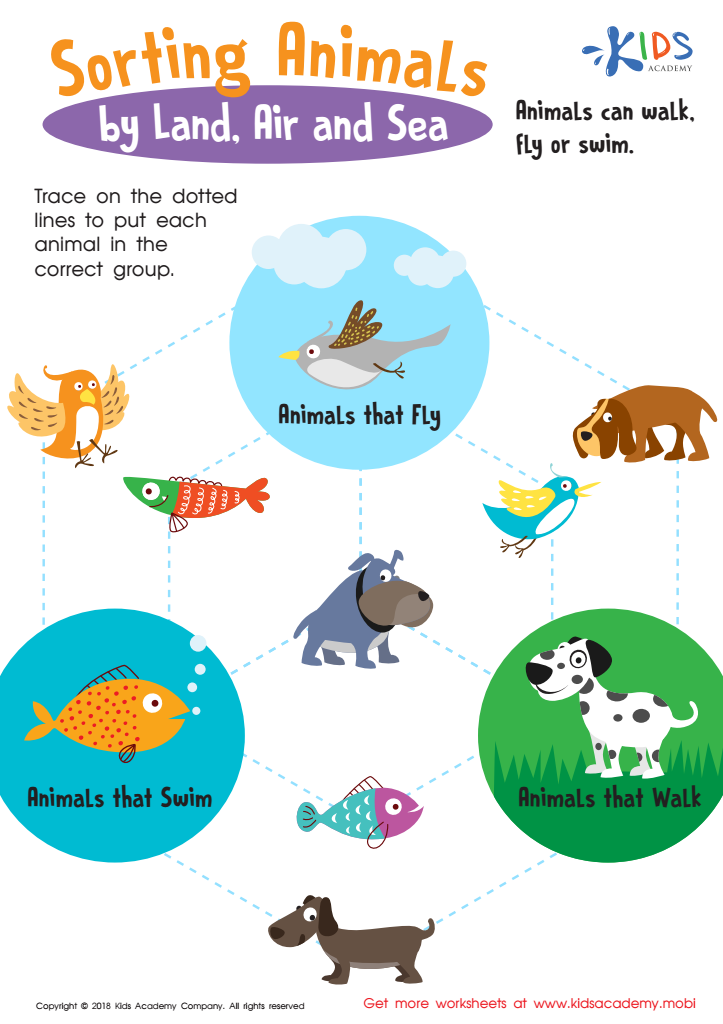
Sorting Animals by Land, Air and Sea Worksheet
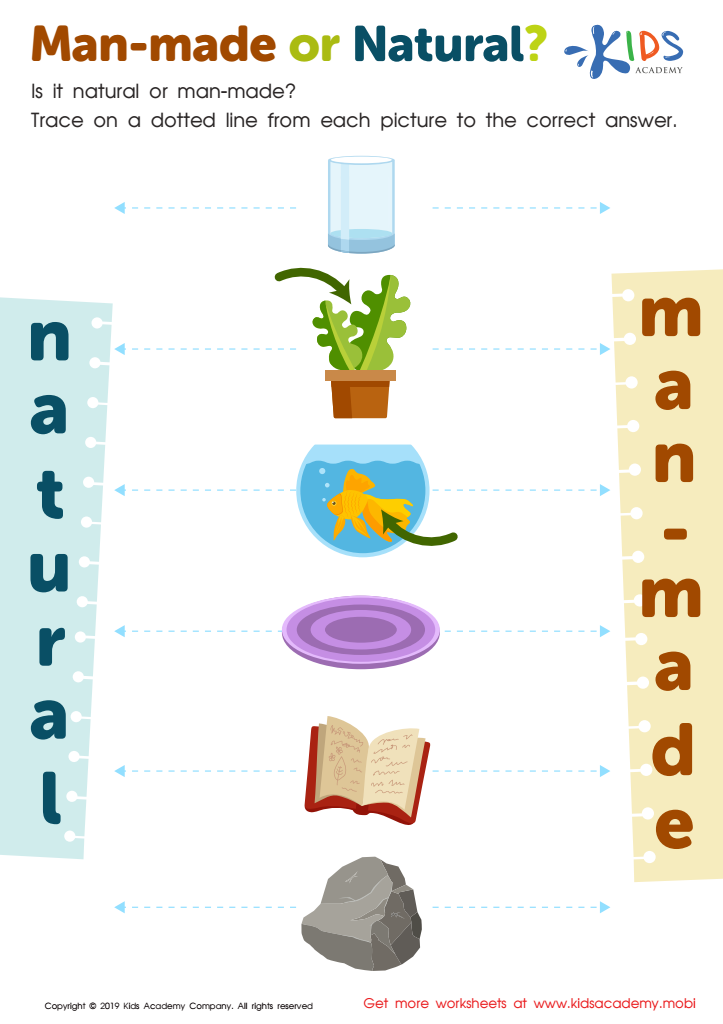
Man-Made or Natural? Worksheet
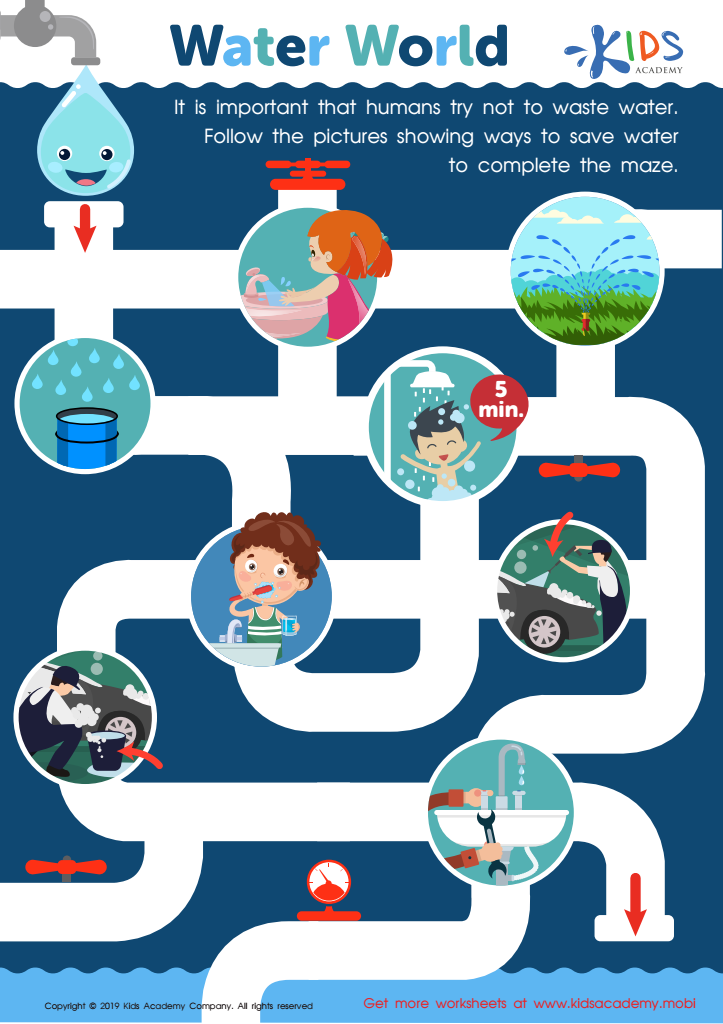
Water World Worksheet





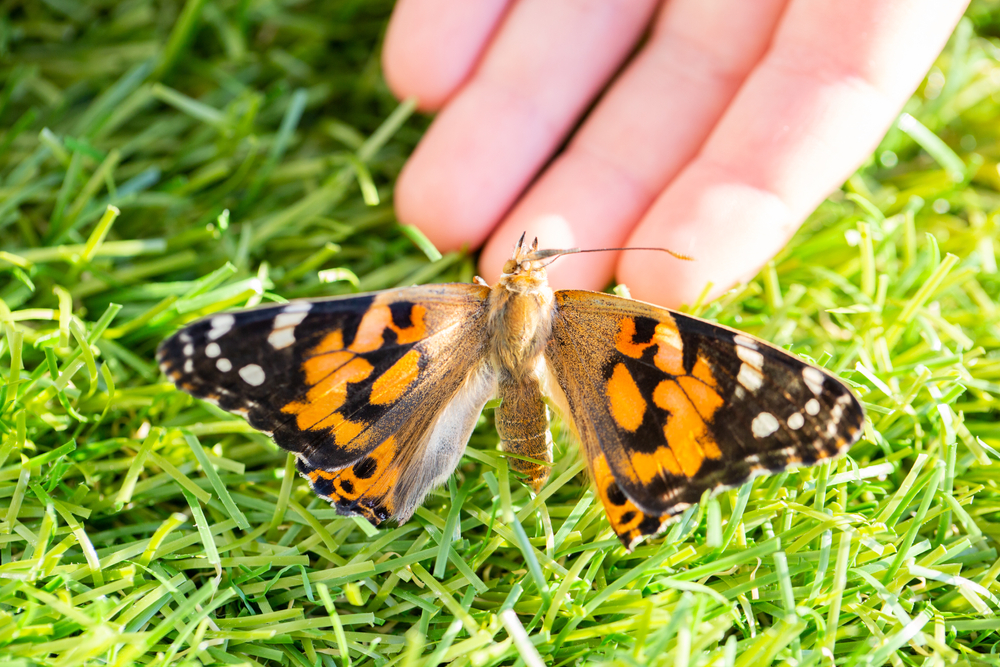
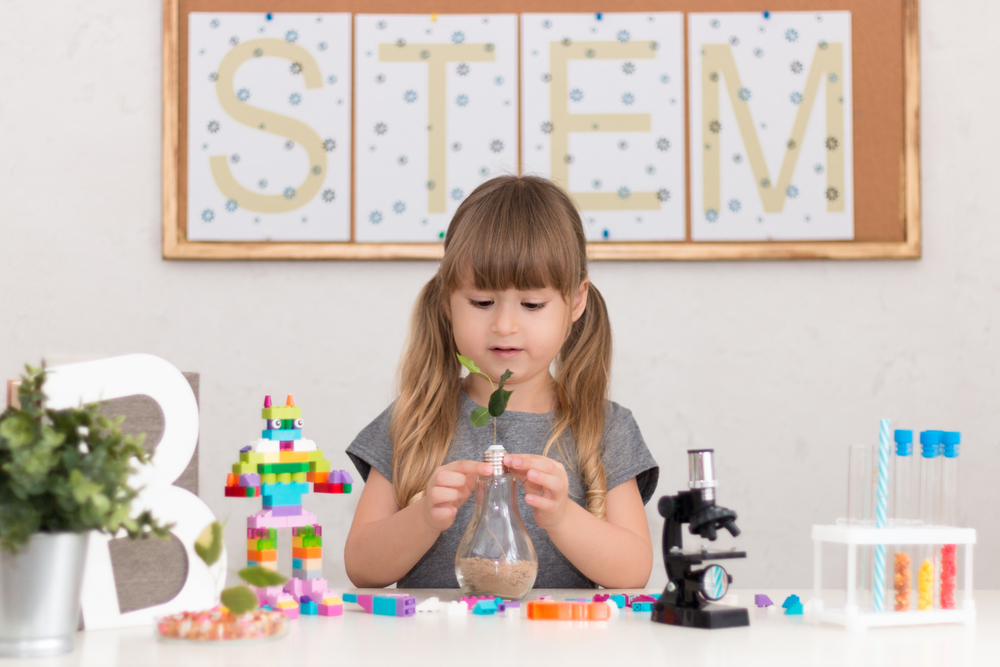

Enhancing observation skills in young learners, particularly regarding normal plants and animals, is essential for several reasons. Firstly, during ages 5-7, children are naturally curious individuals. By fostering their observation skills, parents and teachers can harness this curiosity, helping children to engage more deeply with the environment around them. This engagement promotes critical thinking and scientific understanding, as observing plant and animal life allows children to ask questions, formulate hypotheses, and draw conclusions based on their findings.
Moreover, observation skills serve as a foundation for broader educational development. Activities focused on plants and animals encourage language development through descriptive vocabulary and storytelling. Additionally, these skills support inquiry-based learning, where a child's observations guide their lessons, rendering the learning experience more personalized and relevant.
Promoting observation of the natural world fosters an appreciation for biodiversity and environmental stewardship from an early age. Teaching children how to carefully observe and understand the complexity of life nurtures empathy and responsibility for living organisms. Ultimately, enhancing observation skills shapes observant, respectful, and informed individuals who are better equipped to contribute positively to their communities and the planet. Investing in these early developmental skills is critical for holistic growth during formative educational years.