Observational skills Normal Space Worksheets for Ages 5-7
3 filtered results
-
From - To
Enhance your child's observational skills with our engaging Normal Space Worksheets designed for ages 5-7. These worksheets provide a fun and interactive way for young learners to explore and understand basic concepts of space. Each activity encourages careful observation, critical thinking, and creativity, as children identify celestial objects, chart planets, and complete engaging challenges. Ideal for classroom or home use, these worksheets promote scientific curiosity and discovery. With vibrant illustrations and age-appropriate content, your child will develop essential skills while enjoying educational adventures among the stars. Download our worksheets today and watch them shine in their understanding of the universe!
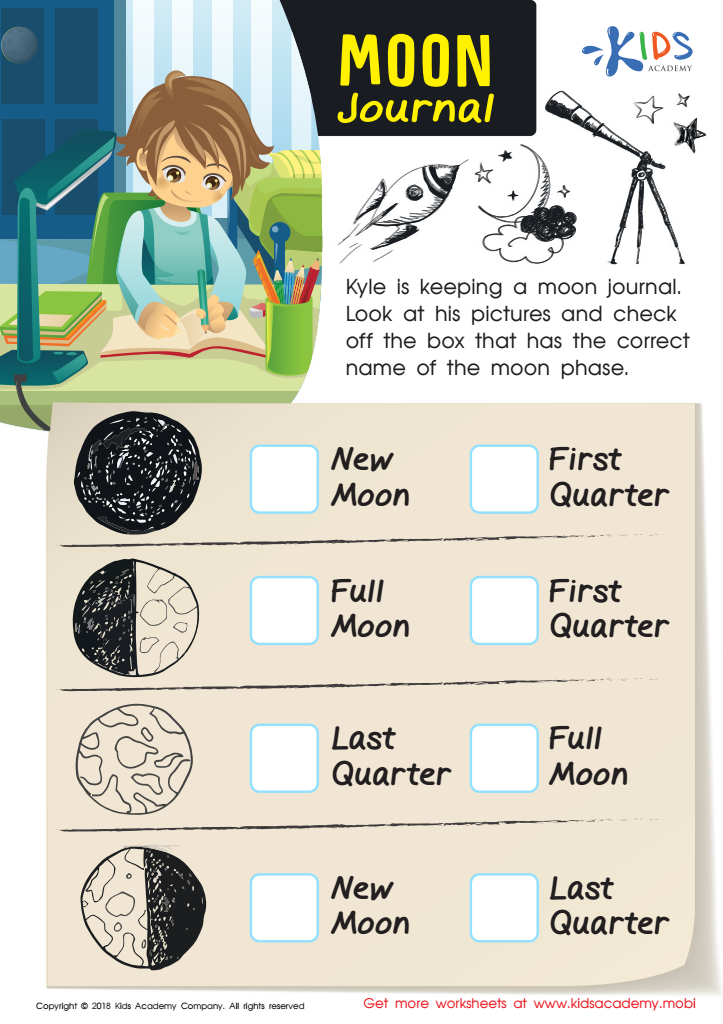
Moon Journal Worksheet
 Assign to My Students
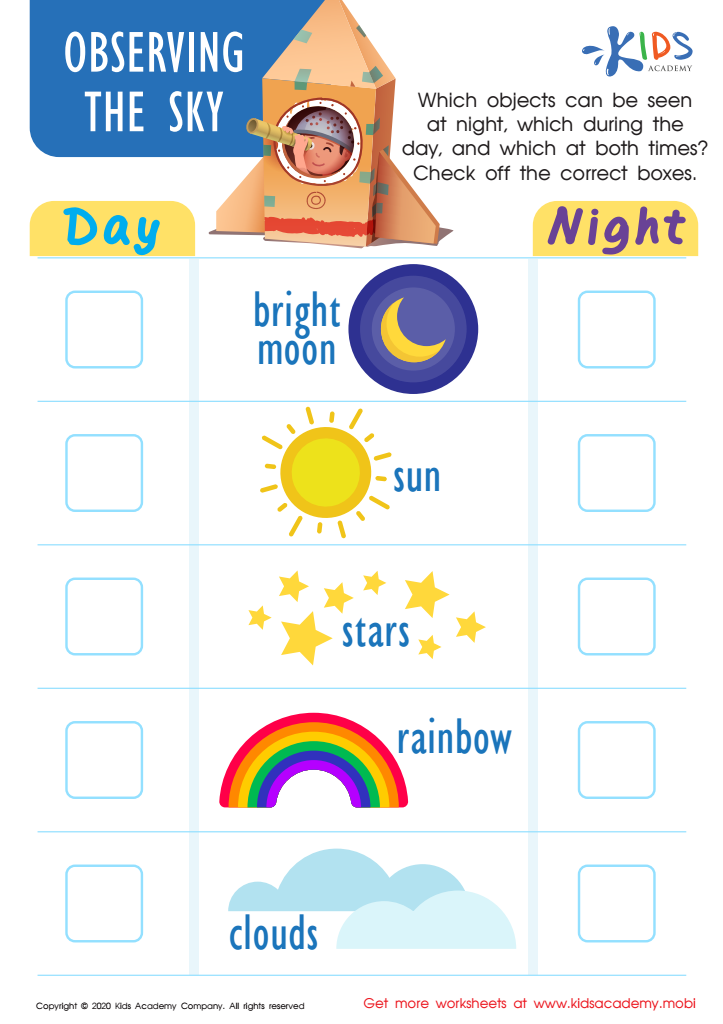
Observing the Sky Worksheet
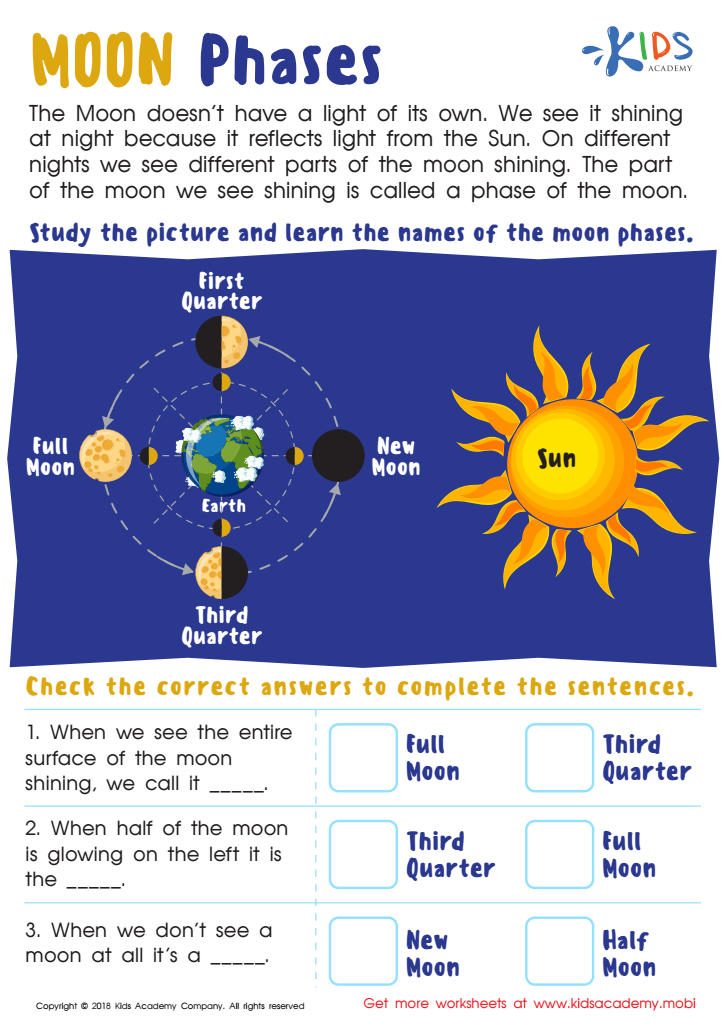
Moon Phases Worksheet






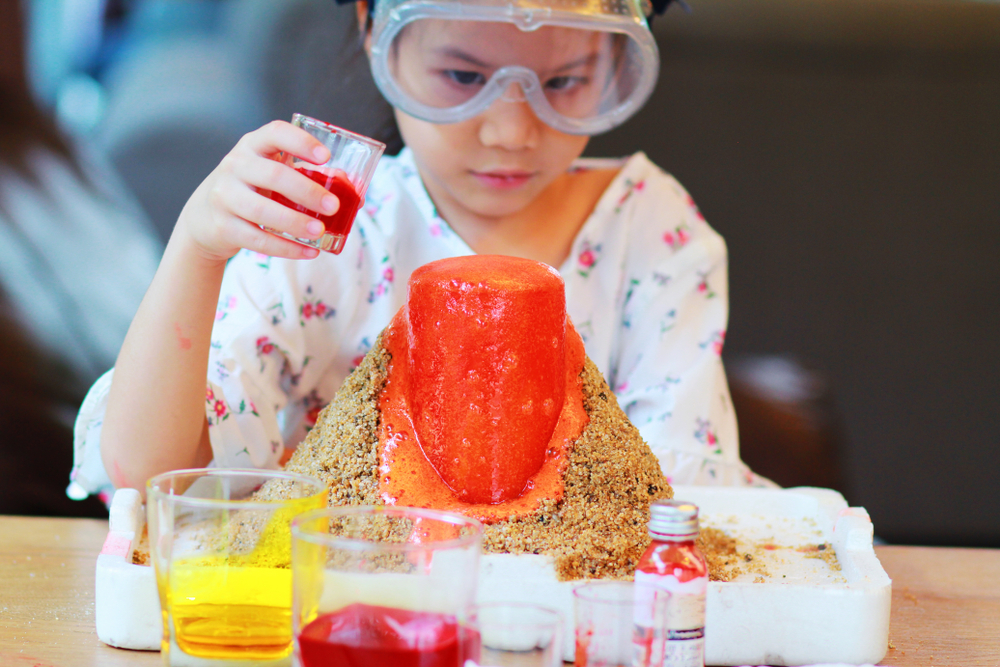
Observational skills in Normal Space are crucial for children aged 5-7 as they lay the foundation for cognitive development and critical thinking. During these formative years, children explore their environment, learning to notice details about the world around them. Enhanced observational skills enable them to categorize objects, recognize similarities and differences, and develop spatial awareness—important skills in both science and mathematics.
When parents or teachers focus on fostering observational skills, they encourage curiosity and independent exploration. This not only fuels a child’s desire to learn but also builds confidence in their abilities to analyze and interpret information. Children who develop strong observational skills become better problem solvers, can follow directions more effectively, and grasp concepts through firsthand experience.
Moreover, involving parents and teachers in this observational process creates a stimulating learning environment. Activities that promote observation, such as nature walks, drawing, or interactive games, provide engaging ways to strengthen these skills. By supporting the development of observational skills during this crucial age, caregivers help lay the groundwork for lifelong learning, ensuring children are better prepared academically and socially as they progress into higher grades. Ultimately, fostering these skills benefits both the child and the educational community as a whole.







