Understanding history Normal Social Studies Worksheets for Ages 5-7
3 filtered results
-
From - To
Explore the exciting world of history with our "Understanding History" Normal Social Studies Worksheets, designed specifically for children aged 5-7! These engaging worksheets introduce young learners to the concept of history, making it fun and approachable. Through age-appropriate activities, kids will discover important events, historical figures, and the significance of timelines. Our interactive worksheets encourage critical thinking and creativity, helping students to understand the past while developing essential learning skills. Ideal for home or classroom use, these resources foster a love of history and an appreciation for the world around them. Download your worksheets today and inspire the next generation!
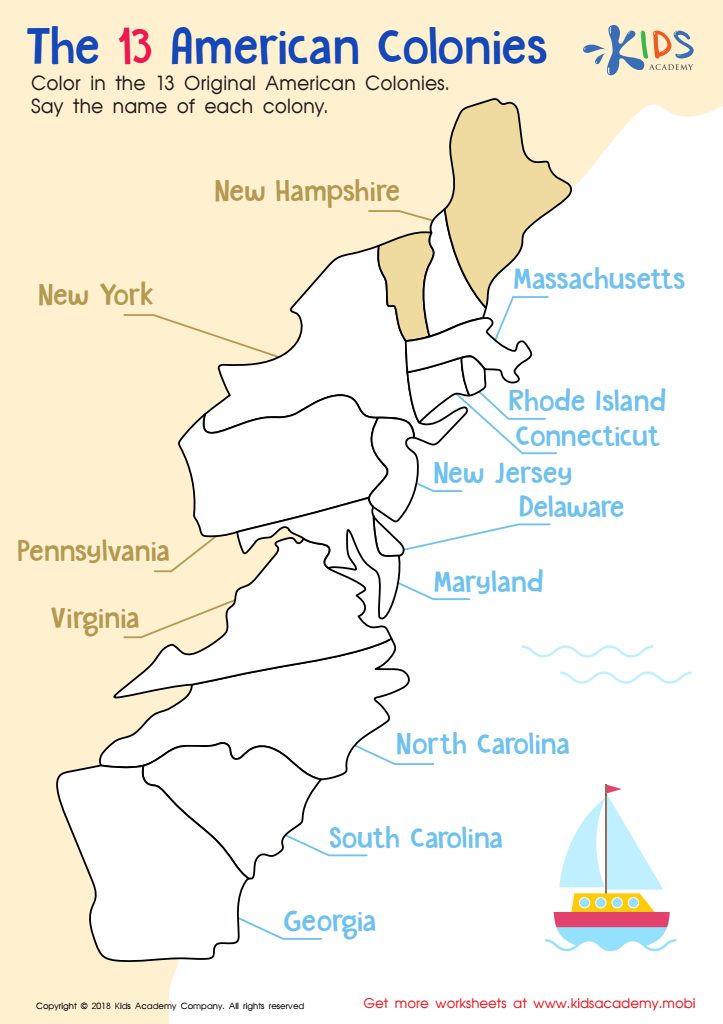
The 13 American Colonies Worksheet
 Assign to My Students
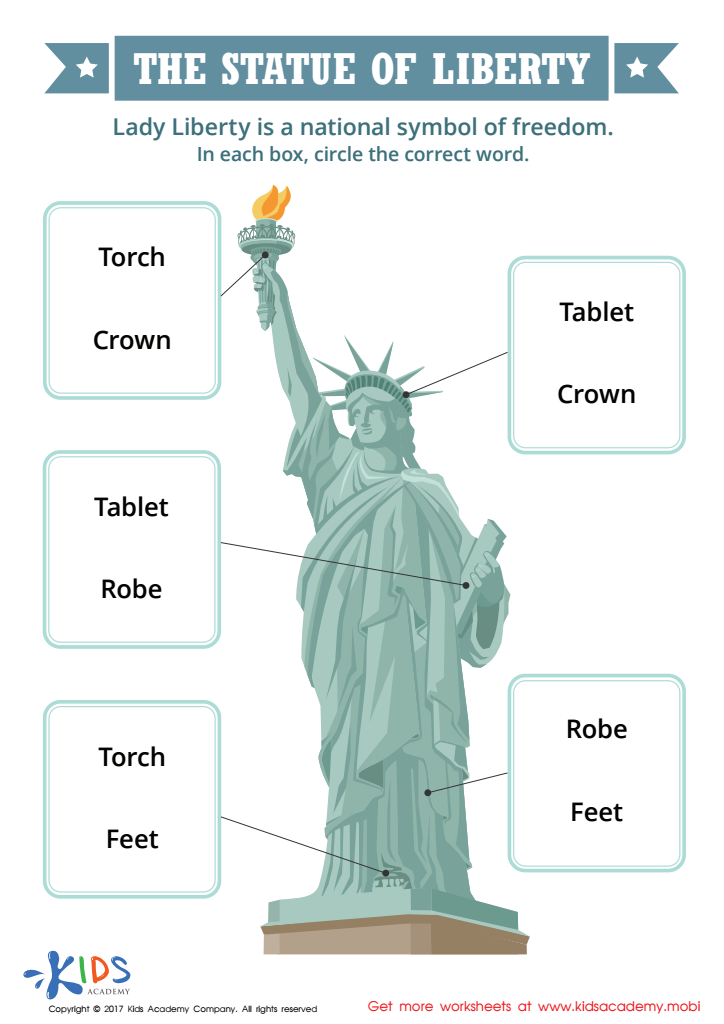
The Statue of Liberty Printable
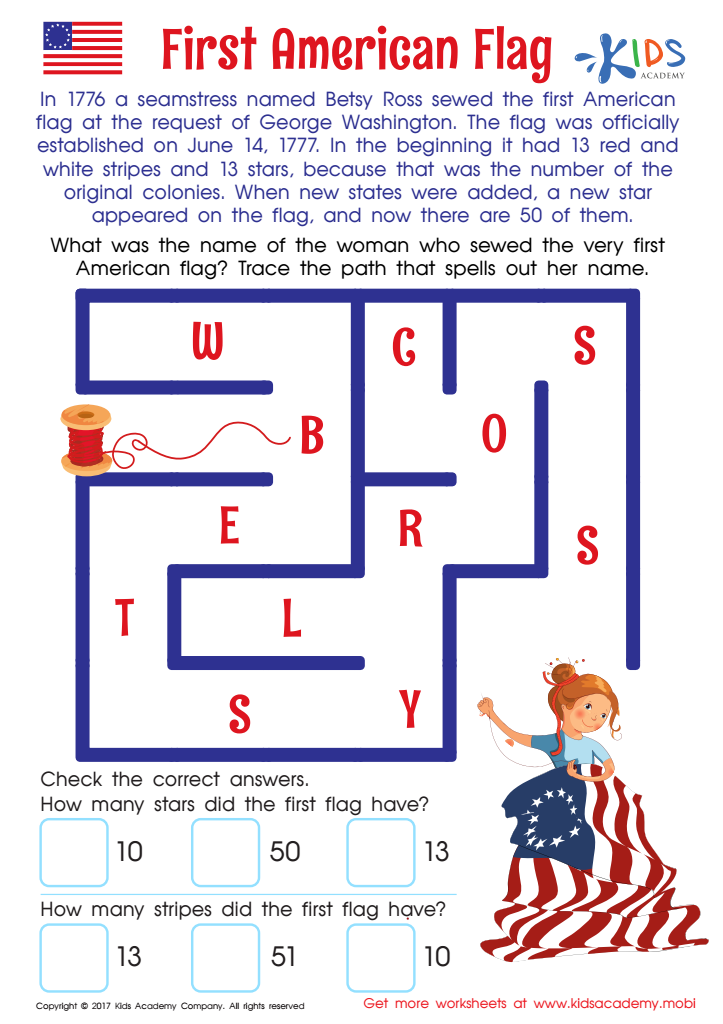
First American Flag Worksheet








Understanding history and social studies is essential for children aged 5-7 as it fosters critical cognitive and social skills. At this age, children are inherently curious about the world around them, making it a prime time to cultivate a foundational understanding of historical events, cultures, and societal structures.
Teaching history helps children develop a sense of identity and belonging. They begin to grasp who they are within the broader context of their community and the world, enhancing self-awareness. Moreover, understanding history promotes empathy; children learn to appreciate diverse perspectives and cultures, which are crucial for developing respectful and considerate individuals.
Moreover, social studies encourages essential skills like critical thinking and problem-solving. Engaging children in discussions about past events or societal changes invites them to ask questions and draw connections to their own lives. This can ignite their interest in current events and civic responsibility, as they start to see the relevance of history to today’s social issues.
Lastly, learning about history and social studies at a young age inspires a lifelong love for learning and instills values of cooperation and respect for diversity, fostering a more caring and connected community in the future. Thus, parents and teachers should prioritize these subjects in early education for holistic child development.