Vocabulary enhancement Normal Grammar Worksheets for Ages 5-7 - Page 2
28 filtered results
-
From - To
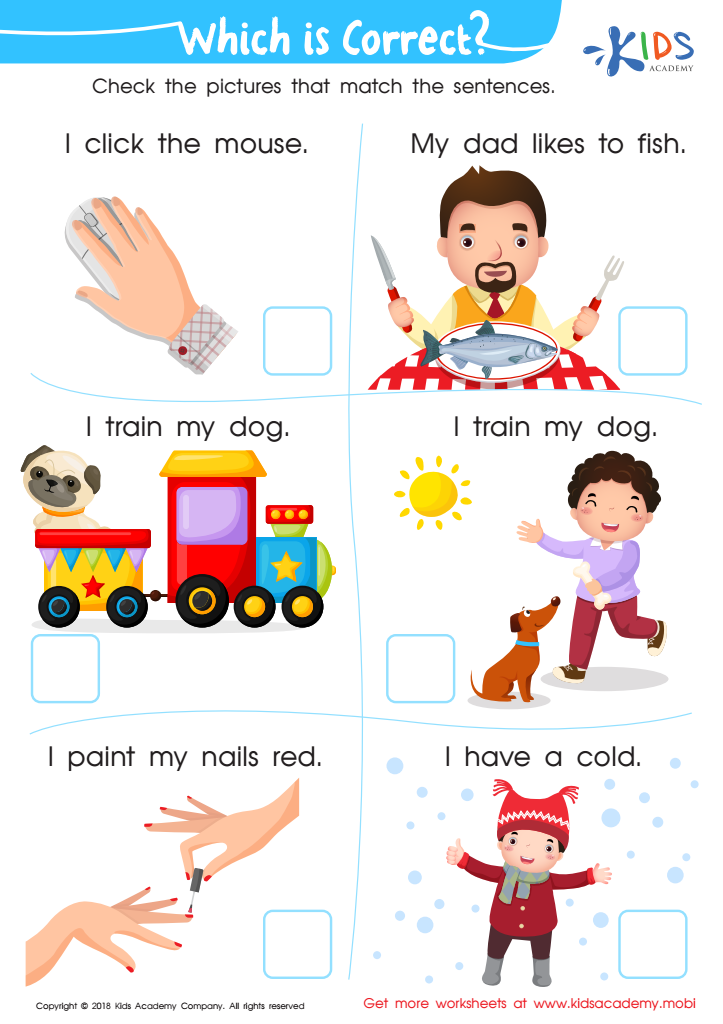
Which Is Correct? Worksheet
 Assign to My Students
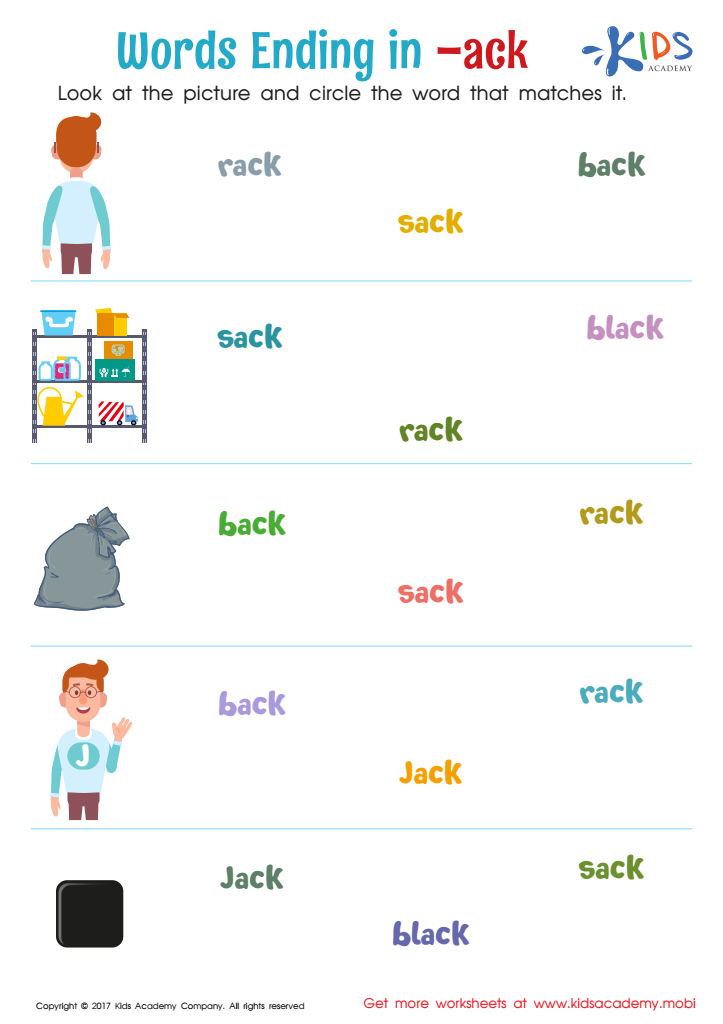
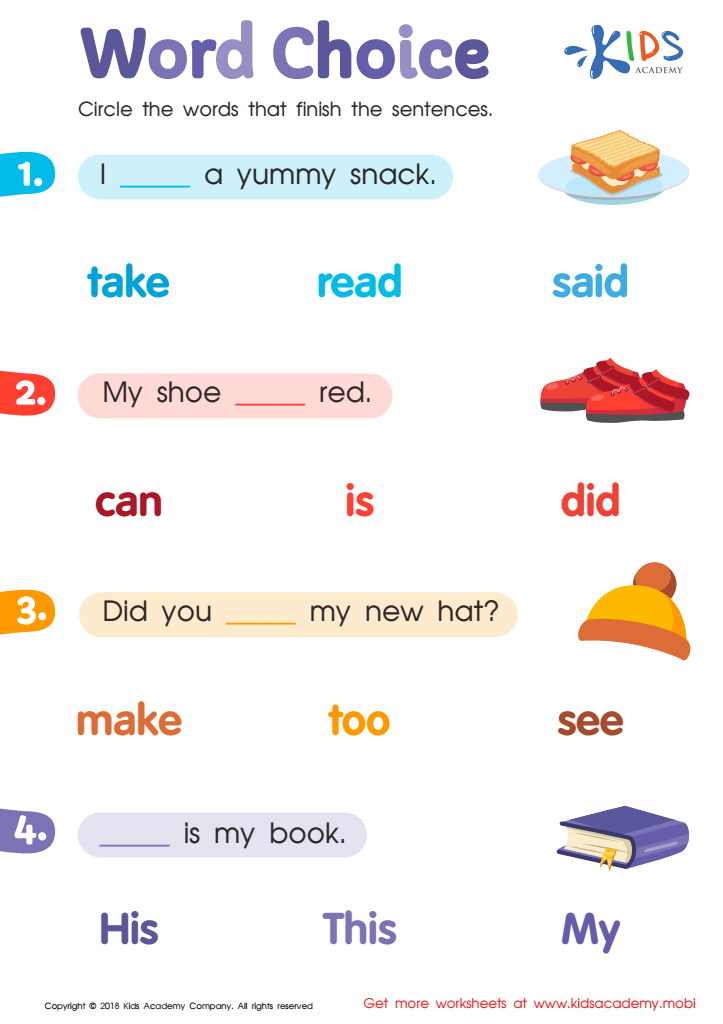
Word Choice Worksheet
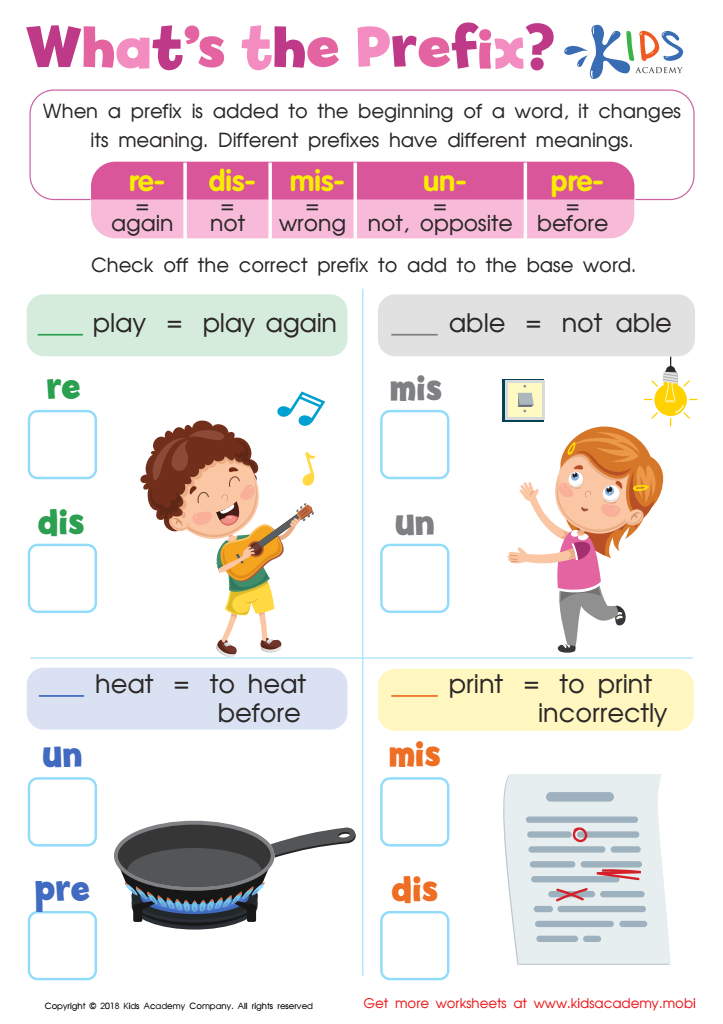
Reading: What Is the Prefix Worksheet



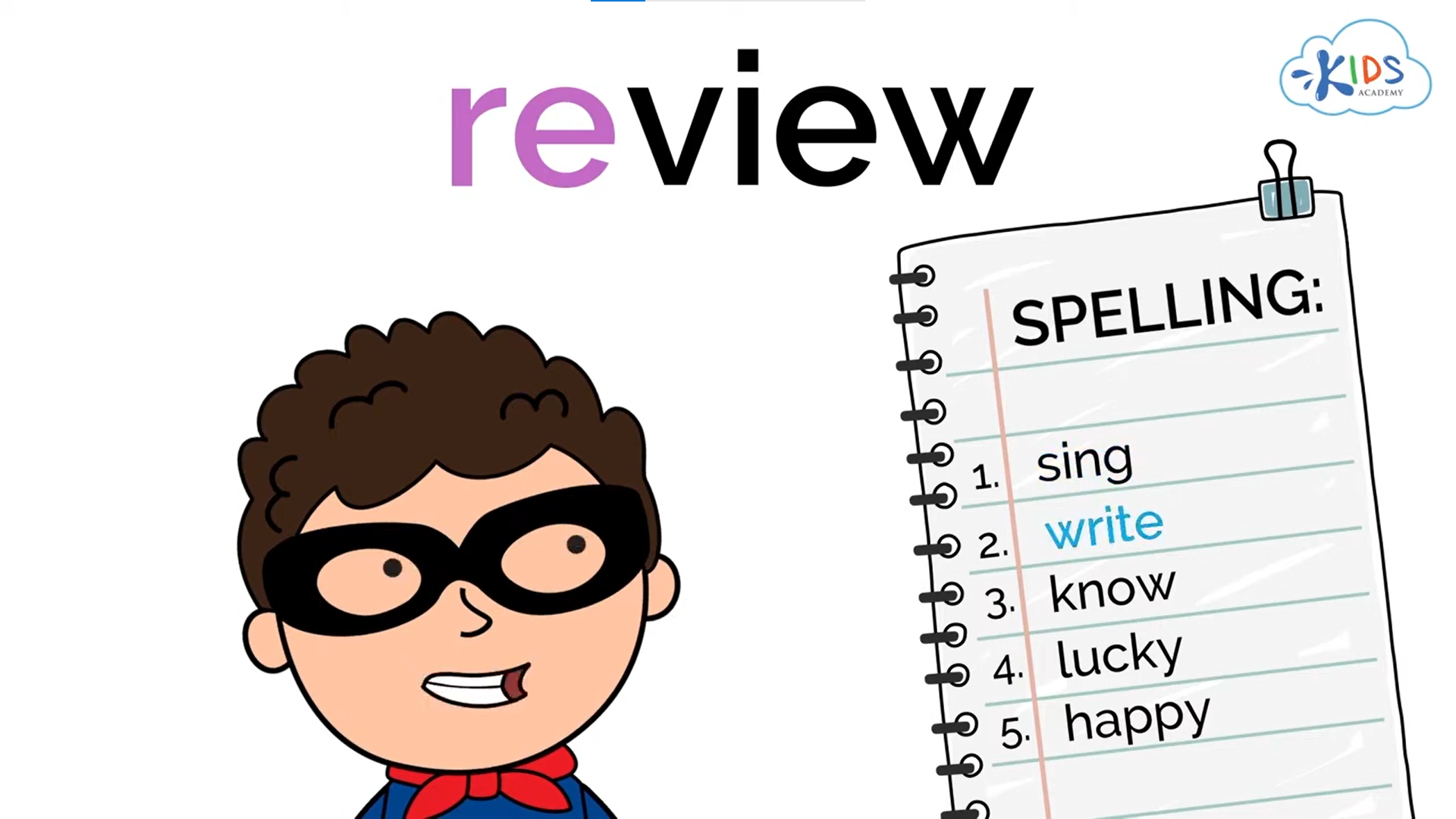
.jpg)



Vocabulary enhancement is crucial for children aged 5-7, as this stage is pivotal for language development. During these formative years, expanding vocabulary can significantly influence a child’s reading ability, comprehension, and overall academic success. A robust vocabulary helps young learners express their thoughts and emotions more clearly, allowing them to engage effectively in conversations and social interactions.
Parents and teachers should care about vocabulary enhancement because it lays the foundation for literacy. Rich vocabulary knowledge enables children to decode and understand texts better, fostering a love for reading that can last a lifetime. Moreover, enhanced vocabulary contributes to improved communication skills, which are essential not only in academic settings but also in their future social and professional lives.
Early exposure to diverse words through reading, storytelling, and engaging activities encourages curiosity and cognitive development. Parents and teachers can collaborate to create a language-rich environment, making learning fun and interactive. Through games, songs, and playful conversations, they can help children acquire new words effortlessly. Therefore, investing in vocabulary development during these crucial years is vital for nurturing confident, articulate, and academically successful individuals.