Writing practice Normal ABC Letters Worksheets for Ages 5-9
6 filtered results
-
From - To
Welcome to our Writing Practice Normal ABC Letters Worksheets, designed specifically for children ages 5-9! These engaging worksheets provide a fun and effective way for young learners to enhance their handwriting skills while mastering the alphabet. Your child will practice writing both uppercase and lowercase letters through a variety of interactive exercises, including tracing and free-form writing. Our worksheets promote fine motor skills and boost confidence in letter formation, setting the foundation for more advanced writing tasks. With colorful visuals and kid-friendly designs, these worksheets make learning enjoyable. Start your child's writing journey today and watch their skills flourish!
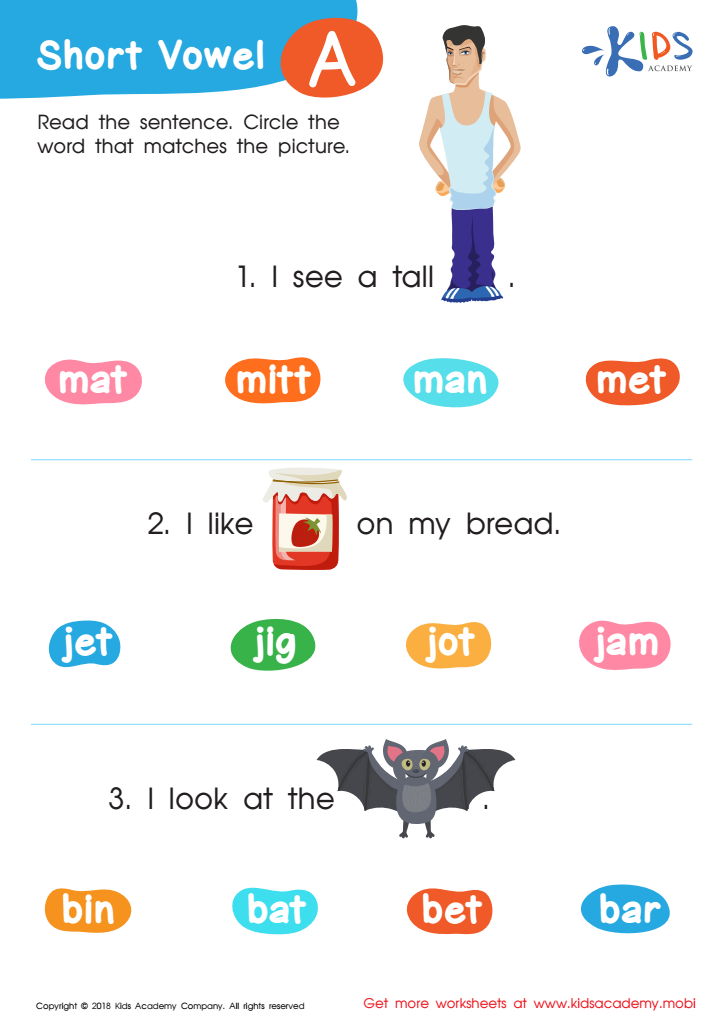
Short Vowel /a/ Worksheet





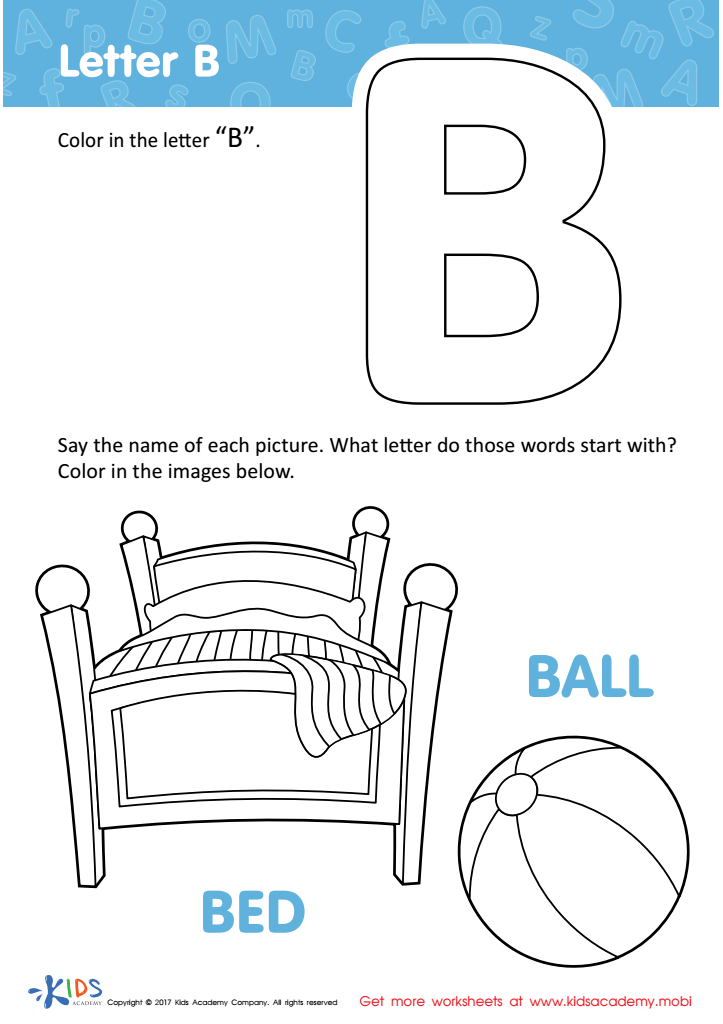
Letter B Coloring Sheet
 Assign to My Students
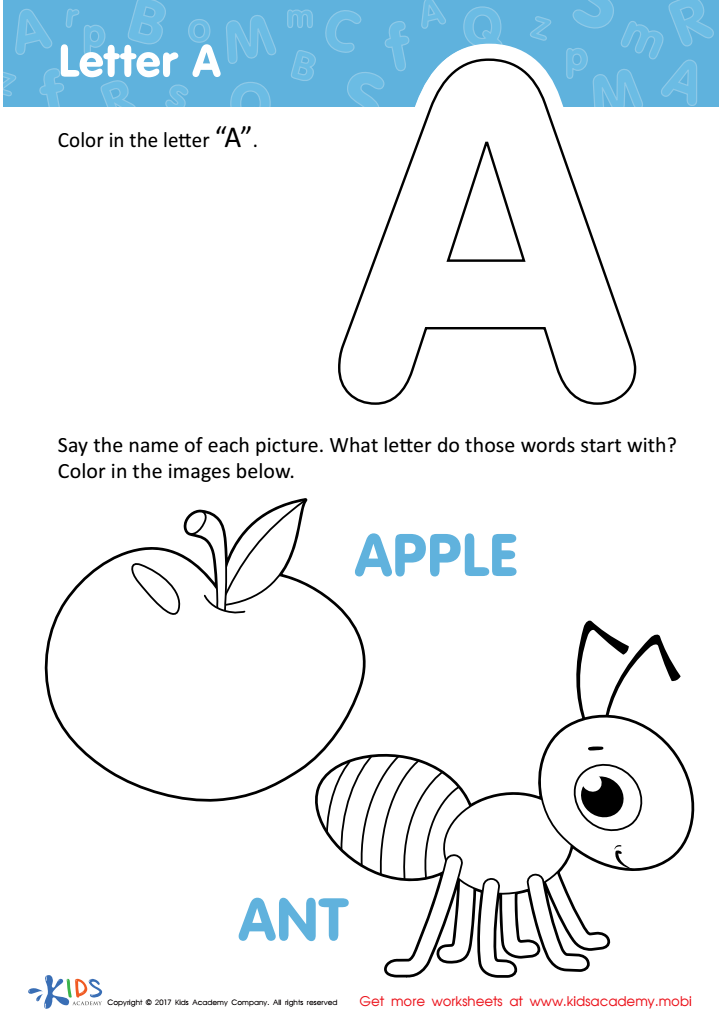
Letter A Coloring Sheet
Assign to My Students
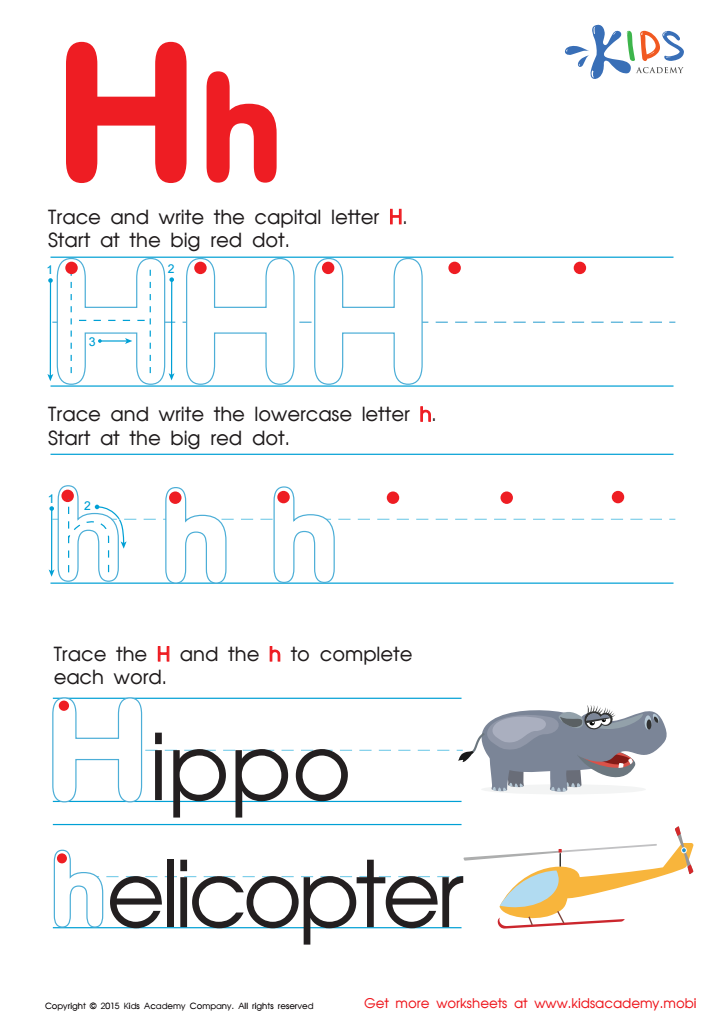
Letter H Tracing Page
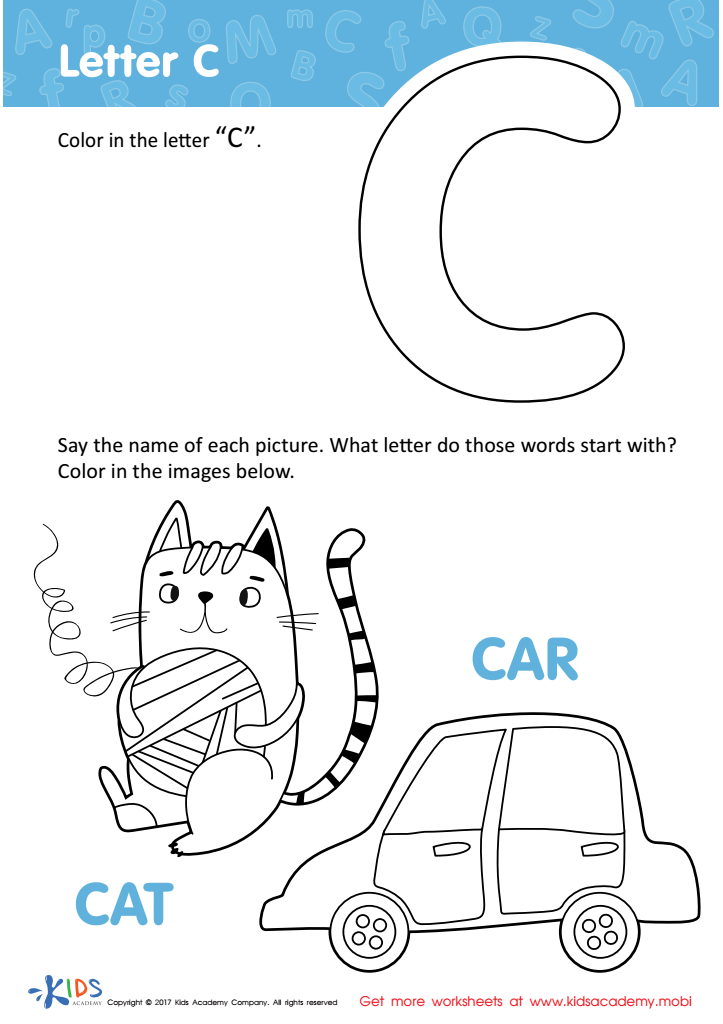
Letter C Coloring Sheet
Assign to My Students
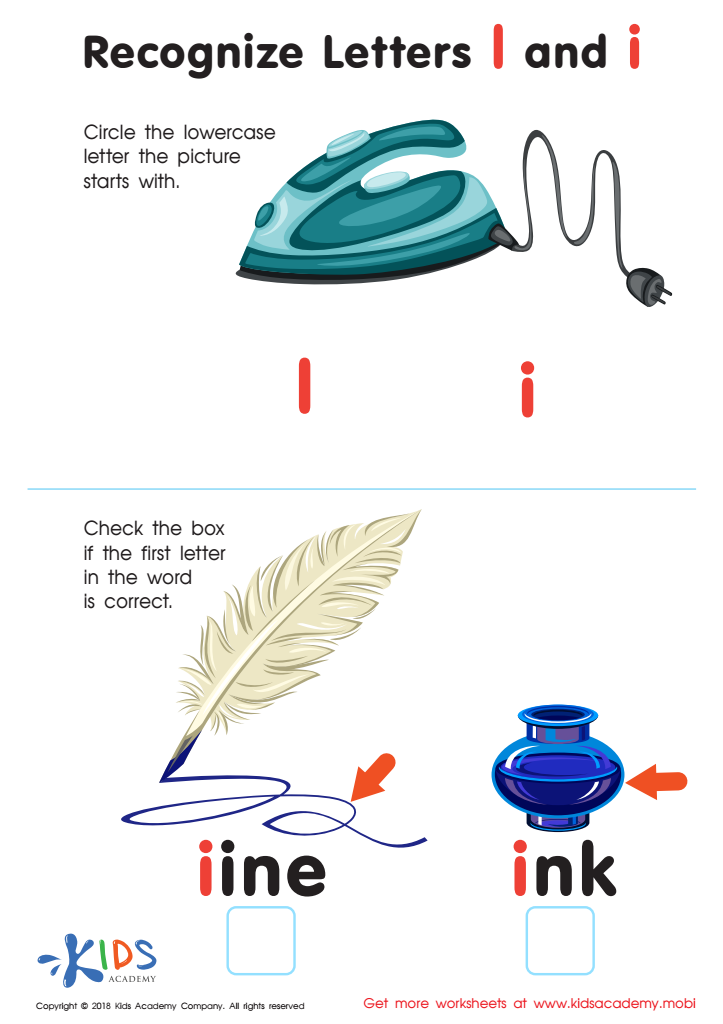
Recognize Letters l and i Worksheet







Writing practice with normal ABC letters is crucial for children aged 5-9 as it lays the foundation for effective communication and academic success. During this developmental stage, children enhance their fine motor skills, which are essential for writing both clearly and legibly. Mastering the alphabet not only aids in handwriting but also supports their ability to read and spell.
Furthermore, writing encourages creativity and self-expression. Young children learn to articulate their thoughts and feelings through writing, fostering confidence in their ideas and individuality. Regular practice can stimulate their imagination while strengthening critical thinking skills as they learn to structure sentences and develop narratives.
Teachers and parents play a vital role in providing supportive environments for this skill-building. Encouragement and constructive feedback can go a long way in motivating children to practice further. Engaging activities—like writing stories, keeping journals, or creating letters—make learning enjoyable and meaningful.
Lastly, strong writing skills are essential for future educational endeavors and opportunities. As children progress through school, those who have a strong grasp of writing fundamentals will find it easier to tackle more complex subjects, contributing to their overall academic achievement and success in life.







