Alphabet Recognition Normal Alphabet Coloring Pages Worksheets for Ages 5-9
10 filtered results
-
From - To
Explore our engaging "Alphabet Recognition Normal Alphabet Coloring Pages Worksheets" designed for children aged 5-9. These vibrant worksheets effectively combine fun and learning, helping young learners master letter recognition through easy-to-color illustrations. Each page presents a new letter, creatively integrated into delightful pictures, allowing kids to practice identification while enhancing their fine motor skills. Perfect for both classroom and home use, these coloring pages are a wonderful tool to support early reading readiness, making alphabet learning an enjoyable and interactive experience for your child. Unlock the joy of learning with our colorful alphabet worksheets today!
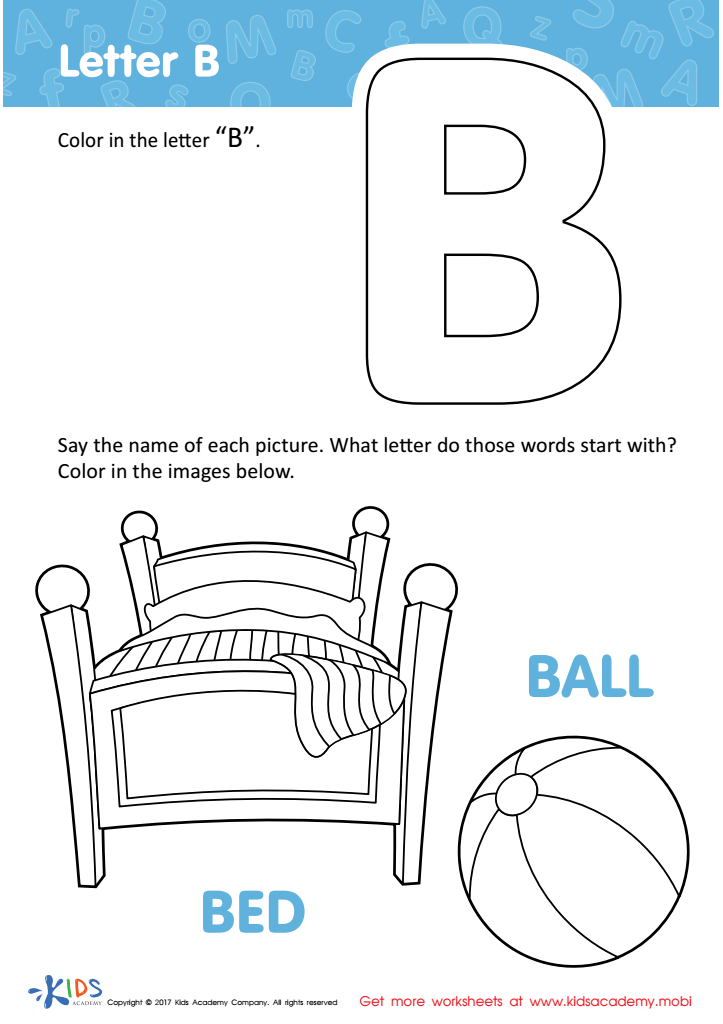
Letter B Coloring Sheet
 Assign to My Students
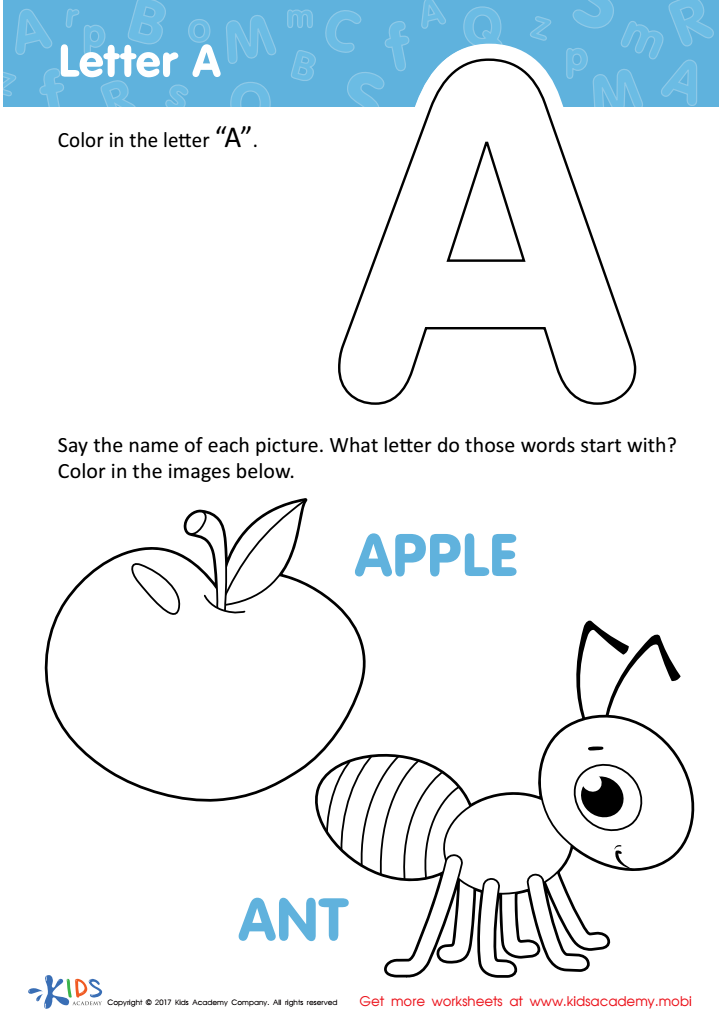
Letter A Coloring Sheet
Assign to My Students
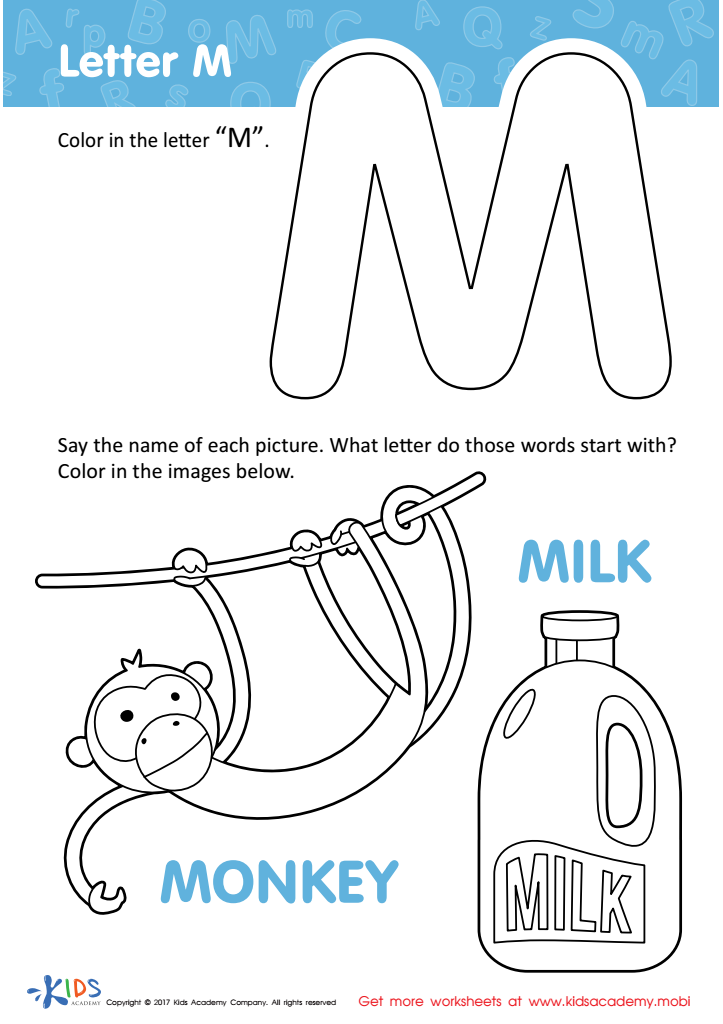
Letter M Coloring Sheet
Assign to My Students
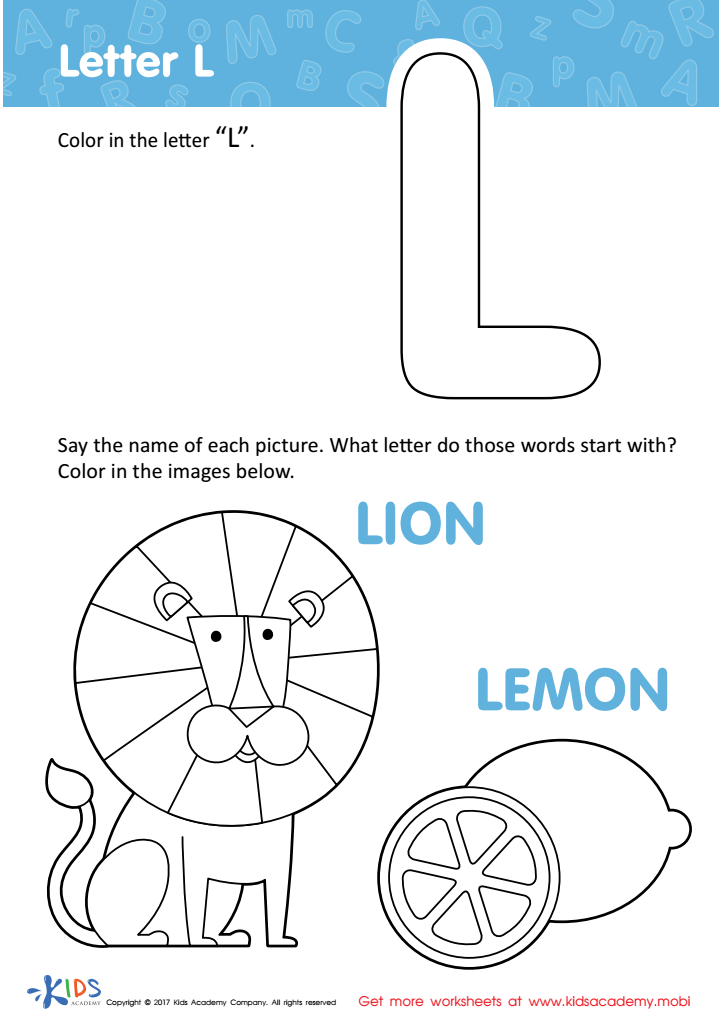
Letter L Coloring Sheet
Assign to My Students
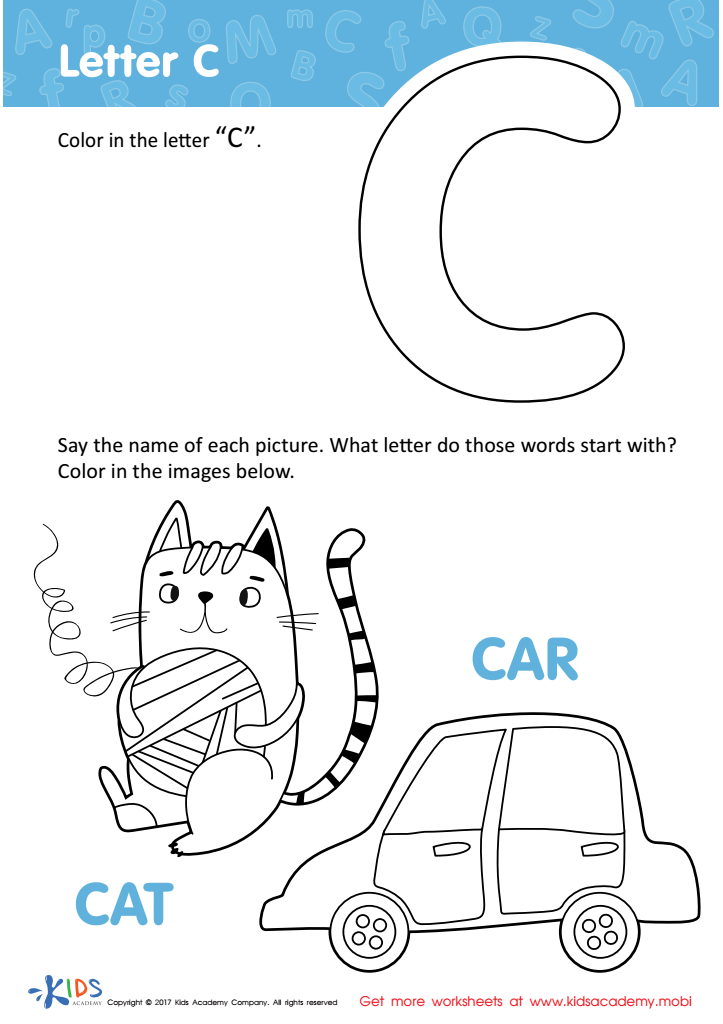
Letter C Coloring Sheet
Assign to My Students
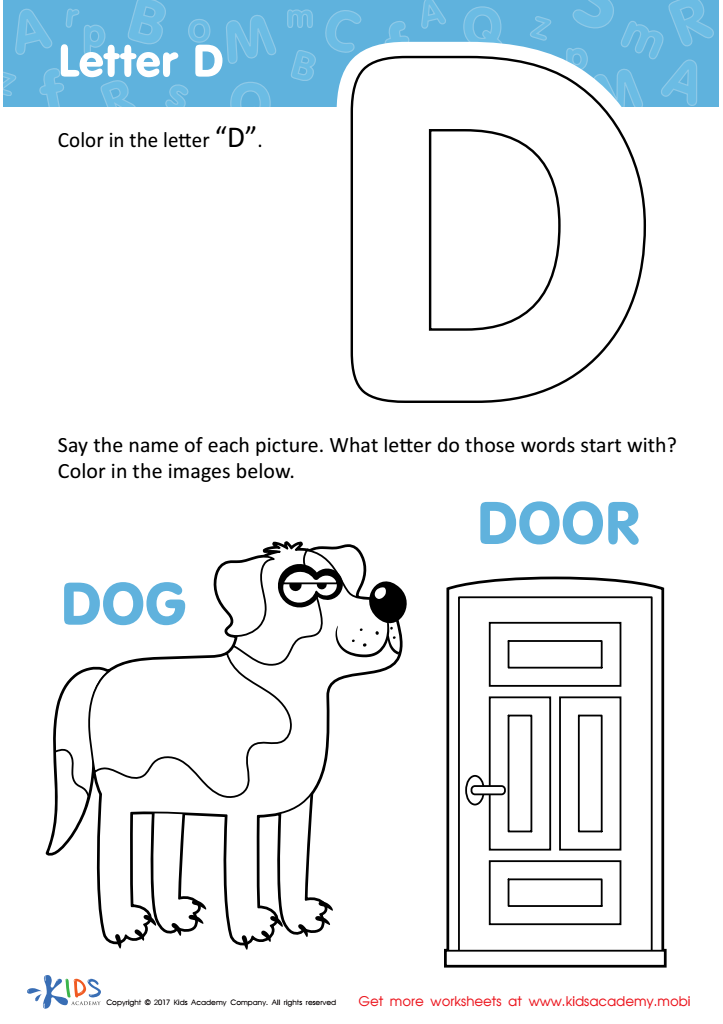
Letter D Coloring Sheet
Assign to My Students
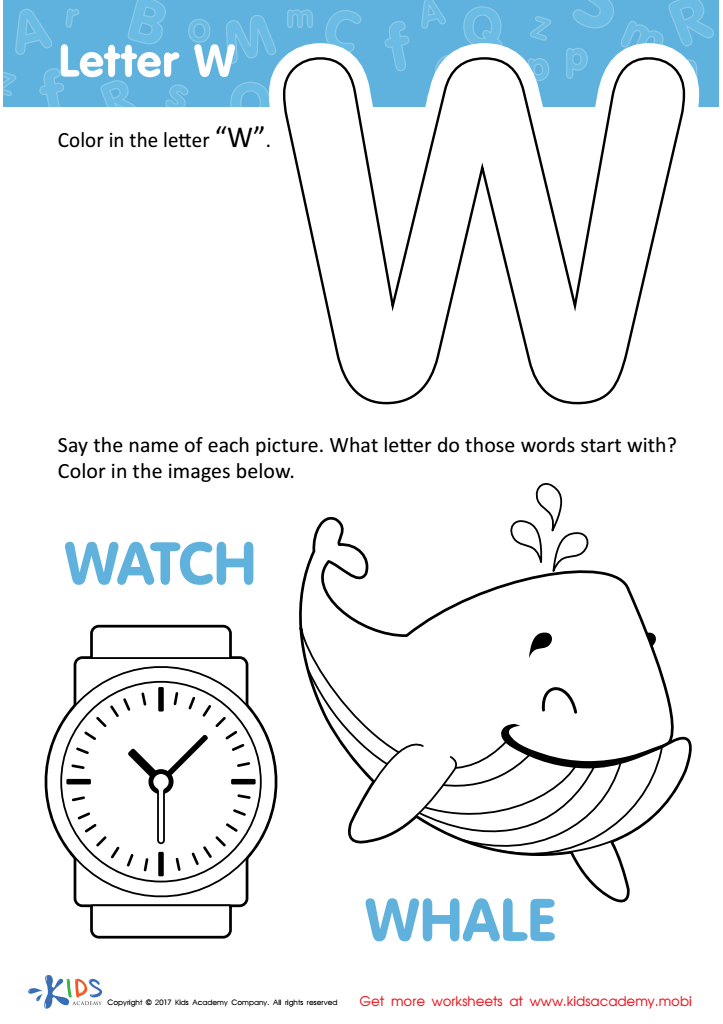
Letter W Coloring Sheet
Assign to My Students
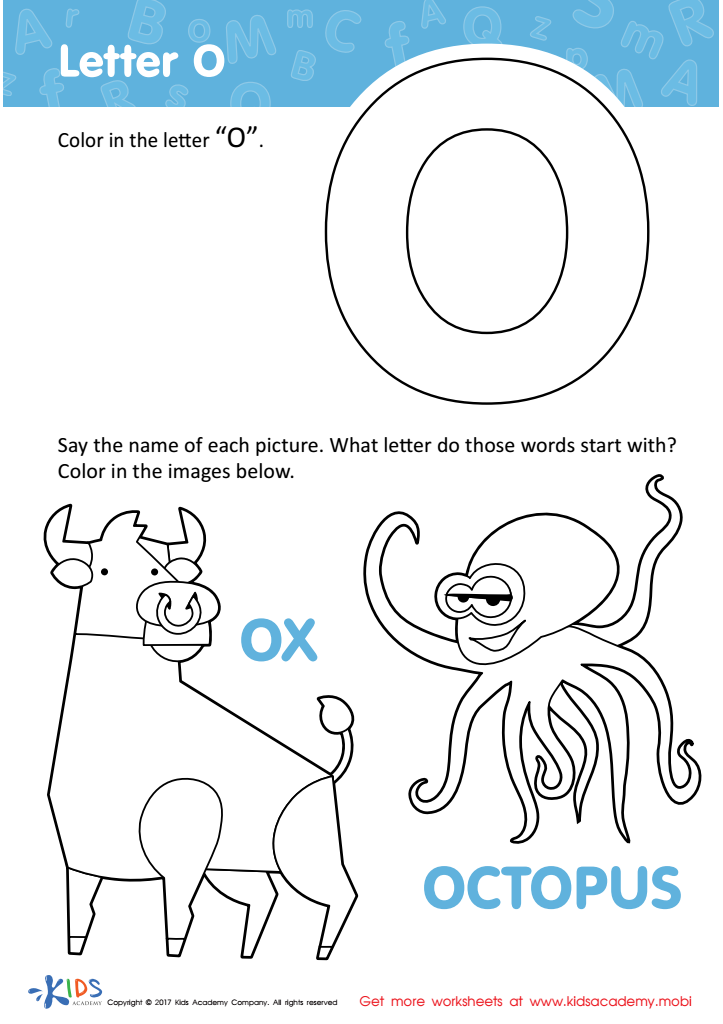
Letter O Coloring Sheet
Assign to My Students
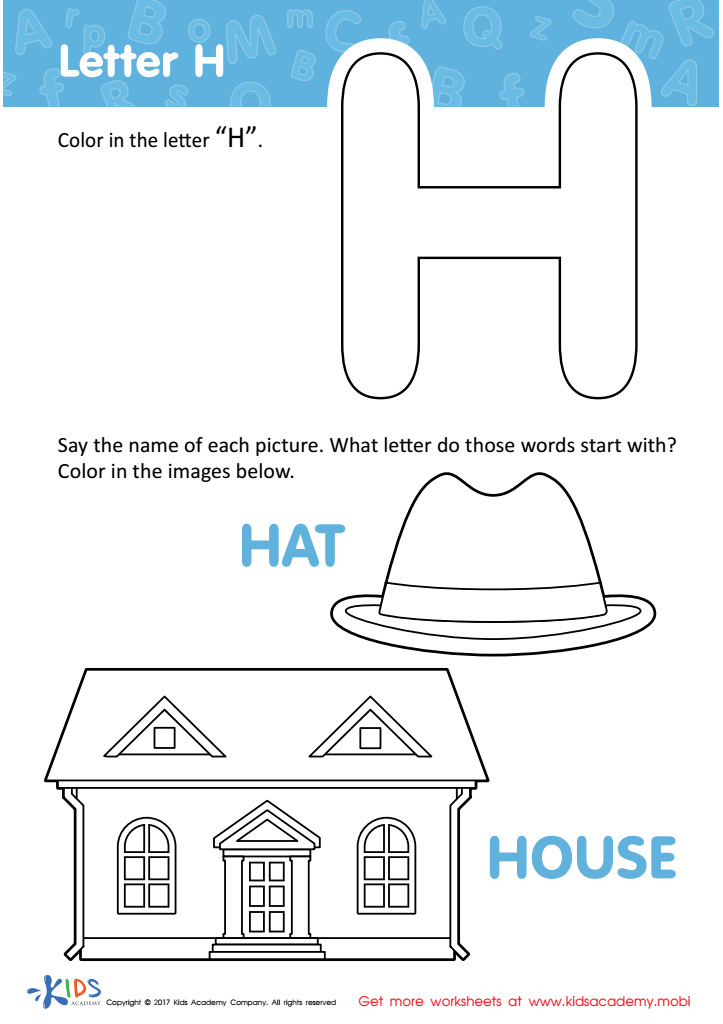
Letter H Coloring Sheet
Assign to My Students
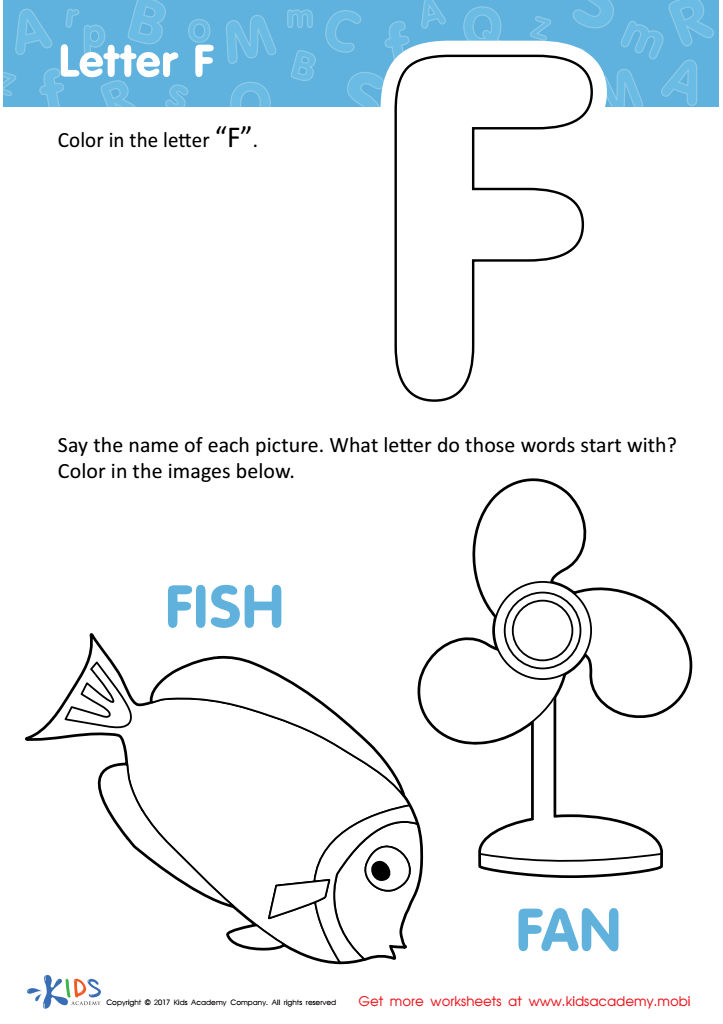
Letter F Coloring Sheet
Assign to My Students





Alphabet recognition is a cornerstone of early literacy, serving as the foundation for future reading and writing skills. Normal alphabet coloring pages for children aged 5-9 offer multiple educational benefits that parents and teachers should care about.
Firstly, engaging with alphabet coloring pages helps children visually and associatively connect letters with their corresponding sounds, a key step in phonics. As they color each letter, they additionally practice fine motor skills, refining their hand-eye coordination and dexterity. This multisensory approach enriches their learning experience and fosters a deeper understanding of the alphabet.
Secondly, coloring activities cultivate concentration and attention to detail. Spending time on each letter encourages patience and focus, valuable traits for formal learning environments. When children associate the alphabet with enjoyable activities like coloring, they develop a positive attitude toward learning that lasts a lifetime.
Moreover, alphabet coloring pages can relieve stress and enhance creativity. They provide a platform for self-expression, allowing children to make choices in colors and improve their confidence and decision-making skills.
In sum, these coloring pages are more than simple activities; they are fundamental tools that support cognitive development, academic readiness, and emotional well-being. Encouraging children to use them prepares them for the complex task of literacy in a fun, engaging, and effective way.







